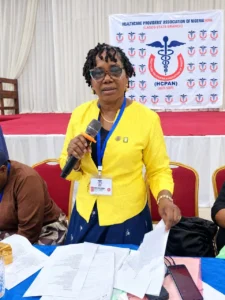
For many people diagnosed with cancer, the battle does not end with a clinical diagnosis or the final round of chemotherapy; it is often the beginning of a long, multifaceted struggle that extends deep into the fabric of a patient’s life. While modern oncology has made significant strides in diagnostic precision and therapeutic intervention, the holistic experience of the patient—encompassing chronic pain, psychological trauma, financial instability, and the daunting challenge of reintegration into society—has historically occupied a secondary position in cancer management. Recognizing this gap, the Uganda Cancer Institute (UCI) has inaugurated a transformative initiative: the Division of Oncology Palliative Care and Cancer Survivorship. This new structural entity marks a paradigm shift in how the institute approaches the cancer care pathway, moving away from a strictly curative model toward one that prioritizes the patient’s quality of life from the moment of diagnosis through to long-term survivorship.
The Global Burden and the Ugandan Context
The urgency of this development is underscored by the escalating global cancer crisis. According to data from the World Health Organization (WHO), 2024 has seen a surge in oncological diagnoses, with approximately 20.6 million new cases identified worldwide and 9.8 million deaths attributed to the disease. These figures, while staggering, represent only the tip of the iceberg. Behind every statistic lies a human story of physical suffering, family displacement, and economic hardship.
In Uganda, the challenges are compounded by late-stage presentation. Statistics from the Uganda Cancer Institute indicate that approximately 36,000 new cases are diagnosed annually within the country. Critically, more than 75 percent of these patients present with advanced-stage disease, where the primary objective is no longer solely curative, but rather the management of symptoms and the preservation of patient dignity. The prevalence of late-stage diagnosis necessitates a healthcare system that can pivot seamlessly from aggressive treatment to robust palliative support—a transition that the new division is specifically designed to facilitate.
Defining the Role of Palliative Care
Palliative care is frequently misunderstood as synonymous with end-of-life or hospice care. However, the WHO defines it as an essential approach to improving the quality of life for patients and families facing life-threatening illness. It is a proactive, rather than reactive, discipline that addresses the physical, psychological, social, and spiritual needs of the patient.
Despite its clinical necessity, global access remains critically deficient. WHO estimates suggest that while 56.8 million people require palliative care annually, only about 14 percent of that population currently receives it. At the UCI, where roughly 10,000 new patients are seen each year, the demand for these services is immense. By establishing a dedicated division, the UCI is formalizing the integration of these services into the broader oncology pathway. The goal is to ensure that palliative care is initiated at the point of diagnosis, running parallel to curative treatments like chemotherapy, radiotherapy, or surgery, rather than being relegated to the terminal stages of the disease.
Chronology and Institutional Development
The establishment of the Division of Oncology Palliative Care and Cancer Survivorship is the culmination of a deliberate, multi-year strategy by the UCI to expand its clinical scope. Historically, the institute relied on ad-hoc palliative interventions. Recognizing the insufficiency of this model, the institute began building a specialized team, recruiting experienced palliative care nurses and oncologists with specific training in pain management and psychosocial support.
The formalization of the division serves as an institutional framework to consolidate these efforts. This institutionalization allows for standardized training protocols, consistent funding allocations, and a centralized reporting structure that ensures every patient—regardless of their specific cancer type—has access to the same level of supportive care. By embedding this division into the existing organizational hierarchy, the UCI is signaling a permanent commitment to shifting the focus of cancer care from a "tumor-centric" approach to a "person-centric" one.

Addressing Financial Toxicity and Survivorship
One of the most insidious consequences of a cancer diagnosis is "financial toxicity." This term refers to the economic burden placed on households, which often includes direct medical expenses, travel costs to treatment centers, and the indirect loss of income when patients or their caregivers are forced to abandon their livelihoods. In the Ugandan context, where many families rely on informal labor or subsistence farming, the financial impact of a cancer diagnosis can be catastrophic, pushing entire households into poverty.
The new division aims to mitigate this by integrating social work and economic support navigation into the patient’s care plan. By addressing these social determinants of health, the UCI hopes to reduce the dropout rates caused by financial constraints, thereby improving overall treatment outcomes.
Furthermore, the "survivorship" component of the new division recognizes that modern treatment protocols are increasingly successful, leading to a growing population of cancer survivors who face unique long-term challenges. These include the management of late-term side effects from treatment, the need for rehabilitation, and the psychological hurdle of transitioning back into professional and family life. The division provides a longitudinal support system, ensuring that patients do not feel abandoned once they achieve remission.
Strategic Implications and Future Outlook
The creation of this division is a significant milestone for health policy in Uganda and serves as a model for other developing nations facing a rising cancer burden. The implications of this development are threefold:
- Standardization of Care: By creating a specialized division, the UCI ensures that palliative care is no longer a peripheral service but a core competency of oncology practice. This increases accountability and ensures that the quality of care is uniform across the institute.
- Multidisciplinary Collaboration: The division fosters a collaborative environment where oncologists, nurses, social workers, and spiritual counselors work as a cohesive unit. This multidisciplinary approach is vital for addressing the diverse needs of the patient, which range from complex pain management to existential counseling.
- Data-Driven Policy: With a dedicated division comes the capacity for better data collection. By tracking the outcomes of palliative and survivorship interventions, the UCI can provide evidence-based recommendations to the Ministry of Health, potentially influencing national healthcare funding and policy.
As the UCI moves forward, the success of this initiative will likely be measured by the reduction in the "care gap"—the period between a patient’s initial distress and the moment they receive appropriate support. The division’s existence provides a clear message to patients and their families: while the medical journey of cancer is arduous, no one is expected to traverse it in isolation.
The integration of survivorship services also marks an evolution in the public perception of cancer in Uganda. By emphasizing that there is life after treatment, the UCI is helping to destigmatize the disease and encourage early screening and reporting. As the institute continues to refine its models of care, the Division of Oncology Palliative Care and Cancer Survivorship will undoubtedly remain a cornerstone of the nation’s fight against cancer, proving that clinical success is only truly achieved when the patient is supported in body, mind, and spirit.
In the final analysis, the UCI’s new division is not merely a bureaucratic expansion. It is a fundamental realignment of values. It acknowledges that the ultimate goal of the healthcare system is to preserve not just life, but the quality of that life, ensuring that for thousands of Ugandans, a cancer diagnosis does not signify the end of their story, but the beginning of a supported and dignified journey toward recovery and long-term health.