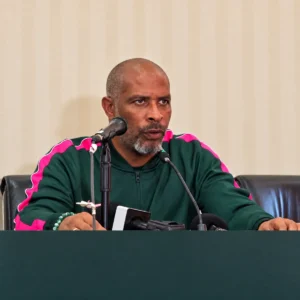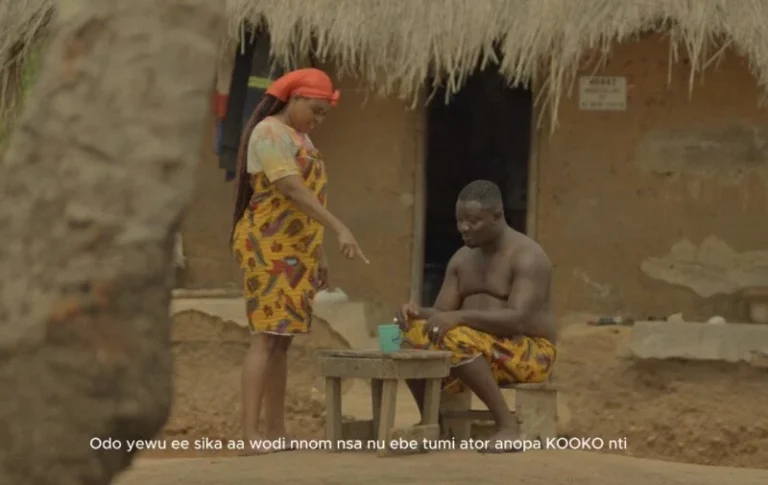
Prominent Ghanaian music producer and seasoned talent manager Bossu Kule has officially released the high-anticipated visualizer for his charting single, Koko. The track, which serves as a major collaborative milestone within the contemporary Ghanaian music scene, boasts an impressive lineup of heavyweight features, bringing together Bisa Kdei, Adina, Sefa, and Yaa Jackson. The release of the official visualizer marks a strategic campaign extension for the song, aiming to further solidify its commercial footprint across digital streaming platforms and television broadcasts throughout West Africa and the broader global African diaspora.
Main Facts of the Release
The rollout of the Koko visualizer brings a vibrant cinematic interpretation to a track that has steadily gained traction on radio dials and streaming playlists since its initial audio release. Bossu Kule, widely recognized behind the scenes for steering the careers of various entertainment personalities and contributing to the operational success of multiple creative projects, steps firmly into the spotlight as the primary orchestrator of this collaborative effort.
The audio production of Koko is a masterclass in modern Ghanaian pop and highlife fusion, blending traditional percussion elements with contemporary Afrobeats rhythm structures. The inclusion of Bisa Kdei—a celebrated highlife stalwart known for his emotive vocal delivery and string of timeless hits—anchors the song in authentic Ghanaian musical tradition. Meanwhile, the dynamic vocal contributions of Adina, celebrated for her powerhouse range and melodic precision, elevate the track’s harmonic complexity. Adding further contemporary flair to the composition are Sefa, a prominent songstress recognized for her smooth delivery and commanding stage presence, and Yaa Jackson, a multi-faceted entertainer whose energetic style injects a youthful, edgy momentum into the collaborative mix.
The newly debuted visualizer translates this convergence of distinct musical identities into a cohesive visual narrative. Directorially curated to capture the vibrant culture of modern urban Ghana, the video utilizes striking lighting, intricate choreography, and high-fashion styling to frame each artist’s performance segment. By pairing such diverse commercial powerhouses, the project effectively bridges distinct segments of the Ghanaian entertainment industry, uniting highlife purists, Afrobeats enthusiasts, and pop culture followers under a single creative banner.
Chronology and Background Context
The genesis of Koko dates back several months prior to the official visualizer release, forming part of a deliberate, phased rollout strategy typical of modern music industry standards. Bossu Kule, leveraging his extensive industry network and comprehensive understanding of artist management, conceptualized the project as a cross-genre fusion that would transcend traditional demographic boundaries in Ghanaian music.
The initial phase involved meticulous studio sessions where the foundational beat was laid down, prioritizing a rhythmic cadence that could comfortably accommodate male and female vocalists of varying stylistic approaches. Bisa Kdei was reportedly among the first to lay down his signature highlife-infused verses, establishing a melodic anchor for the track. Following this, Adina was brought in to craft the soaring vocal hooks and harmonies that give the song its infectious mainstream appeal.
As the production evolved, Bossu Kule expanded the collaborative scope by integrating Sefa and Yaa Jackson. This strategic pairing introduced a vibrant, youthful duality to the latter halves of the song, ensuring that the track would resonate across both mature highlife audiences and the younger, Gen-Z demographic heavily active on social media platforms like TikTok and Instagram.
Upon the release of the audio single, Koko received favorable rotation across major urban radio stations in Accra, Kumasi, and Takoradi. Industry analysts and music critics noted that the song’s immediate acceptance was a direct result of Bossu Kule’s keen ear for commercial viability and his ability to curate unlikely yet harmonious artistic pairings. The subsequent release of the official visualizer represents the second major milestone in the song’s lifecycle, strategically timed to recapture public attention and drive sustained digital engagement.
Supporting Data and Industry Metrics
In the contemporary music ecosystem, the correlation between audio releases and visual accompaniments is critical for maximizing streaming revenues, algorithmic placement, and brand partnerships. According to recent digital media reports within the Sub-Saharan African music market, tracks supported by official music videos or high-quality visualizers experience an average engagement lift of over 40 percent on platforms such as YouTube and Audiomack compared to audio-only uploads.
Bossu Kule’s Koko enters a fiercely competitive digital landscape. Ghana’s music industry has experienced an unprecedented surge in global visibility, largely driven by the international expansion of Afrobeats and the resurgence of highlife fusion. In 2023 and 2024 alone, digital consumption of Ghanaian music grew by double digits, with platforms like Spotify, Apple Music, and Boomplay reporting increased listener retention for multi-artist collaborative tracks.
Collaborative singles statistically outperform solo releases in emerging markets due to the cross-pollination of dedicated fan bases. By bringing together the loyal followers of Bisa Kdei, Adina, Sefa, and Yaa Jackson, Koko inherently taps into four distinct consumer segments. Social media analytics tracking the hashtag #KokoByBossuKule indicate a surge in user-generated content, lyrical breakdowns, and dance challenge submissions across East, West, and Southern Africa. This organic digital footprint underscores the effectiveness of Bossu Kule’s curation strategy, proving that targeted artist aggregation remains a potent formula for commercial success.
Official Responses and Industry Perspectives
While industry stakeholders and creative directors have largely praised the collaborative boldness of Koko, music executives have also analyzed the strategic implications of a prominent talent manager stepping into the recording artist and producer spotlight.
In informal industry roundtables and digital spaces, colleagues of Bossu Kule have lauded the project as a testament to his comprehensive understanding of the creative process from both sides of the mixing desk. Having spent years managing, marketing, and positioning other artists for market success, Bossu Kule’s transition into executing his own cohesive body of work demonstrates a rare versatility within the African entertainment sector.
Representatives close to the production camp have emphasized that Koko was designed not merely as a commercial venture, but as a celebratory showcase of Ghanaian creative synergy. In statements released via associated management channels, the creative team highlighted the importance of breaking down invisible genre barriers that often segregate artists into rigid market boxes. By placing a highlife icon like Bisa Kdei alongside contemporary sensations like Adina, Sefa, and Yaa Jackson, the project deliberately challenges industry norms and proves that diverse musical backgrounds can coalesce into a unified, high-charting product.
Furthermore, participating artists have shared enthusiastic reflections on the creative process via their respective social media channels, amplifying the release of the visualizer to millions of cumulative followers. Their active endorsement reinforces the collaborative spirit of the project, transforming the single release into a collective movement rather than an isolated commercial drop.
Broader Impact and Implications for the Ghanaian Music Industry
The successful deployment of Koko and its accompanying visualizer holds several broader implications for the future direction of talent management, music production, and collaborative marketing in Ghana.
First, the project highlights the evolving role of the modern music producer and manager. Traditionally, talent managers operate strictly behind the scenes—handling contract negotiations, public relations, and logistical scheduling. However, industry veterans like Bossu Kule are increasingly leveraging their institutional knowledge and network capital to curate original artistic works. This shift blurs the line between executive oversight and creative authorship, allowing masterminds of the industry to build personal brand equity alongside the talent they represent.
Second, Koko serves as a blueprint for cross-generational and cross-genre collaboration. The Ghanaian music market has historically faced criticism for internal fragmentation, where artists from different sub-genres—such as mainstream highlife, underground rap, contemporary Afrobeats, and gospel—rarely cross paths in the studio. By intentionally dismantling these silos, projects like Koko demonstrate that commercial viability is significantly enhanced when diverse fan bases are united under a single melodic umbrella. This approach is expected to encourage other producers and executives to experiment with broader, more eclectic artist pairings in future studio projects.
Finally, the release underscores the growing necessity of high-production-value visual content in securing international market penetration. As global streaming algorithms increasingly favor video content and short-form digital clips, African music producers can no longer rely solely on strong audio composition. The investment in a polished, aesthetically striking visualizer for Koko ensures that the track remains competitive on international music television networks, digital streaming video platforms, and global algorithmic playlists.
As the visualizer continues to accumulate views and spark digital conversations across multiple platforms, Koko stands poised to remain a dominant fixture in West African pop culture charts. For Bossu Kule, the project solidifies his reputation not only as a master strategist in artist management, but as a visionary creative force capable of steering complex, multi-artist projects to critical and commercial triumph.