The stark disparity in childhood cancer survival rates across the globe remains one of the most pressing public health inequities of the twenty-first century. While children diagnosed with cancer in high-income nations enjoy an overall survival rate exceeding 80 percent, pediatric oncology outcomes in resource-constrained environments tell a vastly different story. Recent discussions spotlighting healthcare delivery in crisis-affected and low-income regions reveal that geography, rather than the pathology of the disease, often dictates whether a child lives or dies.
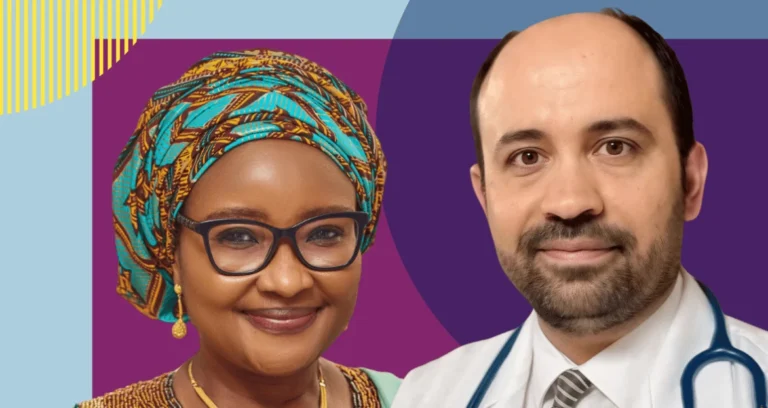
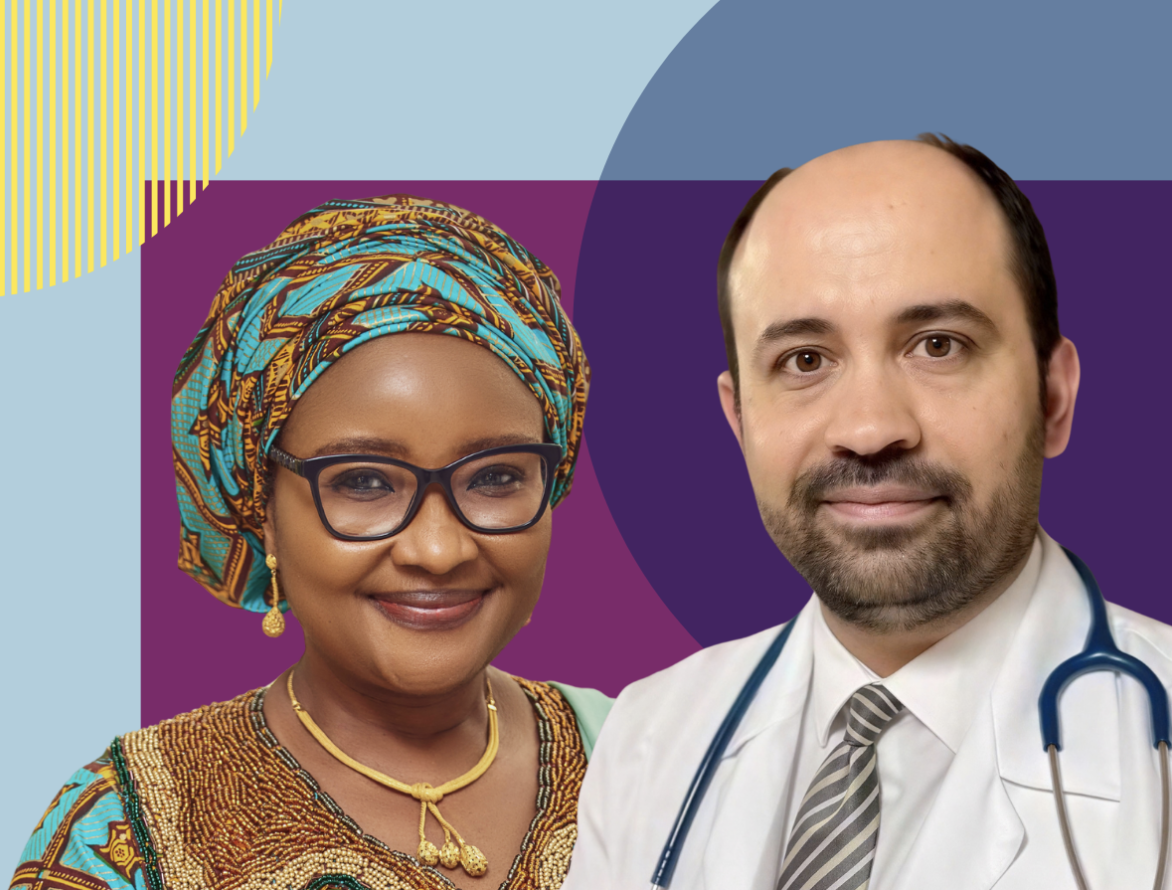
During a recent episode of the Global Health Matters podcast, prominent pediatric oncologists and global health advocates explored the systemic barriers impeding childhood cancer care. Dr. Khaled Ghanem, a pediatric oncology unit director in Damascus, Syria, and Dr. Zainab Shinkafi-Bagudu, founder of Nigeria’s Medicaid Cancer Foundation and president-elect of the Union for International Cancer Control (UICC), shared sobering insights into how systemic fragility, severe supply shortages, and catastrophic out-of-pocket healthcare costs dictate cancer outcomes in the Global South. Their testimonies underline a fundamental truth of modern oncology: even the most curable pediatric cancers become fatal in the absence of a functional, accessible health system.
The Geography of Survival: A Tale of Two Realities
The global oncology landscape is sharply divided. In developed economies, decades of clinical research, specialized training pipelines, robust health insurance coverage, and reliable pharmaceutical supply chains have transformed once-fatal diagnoses into manageable and frequently curable conditions. Diseases such as acute lymphoblastic leukemia (ALL) and Wilms tumor boast long-term survival rates surpassing 80 to 90 percent in wealthy nations.
Conversely, in low- and middle-income countries (LMICs)—where approximately 90 percent of the world’s children live—survival rates plummet. In parts of northern Nigeria, for instance, pediatric cancer survival lingers at an estimated 30 percent. Yet, these averages do not tell the whole story. Through targeted interventions, innovative local partnerships, and extraordinary resilience, specific clinics in exceptionally volatile environments have demonstrated that high survival rates are achievable even amid scarcity.
Dr. Ghanem’s pediatric cancer unit in Damascus offers a striking counter-narrative. Despite enduring years of protracted conflict, severe economic sanctions, and chronic medical shortages, the hospital has successfully pushed its pediatric cancer survival rate to 76 percent. Operating on an annual budget of approximately $1.5 million, the unit treats roughly 400 children annually.
According to Ghanem, the secret to this resilience lies not in boundless wealth, but in strategic international partnerships and localized operational models. Collaborating closely with BASMA, a prominent local non-profit organization, the unit secures steady pipelines of chemotherapy medicines, advanced diagnostic tools, and specialized clinical training for staff.

“A curable disease is dependent on the health system available,” Ghanem noted during the podcast. His remarks encapsulate the core argument of modern global health equity advocates: pediatric cancer is inherently treatable, but the delivery mechanism is perpetually broken in fragile states.
Chronology of Crisis: From Conflict and Poverty to Diagnostic Delays
To understand the current state of pediatric oncology in regions like Syria and Nigeria, one must examine the compounding historical and socioeconomic factors that erode healthcare infrastructure over time.
The Syrian healthcare system, once considered one of the most advanced in the Middle East, suffered catastrophic devastation following the outbreak of civil conflict in 2011. Hospitals were frequently damaged or destroyed, medical professionals fled the country in large numbers, and international trade embargoes severely restricted the import of essential pharmaceuticals, including vital chemotherapy agents. In response to this existential threat to pediatric patients, civil society groups and medical personnel forged grassroots coalitions. Non-profit entities like BASMA stepped in to bridge the funding and supply gaps, transforming fragmented clinics into centralized hubs capable of maintaining high-standard oncological protocols despite the surrounding geopolitical instability.
Meanwhile, the challenges facing Nigeria represent a different historical and systemic trajectory. As Africa’s most populous nation, Nigeria grapples with deep regional disparities in healthcare access, infrastructural deficits, and a heavy reliance on out-of-pocket spending for medical care. Dr. Shinkafi-Bagudu highlights that northern Nigeria, in particular, suffers from a confluence of geographic isolation, a scarcity of specialized pediatric oncologists, and widespread public unfamiliarity with the early warning signs of childhood cancer.
Unlike adult cancers, which are frequently linked to lifestyle or environmental factors over decades, childhood cancers are typically embryonic or genetic in origin, making them intensely responsive to early treatment. However, when families must travel hundreds of kilometers to reach a tertiary care center—often spending their life savings, selling farmland, or mortgaging their homes in the process—the journey itself becomes an insurmountable barrier.
“I have seen children that move from stage two to metastatic and even palliative care stages simply because they’re not able to access that care,” Shinkafi-Bagudu explained. The delay is rarely due to parental apathy; rather, it stems from a dangerous lack of awareness among primary healthcare workers who mistake early cancer symptoms—such as persistent fevers, unexplained bruising, or abdominal swelling—for common tropical infections like malaria or typhoid. By the time a correct diagnosis is finally made, the disease has often progressed beyond the threshold of curative medicine.
Data and Disparities: Quantifying the Global Burden
The numerical reality of global childhood cancer underscores an urgent humanitarian imperative. According to the World Health Organization (WHO), approximately 400,000 children and adolescents develop cancer each year globally. More than 80 percent of these children live in LMICs, where the overall mortality rate is estimated to be as high as 80 percent, compared to less than 20 percent in high-income countries.
| Region / Setting | Estimated Childhood Cancer Survival Rate | Primary Structural Challenges | Key Interventions Required |
|---|---|---|---|
| High-Income Countries | > 80% – 90% | Maintenance of specialized care, survivorship late-effects | Advanced research, precision medicine |
| Damascus, Syria | 76% | Conflict disruption, economic sanctions, supply scarcity | Non-profit partnerships, localized supply chains |
| Northern Nigeria | ~ 30% | Late diagnosis, out-of-pocket costs, travel distance | Primary care training, financial risk protection |
The economic implications of these disparities are profound. Treating pediatric cancer is widely recognized by health economists as one of the most cost-effective investments a developing nation can make. Because children have their entire lives ahead of them, saving a child with cancer yields decades of future economic productivity and societal contribution. Yet, without financial risk protection—such as national health insurance schemes or subsidized care funds—families are routinely plunged into catastrophic poverty just attempting to save their child’s life.
Institutional Responses and Policy Implications
The insights shared by Ghanem and Shinkafi-Bagudu align closely with broader international initiatives aimed at shifting the paradigm of global cancer care. In 2018, the WHO launched the Global Initiative for Childhood Cancer (GICC), with the ambitious goal of achieving at least a 60 percent survival rate for all children with cancer globally by 2030, while reducing suffering and pain. The initiative focuses on six core cancers that represent the majority of pediatric malignancies and are highly curable with existing, cost-effective protocols: acute lymphoblastic leukemia, Burkitt lymphoma, Hodgkin lymphoma, retinoblastoma, Wilms tumor, and low-grade gliomas.
Achieving the targets of the GICC requires coordinated action across several domains:
- Capacity Building: Training general practitioners, pediatricians, and community health workers to recognize the early signs of childhood cancer, thereby drastically reducing diagnostic delays.
- Supply Chain Integrity: Ensuring an uninterrupted, quality-assured supply of essential chemotherapy medications and diagnostic reagents to hospitals in low-resource settings, shielding them from market volatility and supply chain shocks.
- Financial Risk Protection: Expanding universal health coverage (UHC) frameworks to explicitly include childhood cancer diagnostics and treatments, protecting vulnerable families from impoverishing out-of-pocket expenses.
- Psychosocial and Practical Support: Providing lodging, nutritional support, and travel subsidies for families forced to travel long distances for treatment, ensuring that logistical hurdles do not force patients to abandon therapy prematurely.
As Shinkafi-Bagudu emphasized, addressing these bottlenecks is not an insurmountable task, provided there is political will and sustained cross-sectoral collaboration. “We can cure it; it’s one of those with a good outcome,” she affirmed, reinforcing the message that defeatism regarding cancer in the Global South is scientifically unfounded.
Broader Impact on Global Health Equity
The convergence of experiences from Syria and Nigeria on the Global Health Matters podcast highlights a broader lesson for international health policy: resilience can be engineered, but systemic equity requires global solidarity.
When local non-profits, international humanitarian agencies, and national governments align their objectives, remarkable outcomes are possible, as demonstrated by Damascus’s 76 percent survival rate under fire. However, relying solely on heroic local efforts is insufficient. Sustainable pediatric cancer care must be institutionalized within national health strategies and supported by robust international frameworks.
The leadership of figures like Shinkafi-Bagudu at the helm of the Union for International Cancer Control signals a growing shift in global health governance, ensuring that the voices and realities of the Global South drive the policy agenda. By centering equity, prioritizing early diagnosis, and dismantling the financial barriers that trap families in cycles of poverty and loss, the global health community moves incrementally closer to a future where a child’s survival is determined by medical science, not by their birthplace.