The ongoing friction between Nigerian state-owned universities, regulatory agencies, and professional associations has reached a critical juncture following a high-level intervention by the Committee of Pro-Chancellors of State-Owned Universities (COPSUN). During their 73rd quarterly meeting held in Ibadan, Oyo State, the leadership of the pro-chancellors deliberated extensively on the state of tertiary education governance in the country. The deliberations culminated in a strongly worded communiqué that addressed two major developments currently threatening the administrative stability and statutory autonomy of Nigerian universities: the overreach of external professional bodies in internal academic governance and the controversial tenure extension of the Vice-Chancellor of Osun State University (UNIOSUN).
Signed by the Chairman of COPSUN, Professor Ayodeji Omole, the communiqué called upon the National Universities Commission (NUC)—the apex regulatory body for university education in Nigeria—to reassert its statutory mandate. COPSUN argued that the growing encroachment of professional councils into core university administration has created an unsustainable operational environment, bleeding institutional resources and inflicting what it termed "accreditation fatigue" on academic staff and university managements alike.
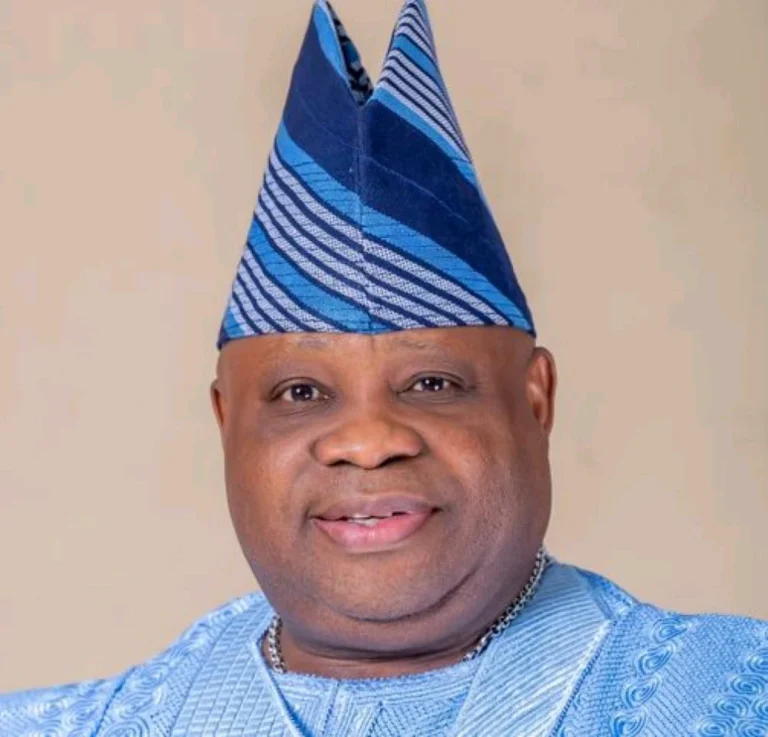
Simultaneously, the committee turned its critical gaze toward state-level governance, specifically addressing Osun State Governor Ademola Adeleke over the controversial two-year tenure extension granted to the incumbent Vice-Chancellor of UNIOSUN. By challenging both federal regulatory boundaries and state-level executive actions, COPSUN has reignited a national conversation regarding the rule of law, institutional autonomy, and the delicate balance of power within Nigeria’s higher education architecture.
The Chronology of Regulatory Friction and Institutional Challenges
To fully understand COPSUN’s recent grievances, it is necessary to examine the historical and chronological evolution of regulatory oversight in Nigerian higher education. Since the establishment of the NUC through the National Universities Commission Act, the commission has held the legal mandate to lay down minimum academic standards, accredit degree programmes, and regulate the establishment and operation of universities across the country.
However, over the past two decades, the landscape has grown increasingly crowded. Various professional regulatory bodies—such as the Council for the Regulation of Engineering in Nigeria (COREN), the Medical and Dental Council of Nigeria (MDCN), the Nursing and Midwifery Council of Nigeria (NMCN), the Council of Legal Education, and the Institute of Chartered Accountants of Nigeria (ICAN), among others—have aggressively expanded their oversight functions. Originally designed to ensure professional competence and ethical standards among graduates entering the workforce, these bodies have progressively drifted into areas traditionally reserved for university senates and governing councils.
Chronologically, the tension escalated around the mid-2010s, as universities began introducing specialized professional degree programmes to meet market demands. Professional bodies began demanding separate resource verification exercises, independent accreditation visits, mandatory indexing fees, institutional induction levies, and continuous professional licensing exams that often duplicate the quality assurance mechanisms already enforced by the NUC.
By the early 2020s, the financial and administrative toll of these overlapping demands became a central complaint for university administrators. State-owned universities, which notoriously grapple with underfunding, infrastructural deficits, and delayed subventions from state governments, found themselves paying exorbitant fees to multiple external bodies for programmes that the NUC had already evaluated and approved. This financial drain culminated in the 73rd quarterly meeting in Ibadan, where COPSUN formally documented these grievances and demanded immediate structural reforms.
Anatomy of COPSUN Demands Regarding the NUC and Professional Bodies
At the core of COPSUN’s resolution is a defense of the supremacy of the NUC as the singular, overarching regulatory authority for tertiary education in Nigeria. The committee noted with dismay that professional bodies have increasingly treated universities as subordinate entities, imposing unilateral guidelines, arbitrary fees, and conflicting academic calendars.
According to Professor Omole and the assembled pro-chancellors, the multiplicity of accreditation and resource verification exercises has generated severe administrative bottlenecks. Universities are frequently forced to deploy scarce financial resources to satisfy the redundant demands of diverse professional councils, diverting funds away from teaching, laboratory maintenance, and research development.
To remedy this, COPSUN has proposed a clear administrative hierarchy. The committee recommended that the NUC should integrate representatives of relevant professional bodies into its own accreditation teams, rather than allowing these bodies to conduct parallel, independent exercises. Crucially, COPSUN insisted that such joint teams must operate strictly under the leadership and authority of the NUC.
"The National Universities Commission, as the regulatory authority for the university system, should be legally strengthened and empowered to exercise overriding authority over university administration nationwide, with the professional bodies serving only as part of the accreditation team being headed by NUC," the committee declared in its communiqué.
This stance is supported by legal experts and educational administrators who argue that unchecked professional interference undermines the powers of university senates, which are statutorily empowered by individual university laws to design curricula, conduct examinations, and award degrees. When professional bodies dictate curriculum content, student admission quotas, and internal administrative structures under the threat of withholding accreditation, the fundamental autonomy of the university is compromised.
The Osun State University (UNIOSUN) Tenure Extension Controversy
While the broader regulatory issues concerning the NUC affect the entire national landscape, COPSUN’s localized intervention regarding Osun State University (UNIOSUN) struck a more immediate chord regarding executive overreach in state-owned institutions.
The controversy centers on a reported two-year tenure extension granted to the incumbent Vice-Chancellor of UNIOSUN. Under the existing legal framework governing the university—specifically aligned with the Universities (Miscellaneous Provisions) Act, 2012 (as amended), and the foundational law establishing UNIOSUN—the tenure of a Vice-Chancellor is strictly capped at a single, non-renewable term of five years.
Reports reaching COPSUN indicated that Governor Ademola Adeleke, acting in his capacity as the Visitor to the university, made an executive pronouncement extending the Vice-Chancellor’s tenure beyond the statutory five-year limit. Furthermore, indications emerged that the state government was contemplating an amendment to the university’s enabling law to retroactively or proactively legitimize the extension.
COPSUN’s reaction to this development was swift and uncompromising. The committee formally resolved that the reported extension runs contrary to the existing legal framework that governs the appointment and tenure of principal officers in Nigerian public universities. By bypassing the established statutory processes—which typically involve open advertisements, search teams, interviews by the governing council, and recommendations to the Visitor—the executive action sets a dangerous precedent that undermines institutional governance.
Implications for State-Owned Universities and the Rule of Law
The intervention by COPSUN in the UNIOSUN matter highlights a persistent structural vulnerability within state-owned universities across Nigeria. Unlike federal universities, which derive their funding and administrative oversight directly from the federal government and are somewhat insulated from immediate political whims, state-owned institutions operate under the direct purview of state governors, who serve as Visitors.
This relationship frequently exposes state universities to political interference. Governors have historically utilized their powers as Visitors—and their control over state purse strings—to influence the appointment of vice-chancellors, governing council members, and principal officers. While some level of executive oversight is necessary to ensure alignment with state development goals, arbitrary tenure extensions and executive fiats bypass the checks and balances designed to insulate academic institutions from partisan politics.
Educational analysts point out that tenure stability is essential for effective university administration. When tenure rules are stretched or manipulated to favor specific individuals, it creates succession bottlenecks, demoralizes aspiring academic leaders, and erodes trust in the governance process. Furthermore, it sets off a domino effect where other state governors may feel emboldened to subvert university laws to suit short-term political expediency.
COPSUN has therefore urged Governor Adeleke to strictly adhere to the existing law governing UNIOSUN. Additionally, the committee directed its own member—the Pro-Chancellor of UNIOSUN—to uphold due process and resist any attempts to circumvent the statutory provisions regulating the institution. The committee emphasized that safeguarding the integrity of university governance is a collective responsibility that rests heavily on pro-chancellors, who act as the primary bridge between the state government and the academic community.
Broader Implications and Future Outlook
The resolutions emerging from the 73rd quarterly meeting of COPSUN in Ibadan signal a renewed determination by pro-chancellors to protect the sanctity of university administration in Nigeria. As the higher education sector grapples with myriad challenges—including underfunding, brain drain, infrastructural decay, and security concerns—the last thing the system needs is administrative paralysis caused by regulatory friction and political interference.
If the NUC heeds COPSUN’s call to streamline the accreditation process and assert its primacy over professional bodies, the relief to universities could be immense. It would reduce operational costs, eliminate redundant bureaucratic hurdles, and allow academic institutions to focus their energies on teaching, research, and community service.
Conversely, the outcome of the UNIOSUN tenure dispute will serve as a litmus test for the resilience of institutional autonomy in state-owned universities. Whether Governor Adeleke will heed the counsel of the pro-chancellors and reverse course, or whether the state government will proceed with legislative amendments to validate the extension, remains to be seen. What is clear, however, is that COPSUN has drawn a firm line in the sand, signaling that the arbitrary manipulation of university laws and unchecked professional overreach will face rigorous pushback from the custodians of higher education governance in Nigeria.