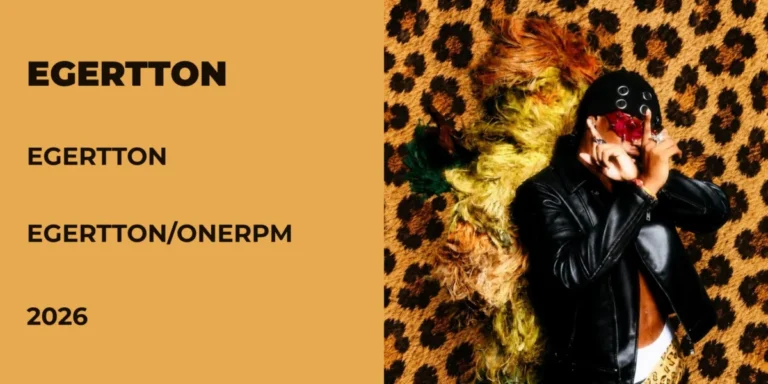
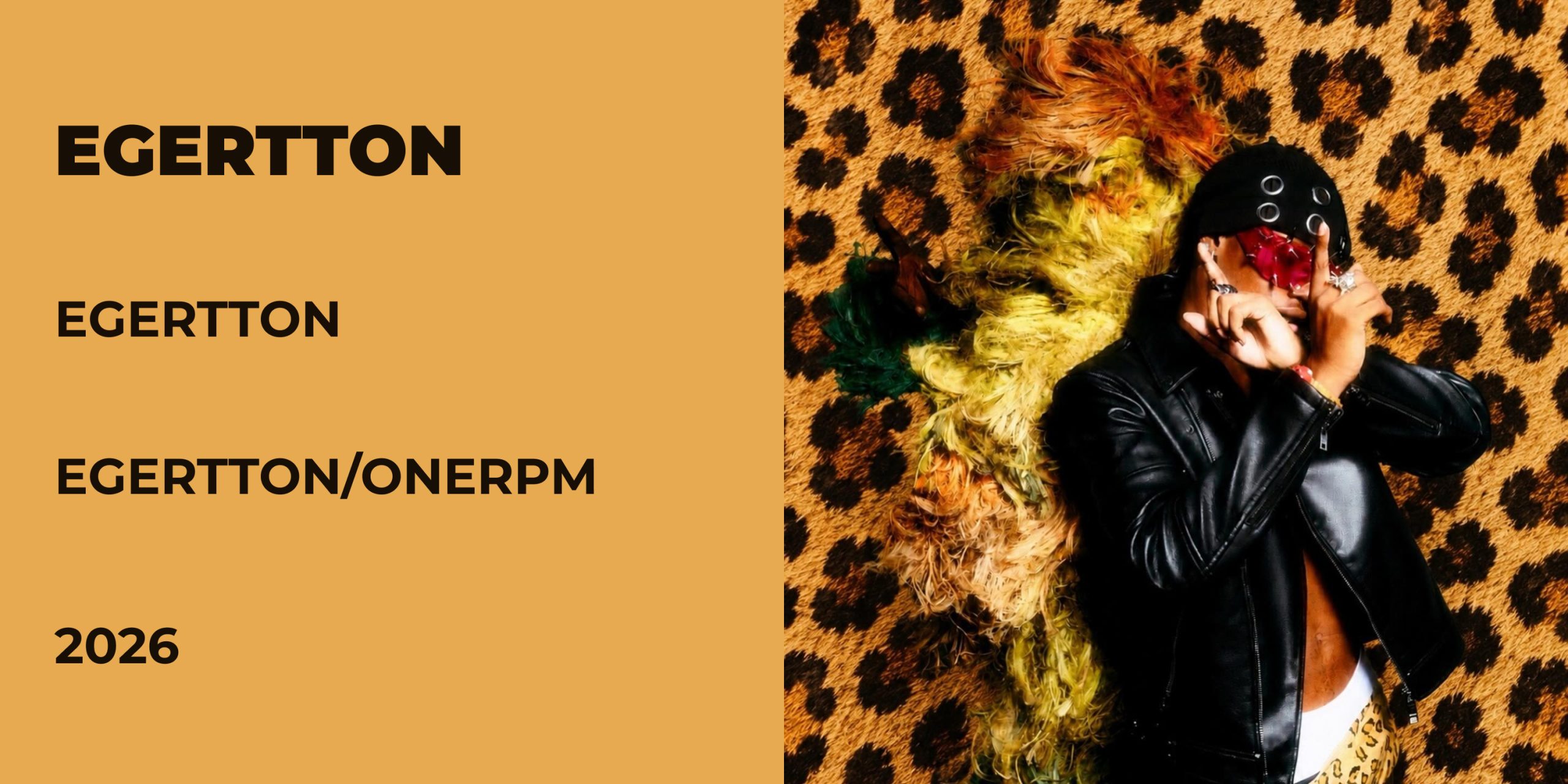
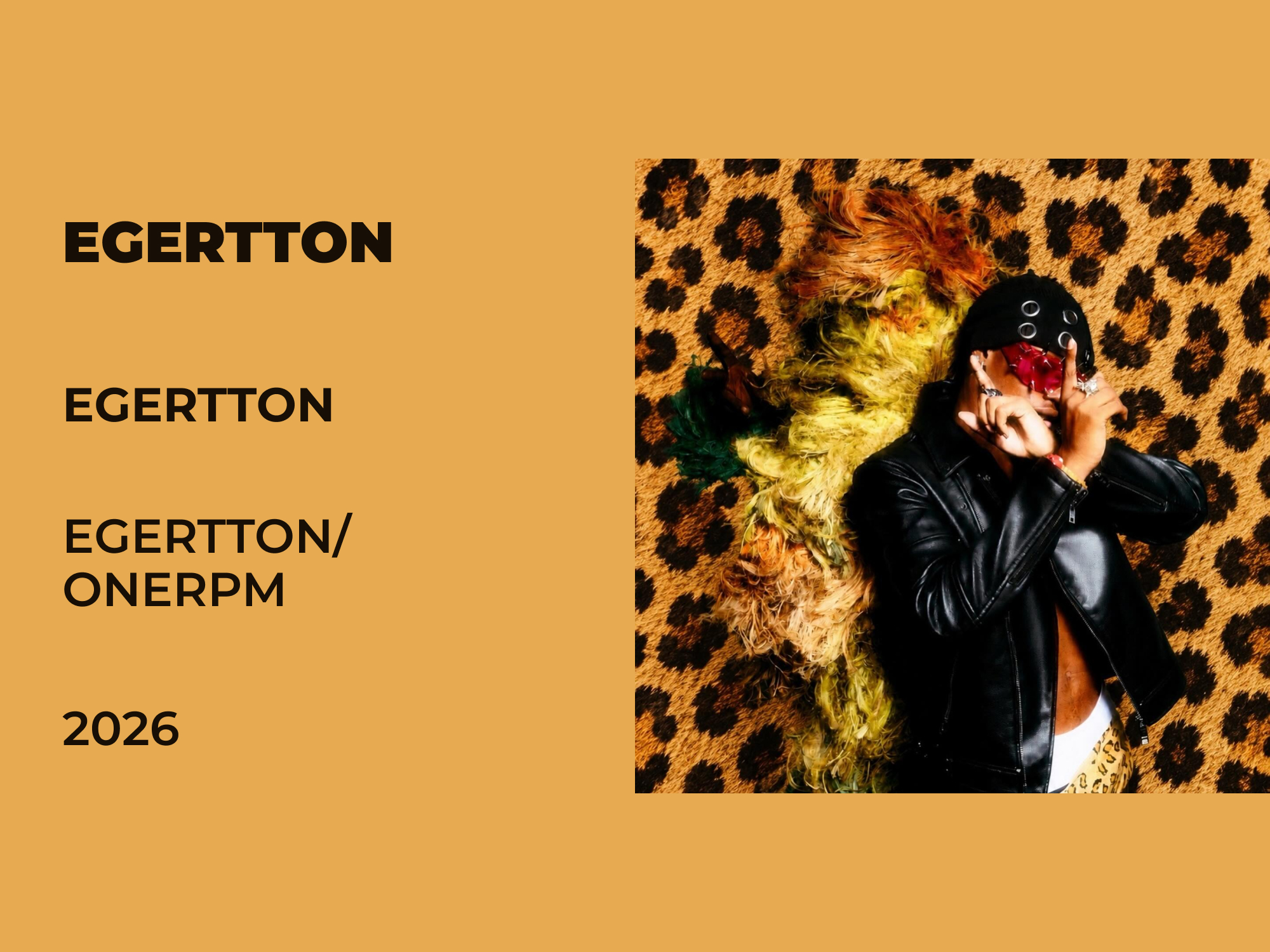
The release of Egertton’s self-titled debut mixtape marks a significant pivot point for the Nigerian alternative music scene, signaling the arrival of a creative force more interested in disruption than the traditional pursuit of mainstream appeal. Emerging from a musical climate often dominated by the polished, commercial gloss of contemporary Afropop, Egertton has carved out a distinct niche through a combination of aggressive sonic experimentation and a deep, almost spiritual connection to his Edo heritage. This ten-track project, spanning approximately 25 minutes, serves as both a manifesto and a challenge, demanding that listeners engage with the artist on his own terms—even when those terms are intentionally jarring or abrasive.
The Genesis of Incantation Music and the Edo Influence
The foundation of Egertton’s artistic identity is rooted in what he describes as "Incantation music." This term, which initially sparked debate across social media and music forums, refers to a stylistic blend of traditional Edo iconography, spiritual motifs, and modern distortion. By incorporating the cultural textures of his native Edo State—ranging from the visual use of animated masquerades to the rhythmic structures of indigenous folk music—Egertton provides a refreshing counter-narrative to the Lagos-centric aesthetics that have historically defined Nigerian music exports.
The controversy surrounding "Incantation music" reached a peak in March 2026 with the release of "Obiokhan." Premiering on the second installment of Cruel Santino’s Subaru Live Radio, the track served as a litmus test for the artist’s burgeoning fan base. Directed by Cruel Santino, the music video for "Obiokhan" featured surrealist animation and masquerades that defied conventional Afrobeats tropes. While some critics labeled the work as "dark" or "inaccessible," others praised it for its bravery in recontextualizing ancient West African traditions within a futuristic, hyper-pop framework. This polarization has become a hallmark of Egertton’s career, positioning him as a figure who thrives in the space between reverence and rebellion.
A Chronology of Artistic Evolution: From KARNAGE to the Self-Titled Debut
To understand the weight of the EGERTTON mixtape, one must look back at the artist’s rapid ascent over the past two years. Egertton first entered the public consciousness in late 2024 with his debut EP, KARNAGE. That project introduced a high-octane, riotous energy characterized by tracks like "CRAZE" and "RAGE," which drew heavily from the global "Rage Rap" movement pioneered by artists like Playboi Carti and Travis Scott, yet infused it with a uniquely Nigerian grit.
However, the artist’s trajectory was complicated by the success of "MOLADE," a collaboration with scottyolorin. Unlike his more abrasive solo work, "MOLADE" leaned into a smoother, more melodic sensibility that resonated with a broader audience. This led to a temporary friction within his listener base: those who expected the "soft" Afropop stylings of "MOLADE" were often blindsided by the raw, distorted textures of his subsequent releases. The EGERTTON mixtape acts as the final resolution to this tension, proving that the artist is capable of both vulnerability and violence, often within the same track.
Sonic Architecture: The Role of DJ Primeau and Collaborative Synergy
The technical success of EGERTTON is largely attributed to the cohesive yet shifting production led by DJ Primeau. Credited on five of the ten tracks, Primeau has established a symbiotic relationship with Egertton that allows the artist to float between genres without losing a sense of identity. The production landscape of the mixtape is expansive, featuring contributions from other rising producers such as Haram, Hebron, and Soundchef.
The sonic pallet of the project is characterized by its refusal to settle. In "MY SKELLY," produced by Haram, the listener is treated to a swaggering, hip-hop-influenced anthem that serves as a high-energy centerpiece. Conversely, "ISSOKAYY," produced by Hebron, offers a more rhythmic, steady pulse that bridges the gap between alternative pop and club-ready Afrobeats. This constant shifting of the ground beneath the artist’s feet ensures that the project remains unpredictable, mirroring the chaotic but calculated nature of Egertton’s brand.
Analyzing Key Tracks: Masculinity, Rebellion, and Vulnerability
One of the most striking aspects of the mixtape is Egertton’s lyrical exploration of modern masculinity and personal autonomy. On the track "GANGSTER," the artist addresses the superficiality of social labels. By singing, "I love myself some feminine clothes, I accept it," he challenges the rigid gender norms often prevalent in both the Nigerian music industry and society at large. However, he quickly juxtaposes this fashion fluidity with a stern warning of street-level toughness: "Choppa on my hip in case a nigga want to test me / I swear to God I no go hesitate to shoot." This duality—the ability to be both aesthetically fluid and traditionally "gangster"—presents a nuanced view of the modern African youth experience.
The track "REBEL" serves as the mixtape’s spiritual core. Through the repeated affirmation, "Different pattern, I’m a rebel, different sauce, I’m a rebel, different sounds, I’m a rebel," Egertton codifies his mission statement. It is less a song and more a personal manifesto, signaling his refusal to conform to the expectations of labels, critics, or the mainstream market.
While much of the project is defined by its "rage" and defiance, moments of "aching intimacy" provide necessary balance. "MIDNIGHT," featuring Indi, is a standout example of this. Performed over gauzy, dream-pop production, the track replaces the blown-out bravado found elsewhere on the tape with a soft, melodic duet. This track, along with the Soundchef-produced "BODY SPARKLE," demonstrates Egertton’s range as a vocalist, proving he can deliver "soulful passages" just as effectively as he can deliver "frenzied intensity."
The "Chosen 1" and the Burden of Generational Representation
The mixtape concludes with "CHOSEN 1," a track that directly addresses the criticisms and "divisive" reputation Egertton has garnered in his short career. The lyrics reflect the public’s conflicting views of him: "He’s the chosen one, he’s not the chosen one / He can save us, he can’t save us / Crucify him, he can never resurrect / He’s the agent of the devil."
This self-awareness is rare for an artist at this stage of their career. By acknowledging the labels placed upon him—from "savior" of the alternative scene to "agent of the devil" due to his unconventional imagery—Egertton strips his detractors of their power. His final claim, that he intends to "televise my pain for my generation," positions him as a martyr-like figure for a youth population that feels increasingly alienated from the "polished romanticism" of the older generation’s Afrobeats.
Broader Implications for the West African Music Industry
The emergence of artists like Egertton suggests a significant shift in the global perception of West African music. While the "Afrobeats to the World" movement has successfully brought Nigerian pop to global charts, a new wave of artists is pushing for a more diverse representation of African sound. Egertton belongs to a lineage of "Alté" (alternative) pioneers, but he brings a specific, raw edge that distinguishes him from the more laid-back aesthetics of his predecessors.
The success of EGERTTON—which prioritizes "instinct over precision"—indicates that there is a growing appetite for music that reflects the complexity, frustration, and eclectic tastes of Gen Z and Gen Alpha in Africa. By doubling down on his "divisive" qualities, Egertton is not just building a fan base; he is cultivating a cult following that values authenticity and cultural pride over radio-friendly hooks.

Conclusion: The Appeal of the Imperfect
In a landscape where digital perfection and algorithmic optimization often dictate creative output, EGERTTON stands as a deliberately imperfect work. It is sprawling, occasionally messy, and unapologetically loud. However, its appeal lies precisely in its rough edges. Egertton has successfully presented himself as an artist who would rather provoke a strong reaction—positive or negative—than fade into the background of a generic playlist.
As the artist continues to find his feet, the drive and daring spirit on display in this debut mixtape suggest a long-term staying power. Whether he is the "Chosen 1" or a "Rebel" remains to be seen, but one thing is certain: Egertton has ensured that the world is watching, and more importantly, that the world is listening to the "incantations" of a new era.