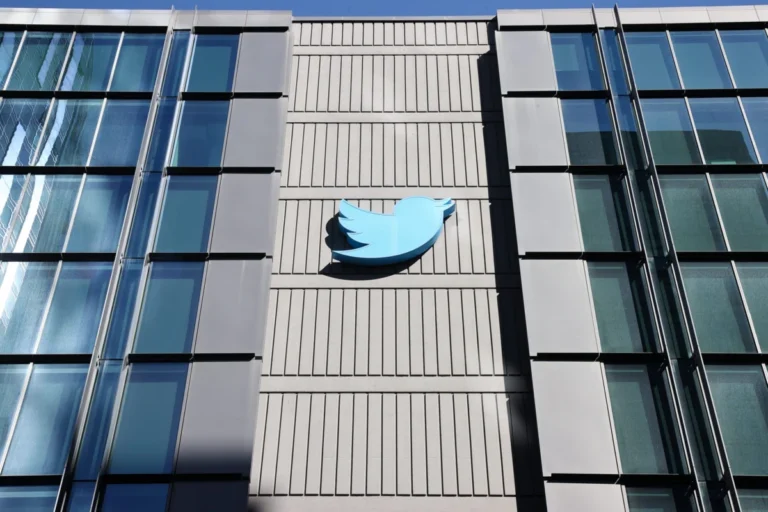
The tech landscape across the African continent was electrified on April 12, 2021, when Jack Dorsey, co-founder and then-CEO of Twitter, took to his personal account to make a historic announcement. Twitter was officially expanding its operational footprint to the African continent, selecting Accra, Ghana, as the home of its inaugural African headquarters. The move was widely hailed as a watershed moment for Big Tech engagement in emerging markets, signaling a shift from distant remote management to localized integration and investment.
However, what began as a celebrated milestone in global digital diplomacy deteriorated into a cautionary tale of corporate restructuring just over a year later. Following Elon Musk’s $44 billion acquisition of the social media platform in October 2022, the newly established African operations suffered an abrupt termination. The dissolution of the Accra office not only displaced local tech talent but also ignited fierce debates regarding equity, corporate responsibility, and whether international tech conglomerates view emerging markets through the lens of genuine inclusion or temporary public relations strategies.
The Visionary Beginning: Why Ghana?
When Jack Dorsey announced Twitter’s expansion to Ghana, the decision was backed by a deliberate strategic framework. In an official blog post, the company explained that to truly serve the global public conversation, it needed to immerse itself more deeply in the vibrant communities driving everyday dialogue across Africa. Ghana was selected as the operational anchor due to its stellar reputation as a champion of democracy, free speech, online freedom, and an open internet—values that closely aligned with Twitter’s core mission.
Ghanaian President Nana Addo Dankwa Akufo-Addo immediately welcomed the development, describing it on social media as the beginning of a beautiful partnership critical for the growth of the nation’s burgeoning tech sector. The announcement fostered immense pride throughout West Africa, sparking healthy regional dialogues about innovation, talent retention, and how other nations could similarly attract multinational technology investments.
In the weeks following the announcement, recruitment commenced. Twitter intentionally sought out and hired local talent to staff the Accra hub. Initially operating remotely while physical office infrastructure was established, the local team quickly integrated into global workflows. They provided invaluable localized insights into safety, content moderation, and strategic partnerships, fundamentally improving the platform’s ability to address regional challenges. For many young professionals in Ghana and across the continent, working for Twitter represented the pinnacle of career achievement and validation of Africa’s immense, yet frequently overlooked, digital potential.
Leadership Transitions and the Looming Shadow of Acquisition
The foundational momentum of the African expansion faced its first major political test just months later. On November 29, 2021, Jack Dorsey announced his resignation as CEO of Twitter, handing the reins to Parag Agrawal, who had previously served as the company’s Chief Technology Officer. While Dorsey’s departure generated initial uncertainty, operations in Accra continued under Agrawal, who maintained the company’s existing growth trajectory and publicly reaffirmed commitments to the African market.
Concurrently, external pressures were mounting. In April 2022, billionaire entrepreneur and Tesla CEO Elon Musk disclosed a massive stake in Twitter, quickly escalating into an unsolicited $44 billion buyout offer. As Agrawal and the Twitter board navigated the complex, contentious acquisition proceedings—marked by intense behind-the-scenes negotiations, disputes over platform bot numbers, and eventual legal battles—internal morale at the company began to fracture.
Agrawal attempted to steer the organization through the turbulence, executing strategic layoffs of top product executives in May 2022 and freezing general hiring to manage operational costs. Despite these executive maneuvers, the impending acquisition by Musk created widespread anxiety across all global offices, including the newly formed African division. By October 27, 2022, the legal battles concluded, and Musk officially finalized the acquisition, taking the company private and assuming absolute control as self-styled "Chief Twit."
The November 4 Layoffs and the Global Workforce Purge
Elon Musk’s takeover of Twitter immediately triggered a massive restructuring effort aimed at curbing reported operating losses exceeding $4 million per day. Rumors of sweeping layoffs materialized on November 4, 2022, when approximately 50% of Twitter’s global workforce—totaling roughly 3,750 employees—was systematically let go.
The execution of the layoffs drew severe international criticism for its lack of transparency and clinical delivery. Employees across time zones discovered they had been locked out of internal communication channels like Slack and corporate email accounts before receiving formal electronic notification. Musk defended the measures on his platform, asserting that the company had no financial alternative and noting that departing employees were offered three months of severance pay—reportedly 50% above legally mandated minimums in the United States.
However, the reality for the newly inaugurated African team in Accra contrasted sharply with these corporate assurances.
The Accra Office Debacle: A PR Gimmick or Oversight?
Just three days prior to the global layoffs, senior personnel in Ghana had proudly celebrated a major milestone on professional networking platforms. On November 1, 2022, Twitter Africa announced the official opening of its physical headquarters in Accra, marking the transition from remote work to an established physical workplace for regional staff.
The celebration was short-lived. By November 4, the entire Accra-based team received termination notices. Unlike their North American and European counterparts, however, reports from international journalists, including CNN’s Larry Madowo, indicated that the African employees did not receive the promised three-month severance packages, nor were they provided with clear, individualized off-boarding protocols.
Instead, local staff reportedly received mass automated termination emails originating from a People Services director based in Dublin, Ireland, rather than customized communications reflecting regional legal frameworks or corporate promises. The abrupt closure effectively dismantled Twitter’s physical footprint in Sub-Saharan Africa just days after its ceremonial opening.
International Outcry and Industry Repercussions
The swift dismantling of the African operations provoked immediate condemnation from prominent tech figures and former Twitter executives. Alphonzo Terrell, Twitter’s former Global Head of Social & Editorial, publicly challenged Jack Dorsey on social media, writing: "No severance for Ghanaian Tweeps? If this is true, this is TRASH. @jack you were a champion for @TwitterGhana and still have a significant interest in the company, MAKE THIS RIGHT."
Similarly, Lara Cohen, the former Global VP of Partners & Marketing, voiced her disapproval, questioning whether the abandonment of the African market aligned with the company’s previously stated ethical commitments. Critics argued that the swift elimination of the Accra office exposed a troubling double standard, reinforcing persistent skepticism that multinational corporations establish operations in emerging economies primarily for superficial public relations value rather than sustainable, long-term economic integration.
Broader Implications for Tech Investment in Africa
The collapse of Twitter’s Africa headquarters serves as a critical case study regarding the fragility of corporate commitments in emerging markets during economic downturns. While enterprise restructuring is a standard mechanism in corporate finance, the execution of the Accra office closure highlighted systemic disparities in how multinational corporations manage global workforces.
For the African tech ecosystem, the incident prompted a reevaluation of reliance on foreign multinational investments. Industry analysts suggest that while the closure is a significant setback for Ghana’s positioning as a regional tech hub, it has simultaneously catalyzed domestic entrepreneurial resilience. Local innovators and venture capitalists are increasingly focusing on home-grown solutions and regional venture funding, reducing reliance on the strategic whims of Silicon Valley executives.
Ultimately, Elon Musk’s aggressive restructuring of Twitter fundamentally altered the platform’s operational architecture. Beyond content moderation challenges, advertiser boycotts, and verification controversies, the legacy of the Accra office closure remains a stark reminder of the complexities inherent in global tech expansion—leaving a lasting impression that promises of inclusion must be matched by structural accountability, regardless of geographic boundaries.