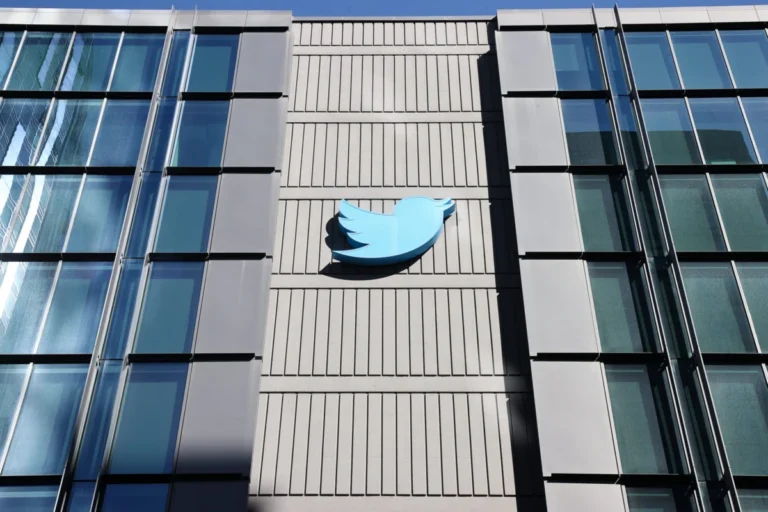
The digital landscape in Africa experienced a historic paradigm shift on April 12, 2021, when then-Twitter co-founder and Chief Executive Officer Jack Dorsey took to his platform to announce a major corporate milestone. Twitter was officially expanding its operational footprint onto the African continent, selecting Accra, Ghana, as the home for its very first Africa Headquarters.
For tech enthusiasts, policymakers, and young digital professionals across the continent, the announcement was met with widespread celebration. Big tech companies had long maintained a peripheral presence in Africa, mostly through sparse sales offices or outsourced moderation hubs, but none had committed to establishing a fully fledged operational headquarters with locally sourced talent on this scale.
However, this promising bridge between Silicon Valley and West Africa proved to be short-lived. Following Elon Musk’s turbulent acquisition of Twitter for $44 billion in late 2022, the newly established African office was dismantled almost overnight. The manner of the shutdown raised serious questions regarding corporate accountability, equity, and whether major technology firms view emerging markets as genuine strategic frontiers or merely fleeting public relations initiatives.
A Vision Rooted in Democracy and Free Speech
When Twitter selected Ghana for its African headquarters, the decision was underpinned by specific geopolitical and cultural considerations. In his formal company blog post, Dorsey emphasized the need for the platform to become more deeply immersed in the vibrant communities driving public discourse across the continent. Ghana was chosen explicitly because of its reputation as a champion of democracy, a supporter of free speech, and a defender of an open internet—values that align closely with Twitter’s foundational mission statement.
President Nana Addo Dankwa Akufo-Addo of Ghana immediately welcomed the development, hailing it as the beginning of a transformative partnership designed to accelerate the growth of the nation’s burgeoning technology sector. Within weeks, recruitment efforts commenced. Twitter began hiring top-tier talent from across the region to build a localized team.
Initially, the workforce operated entirely remotely, providing local professionals with a unique opportunity to contribute regional insights directly to global product development, trust and safety protocols, and user partnerships. The initiative fostered a deep sense of inclusion and representation, serving as an idealized case study for how multinational corporations could successfully integrate into emerging digital markets. The milestone culminated on November 1, 2022, when senior staff proudly announced the official opening of the physical office space in Accra, allowing the regional team to convene in a shared workspace for the very first time.
A Cascade of Leadership Changes and Corporate Turmoil
The rapid unraveling of Twitter’s African operations cannot be viewed in isolation; it was the direct consequence of a chaotic sequence of high-level corporate changes that began shortly after the initial expansion announcement.
On November 29, 2021, just seven months after championing the move to Ghana, Jack Dorsey announced his resignation as CEO of Twitter, citing concerns over holding dual CEO positions at Twitter and Block (formerly Square). Dorsey appointed Parag Agrawal, then the company’s Chief Technology Officer, as his successor. Agrawal assumed leadership during a delicate financial and cultural transition, taking steps to streamline operations, which included the ouster of two high-profile executives—consumer product leader Kayvon Beykpour and general manager of revenue Bruce Falck—in May 2022.
Parallel to these internal adjustments, billionaire entrepreneur and Tesla CEO Elon Musk began acquiring a massive stake in the social media platform. By April 14, 2022, regulatory filings revealed that Musk had submitted an unsolicited offer to take Twitter private for $44 billion. What followed was a protracted, dramatic saga characterized by public spats, allegations regarding the accurate calculation of bot and spam accounts on the platform, and a multi-billion-dollar legal battle in the Delaware Court of Chancery after Musk attempted to back out of the acquisition.
Despite intense internal friction, leaked text messages from court proceedings revealed that Agrawal attempted to maintain company stability and protect employees from constant external distraction. Ultimately, facing the reality of a looming court trial, Musk reversed his position and finalized the acquisition on October 27, 2022, immediately ousting Agrawal and other top executives.
The Mass Layoffs and the End of the African Hub
Upon taking control of the platform, Musk initiated an aggressive restructuring program aimed at cutting operational costs to offset the heavy debt burden associated with the leveraged buyout. Musk asserted publicly that the company was losing approximately $4 million daily, necessitating a drastic reduction in workforce.
On November 4, 2022—merely three days after the physical Accra office had triumphantly opened its doors—roughly 50% of Twitter’s global workforce of 7,500 employees received termination notices. The execution of these layoffs drew widespread international criticism for its abruptness and lack of procedural sensitivity. Employees learned of their fate via emails bearing the subject line "Your Role at Twitter," with many discovering they had been locked out of their internal corporate systems and communication channels before receiving official correspondence.
While Musk publicly stated that all departing employees were offered three months of severance pay—reportedly 50% more than legally required—the reality for the African division diverged sharply. According to investigative reports by outlets such as CNN, employees assigned to the Ghana-based Africa headquarters did not receive the promised severance packages. Furthermore, their termination notices arrived via automated mass emails sent from the company’s Dublin office, bypassing individualized communication channels and offering no clear, localized off-boarding protocols.
Global Repercussions and Ethical Implications
The sudden dissolution of the African team provoked sharp rebukes from former high-ranking Twitter executives and digital rights advocates alike. High-profile figures, including former Global Head of Social & Editorial Alphonzo Terrell and former Global VP of Partners & Marketing Lara Cohen, publicly challenged Jack Dorsey on social media, demanding accountability for the abandoned commitments made to the continent’s tech ecosystem. Critics argued that the discrepancy in severance treatment exposed a systemic disregard for labor standards outside of Western markets.
Beyond the humanitarian and operational fallout in Africa, Musk’s early tenure was marked by severe turbulence across the broader platform. Mass advertiser boycotts ensued over concerns regarding content moderation standards, hate speech proliferation, and verification system overhauls. The rapid rollout of the paid subscription verification model led to high-profile impersonations and regulatory scrutiny, while subsequent ultimatums issued to remaining staff—requiring them to commit to "extremely hardcore" work environments or accept severance—triggered another wave of voluntary resignations.
Conclusion: Lasting Implications for Big Tech in Emerging Markets
The rise and fall of Twitter’s Africa headquarters serves as a cautionary tale regarding corporate expansion into emerging economies. What began as a celebrated milestone for global tech inclusivity ultimately devolved into an administrative failure characterized by poor communication, unequal severance application, and an abrupt abandonment of local commitments.
For the African tech ecosystem, the episode has left a complex legacy. While local professionals demonstrated world-class capabilities and proved their readiness to shape global digital discourse, the manner of the office’s closure reinforced enduring skepticism regarding multinational corporations. It raised critical questions as to whether strategic investments in the Global South represent genuine, long-term economic partnerships or superficial public relations maneuvers designed primarily for Western consumption. As the tech industry continues to evolve under new ownership models, the precedent set by Twitter’s brief sojourn in Accra remains a stark reminder of the ethical and operational standards demanded by a truly globalized workforce.