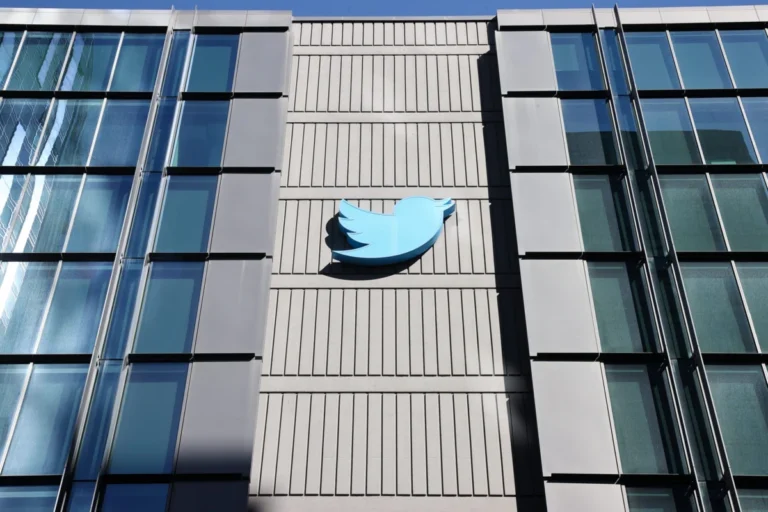
The intersection of global technology expansion and emerging markets reached a watershed moment in April 2021 when Twitter, under the leadership of co-founder and then-CEO Jack Dorsey, proudly announced its official entry into the African continent. Choosing Accra, Ghana, as the operational headquarters for its Africa team, the social media platform heralded a new era of inclusivity, aiming to deeply immerse itself in the vibrant communities driving public discourse across the region. However, this promising milestone devolved into corporate turbulence following Elon Musk’s high-stakes $44 billion acquisition of the company in late 2022. The subsequent restructuring, marked by sudden mass layoffs, localized communication breakdowns, and a stark lack of severance packages for the newly established Ghanaian workforce, transformed a historic tech investment into a cautionary tale about corporate equity, globalization, and the vulnerability of emerging regional offices during macroeconomic and ownership transitions.
The Genesis of Twitter Africa: A Historic Milestone in Accra
On April 12, 2021, tech spaces worldwide were electrified by a post from Jack Dorsey declaring that Twitter was officially establishing a presence on the African continent. Accompanied by a custom hashmoji featuring the colors of the Ghanaian flag, the announcement signaled a monumental shift in how Silicon Valley tech giants viewed emerging markets. Historically, major technology corporations engaged the African continent from afar, relying on localized hubs in Europe or North America to moderate content, handle partnerships, and manage user growth.
Twitter’s rationale for selecting Ghana as its continental headquarters was deeply rooted in the nation’s democratic credentials. In its official corporate blog post, the company praised Ghana as a champion for democracy, a supporter of free speech, online freedom, and an advocate for the open internet—values that aligned closely with Twitter’s core mission. Ghanaian President Nana Addo Dankwa Akufo-Addo enthusiastically welcomed the development, describing it in a social media thread as the beginning of a beautiful partnership vital for the rapid development of the country’s burgeoning technology sector.
Within weeks, recruitment began. Twitter successfully sourced local tech talent, building a lean and agile team that operated remotely for over a year. This localized hiring strategy offered tangible economic opportunities, allowing African professionals to influence platform policies, safety measures, and product features through direct regional insight. For many industry observers, Twitter’s African expansion served as a progressive case study, proving that multinational tech corporations could successfully decentralize operations and empower talent in developing markets.
The Leadership Transition: From Dorsey to Agrawal
Just seven months after the historic announcement regarding Twitter’s African expansion, the corporate landscape shifted dramatically. On November 29, 2021, Jack Dorsey announced his resignation as CEO, stating he was stepping down to allow the company to move forward. Dorsey’s departure followed internal tensions with the board of directors, who had grown critical of his dual-CEO role managing both Twitter and his financial services firm, Block (formerly Square).
In his resignation email, Dorsey handpicked Parag Agrawal, then-Chief Technology Officer, as his successor, praising Agrawal’s deep understanding of the company and its operational needs. Agrawal assumed leadership during a delicate financial period. While his initial transition was marked by a calm, approachable demeanor—including interactions with prominent African tech advocates like Microsoft project manager Ivy Barley via Twitter Spaces—Agrawal quickly recognized the need for decisive operational changes.
By May 2022, Agrawal implemented strict cost-cutting measures, firing two top executives—General Manager of Revenue Bruce Falck and Consumer Product Leader Kayvon Beykpour—while instituting a company-wide hiring freeze. However, Agrawal’s internal restructuring efforts were rapidly overshadowed by an unprecedented external disruption: Elon Musk’s hostile takeover bid.
The $44 Billion Acquisition Saga and Executive Clashes
On April 14, 2022, regulatory filings revealed that Tesla CEO Elon Musk had offered to acquire Twitter for $44 billion in an outright cash purchase to take the company private. The acquisition bid was the culmination of months of complex maneuvering, which began when Musk quietly accumulated a significant equity stake in the social media platform and initially discussed joining the board of directors.
After a brief flirtation with a board seat, Musk abruptly reversed course, declining the position and launching an aggressive buyout offer. What followed was a protracted, drama-filled corporate battle. By July 8, 2022, Musk attempted to terminate the acquisition agreement, citing disputes over the exact proportion of fake accounts and automated bots operating on the platform.
During this period of intense uncertainty, internal communications revealed deep friction between incoming ownership and executive leadership. Court proceedings later unveiled text message exchanges where Parag Agrawal warned Musk that his public criticisms and critical commentary regarding Twitter’s operational viability were severely harming internal employee morale and distracting staff from critical engineering work. Musk retorted dismissively, questioning Agrawal’s weekly output and declaring board participation a waste of time.
As the legal dispute escalated, Twitter filed a lawsuit in the Delaware Court of Chancery to compel Musk to honor the original $44 billion acquisition agreement. Facing a high-stakes trial, Musk ultimately capitulated, reversing his position days before court proceedings were set to begin. On October 27, 2022, the acquisition was finalized, and Elon Musk assumed control of Twitter, immediately ousting Parag Agrawal, legal policy chief Vijaya Gadde, and Chief Financial Officer Ned Segal.
Mass Layoffs and the Immediate Impact on the Workforce
Musk’s ascension to leadership triggered an immediate and aggressive corporate restructuring. Citing unsustainable financial losses exceeding $4 million per day, the new owner initiated a massive reduction in force, eliminating approximately 50% of Twitter’s 7,500-employee global workforce on November 4, 2022.
The layoffs were executed with unprecedented swiftness and severity. Employees across various time zones reported losing access to corporate email accounts, Slack channels, and internal networks overnight. The transition was reflected on the platform itself, as trending hashtags shifted rapidly from #LoveWhereYouWork to retrospective sentiments like #LoveWhereYouWorked and #LoveWhoYouWorkedWith.
In an effort to justify the drastic cuts, Musk stated publicly that every departing employee had been offered three months of severance pay, representing a package 50% more generous than legally mandated minimums. However, this broad corporate assurance failed to account for the unique operational realities of Twitter’s newly minted international subsidiaries, most notably the newly established African headquarters in Accra.
The Collapse of Twitter Africa: A Public Relations Gimmick?
Just days before the global layoffs, Twitter’s African team celebrated a major milestone. On November 1, 2022, senior personnel, including Senior Partner Manager Bernard Kafui Sokpe, proudly announced the official opening of the physical office space in Accra, Ghana, transitioning the team from remote work to a centralized physical hub.
The celebration was short-lived. On November 4, 2022, virtually the entire Africa-based team received termination notices. Unlike their North American and European counterparts, the manner of their dismissal drew intense global condemnation. According to investigative reports by CNN and statements from former high-ranking Twitter executives, the African employees did not receive individual, tailored exit counseling, nor did they initially receive the promised three-month severance packages.
Instead, affected staff members woke up locked out of their professional accounts and received automated termination emails sent from the Director of People Services at Twitter’s Dublin office in Ireland. The communication cited corporate reorganization and cost-reduction mandates, stating that their final employment date would be December 4, 2022, spent entirely on garden leave.
The sudden dismantling of the African hub sparked outrage across the international tech community. Prominent former executives, including former Global Head of Social and Editorial Alphonzo Terrell and former Global Vice President of Partners and Marketing Lara Cohen, publicly challenged Jack Dorsey on the platform, demanding to know whether the abandonment of the Ghanaian team aligned with his stated commitment to the continent. Critics argued that the rapid establishment and subsequent dissolution of Twitter Africa exposed a superficial approach to emerging markets, reducing a genuine developmental initiative to a temporary public relations maneuver.
Broader Implications for Big Tech and Emerging Markets
The collapse of Twitter’s African operations under Elon Musk’s leadership extends far beyond corporate downsizing; it serves as a critical case study regarding the unequal treatment of regional talent within multinational corporations. When tech conglomerates establish offices in the Global South, those investments are frequently championed as monumental leaps toward global digital equity. However, the abruptness of the Accra office closure demonstrates that regional operations remain acutely vulnerable to arbitrary centralized decision-making, cost-cutting mandates, and cultural disconnects at executive levels.
Furthermore, the operational chaos following Musk’s takeover—characterized by advertiser flight, widespread impersonation issues resulting from flawed verification rollouts, and the departure of key content moderation and safety executives—fundamentally altered the platform’s ecosystem.
Ultimately, Twitter’s brief venture into Africa and its subsequent, unceremonious rollback leaves a lasting blemish on the platform’s legacy of global expansion. For the burgeoning tech ecosystem in Ghana and across the African continent, the episode underscores the persistent challenges of relying on foreign multinational corporations for sustainable local economic integration, reinforcing calls for indigenous technological self-reliance and more equitable corporate governance in the digital age.