The World Health Organization (WHO) has issued a stark warning regarding the state of global nutrition, revealing that nearly 2.7 billion people—more than a third of the human population—remain unable to afford the minimum diet required for maintaining good health. Despite a marginal improvement in global food access over the last two years, the international health body emphasizes that the pace of progress is dangerously slow, leaving billions vulnerable to chronic disease, developmental delays, and acute malnutrition.
In a comprehensive video statement released via the social media platform X, WHO Director-General Tedros Ghebreyesus highlighted the precarious nature of global food security. While he acknowledged that approximately 200 million more people were able to afford a healthy diet in 2023 compared to 2021, he maintained that the current trajectory is insufficient to meet global health targets. The Director-General’s remarks underscore a growing divide between global food production capabilities and the actual economic accessibility of nutritious meals for the world’s most vulnerable populations.
The crisis is characterized by a profound geographical imbalance. Africa remains the epicenter of this nutritional emergency, with nearly two-thirds of the continent’s population priced out of a balanced diet. This regional disparity highlights the systemic failures in local food systems, the impact of volatile global markets, and the devastating consequences of localized instability.
The Economic Barrier to Human Health
At the heart of the WHO’s warning is the distinction between caloric intake and nutritional adequacy. While global efforts have historically focused on "ending hunger" through the provision of staple grains, the WHO is now sounding the alarm on "nutritional poverty." A healthy diet, as defined by international standards, includes a diverse range of food groups, including fruits, vegetables, legumes, nuts, whole grains, and lean proteins.
The cost of these nutrient-dense foods has skyrocketed globally, driven by a "polycrisis" of factors including the lingering effects of the COVID-19 pandemic, the disruption of grain and fertilizer exports due to the Russia-Ukraine war, and localized currency devaluations. For many families in developing economies, the cost of a healthy diet is often four to five times higher than a diet that merely meets energy requirements through starchy staples.
Mr. Ghebreyesus noted that while the world is producing enough food, the mechanisms of distribution and the economics of affordability are failing the poor. The 200 million people who gained access to better diets recently represent a recovery from the depths of the 2020-2021 economic lockdowns, but the total number of those excluded remains higher than pre-pandemic levels in many regions.
Africa: The Heaviest Burden of Nutritional Inequality
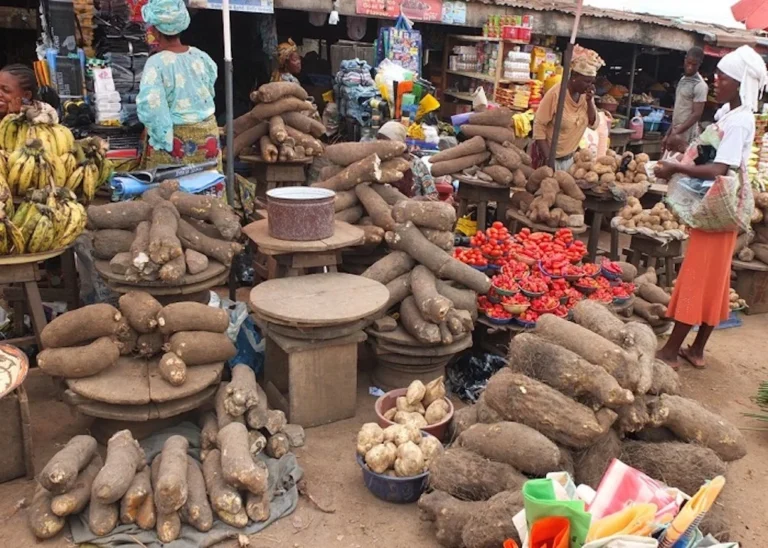
The WHO’s data paints a grim picture for the African continent. With about 66% of the population unable to afford a healthy diet, Africa faces a generational threat. The high cost of nutritious food in Africa is not merely a matter of supply; it is intertwined with crumbling infrastructure, lack of cold-chain storage for perishables, and an over-reliance on imported food items.
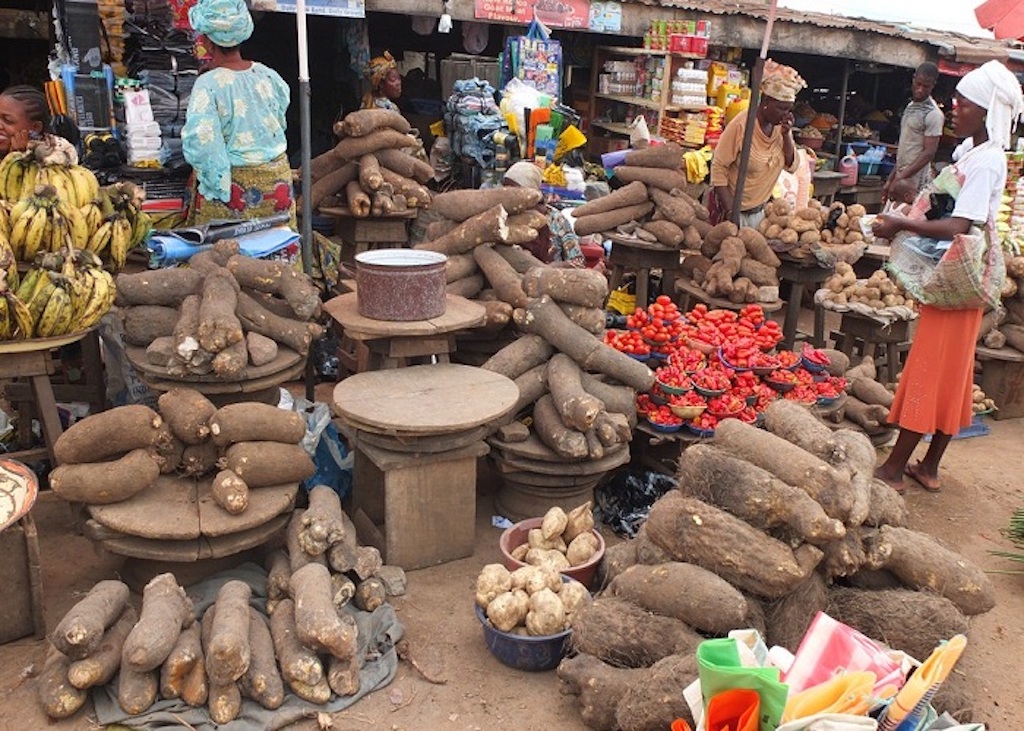
In many African nations, the "cost of a healthy diet" (CoHD) exceeds the total daily income of average households. This forces families to make "nutritional trade-offs," opting for cheaper, ultra-processed foods high in sugar and salt, or relying solely on a single staple crop like maize, cassava, or rice. This phenomenon has led to a "double burden of malnutrition," where undernutrition and obesity coexist within the same communities—and sometimes even the same households.
The situation is further exacerbated in "vulnerable settings" where conflict and displacement are prevalent. In regions like the Sahel, the Horn of Africa, and the Lake Chad Basin, the intersection of climate change-induced droughts and armed insurgency has decimated local agriculture. When farmers cannot plant and herders cannot move, the supply of fresh proteins and vegetables vanishes, leading to unprecedented levels of acute malnutrition, particularly among children under the age of five.
The Nigerian Context: A Microcosm of Global Struggle
Nigeria, Africa’s most populous nation, serves as a critical case study for these global trends. The country is currently grappling with some of its highest food inflation rates in decades. According to the National Bureau of Statistics (NBS), food inflation has remained a primary driver of headline inflation, with the prices of essential proteins like eggs, fish, and meat rising beyond the reach of the average citizen.
A balanced diet in Nigeria—typically consisting of carbohydrates (yam, rice, or cassava), proteins (beans, fish, or beef), healthy fats, and a variety of local vegetables—has become a luxury. The NBS reports indicate that even as the rate of inflation shows occasional signs of slowing, the absolute prices of nutrient-rich foods remain prohibitive.
The consequences of this affordability crisis are evident in the Nigeria Demographic and Health Survey (NDHS) 2023–24. The data shows that approximately 40% of Nigerian children under five are stunted—a condition resulting from chronic malnutrition that leads to permanent physical and cognitive limitations. Furthermore, 8% of children suffer from wasting (low weight-for-height), a sign of acute nutritional distress that carries a high risk of mortality.
Insecurity remains the "X-factor" in Nigeria’s nutrition crisis. In the North-east and North-central "food basket" regions, persistent conflict between farmers and herders, as well as banditry, has forced millions of farmers into Internally Displaced Persons (IDP) camps. This has not only reduced the national food supply but has also disrupted the humanitarian corridors meant to deliver life-saving nutritional supplements to malnourished children.
Upstream Policy Actions: The WHO’s Roadmap
Director-General Ghebreyesus emphasized that responding to the immediate symptoms of malnutrition is not enough. He called for "upstream" interventions—policy changes that address the root causes of food inaccessibility. The WHO has outlined a multi-pronged strategy for governments to adopt:
- Fiscal Policies: Governments are encouraged to implement taxes on unhealthy foods and sugar-sweetened beverages while using the revenue to subsidize healthy options like fruits, vegetables, and pulses.
- Marketing Protections: There is an urgent need for legislation to protect children from the aggressive marketing of industrially produced, ultra-processed foods that are high in trans fats and sugars.
- Nutritional Labeling: The introduction of clear, front-of-pack nutrition labeling is recommended to help consumers make informed choices in an increasingly complex food environment.
- Food Reformulation: Collaborating with the food industry to reduce the levels of salt, sugar, and harmful fats in processed products can significantly improve public health outcomes without requiring drastic changes in consumer behavior.
- Strengthening Primary Healthcare: Malnutrition should be integrated into primary healthcare systems, allowing for the early detection and management of stunting and wasting before they become life-threatening.
- Support for Breastfeeding: Promoting and protecting breastfeeding remains the most cost-effective way to ensure a healthy start for infants, providing essential nutrients and immunity that cannot be replicated by formula.
The Broader Impact and Economic Implications
The inability of 2.7 billion people to afford a healthy diet is not just a humanitarian crisis; it is a profound economic one. Malnutrition costs the global economy trillions of dollars every year in lost productivity and healthcare expenses. Stunted children are less likely to perform well in school and more likely to have lower earnings as adults, perpetuating a cycle of poverty.

Furthermore, the lack of access to healthy diets is a primary driver of the global rise in Non-Communicable Diseases (NCDs) such as Type 2 diabetes, hypertension, and cardiovascular diseases. These conditions place an immense strain on the healthcare budgets of developing nations, which are already struggling to manage infectious diseases like malaria and tuberculosis.
Economists argue that investing in nutrition provides one of the highest returns on investment in international development. For every dollar spent on nutrition interventions, there is an estimated $16 return in improved health and economic productivity.
A Call for Global Solidarity
The WHO’s warning serves as a call to action for international donors, national governments, and the private sector. The Director-General’s message was clear: "Healthy diets should not be a luxury. They are the foundation of health, and they should be within everyone’s reach."
As the world moves toward the 2030 deadline for the United Nations Sustainable Development Goals (SDGs), particularly Goal 2 (Zero Hunger), the current data suggests that the world is off-track. The transition from "filling stomachs" to "nourishing bodies" requires a fundamental shift in how food systems are governed.
The international community is now looking toward upcoming global summits, such as the G20 and the Nutrition for Growth (N4G) Summit, to secure firm financial commitments and policy shifts. Without a coordinated effort to lower the cost of nutritious food and stabilize conflict-ridden agricultural zones, the number of people unable to afford a healthy diet may continue to stagnate, leaving billions in a state of nutritional insecurity.
In conclusion, while the marginal improvement of 200 million people gaining access to better diets is a positive sign, it is overshadowed by the 2.7 billion still left behind. The crisis in Africa and the specific struggles in Nigeria underscore the urgency of the situation. The path forward requires more than just aid; it requires a systemic overhaul of the global food economy to ensure that the "foundation of health" is accessible to all, regardless of their geography or economic status.