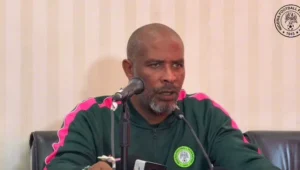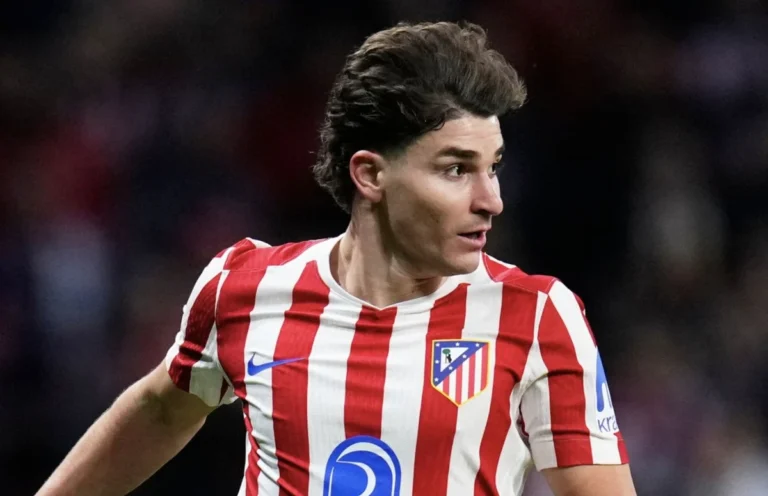
The declaration from one of the most respected figures in the history of the Civitas Metropolitano has brought the simmering tensions between the Argentine forward and the Atletico Madrid faithful to a boiling point. The controversy, which erupted during the 2026 FIFA World Cup, centers on Alvarez’s public push to engineer a transfer to La Liga rivals FC Barcelona, a move that Atletico Madrid’s hierarchy ultimately blocked to protect the club’s competitive integrity.
A Chronology of the Transfer Saga
The unrest began in the summer of 2026, a period already marked by the high-pressure environment of the FIFA World Cup. While the global tournament usually serves as a platform for individual excellence, for Julian Alvarez, it became the stage for a dramatic shift in his professional allegiances. Reports surfaced during the tournament that the Argentine striker, then a key component of Diego Simeone’s attacking setup, had instructed his representatives to facilitate a move to the Catalan giants.
This maneuver caught the Atletico board off guard. Unlike typical transfer negotiations, which occur behind closed doors, the public nature of Alvarez’s desire to join a direct rival damaged his rapport with the fans. By the time the transfer window reached its final weeks, the relationship had deteriorated to the point where the player was greeted with audible jeers and whistles at the Metropolitano. Despite the pressure, Atletico Madrid stood firm. The club refused to entertain any bids from Barcelona, prioritizing the need to maintain a squad capable of challenging for both domestic and European honors.
Diego Godin’s Critique and the Weight of History
Diego Godin, who served as a defensive cornerstone and leader for Atletico Madrid for nine seasons, did not mince words during his appearance on Onda Cero’s Radioestadio Noche. Speaking with the authority of a former captain, Godin categorized the situation as a profound betrayal of the club’s identity.
“It’s a very complicated situation, as it’s been like all summer, it’s not easy to handle,” Godin stated. “Seeing him declare he wants to leave isn’t easy. For a fan, it’s like a stab in the back. Hearing your best player say he wants to leave is never pleasant.”
Godin’s perspective is particularly poignant given his history with the club. He was a central figure during the Simeone era that saw Atletico break the duopoly of Real Madrid and Barcelona. His words reflect the "cholismo" philosophy—a mindset built on sacrifice, loyalty, and the collective over the individual. By highlighting the burden placed on teammates like Koke and manager Diego Simeone, who have been forced to act as public buffers for Alvarez, Godin underscored the damage done to the dressing room’s internal cohesion.
The Challenge of Reconciliation
The difficulty of the path ahead for Alvarez is best illustrated by the precedent of Antoine Griezmann. The French international endured a notoriously frosty relationship with the Atletico fanbase following his controversial departure to Barcelona in 2019. Upon his return, Griezmann was met with hostility, requiring years of consistent performance, public humility, and eventual match-winning contributions to regain the trust of the supporters.
Godin acknowledged this difficulty, noting that while he does not believe Alvarez is a "bad person," the Argentine must now undertake the grueling process of winning back the hearts of those who pay to watch him perform. The club’s decision to keep him, despite his stated desire to leave, has effectively placed the ball in the player’s court. Whether he can perform under the intense scrutiny of a skeptical home crowd will be the defining narrative of his current tenure at the club.

Analytical Implications: Squad Dynamics and Market Value
From a tactical and financial standpoint, the attempted transfer has created significant friction. Atletico Madrid operates with a unique financial structure that relies heavily on the emotional buy-in of its season-ticket holders. When a marquee signing attempts to force an exit to a direct rival, the club faces a dual threat: the potential loss of a high-value asset and a destabilized locker room.
Statistically, Alvarez remains one of the most potent attacking threats in La Liga. His ability to find space, his work rate in the high press, and his clinical finishing are attributes that any manager would desire. However, the psychological toll of the failed transfer cannot be ignored. Players are human assets, and when their professional ambition clashes with the identity of the club, performance levels often fluctuate.
Furthermore, the club’s refusal to sell to Barcelona served a strategic purpose. Strengthening a direct title rival by offloading a star player is rarely a prudent decision, even if the fee is significant. By retaining Alvarez, Atletico has secured his services for the immediate future, but they have also assumed the risk of keeping a player who may not be fully committed to the long-term project.
Internal Club Management
The role of Diego Simeone in this saga is critical. As the longest-serving manager in the club’s modern history, Simeone is accustomed to handling volatile personalities and transfer rumors. However, the public nature of this specific incident has tested his ability to manage the squad’s morale. By consistently defending Alvarez in press conferences, Simeone has sought to shield the player from further vitriol, likely hoping that on-field success will naturally silence the critics.
Teammates, including captain Koke, have also been forced to navigate the media landscape, often reiterating the need for unity. Yet, the underlying tension remains palpable. The upcoming matches will be a barometer for the fans’ forgiveness. In European football, supporters are often pragmatic; if the goals continue to flow, the bitterness of the summer may fade. Conversely, any prolonged period of poor performance will undoubtedly serve as a catalyst for renewed protests against the striker.
Broader Context of Player Power
The Alvarez situation is a microcosm of a wider trend in modern football: the increasing influence of player agencies and the tendency for high-profile athletes to use the public sphere to force contractual resolutions. This "transfer request culture" often clashes with the traditional, community-based values of clubs like Atletico Madrid.
As the season progresses, all eyes will be on how Alvarez navigates the pressure. He is no longer just a striker for the Rojiblancos; he is a player under observation. The expectations are high, and the margin for error is non-existent. For the club, the focus must shift from the trauma of the summer to the reality of the league table.
Ultimately, the words of Diego Godin serve as a stark reminder of the stakes involved. Football is more than just a business transaction; it is a relationship built on loyalty. For Julian Alvarez, the road to redemption is paved with high-stakes performances and the persistent need to prove that his commitment to the crest is as strong as his desire to succeed. Whether that redemption is achievable in the current climate remains one of the most compelling subplots of the 2026/2027 season.