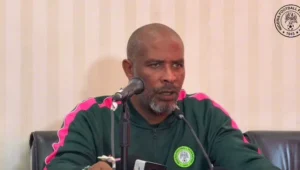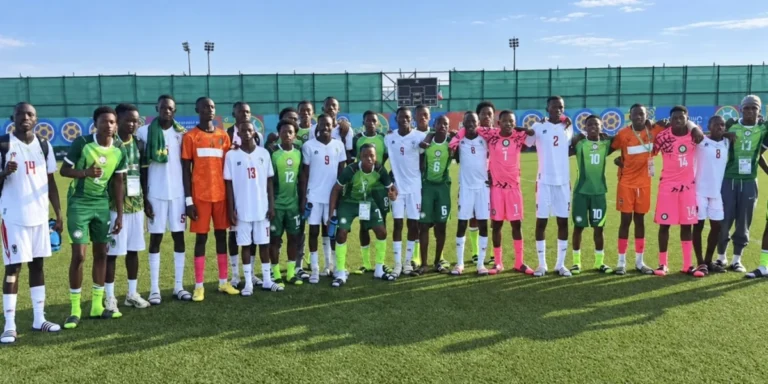
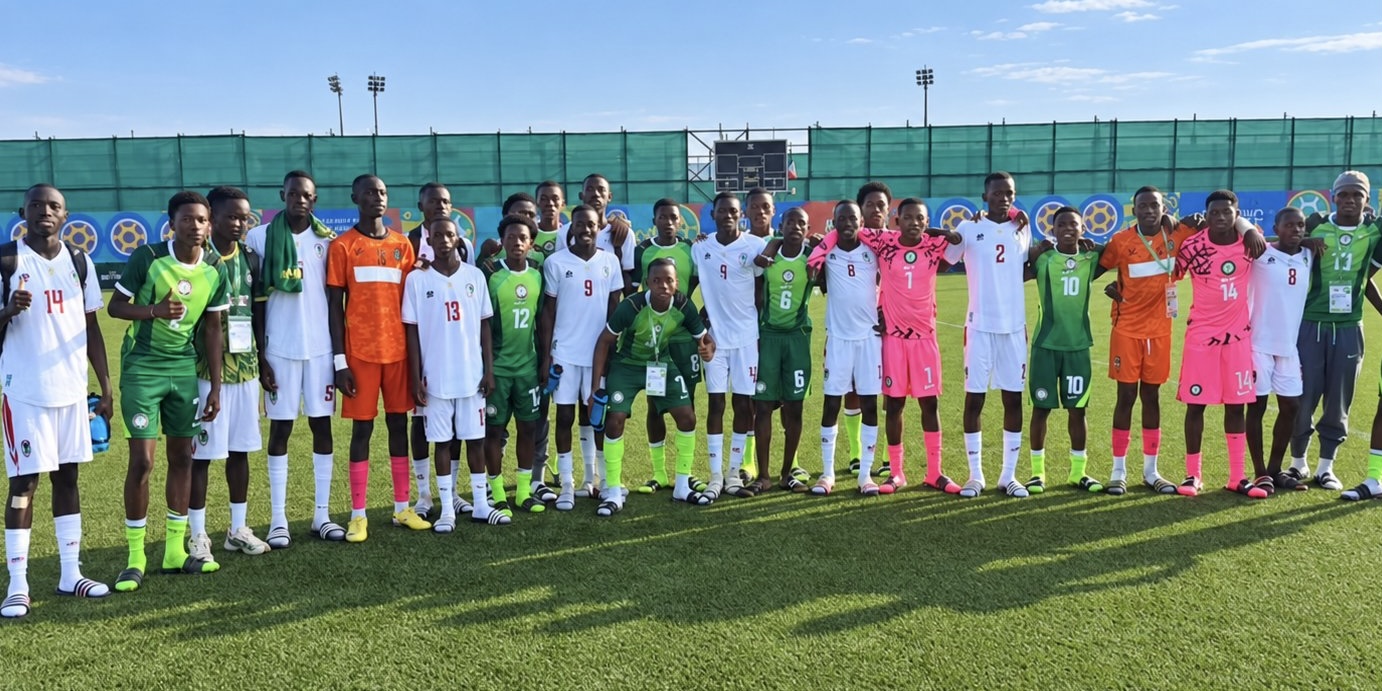
Nigeria’s youth football prospects, known as the Future Eagles, opened their account at the inaugural FIFA U15 World Cup and Festival in Baku, Azerbaijan, with a pulsating 3-3 draw against a resilient South Sudan side. The contest, held at the Hovsan Competition Complex, served as the curtain-raiser for Group AD, providing a high-octane introduction to this groundbreaking global youth tournament. Under the guidance of head coach Patrick Bassey, the Nigerian squad showcased flashes of technical brilliance and tactical adaptability, though they were forced to display significant character after trailing the "Bright Stars" on two separate occasions throughout the high-intensity 40-minute encounter.
A New Era for Global Youth Football
The FIFA U15 World Cup and Festival represents a paradigm shift in how international football governing bodies approach youth development. Approved by the FIFA Council in December 2025, the tournament was designed to foster growth, inclusivity, and technical proficiency among the world’s youngest national team players. By implementing a small-sided, eight-a-side format—consisting of two 20-minute halves—FIFA has prioritized rapid ball circulation, individual flair, and high-frequency decision-making.
This inaugural edition, hosted by Azerbaijan, is historic in scale. With 189 member associations participating, it stands as the largest single tournament ever organized by the global governing body. The objective is clear: provide a developmental bridge for players transitioning into professional academies, ensuring that national team philosophies are instilled at the foundational level. For the Future Eagles, who arrived in Baku with a streamlined 14-man squad supported by six officials, the tournament is not merely about trophies, but about integrating young talent into the international competitive pipeline.
Chronology of the Group AD Opener
The match against South Sudan was defined by a frantic pace that challenged the physical endurance of the young participants. South Sudan, making their first-ever appearance at a FIFA World Cup tournament at any level, entered the fray with palpable intensity, looking to disrupt Nigeria’s rhythm early.
The Future Eagles started the game with an aggressive press, attempting to control the midfield through quick, short passing sequences. However, the Bright Stars exploited the open nature of the eight-a-side format, countering with direct, vertical balls that repeatedly tested the Nigerian defensive line. The scoreline fluctuated throughout the first half, with both sides trading blows. Nigeria’s ability to equalize twice demonstrated the composure instilled by Coach Bassey, even when facing a team playing with the defensive grit and emotional vigor of a nation marking its tournament debut. By the time the final whistle blew, both teams were visibly exhausted, reflecting the demanding nature of the small-sided, high-intensity format that FIFA has mandated for this age group.
Tournament Logistics and Group Dynamics
Nigeria finds itself in a challenging Group AD, which also includes Jordan, The Gambia, Cyprus, and Pakistan. The tournament format is designed to be exhaustive, ensuring every participating nation receives maximum exposure to international competition. Each team is expected to play approximately nine matches during the festival, an approach intended to minimize the pressure of single-elimination formats while maximizing playing time for every squad member.
The schedule for the Future Eagles is particularly rigorous. Following the opening draw, the squad faces an immediate turnaround. Sunday presents a grueling double-header: a morning clash against Jordan at 9:45 am Nigerian time, followed by an afternoon encounter against The Gambia at 4:30 pm. These back-to-back fixtures will test the depth and fitness of the 14-man roster. The group stage concludes on Monday with matches against Cyprus and Pakistan.
The outcome of these five matches will dictate the placement of the Future Eagles in the second phase of the tournament, scheduled for October 28 and 29. The subsequent tier finals, where teams will be grouped based on their performance rankings, are set for October 30, bringing the inaugural festival to a close.
Tactical Implications and Developmental Goals
The performance of the Future Eagles in Baku provides observers and scouts with a vital snapshot of the current state of Nigerian youth development. Coach Patrick Bassey’s strategy of utilizing a 14-man squad suggests a focus on versatility, requiring players to adapt to multiple roles within the eight-a-side structure. Unlike the traditional 11-a-side game, the eight-a-side format places a premium on ball retention and spatial awareness. The defensive lapses noted during the 3-3 draw indicate that the team is still adjusting to the unique requirements of this format, particularly the speed of transition from attack to defense.
From a broader perspective, the participation of the Future Eagles is essential for the NFF (Nigeria Football Federation) in scouting the next generation of Super Eagles. International experience at the U15 level is widely considered a cornerstone for success at the U17 and U20 levels. By competing against diverse styles—from the direct play of South Sudan to the potential technical approaches of European sides like Cyprus—the Nigerian players are gaining a tactical education that cannot be replicated in domestic youth leagues.
FIFA’s Strategic Vision
The decision to host the U15 World Cup in Baku highlights Azerbaijan’s growing influence as a hub for international sports events. With matches running from October 24 to 30, the city has been transformed into a hive of activity, hosting hundreds of young athletes from across the globe.
FIFA’s commitment to this project is evidenced by the scale of the organization. By involving 189 member associations, FIFA is essentially forcing a standardization of youth development across continents. For nations like Nigeria, the competition provides a platform to validate their youth academies and grassroots programs against the best in the world. As the tournament progresses, the focus will shift from the novelty of the festival format to the tactical maturation of the teams.
Looking Ahead: The Road to the Tier Finals
As the Future Eagles prepare for their upcoming fixtures, the objective remains consistency. The draw against South Sudan, while not the ideal start, serves as a "wake-up call" regarding the level of competition. The physical toll of playing two matches in a single day, as required by Sunday’s schedule, will likely be the deciding factor in whether Nigeria progresses to the upper tiers of the competition.
The coaching staff is expected to rotate the squad heavily to manage fatigue, ensuring that all 14 players contribute to the effort. The matches against Jordan and The Gambia will be critical; securing points in both would provide the necessary momentum to face more established programs like Cyprus. For the players, the pressure is immense, but the opportunity to represent their country on a global stage is an experience that will define their early careers.
Ultimately, the FIFA U15 World Cup and Festival is about more than just the final scoreline. It is about the professionalization of youth football and the creation of a global standard for excellence. As Nigeria continues its journey in Baku, the footballing world will be watching to see which of these young talents possesses the technical ability and mental fortitude to represent the future of their respective nations. For the Future Eagles, the campaign has only just begun, and the remaining group-stage matches offer a clear path to proving their pedigree on the world stage.