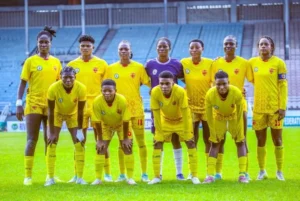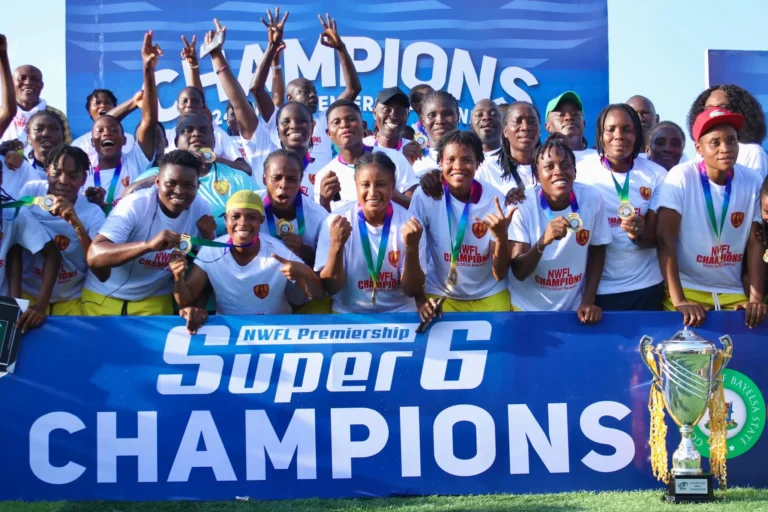
The landscape of West African women’s football has been dramatically altered following a landmark decision by the Confederation of African Football (CAF) to annul the conclusion of the WAFU B Champions League final. In an unprecedented move, the continental governing body has ordered Nigerian champions Edo Queens and Ghanaian side Ampem Darkoa to return to the pitch in Cairo on October 29 to contest 30 minutes of extra time. This ruling follows a successful petition filed by the Ghanaian club, which argued that match officials erroneously bypassed the mandatory extra-time period after the final ended in a 2-2 draw during regulation time.
The development represents a significant procedural correction for CAF, which has now mandated that the match be treated as an unfinished contest. While Edo Queens had initially celebrated a 4-1 victory in the subsequent penalty shootout, that result has been rendered void by the administrative oversight. The teams are now tasked with resuming play in Egypt to determine, through the crucible of extra time—and if necessary, a fresh penalty shootout—who will represent the region at the prestigious CAF Women’s Champions League.
A Chronology of the Disputed Final
The journey to this high-stakes rematch began with a tightly contested final match that showcased the technical prowess of both Nigerian and Ghanaian women’s football. Throughout the regulation 90 minutes, both Edo Queens and Ampem Darkoa exhibited high-intensity football, trading goals in a match that eventually locked at 2-2.
Under standard tournament regulations, a draw in a knockout final should be followed by 30 minutes of extra time, divided into two 15-minute halves. If the deadlock remains after those 30 minutes, the match is decided by a penalty shootout. In the initial encounter, however, the officiating crew proceeded directly to spot-kicks immediately after the final whistle of the second half.
Ampem Darkoa’s management acted swiftly, submitting a formal protest to CAF detailing the breach of competition protocol. The petition argued that their players were denied the opportunity to play for a win during the extra-time period, a crucial phase where tactical adjustments and physical endurance typically decide the outcome of major tournaments. Upon review, CAF’s disciplinary and organizing committees acknowledged the procedural error, ruling that the match could not be considered complete under the established rules of the WAFU B competition.
The Road to Cairo: Logistics and Preparation
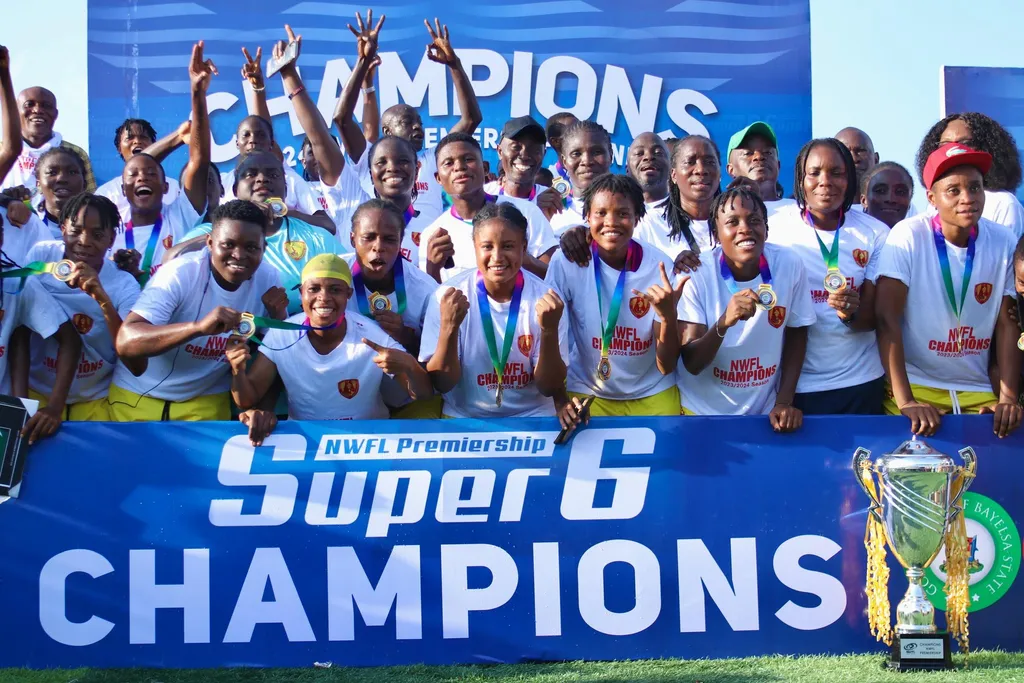
The decision to hold the replay in Cairo, a neutral venue, serves as a logistical reset for both clubs. For Edo Queens, the news was initially a bitter pill to swallow, given that they had already begun preparations for their continental campaign under the assumption that they had qualified. However, after intensive consultations involving the club’s board of directors, the Edo State Government, and the Nigeria Football Federation (NFF), the club opted to comply with the ruling rather than challenge it further in court.
The team is scheduled to depart for Cairo on October 26, giving them three days to acclimatize to the environment and refocus their physical and mental energy. The club’s management has emphasized a message of resilience, stating that their objective remains unchanged: to secure their spot in the CAF Women’s Champions League through grit and discipline. The NFF has signaled its support for the club, providing the necessary administrative backing to ensure the team can travel and compete at the highest level despite the disruptions to their training schedule.
The Stakes: A Ticket to the Continental Stage
The gravity of this 30-minute encounter cannot be overstated. The WAFU B Champions League serves as the primary qualification pathway for the CAF Women’s Champions League, a tournament that has rapidly become the flagship event for women’s club football on the continent. Qualification offers not only continental prestige but also significant financial rewards and the opportunity for players to showcase their talents on a global stage, often attracting interest from scouts representing European and North American leagues.
For Edo Queens, the stakes are existential. Having invested heavily in their squad and infrastructure, the prospect of losing their qualification spot due to a refereeing error has been a major point of contention. Conversely, for Ampem Darkoa, the ruling is a validation of their insistence on the rule of law within the sport. Both teams are now essentially starting a new, shortened match with the scores level, turning the final 30 minutes into a high-pressure sprint.
Tactical Implications of the Replay
From a tactical perspective, the 30-minute format creates a unique challenge for both coaching staffs. Usually, managers have the luxury of a full 90 minutes to execute a game plan, make substitutions, and adjust to the opponent’s rhythm. In a 30-minute segment, the margin for error is razor-thin.
Teams will likely prioritize high-intensity pressing and defensive discipline from the opening whistle. There is little room to "grow into the game." Coaches must decide whether to deploy their most aggressive attacking units early to secure a decisive goal or to play conservatively, aiming to keep the score level and force a penalty shootout. The psychological burden of knowing that a single lapse in concentration could end their Champions League aspirations will be a defining factor in how both sides approach the 30-minute block.
Broader Impact on Nigerian Women’s Football
This incident has sparked a wider conversation regarding the standards of officiating in regional African tournaments. The fact that an entire final was decided without the mandated extra-time period has raised concerns among football stakeholders about the training and oversight of match officials. While CAF has taken responsibility by ordering the replay, the logistical burden placed on the clubs—who must now manage travel, accommodation, and athlete welfare for a secondary trip—highlights the challenges faced by domestic clubs in Africa.
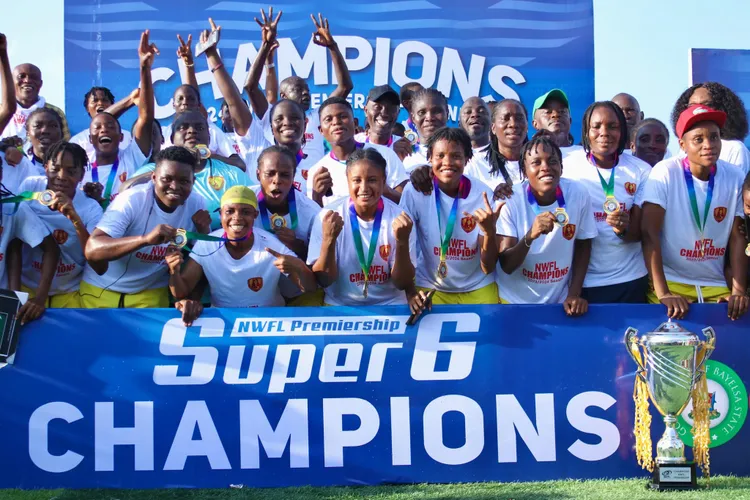
Despite the controversy, the resilience shown by Edo Queens in accepting the ruling has been noted by analysts as a sign of the club’s growing professionalism. By focusing on the pitch rather than engaging in a protracted legal battle, they have positioned themselves to reclaim the victory they feel they earned. The outcome on October 29 will undoubtedly be a defining moment in the history of the club and a test case for how regional federations manage disputed matches in the future.
Looking Ahead: The Final Countdown
As the date approaches, the eyes of the Nigerian football community will be fixed on Cairo. The match is not just a game; it is a test of character. Edo Queens will enter the pitch carrying the hopes of their state and the pressure of their previous "win" hanging over them. Ampem Darkoa will be looking to capitalize on their second chance to prove they belong in the top tier of African club football.
Whether the game is decided in the dying minutes of extra time or goes to a second penalty shootout, the event is set to be a historic footnote in the annals of the WAFU B competition. For now, the players are in the final stages of their preparations, fine-tuning their strategies and preparing for a match that will be remembered for its brevity and its immense significance. The 30 minutes in Cairo will determine who moves forward to represent the region and who must return to the drawing board, marking the end of a long, arduous, and highly unconventional final journey.