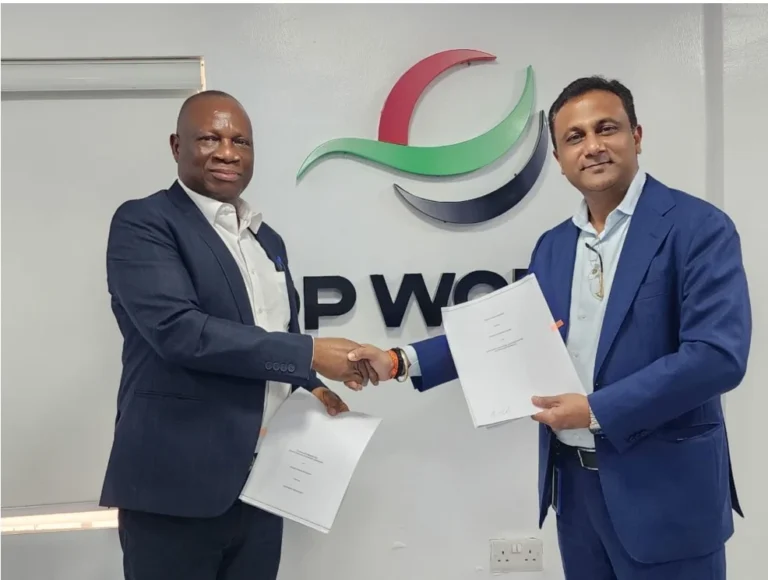
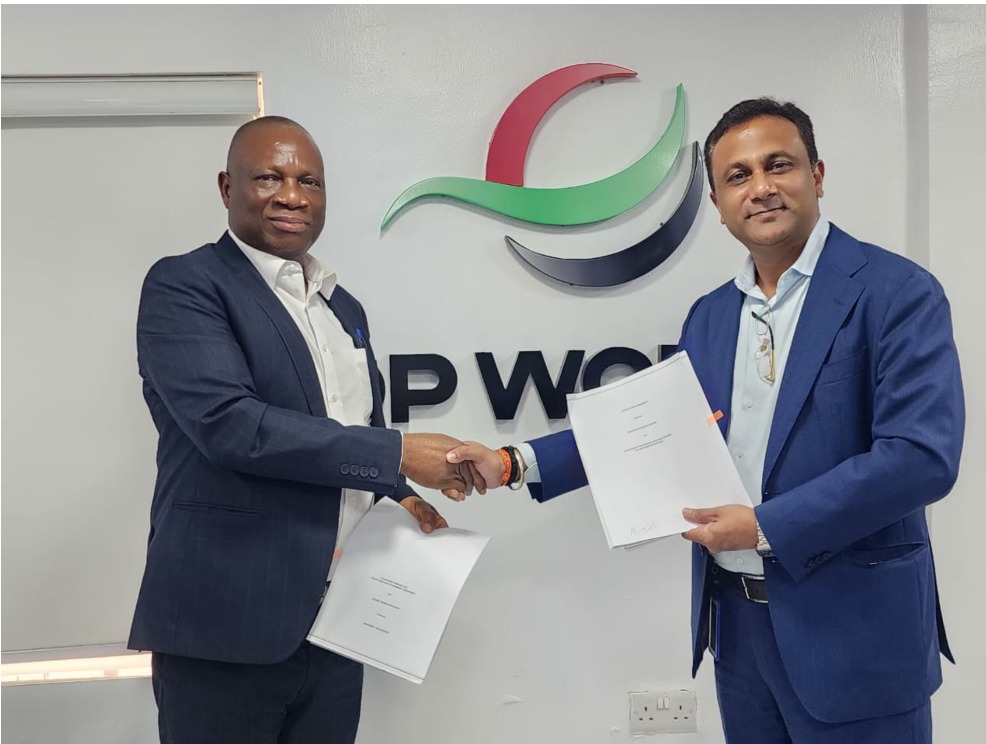
In a significant move to address the systemic challenges plaguing Nigeria’s pharmaceutical supply chain, DP World Healthcare Nigeria has entered into a landmark strategic partnership with indigenous manufacturer Miraflash Nigeria Limited. Formalized through a Memorandum of Understanding (MoU) signed on October 14, this collaboration is designed to integrate Miraflash’s extensive portfolio of locally manufactured medicines into DP World’s robust, technology-driven logistics and distribution network. By leveraging DP World’s existing infrastructure, the partnership aims to mitigate the historical hurdles of distribution, warehousing, and cold-chain integrity that have long hindered the domestic pharmaceutical industry.
Addressing the Infrastructure Gap in Nigerian Healthcare
The Nigerian pharmaceutical sector has historically struggled with a fragmented distribution network, which often leads to inconsistent product availability, increased costs for end-users, and the risk of compromising drug efficacy due to poor storage conditions. For over two decades, Miraflash Nigeria Limited has established itself as a reliable manufacturer, yet the company—like many others in the local market—has faced limitations in scaling its reach due to the high capital expenditure required for nation-wide logistics.
Chief Moses Oluwalade, Managing Director of Miraflash Nigeria Limited, highlighted that the collaboration is not merely a distribution agreement but a survival and growth strategy. He emphasized that in the current economic climate, the ability to manufacture quality medicine is only half the battle; the other half is ensuring that those medicines reach the patient in pristine condition. "Effective distribution is as important as manufacturing in healthcare delivery," Oluwalade noted. "Medicines require strict storage and handling conditions to maintain their quality and efficacy. Through DP World Healthcare’s warehouse network spanning Nigeria’s six geopolitical zones, we expect improved market accessibility, faster delivery timelines, and broader nationwide coverage."
The Strategic Value of DP World’s Logistics Ecosystem
DP World Healthcare brings over 25 years of specialized expertise to the table, positioning itself as an essential bridge between manufacturers and healthcare providers. With a focus on pharmaceutical-grade warehousing, regulatory affairs, and demand generation, the company serves as a comprehensive partner for pharmaceutical firms looking to streamline their operations.
Naveen Pala, Managing Director of DP World Healthcare Nigeria, described the partnership as a logical alignment of two entities committed to local empowerment. "Miraflash has built a strong reputation for quality and innovation in pharmaceutical manufacturing," Pala stated. "We are delighted to partner with the organization and support its next phase of growth through our robust distribution and healthcare infrastructure."
Currently, DP World Healthcare operates 11 state-of-the-art pharmaceutical warehouses across the country. The company has publicly declared an aggressive expansion roadmap, with plans to scale its facility footprint to between 15 and 20 locations within the next two years. This expansion is critical to the broader goal of decentralizing the healthcare supply chain, allowing for localized distribution that bypasses the logistical bottlenecks typical of the central hubs in Lagos and Abuja.
Chronology and Stakeholder Engagement
The formalization of this partnership followed months of high-level negotiations focused on integrating Miraflash’s operations into DP World’s existing digital tracking and supply chain management systems. The signing ceremony served as a convergence point for the leadership teams of both organizations, underscoring the strategic weight placed on this venture.
Key participants from the DP World leadership team included Gugulethu Mayisela, Vice President of Finance for Healthcare Africa; Mani Balasubramanian, Vice President of Finance for Healthcare West Africa; Shettipalli Chakradhar, Head of Finance; and Ananth Sigadapu, Business Unit Head. On the side of Miraflash, the agreement was solidified by the presence of Bode Ayenibiowo, Marketing Manager, and Yemi Akinwande, Quality Assurance Manager. This presence of high-level financial and technical oversight suggests that both parties are prioritizing long-term fiscal stability and rigorous quality control protocols.
Market Context: The Challenge of Domestic Pharmaceutical Supply
To understand the significance of this partnership, one must consider the broader context of the Nigerian pharmaceutical industry. According to industry reports from the Pharmaceutical Manufacturers Group of the Manufacturers Association of Nigeria (PMG-MAN), the local industry faces stiff competition from imported drugs, which often benefit from more streamlined, albeit informal, distribution networks.
Local manufacturers frequently cite the high cost of electricity and the lack of reliable cold-chain infrastructure as primary drivers of operational overhead. By offloading these logistical burdens to a specialized partner like DP World, companies like Miraflash can reallocate their capital toward Research and Development (R&D) and increasing production capacity. This symbiotic relationship is expected to create a model that other indigenous manufacturers may seek to replicate to remain competitive in an increasingly globalized market.
Economic and Public Health Implications
The implications of this partnership extend beyond the balance sheets of the two involved companies. From a public health perspective, improved distribution efficiency is directly correlated with better health outcomes. When pharmacies and hospitals receive consistent supplies, the risk of stockouts—particularly for essential medications—is significantly reduced.

Furthermore, the emphasis on cold-chain logistics is a critical development. Many modern pharmaceuticals, including vaccines and certain antibiotics, require precise temperature control. By utilizing DP World’s advanced cold-chain capabilities, the partnership ensures that the integrity of these sensitive products is maintained from the manufacturing site to the final point of sale.
From an economic standpoint, the integration of an indigenous manufacturer into a global logistics network helps bolster local production. As the Nigerian government continues to push for local content in the health sector to reduce dependence on imports, partnerships that strengthen the supply chain of local firms are viewed as vital components of national economic policy.
Future Projections and Scalability
As DP World moves toward its target of 20 warehouse facilities, the scalability of this partnership becomes apparent. The "one-stop-shop" approach—whereby a manufacturer can rely on a single entity to handle warehousing, regulatory compliance, and last-mile delivery—reduces the complexity for pharmaceutical firms.
If this model proves successful for Miraflash, it is likely to act as a catalyst for similar collaborations. Industry analysts observe that the move toward "decentralized distribution" is the future of African healthcare. By moving inventory closer to the end-user, DP World is effectively shortening the supply chain, which minimizes the transit time for time-sensitive medications and lowers the environmental and financial costs associated with long-haul trucking.
In the coming months, stakeholders will be looking for measurable improvements in product availability and market penetration for Miraflash products. The success of this MoU will likely be measured by the speed at which Miraflash is able to enter new, under-served regions in the North and East of Nigeria, where supply chain challenges are traditionally most acute.
Conclusion
The partnership between DP World Healthcare Nigeria and Miraflash Nigeria Limited represents a sophisticated alignment of manufacturing prowess and logistical capability. By addressing the critical infrastructure gap, the collaboration provides a blueprint for how Nigerian companies can navigate the complexities of the domestic market. With the combined expertise of both organizations, the initiative promises not only to streamline business operations but to contribute meaningfully to the accessibility and reliability of essential medicines for millions of Nigerians. As the pharmaceutical sector continues to evolve, such integrated solutions will be the hallmark of companies that successfully bridge the gap between production and patient care.