ANTALYA — More than twenty-four hours past its scheduled conclusion, the United Nations Climate Change Conference (COP31) remained deeply deadlocked as weary delegates, negotiators, and observers grappled with a deeply contentious new draft text. The latest iteration of the agreement stripped out explicit mentions of fossil fuels, sparking fury among climate-vulnerable nations, European Union member states, and progressive civil society groups. As the summit spilled deep into its overtime hours in Antalya, Turkey, the impasse threatened to produce the first UN climate summit without a final consensus decision document since COP6 held in The Hague in the year 2000.
The crisis unfolding at COP31 represents a dramatic regression from the diplomatic milestones achieved just three years prior at COP28 in Dubai, where nearly 200 nations historically agreed to transition away from fossil fuels. Since then, successive summits have faced intense geopolitical headwinds, culminating in a Turkish-hosted conference that critics argue has been heavily compromised by fossil fuel lobbies, petrostates, and shifting global political alignments.

Chronology of an Impasse: From Hope to Gridlock
The descent into crisis at COP31 followed weeks of intense pre-summit diplomacy and high expectations managed by co-hosts Turkey and Australia. Opening with grand pronouncements regarding global clean energy transitions and climate resilience, the conference quickly bogged down behind closed doors as negotiations over finance, mitigation, and energy policy hit insurmountable walls.
The timeline of the breakdown accelerated sharply mid-week:
- Thursday: The initial draft text circulated among delegations dropped a vital $120 billion target for adaptation finance, drawing immediate condemnation from the Africa Group and small island developing states.
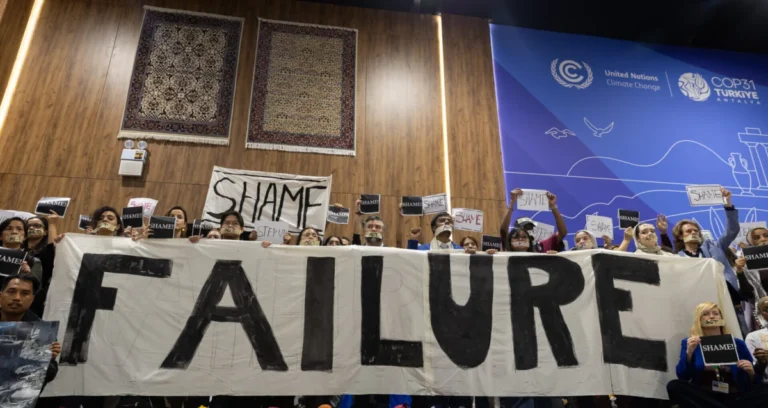
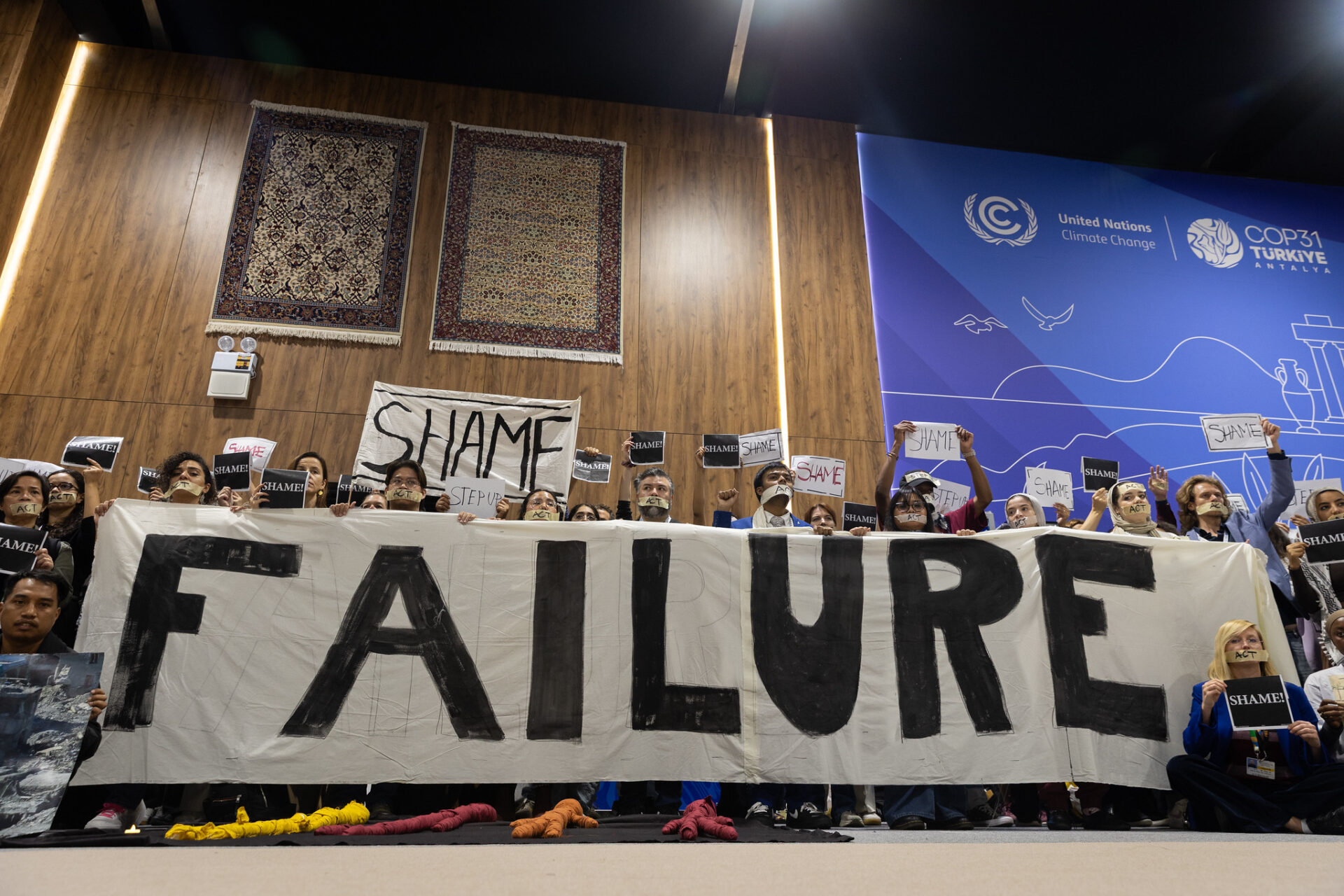
- Friday: A revised text was scheduled to be replaced by a third and final version ahead of the closing plenary. Instead, civil society demonstrations erupted at the opening of the closing plenary, forcing proceedings to be suspended until Saturday morning due to severe disputes over the watered-down draft.
- Friday Evening into Saturday: Emergency huddles and all-night negotiations failed to bridge the gap. Panama, backed by a vocal coalition of EU member states, fought desperately to reinsert fossil fuel language into the text to salvage the summit’s credibility. Meanwhile, petrostates and major energy-consuming nations successfully defended the omission of phase-out targets.
- Saturday Evening: Over 24 hours into overtime, delegates remained entrenched, with no clear path to consensus in sight as ministers and negotiators weighed the unprecedented prospect of a total summit failure.
The Fossil Fuel Stalemate and the Shadow of Global Superpowers
At the heart of the Antalya deadlock is a fundamental battle over the naming and phasing out of fossil fuels—oil, gas, and coal—which account for nearly 90% of global carbon dioxide emissions. While COP28 in Dubai explicitly established a mandate to transition away from these energy sources, subsequent negotiations at COP30 in Brazil and now COP31 have seen a systematic softening of language.
The current COP31 draft avoids any reference to a fossil fuel transition, speaking instead of an “irreversible global transition towards low greenhouse gas emissions and climate resilience.” Furthermore, it completely excises a planned “welcoming” of Brazil’s Transitioning Away From Fossil Fuels Roadmap and removes calls to phase out inefficient fossil fuel subsidies.
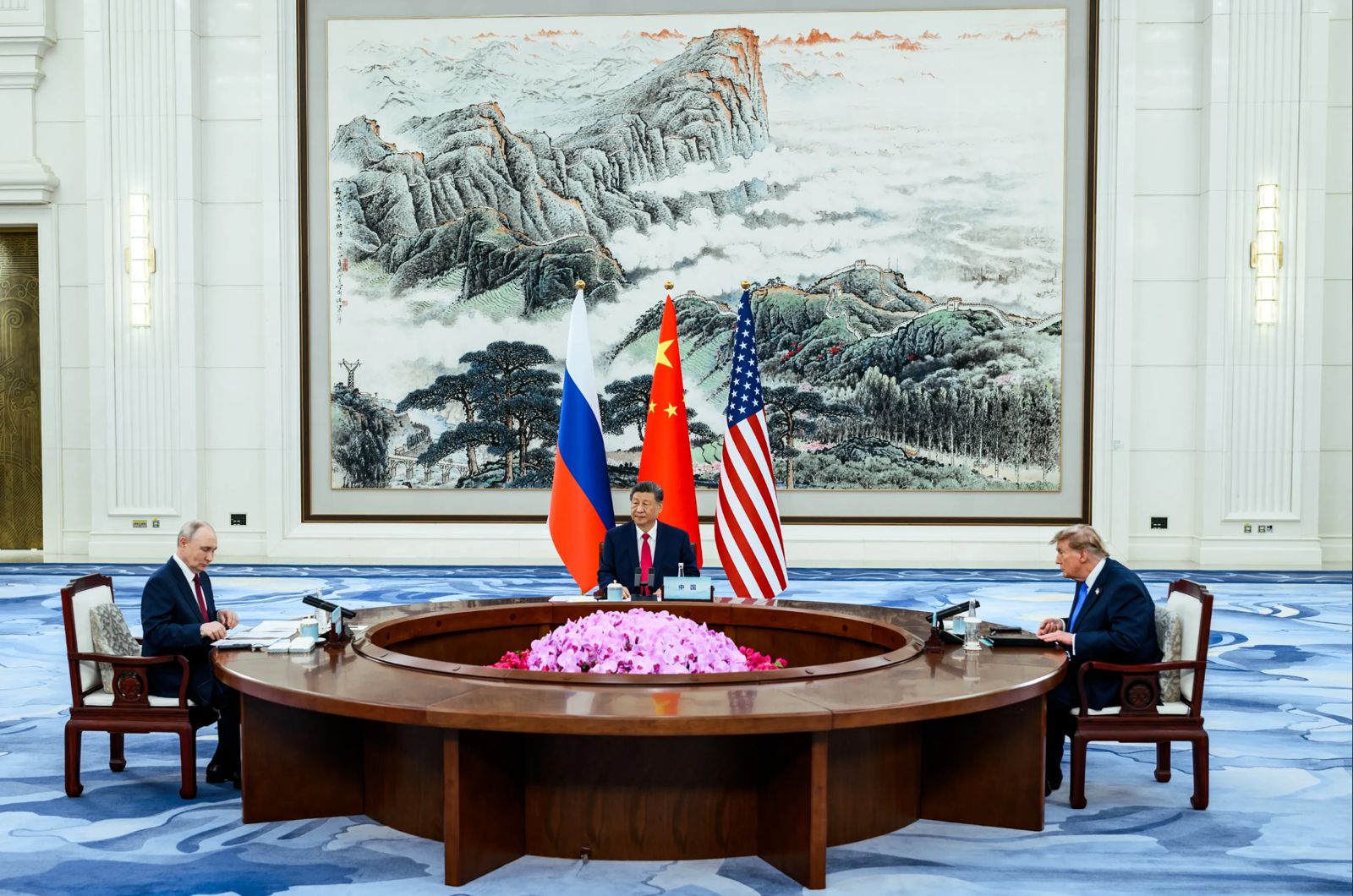
The resistance to robust climate language has been compounded by external geopolitical events. Just days prior to the Antalya plenary, a high-profile three-way summit in Shenzhen, China, brought together U.S. President Donald Trump, Chinese President Xi Jinping, and Russian President Vladimir Putin. In a joint statement that shocked climate negotiators, the leaders pledged to increase the production and supply of refined petroleum products.
European climate officials openly acknowledged the compounding difficulties this external pact introduced. “There are some that don’t want us to use the words fossil fuels at this COP,” German Environment Minister Carsten Schneider told reporters. “There are some who earn a lot of money with that.”
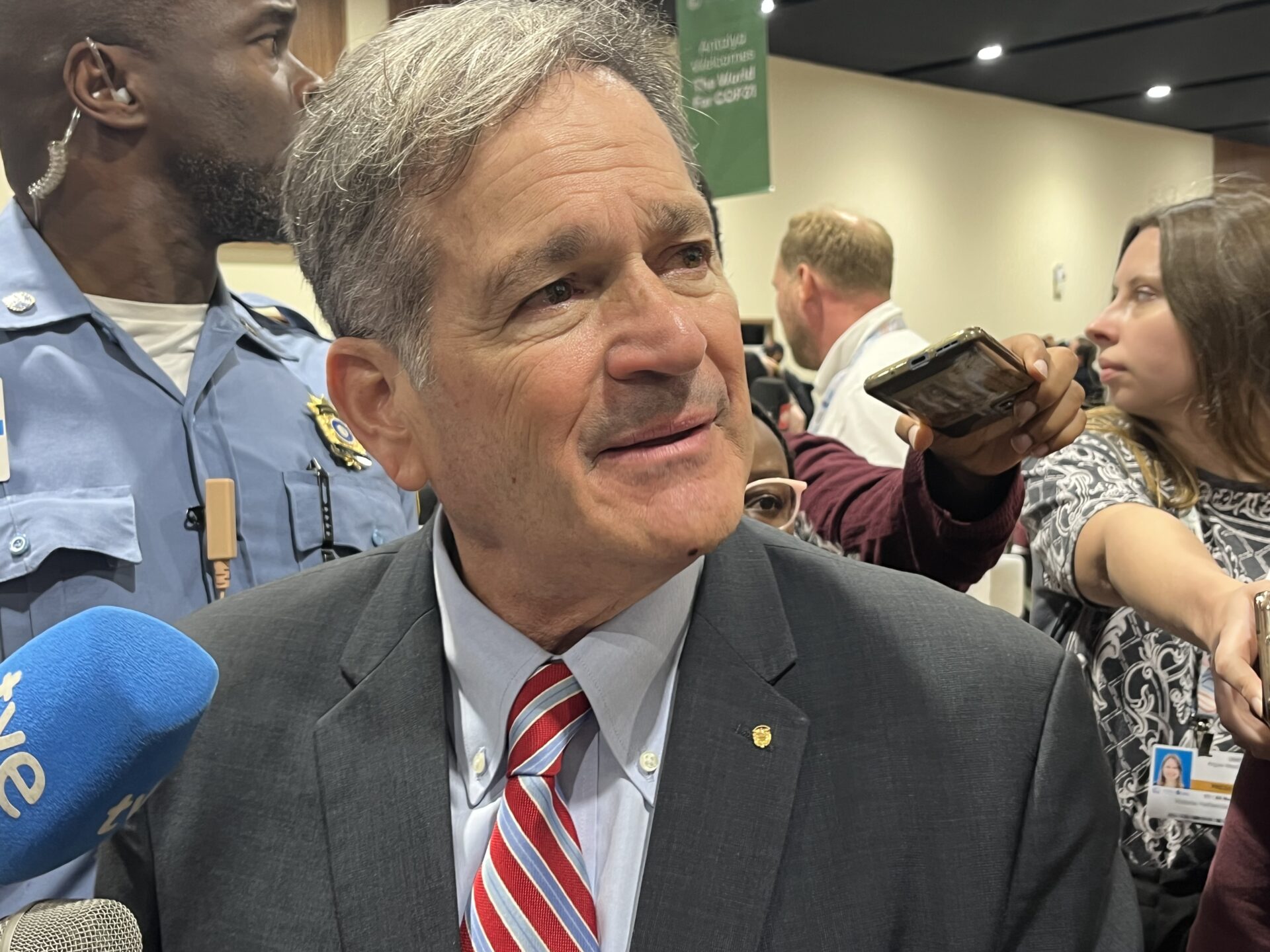
Juan Carlos Navarro, Panama’s Environment Minister, delivered a blistering critique of the summit’s dynamics, declaring that COP31 had been “hijacked by petroleum.” Navarro argued that the UN climate process is fundamentally broken by requiring absolute consensus, allowing a small minority of special interests and heavy polluters to paralyze global action. “We want this COP to be for our climate and not a playground for petroleum producers and consumers,” he stated.
Financial Commitments Fall Short Amid Escalating Climate Catastrophes
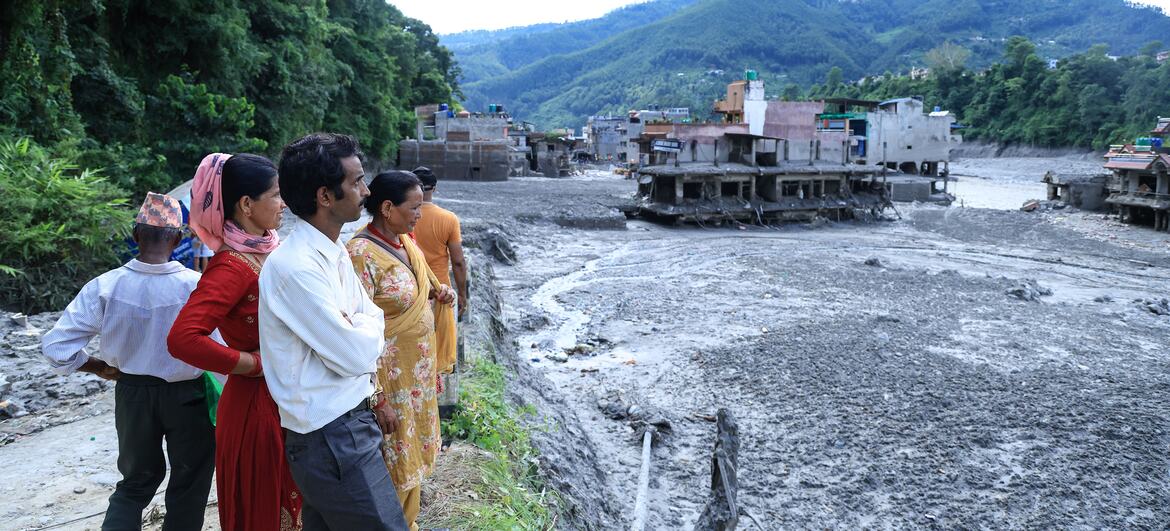
The procedural gridlock in Antalya is occurring against a backdrop of escalating, costly climate catastrophes worldwide. Recent disasters—including catastrophic glacier avalanches and flash floods in Nepal, severe drought emergencies across Pacific Island nations, and unprecedented North American wildfires—have underscored the urgent financial burden of climate change impacts.
Despite these mounting realities, mechanisms designed to address loss and damage remain profoundly underfunded. The Loss and Damage Fund, established with great fanfare at COP28 in 2023, faces over $2.8 billion in formal assistance requests but has received a mere $486 million, supplemented only by a modest €25 million pledge from the European Commission during the Antalya summit.
Similarly, adaptation finance remains a major point of contention. While the second draft text backs efforts to “at least triple adaptation finance by 2035,” it conspicuously omits a specific numeric dollar target, pushing implementation details into an “Antalya-to-Addis Ababa Roadmap” for next year’s COP32 in Ethiopia. This omission occurs while independent estimates place current adaptation finance needs at approximately $305 billion annually.
Zanetor Agyeman-Rawlings, chair of the African Group of Negotiators, voiced deep frustration on behalf of developing nations. “We didn’t come here to beg,” she said. “We came here to claim what is rightfully ours for our people who are suffering the brunt of anthropogenic activities of developed countries. Africa is not a continent merely seeking assistance; we are asking the developed countries to keep promises that they already made.”
Health and Public Safety References Diluted
Public health advocates attending COP31 suffered significant setbacks as the negotiation drafts were systematically scrubbed of disease-specific and pollution-related metrics.
An initial standalone health paragraph—which had been celebrated as a major symbolic victory for explicitly linking global warming to the proliferation of vector-waterborne diseases such as malaria, dengue, and cholera—was entirely rewritten. The revised text condenses health considerations into a single, generic sentence referencing “physical and mental health” and “climate-resilient health systems,” omitting all specific disease names.
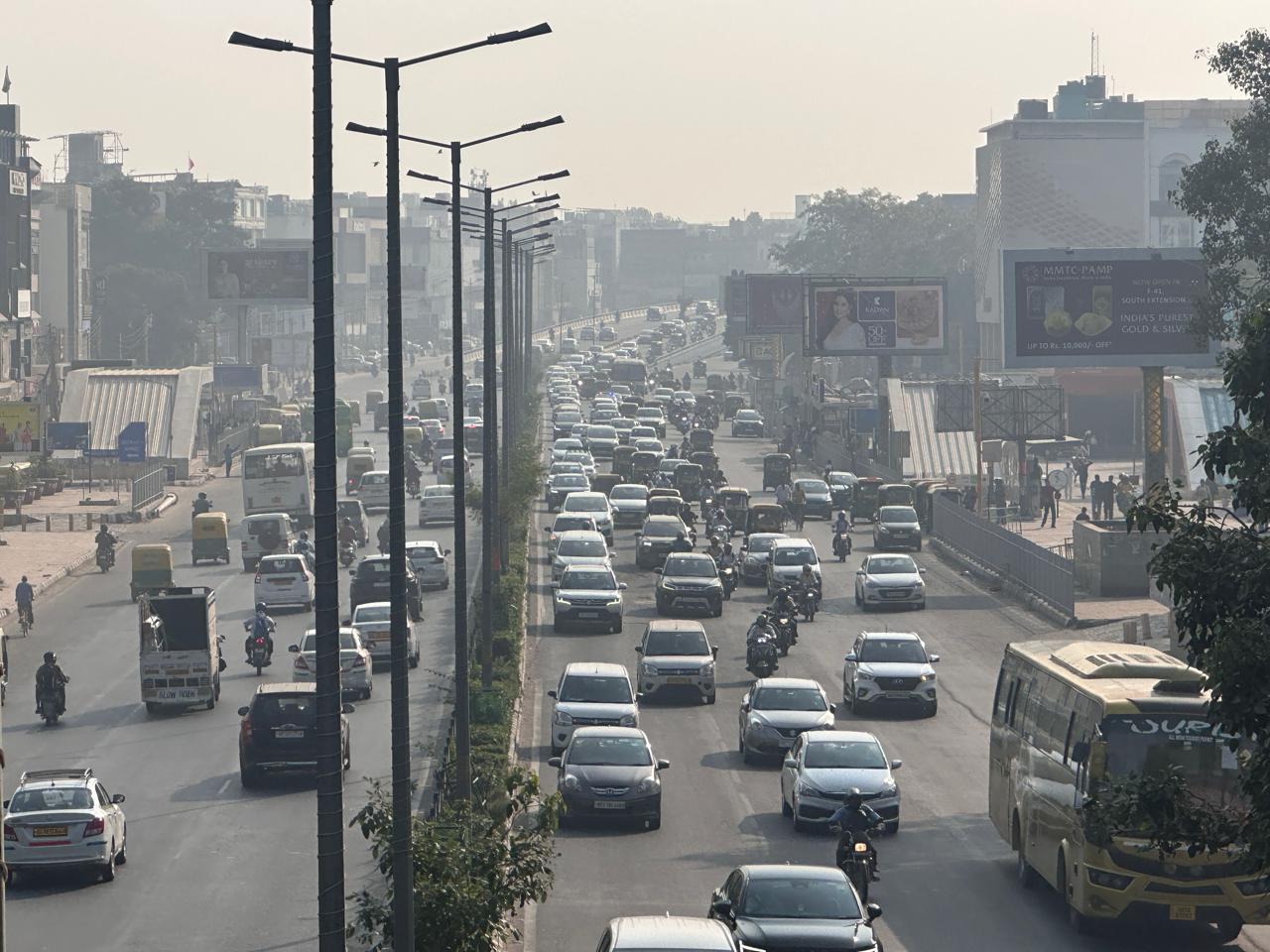
Furthermore, air pollution—which the Health Effects Institute linked to 7.9 million deaths globally in 2023—was entirely removed from the draft, alongside the original text’s clean-air references. Methane, a potent short-lived climate pollutant that contributes to lung-damaging ground-level ozone, saw its mandated “rapid and substantial” reductions downgraded to a vague call for general reductions.
Food security and agricultural resilience also went unmentioned, despite severe regional crises such as the drying of Turkey’s Konya basin, where groundwater depletion and drought have triggered the formation of over 730 sinkholes.
Carbon Capture Reliance Triggers Greenwashing Accusations
To reconcile continued fossil fuel extraction with emissions targets, the COP31 draft text places a heavy reliance on carbon capture and storage (CCS) and carbon dioxide removal (CDR) technologies. The text urges an acceleration of CCS implementation to trap emissions from power plants and heavy industry before they reach the atmosphere.
However, environmental scientists and policy think tanks have heavily criticized this pivot. According to data from Carbon Brief and the Climate Action Tracker, CCS currently captures less than 0.2% of global fossil fuel emissions and remains prohibitively expensive and unproven at the massive scale required. Critics argue that promoting CCS serves primarily as a lifeline for petrochemical companies and fossil fuel exporters seeking to greenwash ongoing extraction, especially as power demands surge from artificial intelligence data centers.
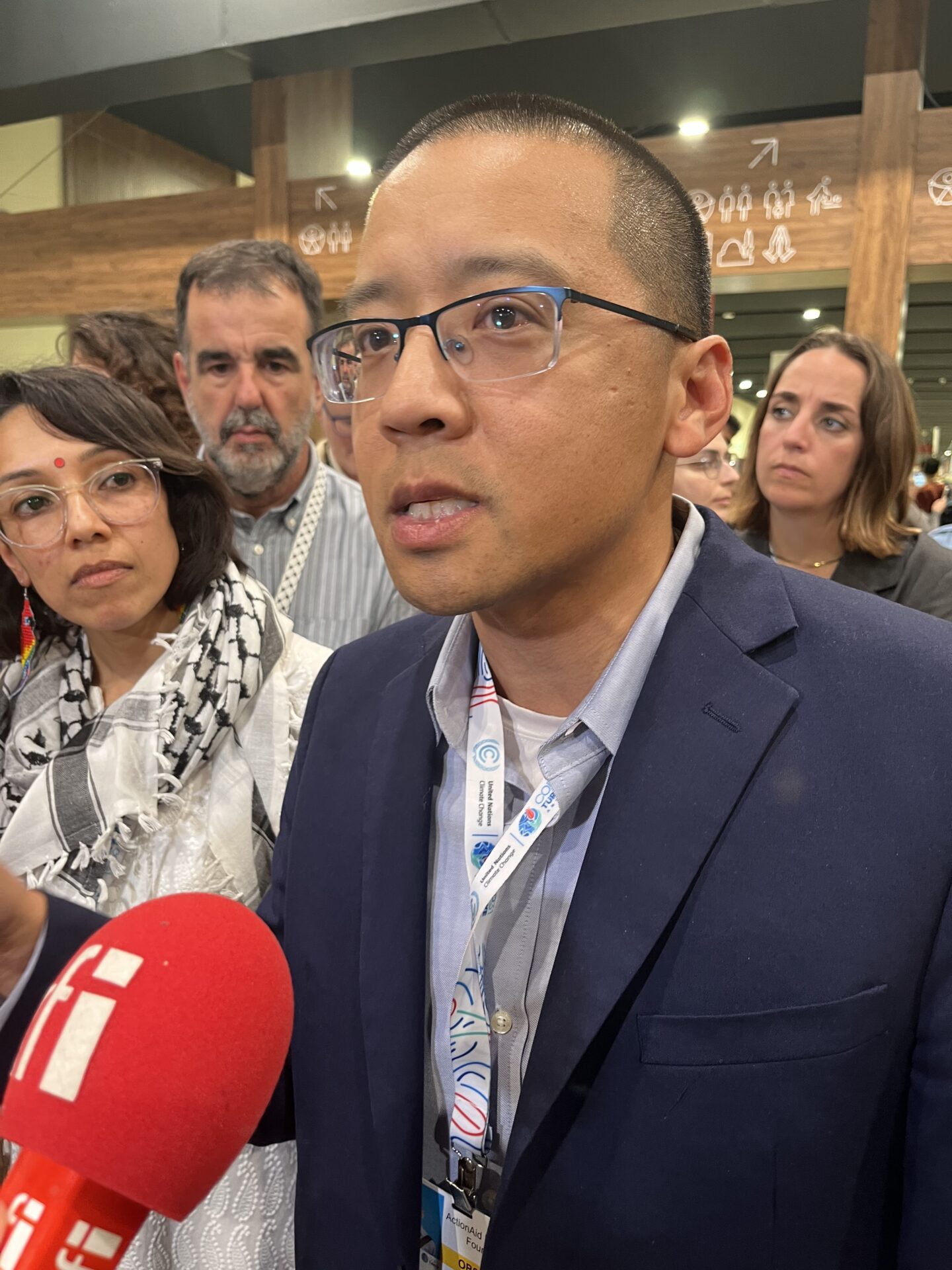
“They’re selling us dreams. They’re selling us a fantasy. They’re selling us lies,” said Kirtana Chandrasekaran of Friends of the Earth International. “They’re talking about carbon dioxide removal and carbon capture and storage instead of actually doing what they need: emissions reductions.”
Implications and the Path Forward
As negotiations continued through the weekend, the broader implications of a deadlocked or deeply compromised COP31 threatened to undermine the integrity of the Paris Agreement framework. Developing nation representatives and Indigenous caucuses openly accused traditional “high-ambition” allies—including the European Union, Norway, the United Kingdom, Japan, Canada, and Australia—of caving to pressure and abandoning vulnerable states.
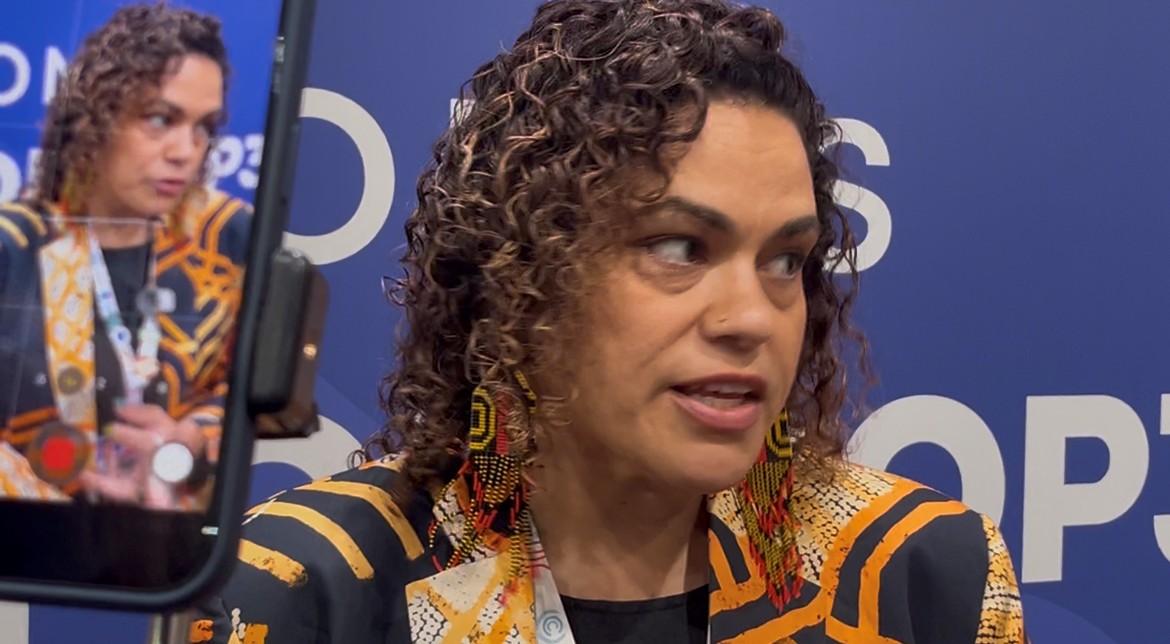
Larissa Baldwin, co-chair of the Indigenous Caucus, directed sharp criticism at co-host Australia—a major coal and gas exporter—accusing Canberra of betraying its Pacific island neighbors who face existential threats from sea-level rise and extreme weather events.
Despite the profound pessimism voiced by civil society leaders who labeled the potential outcome a “ghost COP,” UN Climate Chief Simon Stiell and COP31 President Murat Kurum urged delegations to maintain engagement.
“Almost 200 Parties own this process,” Stiell reminded reporters. “These are crucial days ahead for climate cooperation, and we have no time to lose.”
As delegates labored through the extended weekend in Antalya, the final shape of the COP31 agreement—or the historic precedent of an outright collapse—remained suspended on a knife-edge, with the future of multilateral climate diplomacy hanging in the balance.