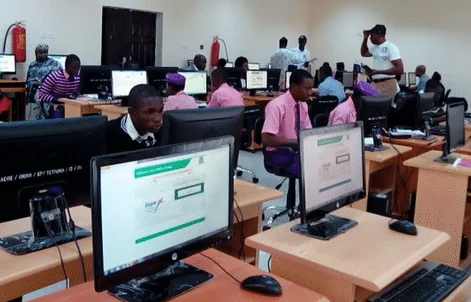
The Joint Admissions and Matriculation Board has officially scheduled its highly anticipated Unified Tertiary Matriculation Examination mock test for Thursday, March 7, 2024, serving as a critical preparatory milestone for candidates aspiring to gain admission into tertiary institutions across Nigeria. Designed specifically for individuals who expressed formal interest during the main registration window, the optional preliminary assessment aims to equip prospective undergraduates with hands-on experience of the computer-based testing environment. As educational administrators, students, and parents count down to the main examination cycle, this preparatory exercise takes on heightened significance, functioning as both a technical stress test for the examination infrastructure and a psychological dry run for the candidates.
Background Context of the JAMB UTME Mock Examination
The introduction of the mock examination by the Joint Admissions and Matriculation Board years ago was born out of necessity. Historically, the transition from paper-and-pencil testing to computer-based testing presented significant challenges for many Nigerian youths, particularly those from rural or underserved communities with limited exposure to digital hardware. Technical glitches, unfamiliarity with mouse and keyboard navigation, and anxiety regarding time management under digital constraints often hindered brilliant students from posting scores reflective of their true academic capabilities.
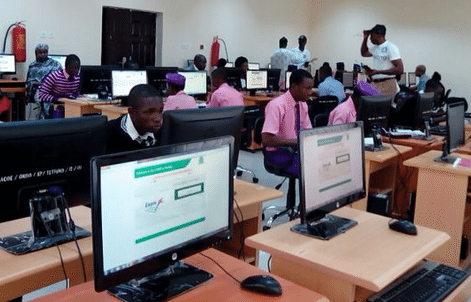
To bridge this digital divide, JAMB instituted the mock exercise as a non-mandatory, risk-free simulation. While scores obtained in the mock examination do not count toward aggregate admission scores into universities, polytechnics, or colleges of education, the psychological and operational value of the test is immeasurable. It allows candidates to experience the strict security protocols, biometric verifications, and spatial arrangements characteristic of an official JAMB CBT center. Furthermore, it provides the examination board with a valuable operational rehearsal, enabling technical teams to identify and rectify potential network bottlenecks, power supply vulnerabilities, or software bugs ahead of the main UTME deployment.
Operational Guidelines and Financial Framework
Participation in the 2024 mock examination was structured around clear operational guidelines established by the board to ensure logistical efficiency and resource allocation. Candidates who indicated their intention to sit for the mock test were required to pay a designated service charge of N1,500 during the initial UTME registration phase.
This financial policy was implemented following previous years’ experiences where large numbers of candidates registered for the mock test free of charge or without financial commitment, only to abandon their slots on examination day. Such absenteeism resulted in severe financial losses for private and public CBT center operators who had mobilized personnel, secured facilities, and configured workstations. By introducing the nominal fee, JAMB ensured a higher seriousness threshold among applicants, thereby optimizing resource utilization across all accredited test facilities nationwide.
Step-by-Step Guide to Printing the JAMB Mock Examination Slip
With the announcement of the March 7, 2024 date, qualified candidates were immediately directed to secure their official documentation. The examination slip serves as the primary gateway to the test venue, containing crucial data such as the specific accredited center name, physical address, assigned seat number, and scheduled examination time slot.
To ensure a seamless retrieval process, the board streamlined the digital portal interface. Candidates were instructed to navigate to the official JAMB mock slip reprint portal located at https://www.jamb.org.ng/ExamSlipPrinting1/PrintMockExaminationSlip. Upon reaching the landing page, candidates are required to input their unique JAMB Registration Number or the email address utilized during the registration process. Clicking the designated "Print Examination Slip" command instantly populates the document with personalized venue and schedule metrics, which candidates are strongly advised to print out in hard copy or save securely for presentation upon arrival at the test venue.
Chronology of the 2024 Admission Season
The scheduling of the mock examination fits into a meticulously mapped-out timeline designed by the regulatory body to streamline the 2024/2025 academic admission cycle. The timeline traditionally begins with the procurement of e-PINs and the completion of the National Identification Number integration, a mandatory prerequisite introduced to curb identity fraud and examination malpractices.
Following the close of the general registration window, the board processes the database of applicants, filters out duplicate entries or anomalies, and allocates candidates to designated computer-based test centers. The execution of the mock examination on March 7 acts as the immediate precursor to the main UTME, which typically rolls out in April. Subsequent to the main examination, the board undertakes script grading, anti-cheat forensic audits, and the eventual release of results, setting the stage for post-UTME screenings and the Central Admissions Processing System clearance processes managed by individual tertiary institutions.
Implications and Strategic Advantages for Candidates
Analyzing the broader implications of the mock examination reveals its critical role in shaping candidate performance outcomes. Educational psychologists and testing experts have long noted that examination anxiety is a primary catalyst for cognitive blockages and sub-optimal performance among students. By confronting the physical and digital realities of a high-stakes exam weeks before the actual grading event, candidates are able to desensitize themselves to the pressure.
Navigating the clock interface on a computer screen, managing pacing across multiple subjects, and adjusting to the acoustic environment of a crowded hall are skills honed through practice rather than theory. Candidates who utilize the mock exam effectively are generally better positioned to avoid common pitfalls, such as timing miscalculations or technical interface errors. Furthermore, identifying the exact physical location of the CBT center during the mock test eliminates the risk of transit-related lateness or confusion on the actual day of the main matriculation examination.
Official Posture and Stakeholder Expectations
As preparations reach a fever pitch, statements from the leadership of the Joint Admissions and Matriculation Board emphasize zero tolerance for malpractices and strict adherence to operational guidelines. Center proprietors have been repeatedly warned against unauthorized fees, extortion, or compromising the integrity of the hardware and biometric verification systems.
Concurrently, educational stakeholders, including secondary school principals and tutorial center administrators, have continued to urge candidates to treat the mock examination with the seriousness of the main test. While the scores carry no weight in university admission quotas, the diagnostic feedback provided by the experience is invaluable. Teachers recommend that candidates review their performance areas post-mock to recalibrate their study habits, focus on weak subject areas, and refine their test-taking strategies.
Conclusion and Outlook
The 2024/2025 JAMB mock examination scheduled for March 7, 2024, represents far more than a routine administrative exercise; it is a vital bridge ensuring a smoother, more transparent, and less stressful transition for hundreds of thousands of Nigerian youths seeking higher education. By combining technological preparedness, strict logistical planning, and student-focused simulations, the board continues to refine the standard of educational assessment in the country. As candidates print their slips and prepare to report to their respective centers, the stage is set for an orderly and efficient examination season that will ultimately shape the academic futures of a new generation of scholars.