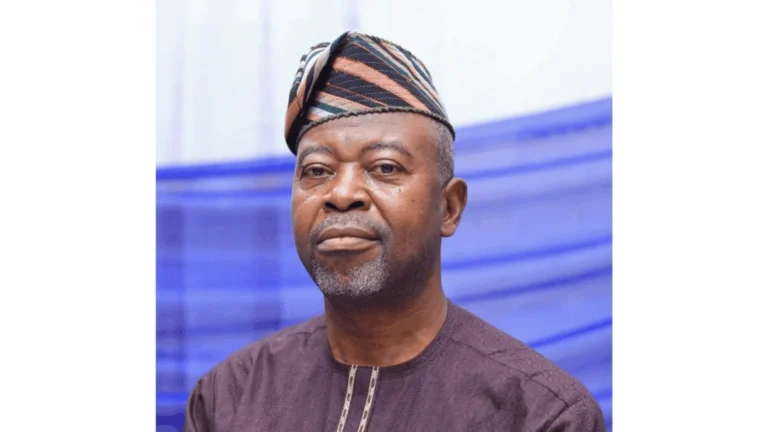
Professor Tunde Akanni, a distinguished scholar of journalism and development communication at Lagos State University (LASU), has been officially inducted as a Fellow of the Society for Peace Studies and Practice (SPSP). The prestigious recognition was bestowed upon him during the society’s landmark 20th International Conference and General Assembly, which convened academics, researchers, and practitioners at Lead City University in Ibadan, Oyo State. The academic gathering, held from October 5 to October 9, 2026, brought together leading voices in conflict resolution, peacebuilding, and media studies from across the West African sub-region and beyond to deliberate on contemporary challenges facing global security and social cohesion.
The SPSP fellowship serves as a formal acknowledgment of Professor Akanni’s decades-long intellectual and professional contributions to journalism, with a specific emphasis on conflict-sensitive communication and the broader framework of development communication. Over the course of a career spanning more than three decades in both the newsroom and the ivory tower, Akanni has consistently positioned the media as a vital instrument for social transformation, peace advocacy, and democratic accountability, particularly within developing nations.
Official Commendation from the FCCPC
The conferment of the fellowship has drawn widespread acclaim from academic circles, professional associations, and public institutions alike. Among the prominent organizations extending formal felicitations is the Federal Competition and Consumer Protection Commission (FCCPC), where Professor Akanni is currently serving a strategic sabbatical.
In an official correspondence dated October 7, 2026, the commission lauded the LASU professor for achieving the milestone, describing the SPSP fellowship as a timely and richly deserved honor. The letter was signed by Yisau Adepoju, Head of the Administration Department, on behalf of the FCCPC’s Executive Vice Chairman and Chief Executive Officer, Olatunji Bello.
The commission noted that the fellowship stands as an undeniable testament to Akanni’s rigorous scholarly contributions to journalism and his unyielding dedication to conflict-sensitive reporting. The FCCPC emphasized that throughout his career, the academic has consistently demonstrated an active commitment to development communication, recognizing its immense potential to drive sustainable social change and elevate the quality of life within emerging economies.
"This auspicious milestone is a clear testimony to your laudable scholarly contributions to the field of journalism," the FCCPC stated in the letter. "As a thoroughbred professional and accomplished academic, you have consistently demonstrated passion and unwavering commitment to the promotion of Conflict-Sensitive Journalism. You have tenaciously identified with this strand of Development Communication that is renowned for fostering sustainable social change and advancing the overall quality of life, particularly in developing nations."
The commission further expressed profound confidence that Professor Akanni will leverage his wealth of experience and multi-sectoral expertise to continuously enrich the Nigerian intellectual landscape and contribute meaningfully to the global academic community.
Academic Journey and Specializations at Lagos State University
Professor Akanni’s trajectory within the academic sphere is characterized by persistent dedication, intellectual rigor, and institutional leadership. At Lagos State University, his primary academic anchor is the Department of Journalism within the Faculty of Communication and Media Studies. According to official institutional records, his core areas of specialization center on Journalism and Development Communications. His foundational doctoral research culminated in a PhD in Media and Conflict Resolution Studies from the prestigious University of Ibadan, a qualification that deeply informs his theoretical frameworks and practical approaches to media-induced conflict mitigation.
His formal journey into academia commenced in 2001 when he joined the Department of Journalism at LASU as an Assistant Lecturer. Over the ensuing years, he navigated the rigorous academic promotion ladder through sustained research output, pedagogical excellence, and institutional service. In March 2025, the Governing Council of Lagos State University formally approved his promotion to the rank of full Professor of Journalism and Development Communication. Prior to attaining this zenith, he served meritoriously as an Associate Professor and was the pioneer Director of LASU’s Digital Media Research Centre, a hub designed to study and adapt to the rapidly evolving digital media ecosystem.
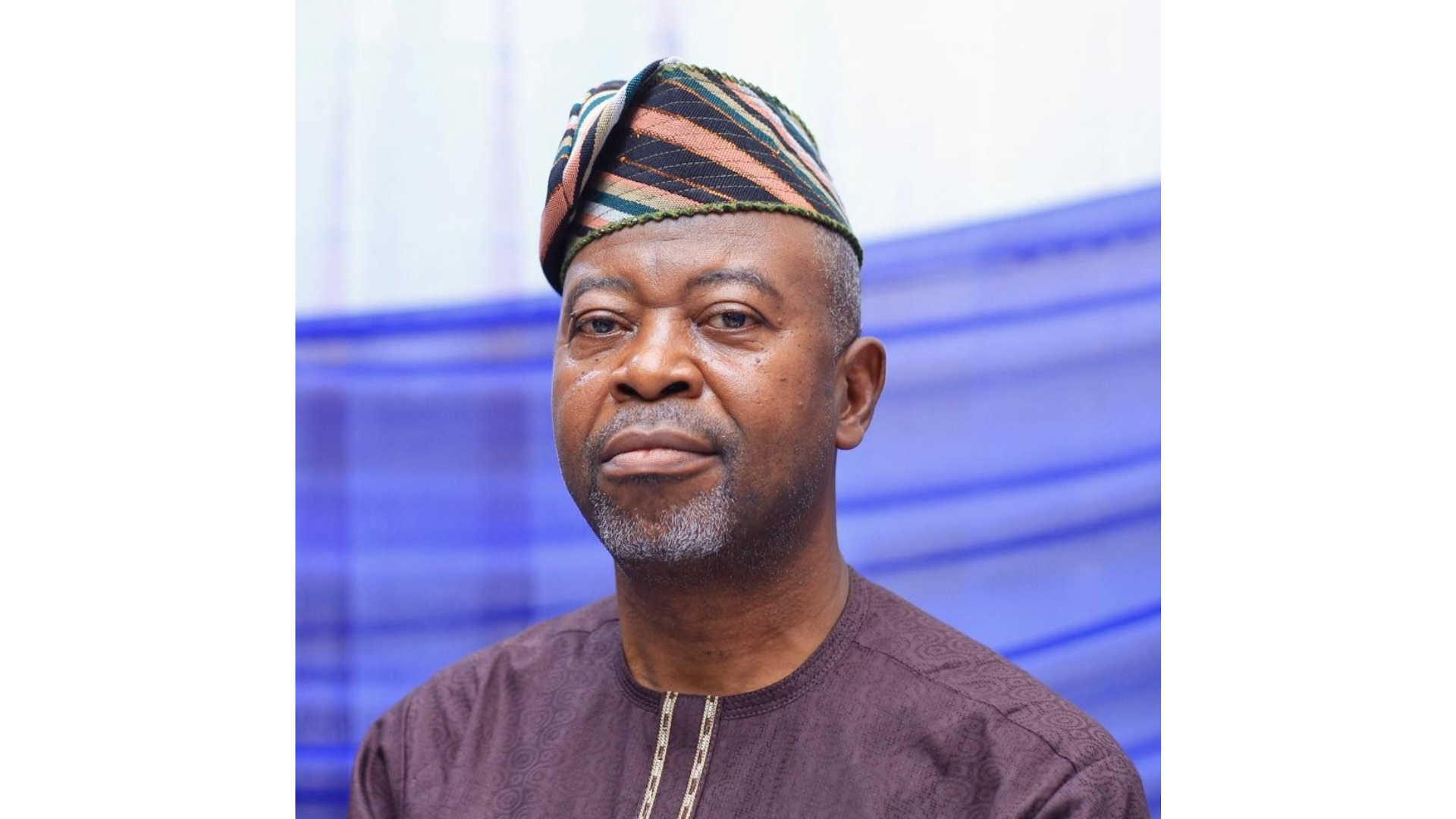
Beyond his immediate teaching and administrative responsibilities at LASU, Professor Akanni’s academic interests are expansive. They encompass journalism practice, media ethics, political communication, media and conflict dynamics, strategic communication, and the complex societal impacts of emerging technologies, such as artificial intelligence, on modern media systems.
Professional Roots in Print Journalism and Civil Society Advocacy
Long before establishing himself as a fixture in higher education, Professor Akanni honed his craft in the trenches of Nigeria’s turbulent print media industry. His professional journalism career saw him working with some of the country’s most respected publications, including The Punch and the National Concord newspapers. Through dedication and sharp analytical writing, he climbed the editorial ladder to become the Acting Features Editor at the National Concord.
His career in the newsroom coincided with one of the most volatile periods in Nigerian political history—the era of military dictatorship and intense pro-democracy struggles. In 1994, the military regime of General Sani Abacha took the drastic step of proscribing the Concord group of newspapers, abruptly cutting short the operations of the media house and forcing many journalists into precarious professional circumstances.
Rather than retreat, Professor Akanni transitioned into the civil rights and advocacy sector. He assumed the role of Head of Campaigns at the Civil Liberties Organisation (CLO), one of Nigeria’s foremost human rights vanguards at the time. In this capacity, he played a critical role in mobilizing civil society resistance against military rule, advocating for press freedom, and defending the fundamental human rights of citizens. This activist background profoundly shaped his academic worldview, cementing his lifelong advocacy for media responsibility, social justice, and conflict-sensitive journalism.
Global Exposure and International Fellowships
Professor Akanni’s academic and professional footprint extends far beyond the shores of Nigeria. Over the decades, he has sought and secured prestigious international fellowships and professional development opportunities at world-class institutions of higher learning.
He has undertaken specialized academic and professional training programs at Columbia University in the United States, the University of Leicester in the United Kingdom, and the Institute of Social Studies based in The Hague, Netherlands. Furthermore, his academic excellence has earned him recognition as a British Chevening Scholar, as well as a recipient of the highly competitive Netherlands NUFFIC Fellowship. These international engagements have enabled him to cross-pollinate global best practices in media studies with African realities, enriching his classroom teachings and expanding the scope of his research output.
Broader Implications of the SPSP Fellowship
The induction of Professor Akanni into the Society for Peace Studies and Practice arrives at a critical juncture for Nigeria and the wider African continent, where media systems frequently grapple with the challenges of polarization, hate speech, misinformation, and conflict escalation.
Experts in peace and conflict studies note that the media holds a dual capacity: it can either serve as an accelerant for violence through inflammatory rhetoric and unverified reportage, or act as an indispensable tool for peacebuilding, dialogue, and reconciliation through conflict-sensitive framing. By recognizing a scholar who has dedicated decades to studying and teaching the intersection of media and conflict resolution, the SPSP underscores the vital necessity of embedding peace education and ethical communication into the training of the next generation of journalists.
The honor also highlights the growing synergy between academic research and public policy execution in Nigeria. With Professor Akanni currently lending his expertise to the FCCPC during his sabbatical, his recognition by a premier peace society validates the interdisciplinary relevance of communication studies in addressing broader societal challenges, ranging from consumer rights protection and corporate governance to national cohesion and public trust.
As academic institutions and professional bodies continue to grapple with the demands of a digitalized and often fractured information ecosystem, the elevation of figures like Professor Tunde Akanni serves as a benchmark for scholarly excellence, ethical persistence, and the constructive application of knowledge to national development.