This scene, recounted by Senator Akpoti-Uduaghan directly to the camera, serves as the visceral opening to Double Minority, a documentary directed by renowned journalist Kadaria Ahmed. The film provides an intimate lens into the lives of nine women who contested for various public offices during Nigeria’s 2023 general election cycle. These women—Senator Natasha Akpoti-Uduaghan, Senator Ireti Kingibe, former House of Representatives member Nnenna Elendu-Ukeje, Adeola Azeez, Simi Olusola, Hauwa Gambo, Khadijah Abdullahi Iya, Munira Suleiman Tanimu, and Joyce Daniels—navigated campaigns across diverse regions, including Kogi, Abuja, Abia, Kaduna, Niger, Ogun, Ekiti, and Edo States. While their geographical contexts varied, their narratives converged on a singular theme: the systemic erasure of women from the Nigerian political theater.
The Concept of the Double Minority
The documentary’s title, Double Minority, refers to the intersectional marginalization faced by women in the Nigerian socio-political sphere. In sociological terms, a "double minority" describes an individual who belongs to two or more marginalized groups, where the disadvantages of each identity compound to create unique barriers to entry and success. In the context of this film, the subjects are marginalized first by their gender in a patriarchal system and second by their operation within a "broken" political structure that prioritizes patronage, godfatherism, and cultural gatekeeping over merit and public service.
The film argues that this marginalization extends beyond the candidates to the Nigerian electorate itself. The documentary posits that ordinary citizens exist as a secondary form of double minority: marginalized by a government that often views its populace as an inconvenience, and marginalized again by a pervasive sense of helplessness—the learned belief that individual votes and voices are inconsequential in a pre-determined system.
A Statistical Overview of Gender Representation in Nigeria
To understand the stakes of the 2023 elections, one must look at the historical trajectory of women in Nigerian governance. According to data from the Independent National Electoral Commission (INEC) and various policy advocacy groups, Nigeria reached a historical zenith for female representation in the National Assembly in 2007, with 36 women elected to parliament. However, the subsequent years have seen a steady and systematic decline.
In the 2023 general elections, the number of women in the National Assembly plummeted to just 21 out of 469 seats, representing a mere 4.5% of the total legislative body. This is particularly striking given that women constitute approximately 49.8% of Nigeria’s population. Furthermore, the 2023 cycle revealed a total exclusion of women in several regions; in 15 states across the federation, not a single woman was elected to the State House of Assembly.
The decline is often attributed to the "design" of the political system. The 2022 rejection of five gender-related bills by the National Assembly serves as a recent example of institutional resistance. These bills sought to provide basic concessions, such as affirmative action in party administration, specific quotas for legislative seats, and the right for foreign-born husbands of Nigerian women to acquire citizenship—a right already granted to the foreign-born wives of Nigerian men. The rejection of these bills sparked widespread protests at the National Assembly gates, led by civil society organizations and female politicians, many of whom are featured in the documentary.
Profiles in Political Resilience
The documentary highlights the specific challenges faced by individual candidates, illustrating how institutional pushback manifests as physical danger or character assassination.
Senator Natasha Akpoti-Uduaghan’s journey is particularly emblematic of the legal and physical hurdles involved. After the 2023 polls, she was initially declared the loser of the Kogi Central Senatorial seat. It took a protracted legal battle through the Election Petition Tribunal and the Court of Appeal to overturn the initial results. The courts eventually ruled that she was the rightful winner, citing the unlawful exclusion of votes in her favor. Her victory was seen as a landmark win against the entrenched political machinery of Kogi State.
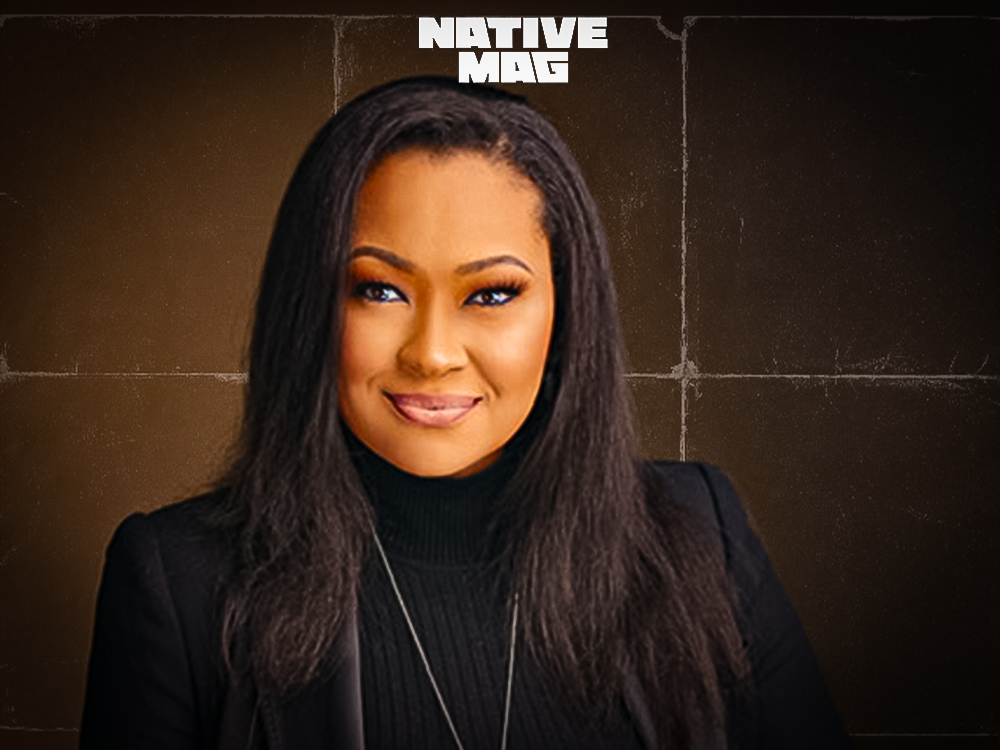
Hauwa Gambo, the founder of the Sheroes Rising for Development Initiative, represents the transition from advocacy to active candidacy. Having spent years writing and campaigning for gender equity from the outside, Gambo’s decision to contest for office in the 2023 cycle was a test of her conviction. Her narrative in the film underscores the grit required to move from "asking" for representation to "demanding" it through the ballot.
Similarly, Senator Ireti Kingibe’s successful campaign for the Federal Capital Territory (FCT) Senate seat is portrayed as a triumph over established political structures. Her victory demonstrated that despite the odds, strategic grassroots mobilization can occasionally bypass traditional gatekeepers.
The Legislative Battle: The Legacy of the GEO Bill
The film also pays homage to the legislative veterans who paved the way. Senator Biodun Olujimi, a central figure in the fight for women’s rights in the Senate, is noted for her introduction of the Gender and Equal Opportunities (GEO) Bill in 2015. The bill faced immediate and fierce opposition, primarily from male legislators who cited "religious and cultural" concerns as grounds for its rejection.
Olujimi’s struggle highlights the necessity of cross-party alliances. The documentary illustrates that for a woman to succeed in the Nigerian legislature, she must not only represent her constituency but also act as a permanent diplomat, rallying women across party lines and engaging civil society to apply external pressure on a resistant chamber.
The Mechanics of Exclusion
Double Minority delves into the "weaponized poverty" and high costs associated with Nigerian politics, which serve as a significant barrier to female participation. The cost of expression of interest and nomination forms within the major political parties—often reaching tens of millions of naira—effectively excludes most women, who statistically have less access to liquid capital and corporate sponsorship than their male counterparts.
Furthermore, the documentary addresses the role of political thuggery. The incident involving Akpoti-Uduaghan in 2019 is not an isolated case but part of a broader strategy of intimidation. By creating an environment where physical safety cannot be guaranteed, the system discourages women from entering the fray. This "design of exclusion" ensures that the corridors of power remain homogenous.
Implications for Nigerian Democracy
The documentary concludes with a call to action, emphasizing that political participation is not merely a personal ambition but a societal necessity. As Simi Olusola notes in the film, the government is the only institution capable of bringing about sustainable change at scale. Therefore, if women are excluded from government, the specific needs of nearly half the population are excluded from the developmental agenda.
The film suggests that the solution lies in "The Decision"—a conscious choice by citizens to engage with the political process despite its flaws. This includes joining political parties, voting, and maintaining an informed presence in public discourse. The protagonists of Double Minority serve as a testament to the idea that "smallness" is only permanent if one agrees to it.
The broader implication for Nigeria is clear: the current level of female representation is not only a gender issue but a democratic crisis. A system that systematically filters out 50% of its talent pool is inherently inefficient and unrepresentative. As the country looks toward future election cycles, the narratives captured in Kadaria Ahmed’s documentary serve as both a warning and a blueprint for resistance. The struggle of these nine women reflects a larger national struggle for a system where every voice, regardless of gender or status, is permitted to count.