
At the United Nations High-Level Meeting on Road Safety held in New York this week, an overwhelming majority of the world’s nations reaffirmed their commitment to a radical reduction in traffic-related fatalities. The assembly concluded with a pledge to decrease road traffic deaths and injuries by at least 50% by the year 2030, a goal to be supported by the implementation of measurable national targets, specific timelines, and dedicated budgets. However, the international consensus was marred by a singular and notable dissent: the United States of America.
While 162 countries voted in favor of the "Progress Declaration on Road Safety," the United States cast the lone dissenting vote, breaking the UN consensus on a matter that many experts view as a burgeoning public health emergency. The U.S. delegation justified its opposition by citing concerns over what it termed "mandate creep." According to the American representative, the declaration’s call to integrate road safety measures into broader climate, environmental, and urban planning policies represented an overreach of the UN’s authority.
"Road safety is a practical matter of engineering, sober driving, and personal responsibility," the U.S. delegate stated during the session. "It should not be used as a backdoor vehicle to enforce global climate pacts and top-down environmental restrictions on freedom of mobility." This stance suggests a philosophical divide between the U.S. approach—which emphasizes individual behavior and traditional infrastructure—and the holistic "Safe System" approach favored by the World Health Organization (WHO) and much of the international community.
The Statistical Paradox of American Road Safety
The U.S. rejection of the declaration comes at a time when its own domestic road safety record is under intense scrutiny. According to a comprehensive new study by the Institute for Health Metrics and Evaluation (IHME), published in The Lancet Public Health, the United States is one of only six countries where road injury mortality has risen significantly between 2010 and 2023. While the global community saw road traffic deaths decline by 21% between 2011 and 2025, the U.S. experienced a 13.2% increase in fatalities.
This trend places the United States in a small, troubled cohort of nations that includes Ghana (which saw a 48.5% increase), Jamaica (29%), the Dominican Republic (27%), Armenia (22%), and Costa Rica (16%). The IHME report, which analyzed data from 204 countries and territories over three decades, highlights a stark reality: while much of the developed world is successfully making roads safer, the U.S. is moving in the opposite direction.
In 2023 alone, approximately 1.34 million people died from road injuries globally, and nearly 51 million others suffered non-fatal injuries. Perhaps most tragically, road traffic accidents remain the leading cause of death for children and young adults aged 10 to 39 worldwide. In the United States, the spike in deaths has been attributed by domestic safety advocates to a variety of factors, including larger vehicle sizes (SUVs and light trucks), increased instances of distracted driving, and a lack of investment in "complete streets" that prioritize pedestrians and cyclists.
Global Disparities and the Burden on Low-Income Nations
The UN High-Level Meeting also brought into sharp focus the profound economic inequality inherent in global road safety. Data presented at the meeting revealed that more than 90% of all road deaths occur in low- and middle-income countries (LMICs). This is despite the fact that high-income countries often have a higher volume of traffic and a higher total number of crashes involving injuries.

The disparity lies in the survival rates after a crash occurs. The mortality rate in low-income countries stands at a staggering 43.8 deaths per 100,000 people, whereas in high-income countries, that figure drops to 7.5 deaths per 100,000. This gap is largely a reflection of the "golden hour" in trauma care—the critical window of time after an injury where medical intervention is most likely to prevent death.
Dr. Liane Ong, a senior research scientist at IHME and the lead author of the study, emphasized that road injury outcomes are not merely a result of the initial impact. "Road injury outcomes are shaped not only by crashes, but by the systems designed to prevent them and protect people when they occur," Ong noted. The IHME estimates that over 200,000 lives could be saved annually if trauma care coverage in low- and middle-income countries were enhanced to match the standards of wealthier nations.
The Shift from Transportation to Public Health
A recurring theme among the experts and officials in New York was the need to reframe road safety as a public health priority rather than a purely logistical or transportation issue. Dr. Marie Ng, representing both IHME and the National University of Singapore, argued that reducing deaths requires a systemic overhaul.
"Reducing deaths and injuries requires moving beyond individual driver behavior and investing in systems that prevent crashes, strengthen trauma care, and implement evidence-based interventions tailored to the needs of each community," Dr. Ng stated.
This perspective aligns with the "Safe System" approach, which accepts that humans are fallible and will inevitably make mistakes on the road. The goal of a Safe System is to design roads, vehicles, and speed limits in a way that ensures these mistakes do not result in fatal or life-altering injuries. This often involves reducing speed limits in urban areas, installing physical barriers between different types of road users, and improving vehicle safety standards.
The WHO European Region has been the most successful in implementing these strategies, recording a 36% reduction in road deaths between 2010 and 2021. The Western Pacific Region followed with a 15% drop. Conversely, the WHO African Region saw a 17% rise in deaths, while the Americas showed no overall change, weighed down by the rising numbers in the United States.
The Rise of the Two-Wheeled Crisis
One of the most significant shifts in global road safety over the last decade has been the explosion in motorcycle usage. Deaths among motorcyclists now account for nearly one-third of all road fatalities globally. The WHO notes that the number of motorcycles on the road more than tripled between 2011 and 2025, driven largely by the rise of the gig economy, including ride-hailing and delivery services in rapidly urbanizing regions of Asia, Africa, and Latin America.
The IHME study found that motorcyclists are particularly vulnerable to moderate or severe traumatic brain injuries. While wearing a safe, standardized helmet can reduce the risk of death in a crash by more than six times, enforcement of helmet laws remains inconsistent in many of the countries where motorcycle use is highest.
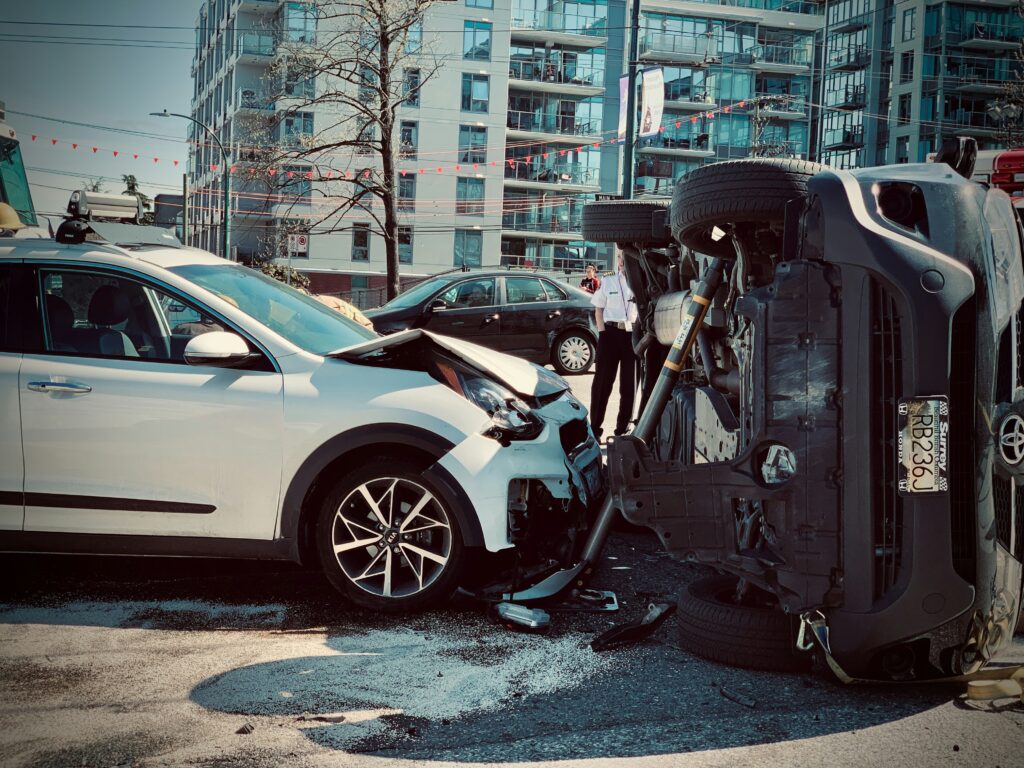
Furthermore, pedestrians now account for nearly one-third of all road injury deaths. Dr. Etienne Krug, WHO Director of the Department of Health Determinants, pointed out that the current design of many road networks is fundamentally exclusionary. "More than half of all road deaths are people who aren’t even in a car—they are walking, cycling, or riding a motorcycle," Krug said. "When roads are designed as if only car drivers matter, these people are left dangerously exposed."
Emerging Challenges: E-Mobility and Automation
As nations look toward the 2030 targets, new challenges are emerging on the horizon. The WHO highlighted the rapid proliferation of "new forms of mobility," such as e-scooters, e-bikes, and autonomous vehicles. While these technologies offer potential for reducing carbon emissions and improving urban mobility, they also present new safety risks that current infrastructure is often ill-equipped to handle.
The WHO is currently convening experts to establish safety protocols for these new technologies, ensuring that vehicle design and traffic management keep pace with innovation. The goal is to ensure that the transition to greener, more automated transport does not come at the cost of human life.
A Roadmap to 2030: The Political Declaration
Despite the U.S. opposition, the adoption of the political declaration marks a significant milestone in the Second Decade of Action for Road Safety (2021–2030). WHO Director-General Dr. Tedros Adhanom Ghebreyesus commended the 162 member states for their commitment to a "people-first" approach to road design.
The declaration commits signatory nations to:
- Aligning Speed Limits: Implementing evidence-based speed management, particularly in areas where motorized traffic mixes with pedestrians and cyclists.
- Land-Use Design: Integrating road safety into urban planning to reduce the need for high-speed travel through residential areas.
- Lead Agencies: Establishing or strengthening national road safety agencies with the authority and budget to implement cross-sectoral strategies.
- Data Collection: Improving the accuracy of road injury data to better identify high-risk "black spots" and demographic trends.
- Legislation and Enforcement: Strengthening laws regarding seatbelt use, helmet wearing, drink-driving, and mobile phone use while driving.
The 2030 target of a 50% reduction is ambitious, especially given the current trajectory in regions like Africa and the United States. However, the consensus reached in New York suggests that for most of the world, the human and economic cost of road traffic injuries has become unsustainable. As the meeting concluded, the message from the WHO and the supporting nations was clear: the tools to save millions of lives already exist; the only missing ingredient in some quarters is the political will to implement them.
While the United States remains an outlier, focusing on "personal responsibility" and "engineering" as separate from broader environmental and social policies, the rest of the world has signaled its intent to move toward an integrated, systemic model of safety. Whether the U.S. can reverse its rising death toll without adopting these global standards remains a question of significant concern for public health advocates both at home and abroad.