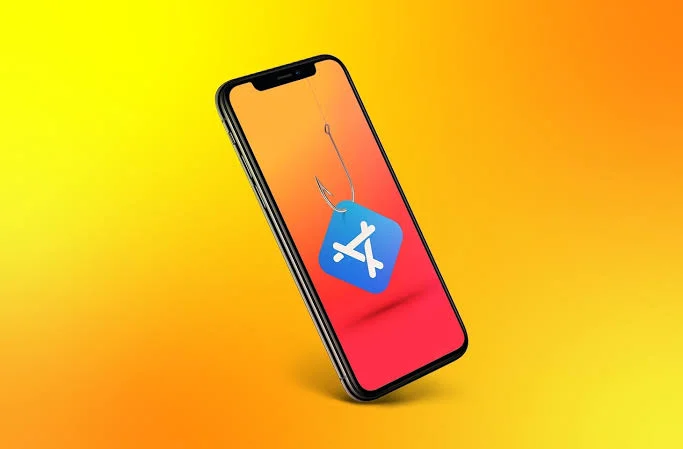
The perceived safety of the Apple App Store and Google Play Store has long been a cornerstone of the modern mobile experience, yet as we move through 2026, the boundary between a "verified" app and a malicious one has become increasingly blurred. While both tech giants have invested billions into automated scanning and human oversight, the sheer volume of submissions—exceeding two million new apps and updates annually—creates a statistical inevitability that some threats will slip through. Security researchers and digital forensic experts warn that the danger in 2026 is no longer just about overt viruses that "brick" a phone; it is about sophisticated, subtle exploitation of user trust, privacy, and financial resources.
The Evolution of Mobile Threats: A Brief Chronology
To understand the current landscape, one must look at how mobile threats have transitioned from amateurish scripts to industrialized cybercrime. In the early 2010s, "malware" typically referred to basic trojans designed to send premium-rate SMS messages or display intrusive pop-up ads. By 2018, the rise of "fleeceware" saw developers charging exorbitant subscription fees for basic utility apps, such as calculators or flashlights.
By 2023, the focus shifted toward data harvesting, where seemingly legitimate apps collected granular location data and contact lists to sell to third-party brokers. Entering 2026, we are witnessing the era of "Chameleon Apps" and "Sleeper Malware." These applications pass initial store reviews by remaining dormant or functional for weeks, only activating their malicious payloads via server-side updates once they have established a significant user base. This evolution demonstrates a shift from immediate exploitation to long-term "social engineering," where the app builds a relationship of trust with the user before executing a scam.
The Institutional Challenge of App Moderation
Neither Apple nor Google manually inspects every line of code in every update. Instead, they rely on a hybrid model of Artificial Intelligence (AI) scanners and human spot-checks. In 2026, however, bad actors are using generative AI to write code specifically designed to bypass these automated scanners.
"The cat-and-mouse game has reached a fever pitch," says Marcus Thorne, a senior cybersecurity analyst at Global Tech Defense. "Attackers are now using ‘versioning’—submitting a clean version of an app to get approved, then slowly introducing malicious modules through small, frequent updates that seem innocuous to automated systems." Consequently, an app that was safe when you downloaded it in January could become a security liability by June.
High-Risk Categories: Where the Dangers Lurk in 2026
If you are searching for a definitive list of "dangerous apps 2026," you will likely find that specific names are deleted and replaced faster than any list can be updated. Instead, security experts advise focusing on these ten high-risk categories that currently dominate the threat landscape.
1. Fraudulent Investment and Cryptocurrency Platforms
The most financially devastating category involves fake financial apps. These often utilize "pig butchering" tactics—building a user’s confidence through fake gains shown on a digital dashboard. In 2026, these apps have become incredibly polished, mimicking the UI/UX of legitimate firms like Robinhood or Coinbase.
Supporting Data: Industry reports suggest that in 2025 alone, global losses to fraudulent mobile investment platforms exceeded $4.8 billion.
The Risk: These apps often disappear entirely once a user attempts to withdraw a significant amount of capital, leaving no recourse for recovery.
2. Redundant Utility Apps (QR Scanners and PDF Tools)
Most modern operating systems, including Android 14+ and iOS 18+, have integrated QR scanning and document processing directly into the camera and file systems. Despite this, third-party "Pro QR Scanners" continue to proliferate. These apps are often "adware" engines designed to track your browsing habits or trick you into "trial" subscriptions that cost $10 per week.
3. Over-Permissioned Legacy Utilities (Flashlights and Compasses)
While less common than they were five years ago, "Flashlight" apps still exist that request access to your microphone, contacts, and precise location. There is no functional reason for a light-emitting tool to know your GPS coordinates or read your text messages. In 2026, these apps serve primarily as data-mining nodes for illicit data brokers.
4. Generative AI "Wrappers" with Subscription Traps
The AI boom has led to a surge in apps promising "unlimited AI art" or "AI-powered personal assistants." While some are legitimate, many are simple "wrappers" around free public APIs. They lure users with a 3-day free trial, requiring credit card information upfront, and then make the cancellation process nearly impossible, often hidden behind broken links or non-responsive "support" emails.
5. Malicious VPN Services
A Virtual Private Network (VPN) is supposed to protect privacy, but a "free" VPN is often a privacy nightmare. In 2026, researchers have identified several free VPNs that act as "Man-in-the-Middle" (MitM) attackers, intercepting unencrypted data, injecting ads into secure websites, and logging every site the user visits to sell to the highest bidder.
6. Clone and Impersonator Apps
Scammers frequently "clone" the look and feel of trending games or essential services (like government tax apps or delivery services). They use slightly misspelled developer names or icons that are pixel-perfect matches to the original. The goal is usually credential harvesting—stealing your login and password for the actual service.
7. Deceptive "System Cleaners" and "Battery Boosters"
Modern smartphone hardware manages its own memory and battery health far more efficiently than any third-party app can. "Cleaner" apps in 2026 are frequently used to deliver "scareware" notifications, claiming the phone is "infected" or "overheating" to drive the user toward purchasing unnecessary "repair" software.
8. Third-Party Keyboard Apps
While custom keyboards offer personalization, they are also perfect keyloggers. A malicious keyboard app can record every stroke, including passwords, private messages, and credit card numbers. Unless the developer is a well-known, reputable entity (like Google or Microsoft), third-party keyboards represent a massive security vulnerability.
9. Abandoned or "Zombie" Apps
An app that hasn’t been updated in over 24 months is a security risk. As mobile operating systems are patched, older apps may contain unpatched vulnerabilities that hackers can exploit to gain "root" access to the device. In 2026, Google and Apple have begun "sunsetting" such apps, but many remain on devices if they were downloaded years ago.
10. Apps Manipulated by "Review Farming"
The presence of 5-star reviews is no longer a guarantee of quality. In 2026, "AI review bots" can generate thousands of unique, human-sounding reviews in minutes. Users should be wary of apps with a high volume of reviews that all share similar phrasing or were all posted within a very narrow timeframe.
The Impact of Regulatory Shifts
In response to these growing threats, regulatory bodies have begun to intervene. The European Union’s Digital Markets Act (DMA) and Digital Services Act (DSA) have forced more transparency, but they have also opened the door for "sideloading" (installing apps from outside official stores).
"While sideloading promotes competition, it significantly increases the risk profile for the average user," notes Elena Rodriguez, a digital rights advocate. "In 2026, we are seeing a ‘two-tier’ security world: those who stay within the curated (but imperfect) gardens of Apple and Google, and those who venture into third-party stores where the ‘dangerous app’ count is exponentially higher."
Analysis: Why the Threat Persists
The persistence of dangerous apps is fueled by the "Data Economy." In 2026, personal data—location history, purchasing habits, and biometric patterns—is more valuable than ever. Many developers do not see themselves as "criminals" but as "aggressive data collectors." This ethical gray area allows them to operate within the letter of the law while violating the spirit of user privacy. Furthermore, the global nature of app development means that a developer in a jurisdiction with lax cyber-laws can target users in the US or Europe with near-total impunity.
Comprehensive Safety Checklist for 2026
To mitigate the risks of the modern app ecosystem, users should adopt a "Zero Trust" mentality when downloading software:
- Verify the Source: Click on the developer’s name in the App Store. Do they have other reputable apps? Do they have a professional website and a clear, reachable privacy policy?
- Audit Permissions: If a simple game asks for access to your "Home Data" or "Bluetooth" (which can be used for proximity tracking), deny the request or uninstall the app.
- Scrutinize the "Middle" Reviews: Ignore the 5-star and 1-star reviews. Look at the 2, 3, and 4-star reviews for a balanced perspective on bugs and subscription practices.
- Monitor Battery and Data Usage: If a new app causes your battery to drain rapidly or uses gigabytes of background data, it is likely running hidden processes, such as crypto-mining or data uploading.
- Use "Sign in with Apple/Google": When possible, use these services to avoid giving your actual email and a new password to an unverified developer. Use the "Hide My Email" feature to prevent tracking.
Conclusion: The Future of Mobile Vigilance
As we look toward the remainder of 2026, the responsibility for mobile security is shifting. While platform providers are improving their gatekeeping, the ultimate line of defense remains the user’s discernment. The "dangerous apps" of the future will not look like threats; they will look like helpful assistants, fun filters, and lucrative opportunities. By recognizing the patterns of deception—excessive permissions, unrealistic promises, and "fleeceware" pricing—users can navigate the digital world with confidence, ensuring their smartphones remain tools for empowerment rather than windows for exploitation.