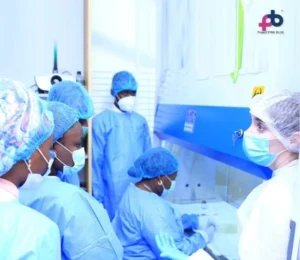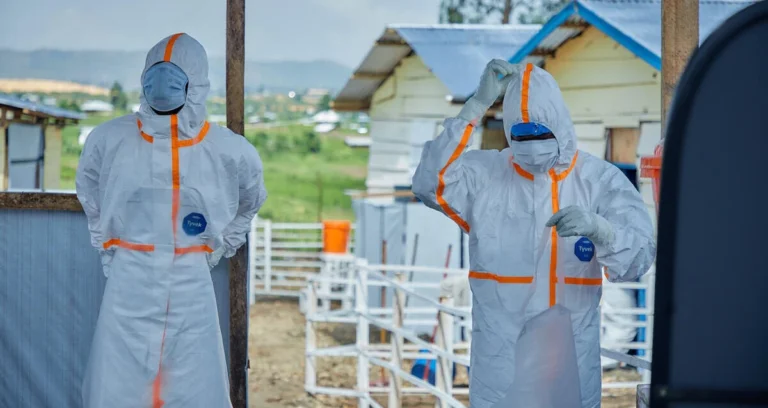
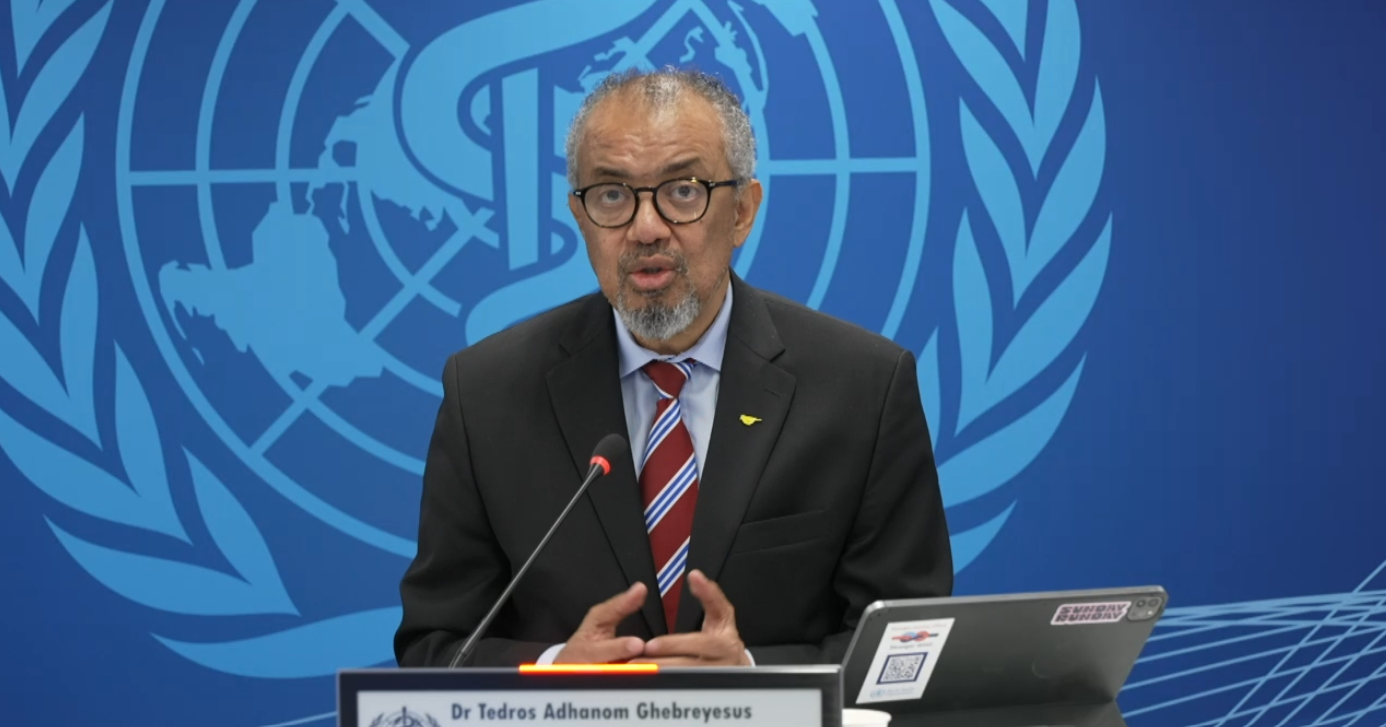
The protracted Ebola Bundibugyo virus outbreak in the Democratic Republic of Congo (DRC) is presenting a complex and fragmented epidemiological landscape, characterized by early signs of containment in its original epicenter alongside escalating transmission in neighboring provinces. Speaking at a Geneva press briefing, World Health Organization (WHO) Director-General Dr. Tedros Adhanom Ghebreyesus, alongside senior health officials, provided a comprehensive update on the multi-province health emergency. While local containment measures have begun to bear fruit in the northeastern Ituri province, a rapid surge of infections in North Kivu and surrounding regions underscores the volatile and unpredictable nature of the epidemic.
Since the outbreak first surfaced in Ituri in April and was subsequently classified as a Public Health Emergency of International Concern (PHEIC) by the WHO in May, the cumulative toll of the epidemic has grown significantly. National health authorities have recorded more than 7,200 total cases and over 3,500 deaths spanning seven provinces across the vast Central African nation. The sheer geographic scale of the DRC—roughly equivalent to the size of Western Europe—has compounded the difficulty of mounting a unified public health response, transforming what might otherwise be a localized crisis into a constellation of distinct outbreaks requiring tailored interventions.
Evolving Epidemiological Trends Across DRC Provinces
The trajectory of the Ebola Bundibugyo outbreak varies dramatically depending on the region. In Ituri province, where the virus first emerged, public health officials have documented encouraging, albeit tentative, signs of slowing transmission. However, this deceleration is occurring against a backdrop of persistently high infection rates. During the preceding week alone, Ituri accounted for approximately 300 new cases and 160 deaths, representing nearly half of the national total.

Conversely, the situation in North Kivu province to the south has deteriorated rapidly. Weekly case counts in North Kivu have nearly doubled over a two-week period, surging from approximately 100 to 200 reported infections. Elsewhere in the country, mixed signals from major urban centers, remote villages, mining operations, and border zones make it exceedingly difficult for epidemiologists to define a single national epidemic curve. Major cities like Kisangani, home to 1.5 million residents, present distinct urban transmission risks, while sparsely populated rural areas near the border with South Sudan experience high rates of population mobility that complicate contact tracing and surveillance efforts.
Logistical barriers further exacerbate these public health challenges. In numerous operational zones, infrastructure remains severely degraded, rendering unpaved roads impassable and forcing response teams to rely on small aircraft to deliver medical supplies and personnel. Furthermore, while the overwhelming majority of Congolese citizens have actively supported the public health response, a small minority of localized security incidents—including attacks on aid workers and health facilities—have periodically hampered relief efforts.
Humanitarian Crisis and Socio-Political Complexities
The public health response to the Ebola outbreak cannot be divorced from the catastrophic humanitarian crisis unfolding across eastern DRC. Years of armed conflict, most notably involving the powerful, Rwanda-backed M-23 militia and government forces, have resulted in mass displacement, economic devastation, and systemic food insecurity. The resurgence of hostilities in late 2024 and early 2025 drastically worsened conditions, as insurgent forces seized large swaths of eastern territory, including the regional capital of Goma, triggering waves of internal displacement.
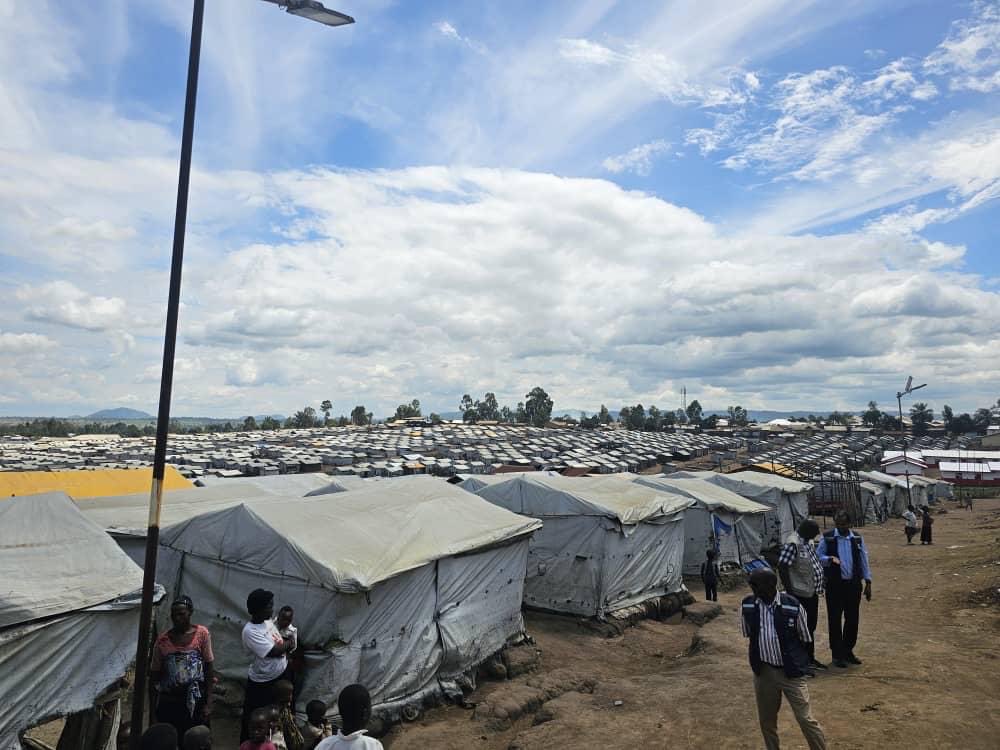
Dr. Tedros highlighted the severity of the population displacement, noting that nearly one million people are currently sheltered in refugee and internally displaced persons (IDP) camps in Ituri alone. This widespread displacement, coupled with acute hunger, has fundamentally altered health-seeking behaviors among vulnerable populations. Individuals facing immediate survival pressures are increasingly reluctant to visit health clinics for preventative care or early treatment, resulting in elevated rates of maternal and newborn mortality, as well as unmanaged complications from endemic chronic conditions such as HIV.
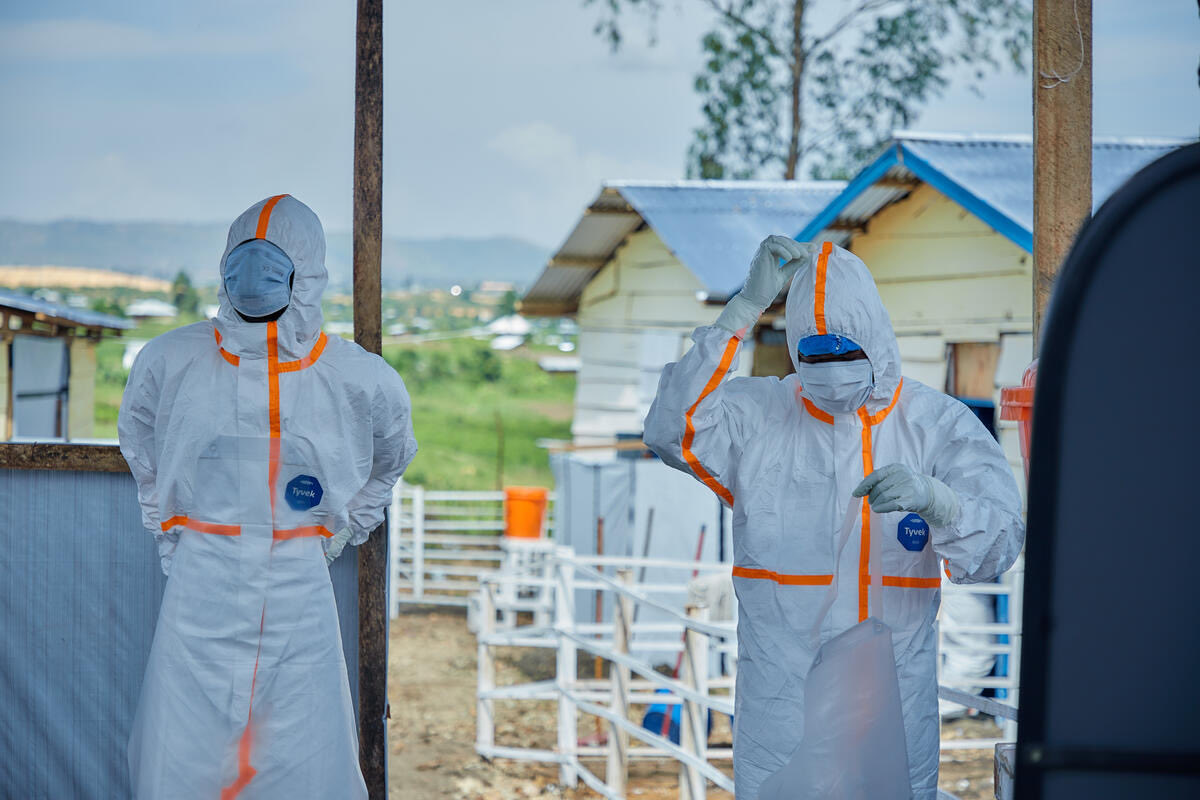
Moreover, the heavy international footprint of the Ebola response has occasionally exacerbated local tensions and resentment. Years of unaddressed socioeconomic challenges have left communities feeling neglected, leading some residents to view the massive influx of foreign health workers and resources as a manifestation of self-interested protectionism by Western nations fearful of international viral spread, rather than a genuine commitment to local welfare. Although community attitudes have slowly shifted as the true lethality of the virus becomes apparent, public health officials note that many citizens view Ebola as a lesser threat compared to the daily struggle for physical security and economic survival.
To address these compounding challenges, humanitarian organizations have appealed for $1.1 billion to tackle the root causes of the DRC’s crisis, alongside a separate $1.3 billion appeal specifically designated for the operational Ebola response.
Vaccine Rollout, Observational Trials, and Therapeutic Innovations
In response to the escalating crisis, international health agencies and local authorities have accelerated clinical trials and vaccination campaigns. The immediate operational focus has centered on the rollout of the ERVEBO vaccine—traditionally approved for the Zaire Ebolavirus strain—among frontline health workers in regions such as Kisangani, the capital of Tshopo province.
Because no licensed vaccine currently exists specifically for the Bundibugyo strain, health authorities are administering ERVEBO within the framework of observational trials to evaluate whether it offers cross-protection against Bundibugyo disease morbidity and mortality. Meg Doherty, Director of the WHO Department of Science for Health, reported that more than 3,000 individuals have been vaccinated in Kisangani. Additionally, Médecins Sans Frontières (MSF) is preparing to launch a larger-scale study involving approximately 20,000 frontline health workers to assess the vaccine’s real-world impact.
Concurrently, laboratory investigations are scheduled to commence within weeks to analyze blood samples from ERVEBO recipients. Led by the University of Antwerp and the DRC’s Institut National de Recherche Biomédicale (INRB), these studies will determine whether antibodies generated against the Zaire strain can confer cross-neutralizing immunity against the Bundibugyo virus.
Looking ahead, the WHO plans to introduce strain-specific vaccine candidates sequentially. These include the ChAdOx1-EBOV candidate, developed by the Oxford Vaccine Group in partnership with the Serum Institute of India, which utilizes the adenovirus vector platform from the Oxford/AstraZeneca COVID-19 vaccine and is currently undergoing Phase 1 trials. Also in development is Moderna’s mRNA-1469 candidate, which leverages messenger RNA technology to target the Bundibugyo surface glycoprotein and entered Phase 1 human trials in Canada in August with backing from the Coalition for Epidemic Preparedness Innovations (CEPI).
Global Preparedness and Policy Implications
Addressing the Geneva press corps, Dr. Tedros used the ongoing DRC crisis to underscore the systemic vulnerabilities in global health security. He urgently appealed to WHO and United Nations member states to approve a comprehensive draft declaration on Pandemic Prevention, Preparedness, and Response ahead of its consideration at the UN General Assembly’s High-Level Meeting.
Tedros argued that the international community remains insufficiently prepared for biological threats, noting that a formal UN declaration would facilitate a transition from reactive, ad hoc interventions—characteristic of many historical epidemic responses—to structured, coherent multilateral mechanisms. The proposed draft commits signatory nations to expanding decentralized research and regionally diversified manufacturing capacities, ensuring that vaccines, diagnostics, and therapeutics can be equitably produced, distributed, and accessed within the first 100 days of an emerging pandemic threat.
Furthermore, the declaration emphasizes the institutionalization of a "One Health" approach, inclusive community engagement strategies, coordinated action against misinformation, and strengthened implementation of the WHO International Health Regulations (IHR). These legally binding regulations mandate that member states promptly notify the WHO of any public health event posing cross-border epidemic risks and coordinate mutual assistance.
Concurrently, negotiations continue in Geneva regarding the Pathogen Access and Benefit-sharing (PABS) annex to the broader WHO Pandemic Agreement. Tedros stressed the critical importance of finalizing these negotiations to enable the formal ratification and entry into force of the overarching agreement, framing it as an indispensable safeguard for future global health security architecture.