Nigeria has significantly escalated its commitment to fortifying its national software infrastructure and digital governance framework, a pivotal move aligned with a broader, ambitious strategy to secure data sovereignty, cultivate indigenous technological capacity, and position the nation as a leader in Africa’s burgeoning digital economy. This concerted effort, spearheaded by the National Information Technology Development Agency (NITDA), is meticulously designed to foster the creation of high-standard regulatory policies. These policies are intended not only to enhance digital integration across various sectors but critically, to ensure that vital national digital systems and the invaluable data they process remain firmly under domestic control, safeguarding national interests in an increasingly interconnected and complex global digital landscape.
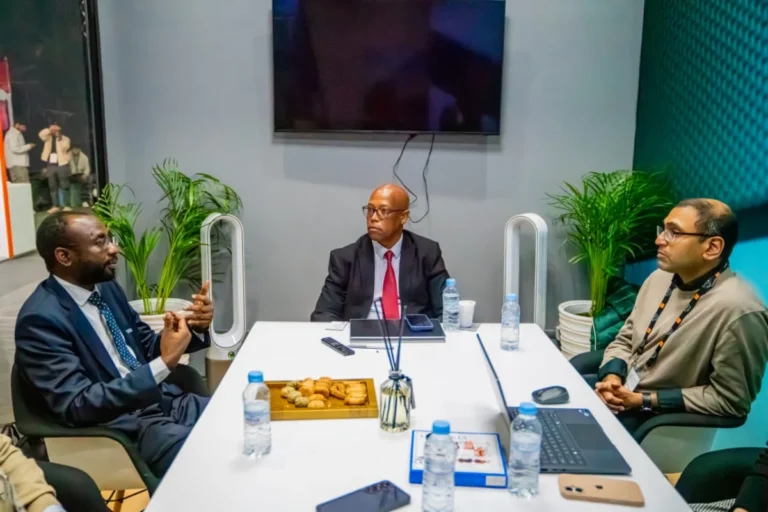
The immediate context for these pronouncements came during a high-level engagement between NITDA’s management and representatives from Ericsson at the GITEX Africa summit in Morocco. Kashifu Inuwa, the Director-General of NITDA, articulated Nigeria’s digital strategy with remarkable clarity, emphasizing that the nation’s focus is squarely on achieving long-term technological independence and securing its own national interests, rather than being drawn into or aligning with existing global geopolitical rivalries that often characterize the technology sector. This stance signals a pragmatic and forward-looking approach, prioritizing self-determination and sustainable growth over short-term political expediency.
The Vision for Digital Sovereignty: Beyond Geopolitics
Inuwa’s statements underscored a profound shift in Nigeria’s approach to digital development. "We are building our national software infrastructure. We are coming up with very high-standard regulatory policies that will help us build capacity for digital software integration," he stated. He further clarified the underlying philosophy, asserting, "For me, it is not about politics. It is not about geo-tech politics. It is not about banning China. It is about how we, as a country, have control and can shape our digital future." This declaration firmly establishes that Nigeria’s ambition is rooted in strategic self-reliance, aiming to cultivate an ecosystem where the nation can innovate, control, and benefit from its digital assets.
This strategic direction is not about erecting digital barriers but about ensuring equitable value creation. Inuwa elaborated that Nigeria is not pursuing an exclusionary stance towards global technology players. Instead, it seeks to forge balanced and mutually beneficial partnerships that ensure tangible value creation within the country’s borders. "We are not saying we are banning hyperscalers from coming. We want them to come, work with local partners, create value in Africa, and let us capture that value here," he affirmed. This approach encourages foreign direct investment and technological transfer while simultaneously nurturing local talent and enterprise, creating a synergistic environment for growth.
Global Precedents and Regulatory Alignment
Nigeria’s pursuit of digital sovereignty is not an isolated phenomenon; it aligns with a growing global trend among nations and regional blocs seeking greater control over their digital destinies. Inuwa drew insightful parallels with international regulatory models, specifically referencing the European Union’s pioneering legislative efforts such as the Digital Markets Act (DMA), the Digital Services Act (DSA), and the Data Governance Act (DGA). These comprehensive frameworks demonstrate how developed economies are increasingly asserting digital sovereignty through structured policy frameworks designed to regulate market power, protect user rights, and manage data flows.
According to Inuwa, Nigeria’s strategic approach mirrors this global consensus: digital infrastructure must be recognized and treated as critical national infrastructure. He pointed to an existing executive order in Nigeria that already designates digital infrastructure as such, underscoring that the foundational legal framework is already in place. However, he also acknowledged the inherent complexity and time-consuming nature of building a fully sovereign digital system. "We already have an executive order that makes all digital infrastructure a national critical infrastructure," he said. "But building a fully sovereign digital system takes time. Even the EU did not achieve it overnight." This perspective highlights a realistic understanding of the journey ahead, emphasizing sustained effort and long-term vision.
Fostering Local Intelligence and Value Creation
A cornerstone of this ambitious policy direction is the unwavering commitment to ensuring that data generated within Nigeria remains protected and serves the nation’s interests. Concurrently, there is a strong emphasis on fostering the development of local intellectual capacity and digital intelligence. "We want to keep the intelligence in our country. We want to be part of creating value, not just receiving technology," Inuwa stated passionately. This philosophy aims to move Nigeria beyond being merely a consumer of foreign technology to becoming a significant contributor and innovator in the global digital economy.
Inuwa also drew critical parallels with historical imbalances in global industrial development, where African nations have often served as primary sources of raw materials, cheap labor, and, more recently, vast quantities of data, without consistently reaping commensurate benefits from the value-added industries built upon these contributions. "We don’t want a repeat of previous industrial revolutions where Africa was left behind. This time, it is about value creation and building our own digital offerings," he asserted. This historical awareness informs the current strategy, which seeks to prevent a similar scenario in the ongoing digital revolution, ensuring Nigeria is an active participant in shaping and benefiting from technological advancements.
Crucially, discussions are actively ongoing regarding robust frameworks for data ownership, particularly as emerging technologies and industrial systems increasingly generate vast amounts of machine-generated data. Control over this data is widely anticipated to be a defining factor in future regulatory landscapes and economic power dynamics. The federal government is expected to unveil clearer and more detailed policy directions in the coming months, which will serve as integral components of its broader national digital transformation agenda. This ongoing development signifies a dynamic and evolving policy environment designed to adapt to rapid technological shifts.

Background and Chronology: A Strategic Trajectory
Nigeria’s drive towards digital sovereignty is not a sudden initiative but rather a culmination of strategic efforts and growing awareness of the digital economy’s importance. NITDA, established in 2001, has consistently been at the forefront of implementing the Nigerian Information Technology Policy and driving the country’s digital transformation agenda. Its mandate includes developing and regulating the IT sector, fostering local content, and promoting digital literacy. The current emphasis on national software infrastructure and data governance is a natural evolution of this mandate, reflecting global shifts and national imperatives.
The GITEX Africa summit in Morocco provided a crucial platform for these discussions, highlighting the continent-wide recognition of the digital economy’s potential. Nigeria’s active participation underscores its intent to lead in this space. The existing executive order designating digital infrastructure as critical national infrastructure provides a legal bedrock for these initiatives, signaling governmental commitment at the highest levels. While the specific date of this executive order was not detailed, its existence confirms a long-standing recognition of the strategic importance of digital assets. The "coming months" for clearer policy directions indicate a well-structured rollout, allowing for stakeholder consultation and robust policy formulation. This gradual approach mirrors the EU’s multi-year legislative process for its digital acts, acknowledging that fundamental systemic changes require careful planning and execution.
Supporting Data: Nigeria’s Digital Landscape
Nigeria, with its estimated population exceeding 220 million, represents Africa’s largest economy and boasts one of the continent’s most vibrant digital ecosystems. The Information and Communications Technology (ICT) sector has been a significant contributor to the nation’s Gross Domestic Product (GDP). For instance, the National Bureau of Statistics (NBS) reported that the ICT sector contributed 17.47% to Nigeria’s real GDP in Q2 2023, surpassing traditional sectors like oil and gas. Internet penetration has steadily climbed, with over 160 million active internet subscriptions as of late 2023, reflecting a vast and growing digital user base. This presents both immense opportunities for local value creation and significant challenges in data governance and security.
The potential economic value of data in Nigeria is colossal. As more aspects of daily life, commerce, and governance become digitized, the data generated – from consumer behavior to industrial telemetry – can fuel innovation, improve public services, and drive economic growth, provided it is managed securely and equitably. Globally, the data economy is projected to reach trillions of dollars, and Nigeria aims to ensure it captures a substantial share of this value, rather than merely exporting raw data for others to monetize. This ambition is further bolstered by a burgeoning tech startup scene, which has attracted significant venture capital investment, highlighting the latent innovation capacity within the country.
Industry Perspective: Ericsson’s Enduring Partnership
On the industry side, Ericsson, a global leader in telecommunications technology, reaffirmed its long-standing and deeply rooted presence in Nigeria. Amos Haddebe, Ericsson’s Director for Government and Policy Advocacy in Africa, highlighted the company’s extensive history, having operated in Nigeria for over 50 years. This half-century of collaboration has seen Ericsson support the evolution of Nigeria’s telecommunications infrastructure from the nascent stages of 2G to the cutting-edge deployments of 5G, playing a crucial role in connecting millions of Nigerians.
Haddebe emphasized Ericsson’s ongoing collaboration with major operators, including the MTN Group, as part of its commitment to advancing Nigeria’s digital transformation journey. This collaborative spirit is formalized through a Memorandum of Understanding (MoU) signed with the Nigerian government in October 2024. This MoU outlines four key pillars of cooperation, designed to foster innovation and build local capacity:
- Establishment of a Joint Innovation Hub: This hub aims to serve as a center for research, development, and co-creation of digital solutions, bringing together local talent and Ericsson’s global expertise.
- Organization of a National Hackathon: This initiative is designed to unearth and nurture local tech talent, encouraging innovative problem-solving and the development of indigenous digital solutions. Haddebe disclosed that this national hackathon, launched under the supervision of the Vice President, is already underway and will be integrated into broader innovation initiatives.
- Digital Skills Development Programmes: These programs are crucial for equipping Nigeria’s youth and workforce with the necessary skills to thrive in the digital economy, bridging the talent gap and ensuring a sustainable pipeline of skilled professionals.
- Exchange of Best Practices: This pillar focuses on knowledge transfer and sharing insights on regulatory frameworks, technological advancements, and operational efficiencies to enhance Nigeria’s digital ecosystem.
Addressing wider industry challenges, Haddebe issued a pertinent warning regarding intensifying competition within Africa’s telecoms sector. He strongly advocated for governments to recognize and treat ICT infrastructure as a national security priority, underscoring its foundational role in economic stability and societal well-being. Furthermore, he championed the importance of a diversified vendor ecosystem, arguing that it enhances resilience and provides critical protection for national digital systems against single points of failure or undue external influence. This aligns perfectly with Nigeria’s goal of fostering a robust and secure digital environment.
Broader Impact and Implications
Nigeria’s intensified drive for digital sovereignty and local tech capacity carries profound implications across multiple dimensions:
- Economic Growth and Diversification: By fostering a national software infrastructure and local intellectual capacity, Nigeria aims to move beyond a resource-dependent economy. This strategy promises to stimulate job creation, attract foreign investment in the tech sector, and significantly boost the contribution of the digital economy to the national GDP. The focus on value creation rather than just technology consumption will lead to higher-paying jobs and a more resilient economic structure.
- National Security and Resilience: Designating digital infrastructure as critical national infrastructure and ensuring data sovereignty are paramount for national security. It mitigates risks associated with cyber espionage, data breaches, and foreign control over essential services. A diversified vendor ecosystem further enhances resilience against supply chain disruptions and geopolitical pressures.
- Innovation and Entrepreneurship: The establishment of innovation hubs, hackathons, and digital skills programs will catalyze a vibrant ecosystem of innovation. This will empower local entrepreneurs, foster the development of indigenous solutions tailored to Nigerian challenges, and potentially position Nigeria as an innovation hub for the African continent.
- Regional Leadership: By demonstrating a clear and strategic path towards digital sovereignty and self-reliance, Nigeria can serve as a model and inspiration for other African nations grappling with similar challenges. Its success could foster greater regional collaboration and a stronger collective voice in global digital governance discussions.
- Challenges and Opportunities: While the vision is clear, implementation will face challenges including securing adequate funding, attracting and retaining top talent, overcoming infrastructural deficits in some regions, and navigating complex international trade and technology transfer regulations. However, these challenges also present immense opportunities for public-private partnerships, targeted investments, and innovative policy solutions.
In conclusion, the discussions at GITEX Africa underscore Nigeria’s strategic pivot towards a more self-reliant, secure, and competitive digital future. By prioritizing digital sovereignty, fostering local capacity, and engaging in strategic global partnerships that ensure value creation within its borders, Nigeria is meticulously charting a course to not only safeguard its national interests but also to emerge as a formidable force in the global digital economy. This ambitious undertaking represents a critical step in ensuring that Nigeria is a shaper, not merely a recipient, of the ongoing global digital transformation.