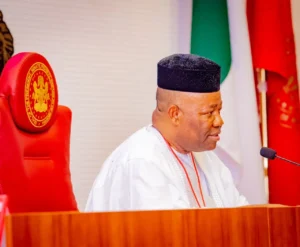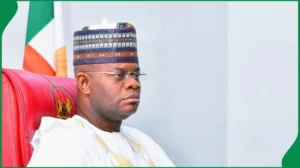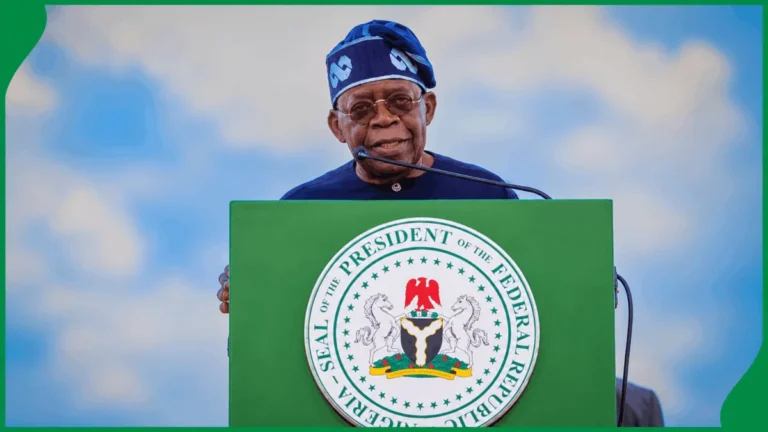
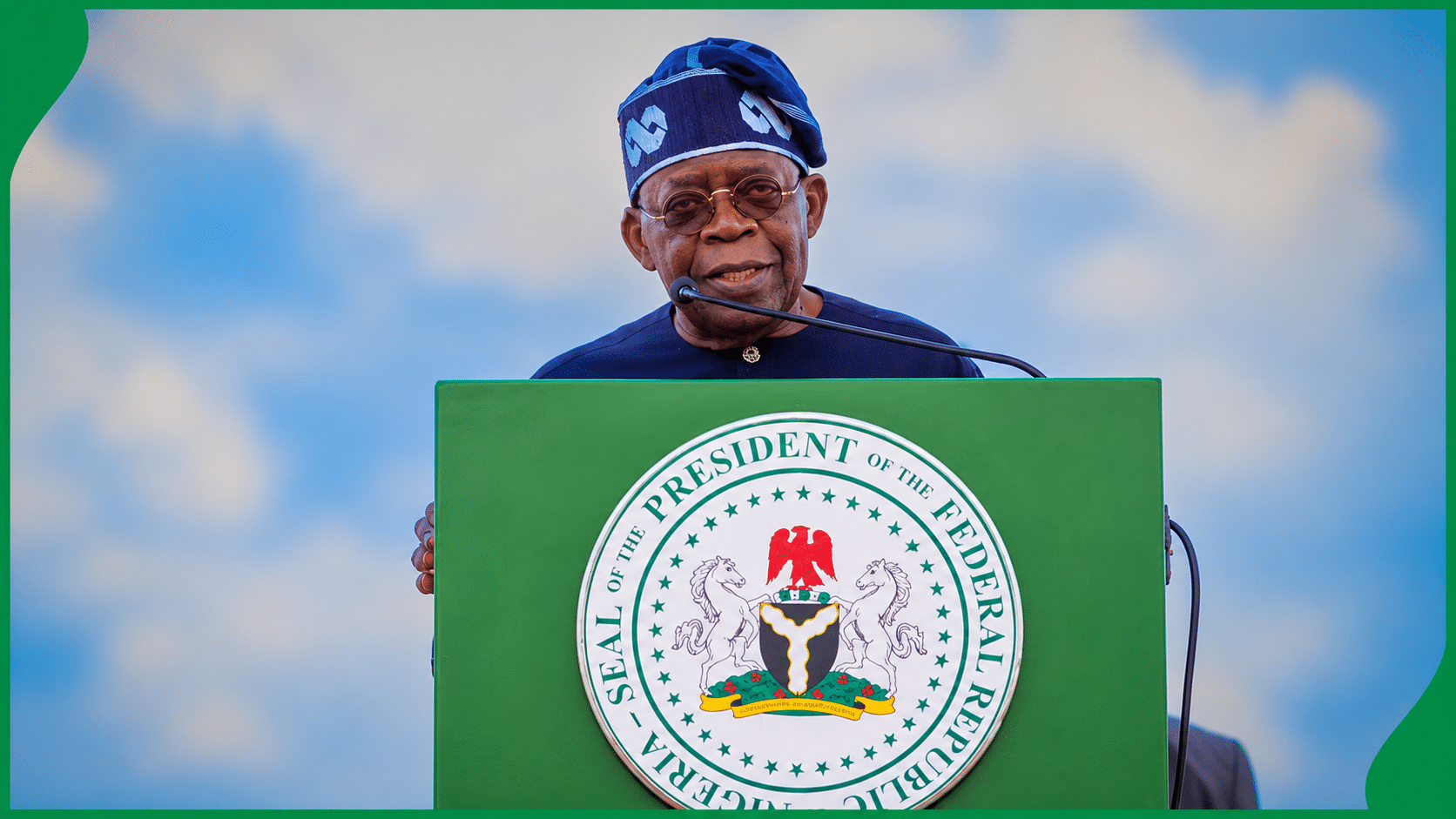
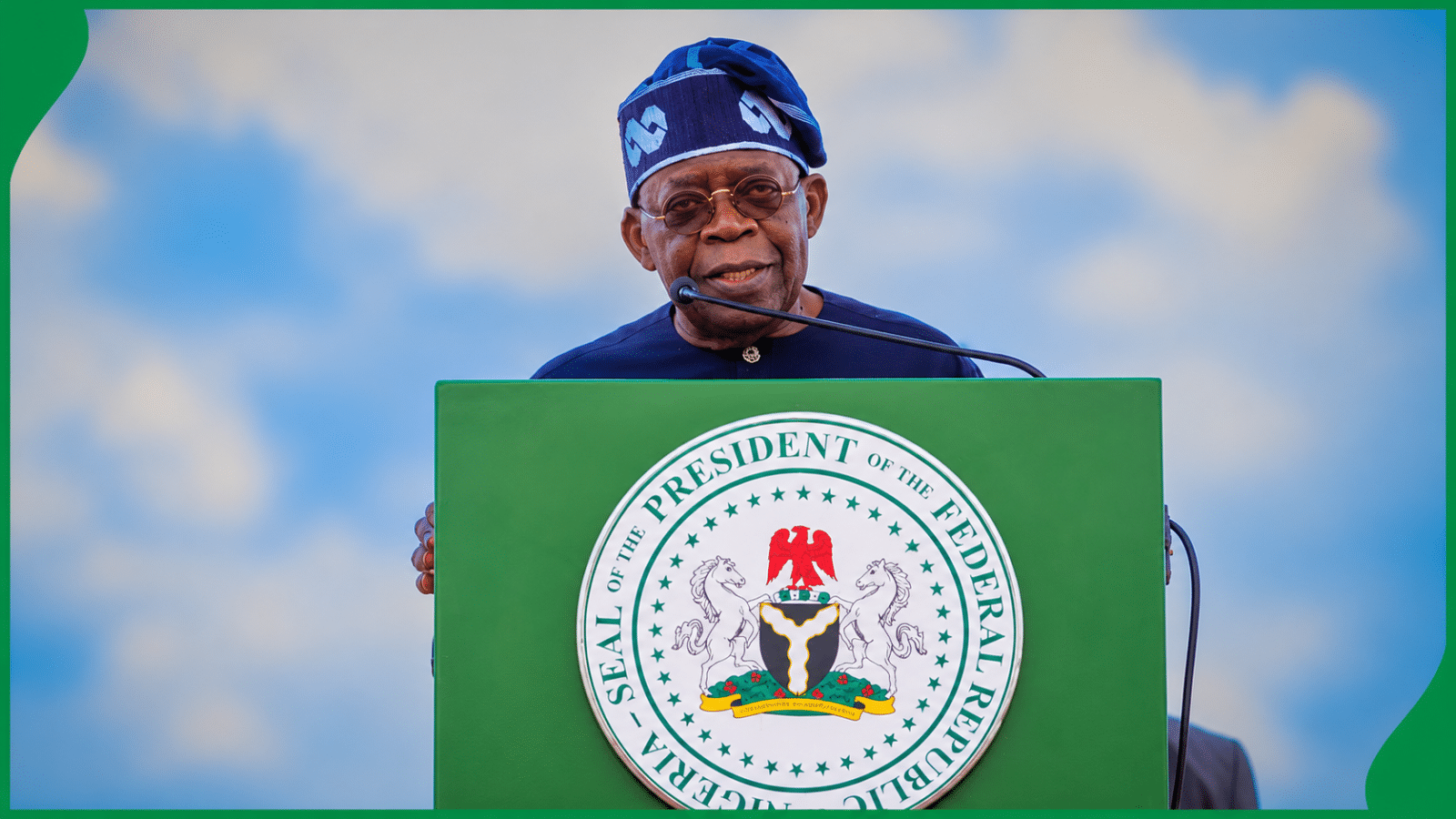
President Bola Tinubu has formally signaled his strategic priorities for the 2027 general elections by publicly endorsing key All Progressives Congress (APC) gubernatorial candidates in the South-West geopolitical zone. During a high-profile campaign rally at the historic Mapo Hall in Ibadan, Oyo State, on Saturday, November 21, 2026, the President consolidated the party’s frontlines by raising the hands of Senator Sharafadeen Alli, Senator Solomon Olamilekan Adeola, and Deputy Governor Obafemi Hamzat, designating them as the party’s standard-bearers for Oyo, Ogun, and Lagos states, respectively.
The rally, which marked the seventh stop of the President’s national re-election campaign tour—following the commencement of the exercise in Kaduna on October 24, 2026—served as a definitive display of political machinery. Despite the celebratory nature typically associated with such rallies, the atmosphere in Ibadan was notably somber. President Tinubu explicitly ordered that the proceedings be stripped of the usual pageantry and fanfare as a gesture of mourning for the victims of the tragic boat accident that occurred on Friday in the Ukubie community of Southern Ijaw Local Government Area, Bayelsa State. The President emphasized that the decision to limit the event’s intensity was a mark of respect for the deceased and a gesture of solidarity with their grieving families.
Strategic Implications of the Endorsements
The endorsements are viewed by political analysts as a calculated move to solidify the APC’s grip on the South-West, a region that serves as the party’s traditional power base. By endorsing Senator Sharafadeen Alli in Oyo, the APC is mounting a direct challenge to the incumbent Governor, Seyi Makinde. Governor Makinde, a prominent figure in the opposition, has recently pivoted toward a national ambition under the banner of the Allied Peoples Movement (APM), creating a volatile political climate in Oyo State. The APC’s selection of Senator Alli, who emerged as a consensus candidate following extensive intra-party consultations in May 2026, is intended to provide a unified front against the Governor’s political apparatus.
In Ogun State, the endorsement of Senator Solomon Olamilekan Adeola—widely known as "Yayi"—represents a consolidation of the party’s influence in the state’s western senatorial district. Similarly, the public backing of Obafemi Hamzat, the incumbent Deputy Governor of Lagos State, reinforces the party’s commitment to continuity in the nation’s commercial nerve center. Hamzat, who has served as the second-in-command to the current administration, is positioned as a stabilizing force expected to maintain the policy trajectory of the Lagos APC establishment.
Chronology of the Campaign Trail
The 2026 campaign cycle has been characterized by an aggressive push by the ruling party to secure regional strongholds. The following timeline outlines the progression of the President’s re-election efforts:
- October 24, 2026: Official commencement of the APC national re-election campaign in Kaduna State.
- Late October – Mid November 2026: The President and his campaign team visited five additional states, focusing on infrastructure project inaugurations and stakeholder engagement.
- November 21, 2026: The South-West leg of the campaign at Mapo Hall, Ibadan, featuring the formal endorsement of candidates for Oyo, Ogun, and Lagos.
- November 22, 2026 (Forward): Expected mobilization of local campaign committees across the South-West to translate the President’s endorsement into grassroots support.
The Significance of the Oyo Governorship Contest
The contest in Oyo State has emerged as a focal point for the 2027 elections. Historically, the state has been a battleground for competing political interests, and the APC’s determination to unseat the current administration is underscored by the high-stakes endorsement of both a governorship candidate and a senatorial candidate, Remi Oseni, for Oyo South.
For the APC, capturing Oyo is not merely about state-level governance; it is about ensuring that the South-West remains a monolithic voting bloc for the party at the national level. The inclusion of Vice-President Kashim Shettima, along with a delegation of APC governors and federal lawmakers at the Ibadan rally, underscores the national leadership’s investment in this outcome. The presence of such high-ranking officials serves as a signal to the electorate that the party is operating as a cohesive unit.
Addressing the Tragedy in Bayelsa
The President’s decision to temper the rally highlights the intersection of governance and national mourning. Following the disaster in Southern Ijaw, where multiple lives were lost, the President issued a directive to his campaign council to ensure that the Ibadan event remained low-key. In his address to the supporters gathered at Mapo Hall, President Tinubu stated that the choice to forego the usual festive atmosphere was taken "in honour of the lives lost and in sympathy with the relatives and families of those involved in the disaster." This move was widely interpreted as an attempt to maintain a presidential image of empathy, balancing the necessities of electoral politics with the realities of national tragedy.
Analytical Overview: The Path to 2027
As the nation approaches the 2027 general elections, the APC’s strategy appears to be one of "consolidation through consensus." By identifying candidates early and securing the President’s public blessing, the party aims to mitigate internal friction—a common precursor to electoral losses in the region.
However, the opposition is not remaining idle. The transition of Governor Seyi Makinde to the APM and his pursuit of the presidency introduces a variable that could disrupt traditional voting patterns. The upcoming months will likely see an intensification of campaign rhetoric and policy debates. Political observers note that the APC’s reliance on the "Tinubu factor"—the perceived enduring popularity of the President in his home region—will be tested against the shifting economic and social landscape of the country.
Furthermore, the role of the National Assembly members, such as Senators Alli and Adeola, remains critical. As legislative heavyweights, they provide the APC with a dual advantage: the ability to influence policy in Abuja and the capacity to mobilize local constituencies on the ground. The party’s success will ultimately depend on its ability to maintain these alliances while addressing the economic grievances that currently dominate the national discourse.
Official Responses and Party Unity
While the opposition has raised questions regarding the impact of these endorsements on the democratic process within the party, APC leadership maintains that the process was transparent and inclusive. Party spokespersons have noted that the consensus-building approach used to select Senator Alli and others was designed to prevent the protracted litigation and internal divisions that have plagued past cycles.
The presence of the Vice-President and the party’s top brass in Ibadan was also a deliberate attempt to project an image of party unity. By aligning the legislative candidates with the executive’s endorsement, the APC is aiming to reduce the risk of "anti-party" activities, where members might support candidates from rival parties in specific tiers of the election.
Conclusion
The rally at Mapo Hall has effectively launched the APC’s campaign in the South-West. With the President’s seal of approval on the candidates for Oyo, Ogun, and Lagos, the party has set the stage for a competitive season. Whether this high-level backing will translate into electoral success remains a matter for the ballot box in 2027. For now, the focus shifts to the legislative and executive coordination of the campaign as the APC seeks to maintain its dominance in a region that remains crucial to its long-term political survival and national agenda. The coming months will undoubtedly reveal the resilience of these endorsements against the backdrop of an increasingly complex political environment.