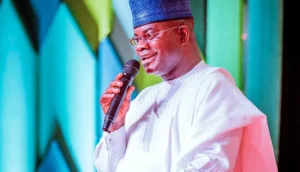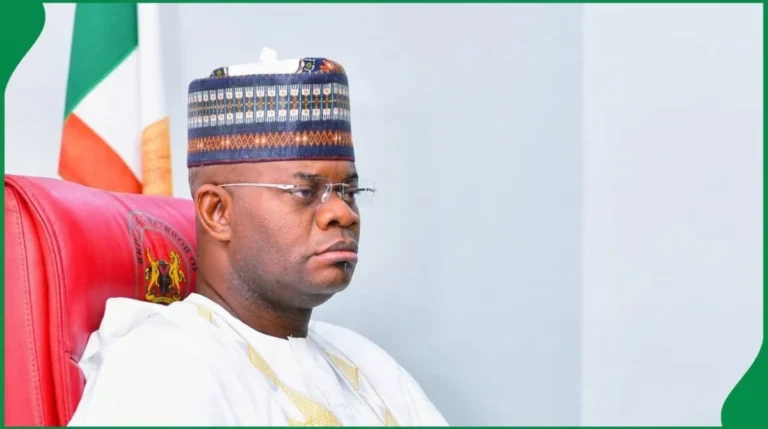
The political landscape of Kogi State has remained a subject of intense scrutiny following the transition of power from former Governor Yahaya Bello to his successor, Ahmed Usman Ododo. In a recent interview with Channels Television, the former governor addressed lingering allegations that he unilaterally imposed Ododo on the electorate during the 2023 governorship election cycle. Bello, who served two terms as the state’s chief executive, firmly rejected these claims, asserting that the selection process was merit-based and reflective of the broader consensus within the All Progressives Congress (APC).
Contextualizing the 2023 Gubernatorial Transition
The 2023 governorship election in Kogi State was marked by significant political maneuvering. Following the conclusion of Yahaya Bello’s tenure, the party faced the daunting task of selecting a candidate who could maintain the momentum of the "New Direction" administration. The selection of Ahmed Usman Ododo, the former Auditor General for Local Government, sparked debates across the state’s diverse geopolitical zones. Critics often pointed to the fact that both Bello and Ododo hail from the Kogi Central Senatorial District, leading to accusations of regional favoritism and a disregard for power rotation arrangements that many stakeholders expected to favor other districts.
Bello’s defense rests on the premise that the party’s internal selection process prioritized professional capability and performance metrics over ethnic or regional demographics. By positioning Ododo as the most qualified candidate among several contenders, the former governor aimed to shift the narrative from identity politics to administrative continuity.
A Chronology of the Political Shift
The path to the 2023 election began with the internal APC primary elections, which saw a crowded field of aspirants. The following timeline provides insight into the progression of this political transition:
- Early 2023: As the tenure of the Yahaya Bello administration neared its end, speculation grew regarding his potential successor. The "New Direction" team signaled a desire for a candidate with deep institutional knowledge of the state’s fiscal and administrative structures.
- April 2023: The APC held its primary elections in Lokoja. Ahmed Usman Ododo emerged as the flagbearer, defeating several high-profile challengers. This triggered immediate criticism from opposition parties and some party insiders who argued that the process was heavily influenced by the outgoing governor.
- November 2023: The general election took place amidst high tension. Despite localized unrest and intense opposition campaigning, the Independent National Electoral Commission (INEC) declared Ododo the winner, securing his mandate to lead the state.
- January 2024: Governor Ododo was sworn into office, marking the official commencement of his administration.
- Late 2026: As the current administration approaches its three-year mark, political discourse has intensified regarding the performance of the incumbent and the legacy of his predecessor, prompting Bello to address the "imposition" narrative publicly.
Evaluating Performance and Administrative Continuity
A core component of Bello’s defense is the argument that Ododo’s performance justifies the party’s decision. During his tenure as Auditor General for Local Government, Ododo was at the center of the state’s fiscal reform efforts, an experience that Bello argues prepared him for the rigors of the governorship.
"Governor Ahmed Usman Ododo is proving that he is his own man," Bello stated, emphasizing that the current administration is focused on executing projects that align with the developmental blueprints established during his own tenure. Supporters of the current administration point to ongoing infrastructure projects, the streamlining of civil service payments, and the maintenance of internal security as evidence that the transition has been effective.

However, critics argue that the reliance on the "New Direction" template stifles innovation and limits the diversity of policy approaches required to address the state’s evolving economic challenges. The ongoing debate underscores a fundamental tension in Nigerian state politics: the balance between ensuring continuity in governance and providing fresh leadership perspectives.
Socio-Political Implications for Kogi State
The assertion by Yahaya Bello that he has "no regrets" regarding the selection of Ododo carries significant weight for the APC’s future in the state. If the former governor’s confidence in his successor’s electability for a second term is to be realized, the Ododo administration must navigate several critical challenges:
- Geopolitical Inclusion: The perceived dominance of the Kogi Central Senatorial District in state leadership continues to be a point of friction. To maintain long-term stability, the administration will likely need to engage more proactively with the Kogi East and Kogi West districts to ensure a sense of equitable representation.
- Economic Sustainability: As the state navigates current national economic pressures, including inflation and budgetary constraints, the ability of the Ododo administration to manage the state’s debt profile and stimulate local economic activity will be the primary metric by which voters judge his performance in the upcoming cycle.
- Security and Social Cohesion: Kogi State serves as a critical gateway between Northern and Southern Nigeria. Maintaining the security gains recorded during the Bello years while addressing social grievances will be essential for the administration’s continued legitimacy.
Analytical Perspective on Political Mentorship
The relationship between Yahaya Bello and Ahmed Usman Ododo serves as a case study in political mentorship within the Nigerian context. In many state administrations, the "godfather" model—where a predecessor retains control over the incumbent—often leads to friction or administrative paralysis. Bello’s insistence that he provided "decisive leadership" during a time of need suggests that he views himself as a political mentor who has successfully groomed a successor capable of carrying the torch.
From a detached political science perspective, the success of this transition depends on whether Ododo can eventually differentiate his governance style sufficiently to build a personal mandate, while simultaneously honoring the political structure that brought him to power. The "imposition" narrative is a common feature of Nigerian politics, often used by defeated aspirants to discredit the winner. However, in the case of Kogi, the persistence of these claims highlights a genuine desire among the populace for broader political participation and a move away from legacy-driven successions.
Conclusion: Looking Toward the Future
As the 2027 election cycle begins to take shape in the minds of the electorate, the focus will inevitably shift toward the performance records of the current administration. Yahaya Bello’s public reaffirmation of his support for Governor Ododo is a strategic move to solidify the party’s base and present a united front.
Whether the electorate in Kogi State shares this confidence remains to be seen. The coming months will be crucial, as the Ododo administration will need to demonstrate that its policies are yielding tangible results that transcend the political labels of the past. For now, the debate over "imposition" vs. "merit-based selection" remains a defining narrative, reflecting the complexities of democracy in a state striving for both stability and transformation. The legacy of the transition from Bello to Ododo will ultimately be written in the ballot boxes, where the people of Kogi will decide if the current leadership truly represents the best path forward for the state.