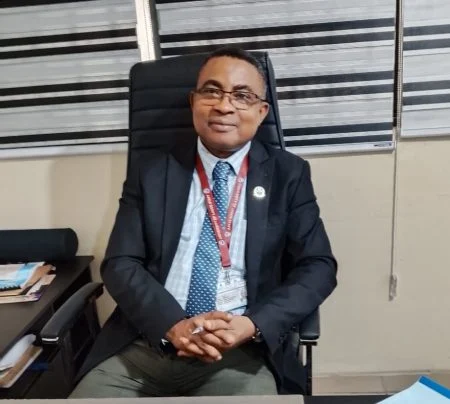
The Nigerian healthcare landscape is currently grappling with a multifaceted crisis defined by the mass exodus of skilled medical professionals—a phenomenon colloquially known as "Japa." Among the most critically affected sectors is physiotherapy, a discipline essential to patient recovery, rehabilitation, and long-term disability management. Professor U.A.C. Okafor, President of the Association of Clinical Academic Physiotherapists of Nigeria (ACAPN), has issued a clarion call for the federal government and healthcare administrators to implement immediate structural reforms. According to Professor Okafor, the combination of stagnant remuneration, limited career progression, and an environment that fails to recognize the clinical rigour of physiotherapy is systematically dismantling the nation’s capacity to provide comprehensive care.
The Anatomy of a Professional Crisis
Physiotherapy in Nigeria has long transitioned from a support service to a primary clinical pillar. However, the operational reality for practitioners remains grim. Professor Okafor notes that while the physical demands of the profession are immense—involving manual therapy for stroke patients, respiratory management for chronic pulmonary conditions, and neurological rehabilitation—the compensation packages remain largely unreflective of this high-risk, high-effort environment.
Data from the Medical and Dental Council of Nigeria and various professional bodies suggests that the disparity in remuneration between Nigerian physiotherapists and their counterparts in the United Kingdom, United States, Canada, and the Gulf Cooperation Council (GCC) countries is substantial. For many practitioners, the decision to migrate is not merely a choice but a survival strategy. As Professor Okafor pointed out in an exclusive interview, the domestic workforce is currently suffering from a "brain drain" that forces the remaining professionals to manage significantly higher patient-to-therapist ratios, leading to inevitable burnout and a decline in the quality of rehabilitative services.
A Chronology of Challenges and Milestones
The struggle for professional recognition and institutional support in Nigerian physiotherapy is not new. To understand the current climate, one must look at the historical trajectory of the field:
- Early 2000s: The shift toward standardizing physiotherapy education began, with an increased focus on moving from a Bachelor of Physiotherapy (B.PT) to a more clinical-based curriculum.
- 2015–2018: The introduction of the Doctor of Physiotherapy (DPT) program in several Nigerian universities marked a watershed moment. It elevated the academic standing of the profession, aligning it with global standards where physiotherapy is a clinical doctoral-level practice.
- 2020–2022 (The COVID-19 Era): The pandemic served as a catalyst for growth. Physiotherapists emerged as frontline heroes in the management of post-viral cardiopulmonary complications. During this period, the profession pivoted toward digital innovation, utilizing tele-rehabilitation to bridge the gap created by lockdowns.
- 2023–Present: The current period is defined by intense economic pressure. Inflation and the devaluation of the Naira have made the existing salary structures for public health workers, including physiotherapists, virtually unsustainable.
Clinical Necessity vs. Systemic Neglect
The misconception that physiotherapy is a peripheral service—often equated merely with massage or basic orthopaedic assistance—remains a significant hurdle. In reality, modern physiotherapy is evidence-based and highly specialized. Professor Okafor highlights that the burden of non-communicable diseases (NCDs) in Nigeria is shifting toward musculoskeletal disorders, which are exacerbated by sedentary lifestyles and the rise of digital dependency.
"The rise of ‘tech-neck’ and repetitive strain injuries linked to the constant use of smartphones and laptops is a public health emergency," Professor Okafor stated. "Patients often resort to painkillers, which only masks the symptoms. Proper ergonomic intervention, which is the cornerstone of physiotherapy, is the only sustainable way to address this."
The role of the physiotherapist is now integral to:

- Neurological Rehabilitation: Assisting patients post-stroke to regain motor function and independence.
- Respiratory Care: Managing airway clearance and lung capacity for patients with respiratory illnesses, a role that proved vital during the COVID-19 pandemic.
- Women’s Health and Paediatrics: Providing specialized care for developmental disabilities and maternal health.
- Sports Medicine: Managing athlete recovery and injury prevention in a nation with a burgeoning sporting sector.
The Call for Policy Intervention
The ACAPN, under Professor Okafor’s leadership, is advocating for a three-pronged policy shift. First, the association is demanding an upward review of the remuneration framework for physiotherapists in the public sector to align with international benchmarks. Second, there is a push for institutional funding for continuous professional development (CPD). Currently, many physiotherapists are forced to fund their own international certifications and conference attendance, which creates a barrier to keeping pace with global best practices.
Third, the ACAPN is urging for a greater emphasis on multidisciplinary integration. In the current model, the doctor-physiotherapist relationship is sometimes siloed. Professor Okafor argues that for optimal patient outcomes—particularly in complex cases—the physiotherapist must be involved in the initial diagnostic and treatment planning phases, rather than being a mere referral recipient at the end of the chain.
Economic and Healthcare Implications
The broader implication of neglecting the physiotherapy sector is a long-term increase in disability-adjusted life years (DALYs) lost within the Nigerian population. When stroke patients or accident victims do not receive timely, expert rehabilitation, they remain dependent on their families and the state, effectively losing their economic productivity.
"Investing in physiotherapy is, in essence, investing in the economic resilience of the country," says a healthcare analyst familiar with the sector. "When a professional is able to return a patient to their workplace through effective rehabilitation, the economic return on that treatment far outweighs the cost of the session."
Looking Toward the Future: Research and Innovation
Despite the systemic challenges, there is a palpable sense of optimism regarding the intellectual growth of the profession. The ACAPN has been instrumental in fostering a culture of research. By partnering with international bodies and emphasizing evidence-based practice, the association is ensuring that Nigerian physiotherapists are not just practitioners, but contributors to the global body of medical knowledge.
The publication of the ACAPN’s research on cardiopulmonary complications during the pandemic serves as a prime example of this evolution. It demonstrated that Nigerian professionals are capable of high-level scientific inquiry even under resource-constrained conditions.
Conclusion: A Path Forward
As the Nigerian healthcare sector faces its most challenging decade, the voice of the physiotherapist has become impossible to ignore. Professor Okafor’s appeal is not merely for the welfare of his colleagues, but for the sustainability of the national healthcare system.
The path forward requires a synergy between government policy, private sector investment, and public education. By prioritizing specialized education, competitive remuneration, and the integration of physiotherapy into the primary healthcare framework, Nigeria has the potential to transform its rehabilitation sector into a model of efficiency. However, as Professor Okafor rightly cautions, the window to prevent further loss of talent is narrowing. The time for proactive reform, rather than reactive crisis management, is now. The future of a healthier, more functional, and more resilient Nigeria depends on it.