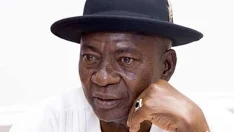
The Nigerian entertainment industry is currently in a state of mourning following the passing of veteran Nollywood actor and former professional athlete, Diewait Ikpechukwu. The seasoned performer, whose career spanned several decades and helped define the golden age of Nigerian cinema, died on Thursday, November 5, 2026, at the age of 71. His family confirmed that the actor had been battling a prolonged illness before his eventual passing, marking a significant loss for the African creative community.
A Legacy Built on Versatility and Discipline
Diewait Ikpechukwu was a man of many talents whose life trajectory took him from the competitive pitches of Nigerian football to the dramatic heights of Nollywood’s burgeoning film industry. Before he became a household name for his commanding presence on screen, Ikpechukwu established himself as a disciplined athlete. This background in professional sports often informed his approach to acting, providing him with the stamina, focus, and work ethic required to navigate the grueling production schedules of the early Nigerian film industry.
As a member of the generation that helped institutionalize Nollywood in the 1990s and early 2000s, Ikpechukwu was known for his ability to portray authoritative figures, traditional rulers, and complex antagonists with equal nuance. His filmography serves as a historical record of the evolution of Nigerian storytelling, featuring roles in seminal works that brought domestic narratives to a global audience.
Chronology of a Storied Career
Ikpechukwu’s entry into the public consciousness was not instantaneous; it was the result of years of consistent performance. While he initially gained traction through his athletic pursuits, his transition to the screen in the mid-1990s coincided with the explosion of the home video market in Nigeria.
Throughout the late 1990s and 2000s, Ikpechukwu was a fixture in productions that defined the cultural zeitgeist of the era. His performance in the 1999 classic August Meeting remains a hallmark of his technical skill, showcasing his ability to deliver powerful monologues that anchored the film’s narrative. This was followed by a string of appearances in high-profile projects, including Royal Palace, The Guilty, Across the River, and Python King. His work in Àjé Love, a film that explored complex socio-cultural themes, further solidified his reputation as a versatile actor capable of transcending genre boundaries.
The Impact of Nollywood’s Pioneer Generation
The passing of Diewait Ikpechukwu comes at a time when the Nigerian film industry is reflecting on the contributions of its foundational figures. The "pioneer" generation of Nollywood actors—those who began their careers before the advent of digital streaming and modern high-definition production—faced unique challenges. They operated in an environment with limited funding, evolving distribution networks, and varying technical standards, yet they succeeded in creating an industry that is now recognized as one of the largest in the world by output.
Data from the National Bureau of Statistics and various entertainment industry reports indicate that Nollywood contributes significantly to Nigeria’s GDP, with the creative sector accounting for billions of dollars in revenue. Actors like Ikpechukwu provided the face and the emotional weight that allowed this growth to occur. By delivering performances that resonated with millions of Nigerians, he helped establish the brand loyalty that sustains the industry today.
Analysis of the Industry’s Health and Aging Demographics
The death of an actor of Ikpechukwu’s stature inevitably brings to the fore discussions regarding the health and welfare of veteran practitioners within the Nigerian entertainment sector. In recent years, the industry has seen a troubling trend of seasoned actors facing financial and medical hardships during their later years.
While organizations such as the Actors Guild of Nigeria (AGN) have made efforts to introduce health insurance schemes and welfare support, the reality remains that many performers who laid the groundwork for the industry’s success often retire without substantial pension or medical security. Experts in the entertainment sector have noted that the lack of formal retirement planning for creative professionals remains a systemic issue. The loss of figures like Ikpechukwu serves as a poignant reminder of the need for more robust institutional frameworks to protect the legacy and the lives of those who have contributed decades of service to the arts.
Official Responses and Industry Condolences
Following the announcement of his death, tributes have begun to pour in from across the Nigerian creative spectrum. While official statements from the Actors Guild of Nigeria were being finalized at the time of writing, several colleagues and industry peers took to social media and private channels to express their grief.
"Diewait was more than just a colleague; he was a bridge between the old guard and the new," said one prominent industry producer who worked with Ikpechukwu in the early 2000s. "He brought a level of professionalism that was rare. He understood that acting was not just about the lines; it was about the presence you brought to the set. He will be deeply missed."
Fellow actors have praised his humility and his willingness to mentor younger performers who looked up to him as a seasoned professional. The consensus among those who worked with him is that he leaves behind a body of work that will continue to serve as a reference point for aspiring actors studying the history of Nigerian cinema.
The Broader Implications for Nollywood’s Future
The passing of veteran actors like Ikpechukwu creates a vacuum in the industry’s institutional memory. As Nollywood shifts toward global streaming platforms and international co-productions, the narrative techniques utilized by the pioneers of the 90s are being integrated with contemporary technology. There is a growing movement to archive and preserve the works of these veterans, ensuring that their performances are not lost to the degradation of physical media or the fragmentation of digital archives.
Furthermore, the industry is increasingly focusing on the "veteran welfare" narrative, with calls for better legislative support for the creative arts. If the Nigerian entertainment industry is to maintain its trajectory as a global powerhouse, it must reconcile its massive output with the well-being of the human capital that makes that output possible. The death of a 71-year-old icon, while a natural part of the human cycle, forces the industry to confront the fragility of its stars and the necessity of sustaining a community that honors its history.
Remembering a Cultural Icon
As the family of Diewait Ikpechukwu prepares for funeral arrangements, the focus remains on celebrating a life well-lived. Beyond his credits on IMDB or his appearances in classic VHS tapes, Ikpechukwu will be remembered for his endurance. He survived the transition from the golden era of film to the digital revolution, remaining relevant and active for over thirty years.
His life story—from the football field to the movie set—is emblematic of the Nigerian spirit of reinvention. It reflects a career built on the belief that one’s talents are not limited to a single field. By embracing the art of storytelling, Ikpechukwu provided comfort, entertainment, and cultural reflection to millions of viewers across the African continent and the diaspora.
While the specific circumstances surrounding his final illness remain private, the impact of his life is public property. He was part of a cohort that transformed the perception of Nigerian cinema, turning it from a local curiosity into a globally respected art form. As the curtains close on his final performance, the legacy of Diewait Ikpechukwu remains etched in the archives of Nigerian cultural history. His contribution to the growth of Nollywood is a testament to the power of perseverance, and his absence will undoubtedly be felt by the colleagues, friends, and fans who grew up watching him command the screen.
The industry will continue to evolve, but the foundation laid by performers like Ikpechukwu will remain the bedrock upon which future generations will build. In honoring his memory, the Nigerian entertainment community is not just mourning a colleague; it is paying tribute to a pioneer who helped define what it meant to be a professional actor in a transformative era of African history. As the nation reflects on his passing, the collective sentiment remains one of gratitude for the stories he told and the standard he set for those who follow in his footsteps.