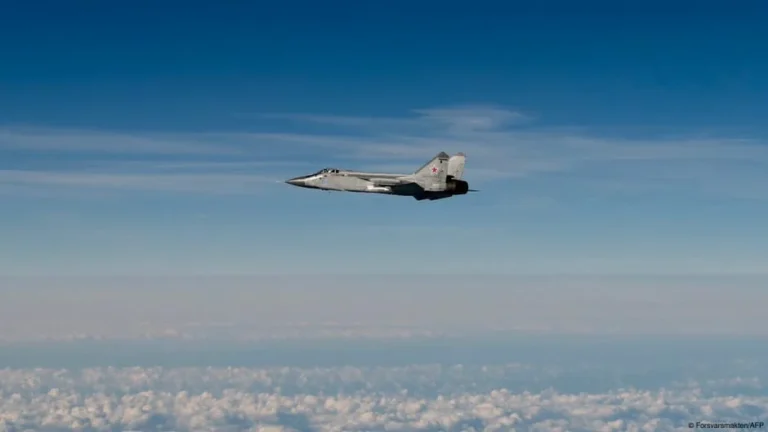
The security architecture of the Baltic Sea region faced a sharp escalation on Saturday as Finnish authorities reported a violation of their sovereign airspace by a Russian helicopter. This incident occurred in the immediate aftermath of a suspected Ukrainian drone attack that left a Russian cargo ship, the Sparta II, ablaze in the Gulf of Finland. The developments have triggered a high-level response from Helsinki, marking a volatile intersection between the ongoing war in Ukraine and the heightened defensive posture of the newest NATO member.
The Finnish Ministry of Defense confirmed that the airspace incursion took place at 12:34 p.m. local time (10:34 UTC/GMT) near the coastal town of Loviisa. According to preliminary assessments, the Russian aircraft penetrated up to 4.1 kilometers (2.5 miles) into Finnish territory. Defense Minister Antti Häkkänen signaled that the maneuver might have been linked to broader Russian search-and-rescue or surveillance efforts launched in response to the fire aboard the Sparta II, which had drifted into Finnish territorial waters following the strike.
A Chronology of the Incident
The events unfolded rapidly throughout Saturday, placing the Finnish Border Guard and military on high alert.
At approximately 10:00 a.m. local time, reports emerged that the Sparta II—a vessel with documented ties to the Russian military and currently subject to United States sanctions—had been struck by drones while transiting in Russian waters west of Gogland island. The vessel, which was reportedly en route to the Russian Baltic exclave of Kaliningrad, sustained significant damage, causing a fire to break out on board.
As the vessel drifted toward the maritime border, the Finnish military and Border Guard monitored the situation. Shortly after noon, the incursion by the Russian helicopter was detected near Loviisa. By mid-afternoon, Finnish authorities confirmed that the crew of the Sparta II had initiated emergency evacuation procedures, utilizing life rafts and a rescue boat to abandon the burning ship. In response to the unfolding maritime crisis and the airspace breach, the Finnish government implemented temporary restrictions on aviation and maritime traffic in the eastern Gulf of Finland to ensure civilian safety and facilitate ongoing monitoring operations.

The Sparta II and Strategic Implications
The Sparta II is not a standard commercial freighter; its involvement in this incident elevates the stakes significantly. Open-source intelligence and maritime registries indicate that the vessel has been utilized for the transport of military-grade materiel. Its inclusion on U.S. sanctions lists underscores its role in the Russian logistical supply chain, particularly regarding the militarized enclave of Kaliningrad.
Border Guard Commander Ilja Iljin noted that while a formal investigation into the cargo is ongoing, the presence of military equipment cannot be ruled out. The fact that the vessel was targeted by drones—a signature tactic of Ukrainian forces—suggests that the theater of the Russia-Ukraine war is effectively expanding beyond the immediate borders of the combatant nations. The strike, occurring 40 kilometers from the Finnish coast, demonstrates a newfound reach for Ukrainian asymmetric warfare and places regional transit corridors under increased scrutiny.
Official Reactions and Diplomatic Posture
The Finnish government, led by Prime Minister Petteri Orpo, has adopted a firm stance regarding the incident. Taking to the social media platform X, Orpo characterized the event as a clear sign that the conflict in Ukraine is spilling over into neighboring territories. "Ukraine has the right to fight against the aggressor," Orpo stated, reaffirming Finland’s commitment to supporting Kyiv despite the risks posed by regional escalation.
The Finnish Ministry of Defense confirmed that it has communicated the details of the airspace violation and the maritime incident to its NATO allies. This transparency is a cornerstone of Finland’s post-accession security strategy, designed to ensure that the alliance remains unified in the face of Russian gray-zone activities. NATO’s Article 4, which allows for consultations if a member state perceives a threat to its territorial integrity, remains the framework through which such incidents are typically managed, though there has been no formal request for a meeting at this stage.
Regional Security Context
Finland’s accession to NATO in 2023 fundamentally altered the security map of the Baltic Sea, effectively turning it into a "NATO lake." However, this change has also invited increased Russian monitoring and provocations. The Gulf of Finland serves as a vital maritime artery for both Russia—connecting St. Petersburg to the Baltic Sea—and the Baltic states.
The proximity of this incident to the Russian coast and the subsequent airspace violation near Loviisa reflect a broader pattern of Russian probing of NATO’s northern flank. Analysts suggest that such incursions are often designed to test the reaction times of the host nation’s air defense systems and to send a political signal regarding Russia’s continued influence in the region.

Furthermore, the integration of the Baltic states and Finland into a cohesive defense network means that any kinetic action, such as a drone strike on a Russian-linked vessel, triggers a series of defensive protocols that span multiple countries. The Finnish decision to curb traffic in the eastern Gulf of Finland is a pragmatic step to prevent a secondary incident, such as a collision or an accidental engagement between search-and-rescue teams and military assets.
Fact-Based Analysis of Future Risks
The current situation presents several key risks for the Baltic region:
- Escalation of Maritime Warfare: If Ukrainian drone strikes continue to target Russian logistics vessels in the Baltic, the risk of collateral damage to neutral commercial shipping increases. This could lead to higher insurance premiums for Baltic shipping and potential bottlenecks in regional trade.
- Increased Border Tensions: The airspace violation serves as a reminder that the boundary between "monitoring" and "provocation" is thin. Repeated incursions could force Finland to increase the frequency of its intercept missions, potentially leading to accidental encounters between Finnish and Russian aircraft.
- Sanctions Enforcement and Militarization: As the Sparta II incident highlights, the intersection of sanctioned goods and military cargo makes Russian shipping in the Baltic a primary target. This will likely lead to increased naval patrolling by both Russia and NATO members, further saturating an already busy maritime corridor.
- Domestic Pressure in Finland: Prime Minister Orpo’s government is under pressure to maintain a balance between supporting Ukraine and ensuring that the war does not directly destabilize the Finnish economy or public safety. The government’s swift implementation of traffic restrictions indicates a desire to manage the situation locally while keeping international allies informed.
Conclusion
The events of Saturday represent a complex challenge for Finnish authorities. By successfully managing the immediate aftermath of the Sparta II fire while simultaneously addressing a sovereign airspace violation, Helsinki has demonstrated the utility of its integrated defense systems. However, the incident also serves as a sobering reminder of the interconnected nature of modern conflict.
As investigations continue into the nature of the cargo on the Sparta II and the specific flight path of the Russian helicopter, the international community will be watching closely for any further signs of regional destabilization. For now, the Finnish Border Guard maintains that there is no further danger to shipping or the public, but the regional security climate remains tense. The incident is a stark illustration that in the age of globalized conflict, no nation—even those far from the front lines—is entirely insulated from the tremors of war. The coming days will likely involve further diplomatic consultations within NATO to ensure that the Baltic corridor remains a space of stability rather than a theater for renewed antagonism.