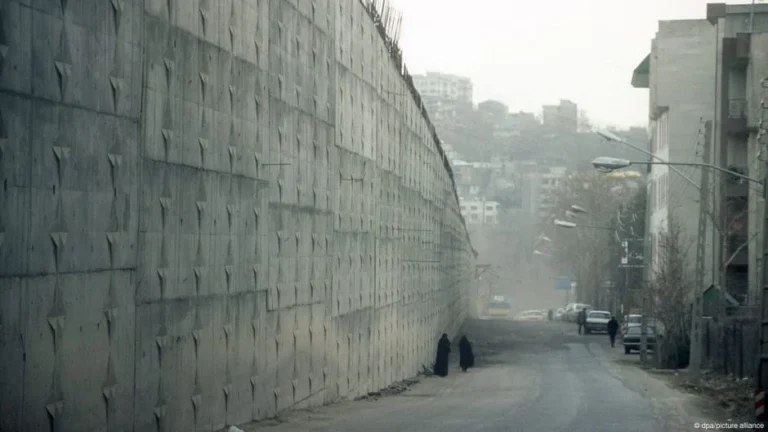
The recent statement from the United Nations underscores a deteriorating environment for the rule of law in Iran, where legal practitioners are increasingly being targeted for their commitment to defending human rights and representing dissidents. This campaign of intimidation, according to UN experts, serves to effectively dismantle the right to a fair trial, creating a vacuum where arbitrary detention and coerced confessions can proliferate without the oversight of independent counsel.
A Pattern of Systematic Suppression
The scope of this crackdown is evidenced by a harrowing volume of judicial and security-led interventions. Between September 2025 and September 2026, data indicates that at least 135 lawyers in Iran were subjected to punitive measures, ranging from official summons and arrests to professional suspensions, dismissals, and travel bans. This wave of repression reached a fever pitch in early 2026, immediately following a series of nationwide anti-government demonstrations. In January and February of that year alone, 23 lawyers, including five prominent women, were arrested in what appears to be a coordinated effort to insulate the security apparatus from legal scrutiny.
The case of Amirsalar Davoudi serves as a chilling case study of the risks inherent in the current legal landscape. While representing a client before a Revolutionary Court in the city of Isfahan in October 2026, Davoudi was arrested. His situation took a critical turn on November 9, when reports confirmed he had suffered a heart attack while in custody, necessitating urgent hospitalization. His detention is not an isolated incident but rather part of a broader, established pattern of state-sponsored pressure on the legal profession.
Historical Context and the Chilling Effect
The suppression of defense attorneys in Iran is not a new phenomenon, but rather a long-standing component of the state’s approach to dissent. Sina Yousefi, a 41-year-old human rights lawyer who fled to Berlin after being sentenced to six months in prison for "propaganda against the system" during the 2022 "Woman Life Freedom" protests, highlights that the security state has fine-tuned its mechanisms of control over the last several years.
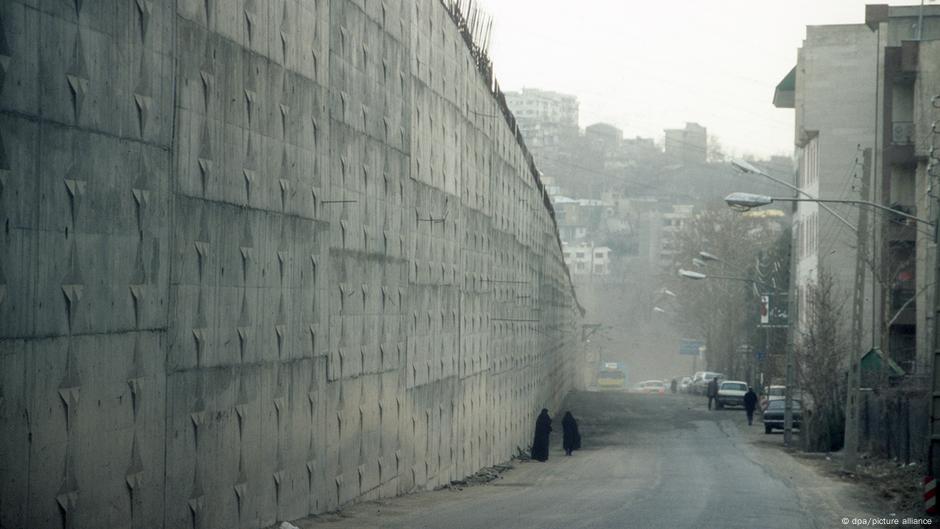
"The security services, judiciary, and criminal prosecution apparatus have increasingly utilized targeted mechanisms to move against independent lawyers," Yousefi noted. By isolating lawyers who defend those involved in protests, the state has sought to ensure that dissenters are left without adequate representation. This strategy intentionally creates a "chilling effect"—a climate of fear where even the most seasoned legal professionals are deterred from taking on political cases for fear of losing their licenses, their freedom, or their lives.
This trend is further exemplified by the repeated targeting of high-profile figures such as Nasrin Sotoudeh. A recipient of the 2012 Sakharov Prize and the 2026 Vaclav Havel Human Rights Prize, Sotoudeh has endured multiple rounds of incarceration. Her recognition on the international stage highlights the paradox of the Iranian judiciary: while it claims to function within a formal framework, it simultaneously criminalizes the very individuals who uphold the integrity of that framework.
Legal Hurdles and the Erosion of Due Process
The erosion of the right to legal counsel is codified in part through the restrictive interpretation of Article 48 of Iran’s Code of Criminal Procedure. This provision has effectively created a two-tier system of justice. For individuals arrested on national security or political charges, the right to choose an independent lawyer is often denied during the critical investigation phase. Instead, defendants are compelled to select from a list of lawyers vetted and approved by the head of the judiciary.
These state-approved legal representatives are frequently denied full access to the evidence gathered by investigators. Yousefi notes that in many cases involving protesters, lawyers are only granted access to case files after preliminary investigations are concluded and the prosecution has already built its case, often using evidence obtained through coercive interrogations. In these scenarios, the judiciary frequently prioritizes the reports generated by security and intelligence agents over the arguments and evidence presented by the defense.
Institutional Implications and International Law
The implications of these actions extend far beyond the individual lawyers involved. Shabnam Moinipour, program director at the Center for Supporters of Human Rights (CSHR), argues that the independence of the bar is a fundamental prerequisite for the rule of law. When a lawyer cannot challenge the prosecution’s narrative without fear of retaliation, the entire trial process becomes a mere formality, stripping the accused of their fundamental right to a defense.

From an international legal perspective, Iran is failing to meet its obligations as a member of the UN Human Rights Committee. International human rights law guarantees every individual the right to prompt access to counsel of their own choosing, the right to communicate in confidence, and the right to sufficient time and resources to mount a defense. By restricting these rights, the Iranian government is not only isolating its citizens but also signaling a disregard for the international standards to which it is a signatory.
The Psychological and Social Consequences
The impact of this systemic pressure is as much psychological as it is legal. The inability to secure independent counsel leaves detainees feeling completely abandoned by the system, often leading them to withhold details of their treatment—including accounts of torture or illegal conduct by prison authorities—out of fear that their lawyer may be compromised or unable to protect them. This atmosphere of distrust further empowers the state to act with impunity.
Moreover, the targeted nature of these arrests is a deliberate strategic choice. By focusing on a subset of lawyers, the authorities can effectively intimidate the entire legal community. This forces many to engage in self-censorship, avoiding cases that might bring them into conflict with the intelligence services.
A Chronology of Increasing Repression
- October 2022: The arrest of lawyer Sina Yousefi in Tabriz during the "Woman Life Freedom" protests, marking a significant escalation in the targeting of legal professionals.
- January – February 2026: A wave of arrests occurs following nationwide anti-government protests, with 23 lawyers detained in a two-month window.
- September 2025 – September 2026: UN records indicate that at least 135 lawyers face state-led disciplinary actions, including travel bans and arrests.
- October 2026: Human rights lawyer Amirsalar Davoudi is arrested in Isfahan while defending a client, later requiring hospitalization due to a medical emergency in custody.
- November 2026: UN human rights experts issue a formal statement demanding an end to the persecution of independent legal professionals in Iran, warning of a total breakdown in fair trial standards.
Conclusion: The Cost of Resistance
Despite the overwhelming pressure, there remains a resilient segment of the Iranian legal community that refuses to abandon its professional obligations. Many lawyers continue to accept sensitive cases, knowing full well the personal and professional risks involved. As Moinipour suggests, these individuals are often prepared to pay a "high price" for their resistance, viewing the defense of human rights as a moral imperative that transcends state intimidation.
The ongoing situation in Iran represents a critical test for the international community. The call by UN experts for an immediate halt to these practices is a recognition that the legal profession is the last line of defense against arbitrary state power. Whether through increased international advocacy or continued documentation of these human rights violations, the international community remains a vital observer as these lawyers navigate an increasingly perilous landscape to uphold the fundamental tenets of justice.