High cholesterol has emerged as a pervasive yet invisible health crisis, often remaining undetected until it triggers life-threatening emergencies such as heart attacks or strokes. Unlike many acute illnesses that present with immediate symptoms, raised cholesterol levels—medically known as hypercholesterolemia—act as a silent predator, gradually compromising the integrity of the cardiovascular system over decades. As Nigeria and the rest of the world grapple with an epidemiological shift from infectious diseases to non-communicable diseases (NCDs), health experts are sounding the alarm on the necessity of regular screening and lifestyle modifications to combat this hidden threat.
According to the World Health Organization (WHO), cardiovascular diseases (CVDs) remain the leading cause of death globally, claiming an estimated 17.9 million lives annually. Of these deaths, a significant percentage is attributed to heart attacks and strokes, both of which are heavily influenced by high levels of Low-Density Lipoprotein (LDL) cholesterol. In the Nigerian context, the challenge is compounded by a lack of public awareness, limited access to routine diagnostic services in rural areas, and a rapidly changing dietary landscape that favors processed carbohydrates and saturated fats over traditional, fiber-rich staples.
The Biological Mechanism of the Silent Threat
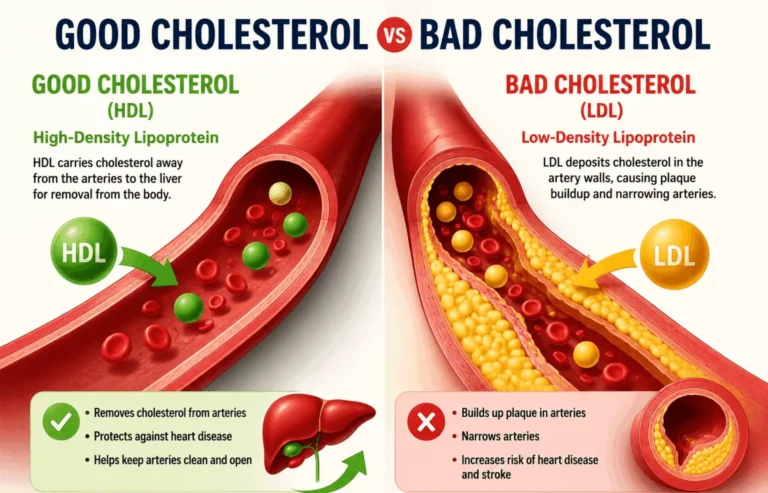
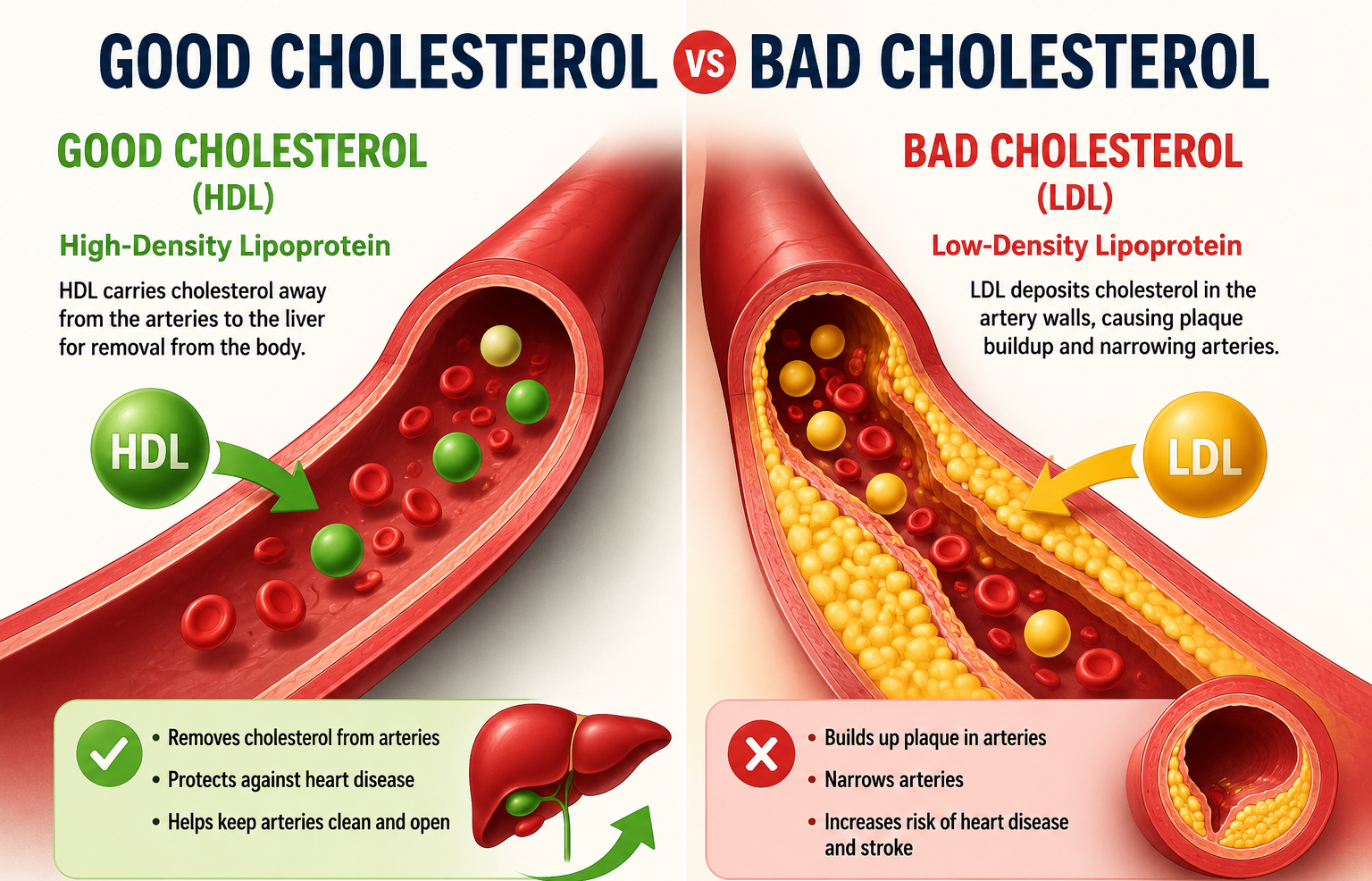
To understand why high cholesterol is so dangerous, one must look at the physiological process of atherosclerosis. Cholesterol itself is a waxy, fat-like substance found in all cells of the body, and it is essential for producing hormones, Vitamin D, and substances that help digest foods. However, when an individual has an excess of LDL cholesterol—often dubbed "bad cholesterol"—it begins to circulate in the bloodstream in quantities that the body cannot process or expel.
Over time, this excess cholesterol seeps into the inner linings of the arteries. There, it undergoes oxidation and triggers an inflammatory response, leading to the formation of plaques. This process, known as atherosclerosis, causes the arteries to narrow and harden. As the "pipes" of the human body become clogged, blood flow is restricted. If a plaque ruptures, it can form a clot that completely blocks blood flow to the heart muscle (causing a heart attack) or the brain (causing a stroke).
Medical professionals, including Dr. Happiness Akinde, emphasize that this buildup is entirely painless. A person can have dangerously high levels for twenty years without a single headache or dizzy spell to warn them. This "asymptomatic" nature is what makes high cholesterol particularly lethal compared to conditions like high blood sugar, which might eventually manifest through thirst or fatigue.
Identifying High-Risk Demographics
While high cholesterol was historically viewed as a condition affecting the elderly or those in high-income nations, the demographic profile of the disease is shifting. Dr. Akinde notes that while anyone can develop the condition, specific groups face an elevated risk profile. Individuals over the age of 40 are naturally at higher risk due to the cumulative effects of diet and aging on metabolic efficiency. However, the "Westernization" of the Nigerian diet has brought this risk to younger populations.
Obesity and being overweight are primary indicators of potential cholesterol issues, but they are not the only ones. Individuals living with secondary conditions such as Type 2 diabetes, hypertension (high blood pressure), and chronic kidney disease are statistically more likely to suffer from lipid imbalances. Diabetes, in particular, tends to lower High-Density Lipoprotein (HDL or "good") cholesterol and raise LDL levels, a combination that accelerates arterial damage.
Genetics also play a critical role. Familial hypercholesterolemia is a hereditary condition where the liver is unable to remove excess LDL cholesterol from the blood. For these individuals, even a perfect diet may not be enough to keep levels in check, necessitating early medical intervention. Furthermore, lifestyle choices such as tobacco use and excessive alcohol consumption remain major catalysts. Smoking, specifically, damages the walls of the blood vessels, making them more prone to accumulating fatty deposits.
The Chronology of Screening: A Preventive Timeline
The medical community has established a clear timeline for cholesterol management to prevent the "silent" buildup from reaching a terminal stage. The Centers for Disease Control and Prevention (CDC) and local health authorities in Nigeria advocate for a proactive approach to screening, rather than a reactive one.
For healthy adults with no known risk factors, the first comprehensive cholesterol check (a lipid panel) should ideally occur between the ages of 20 and 35. This baseline measurement allows doctors to assess an individual’s metabolic trajectory. If the results are within the healthy range, subsequent tests can be performed every four to six years.
However, once an individual crosses the age of 40, the frequency of screening should increase. For those with existing comorbidities—such as obesity, a history of smoking, or high blood pressure—doctors recommend annual or biennial checks. In Nigeria, where the healthcare system often focuses on "sick care" rather than "preventive care," the burden falls on the individual to request these tests during routine visits. Knowing one’s "numbers" (total cholesterol, LDL, HDL, and triglycerides) is considered the first line of defense against cardiovascular catastrophe.
The Hidden Dangers of Modern Nigerian Diets
The rise in cholesterol levels in Nigeria is inextricably linked to changes in the food environment. Dr. Akinde points to the increasing consumption of "fast foods," pastries, and processed meats as a primary driver of the crisis. These foods are often high in trans fats and saturated fats, which directly elevate LDL levels.
A particularly concerning habit highlighted by health experts is the repeated reuse of cooking oil. In many Nigerian households and among roadside food vendors, oil is heated to high temperatures, cooled, and then reheated multiple times to save costs. This process causes the oil to undergo thermal oxidation. Every time the oil reaches its smoke point, its chemical structure breaks down, creating harmful compounds and trans-fatty acids.
Consuming food fried in oxidized oil increases systemic inflammation and contributes to the degradation of arterial health. Dr. Akinde advises consumers to monitor the physical properties of their cooking oil. If the oil becomes dark, thick, develops a rancid odor, or foams during heating, it has become a chemical hazard and must be discarded.
Leveraging Local Nutrition for Heart Health
Despite the threats posed by processed foods, Nigeria possesses a wealth of local, affordable staples that are naturally heart-healthy. The key to managing cholesterol through diet lies in fiber, particularly soluble fiber, which binds to cholesterol in the digestive system and drags it out of the body before it can enter the bloodstream.

Locally available foods such as beans and lentils are powerhouses of protein and fiber. Vegetables like ugwu (fluted pumpkin leaves), efo riro (spinach), okra, and garden eggs are low in calories but high in the antioxidants needed to prevent the oxidation of LDL cholesterol. Sweet potatoes and oats are excellent sources of complex carbohydrates that provide sustained energy without the insulin spikes associated with refined white flour.
Furthermore, the method of preparation is as important as the ingredients themselves. Transitioning from deep-frying to boiling, grilling, steaming, or baking can significantly reduce fat intake. For protein, health experts suggest prioritizing fish—which contains omega-3 fatty acids that protect the heart—and lean cuts of meat over processed sausages or fatty red meats.
The Socio-Economic Implications of Cardiovascular Neglect
The impact of high cholesterol extends beyond individual health; it has profound implications for the Nigerian economy and healthcare infrastructure. Cardiovascular diseases often strike individuals in their most productive years, leading to a loss of workforce productivity and placing an immense financial burden on families due to the high cost of long-term management for stroke recovery or heart failure.
Unlike infectious diseases that may have a clear start and end date, NCDs require life-long management. The cost of statins (cholesterol-lowering medications) and frequent hospitalizations can push vulnerable families into poverty. Therefore, public health experts argue that large-scale awareness campaigns and subsidized screening programs are not just medical necessities but economic imperatives.
The shift toward a sedentary lifestyle in urban centers like Lagos, Abuja, and Port Harcourt further exacerbates the issue. With more people working desk jobs and relying on vehicular transport, the "150 minutes of moderate physical activity" recommended by the WHO is rarely met. Brisk walking, which costs nothing, remains one of the most effective ways to raise HDL (good) cholesterol and improve overall circulatory health.
Conclusion: A Call to Action for Heart Health
The narrative of high cholesterol in Nigeria is one of a "silent crisis" that requires a loud response. The transition from a society that primarily feared malaria and typhoid to one that must now fear the contents of its own arteries requires a mental shift in how health is perceived.
Dr. Akinde’s advice serves as a vital roadmap: get tested early, understand the risks associated with age and lifestyle, and make conscious choices about what goes into the frying pan. Small, consistent changes—such as walking to the grocery store instead of driving, choosing steamed fish over fried meat, and refusing to reuse darkened cooking oil—can collectively lower the national burden of heart disease.
High cholesterol may be silent, but its consequences—paralysis from a stroke or the sudden finality of a heart attack—are devastatingly loud. By prioritizing routine medical check-ups and embracing the heart-healthy bounty of local Nigerian agriculture, individuals can take control of their cardiovascular destiny before the silence is broken by a medical emergency. Knowing your numbers is not just a medical recommendation; it is a fundamental act of self-preservation in the modern age.