The cultural shorthand of the Nigerian household is universally understood: before a suggestion to purchase restaurant takeout can even leave a child’s mouth, a parent or guardian is quick to interject with the ultimate conversation-stopper—there is rice at home. Long deployed as a practical decree of household economy and maternal authority, this ubiquitous phrase has transcended its domestic origins to become the thematic foundation of a pioneering media property. Asali Africa, the Lagos-based creative development agency, has inverted the traditional narrative with its new original production, There’s Rice at Home. Hosted by acclaimed culinary artist Chef Soliat Bada, the series transforms the humble staple from an emblem of budgetary constraint into a vibrant vehicle for profound cultural discourse, economic exploration, and generational storytelling.
At its core, the five-part digital series operates at the intersection of gastronomy and sociology. Each bi-weekly episode features Chef Bada working alongside high-profile guests in a contemporary kitchen setting. While a single, meticulously crafted rice dish simmers on the stove, the culinary process acts as a catalyst for unscripted, deeply personal dialogues. These conversations navigate the complex realities of modern African life, touching upon familial expectations, wealth accumulation, financial obligations, and the elusive pursuit of holistic success. By positioning rice—arguably the most ordinary and accessible ingredient in the West African pantry—as a canvas for global culinary exploration, the show dismantles the notion that everyday staples must yield ordinary experiences.
The Genesis and Strategic Vision of Asali Africa
The conceptualization of There’s Rice at Home reflects a broader evolution within Africa’s creative economy, where indigenous narratives are increasingly packaged with high production values for global audiences. Founded in Lagos, Asali Africa has carved a distinct niche as a creative development agency dedicated to producing culturally resonant content, building intellectual property, and fostering spaces where authentic African conversations can take place. The agency’s leadership recognized a gap in the digital landscape: while cooking shows abound, few successfully merge the sensory engagement of food preparation with the intellectual depth of contemporary cultural critique.
Bella Adeleke, CEO of Asali Africa and founder of the fashion label Garbe, conceptualized the series alongside her creative team to challenge perceptions of African lifestyle content. According to corporate and industry analysts, the demand for lifestyle programming originating from the African continent has experienced a substantial upward trajectory over the past five years, driven by a burgeoning digital diaspora and a youthful domestic demographic with high smartphone penetration. By anchoring a sophisticated web series in a universally recognized domestic cliché, Asali Africa has created an intellectual property that resonates across demographic lines, appealing equally to urban millennials in Lagos, London, Houston, and beyond.

A Global Culinary Journey Through Five Episodes
While the thematic anchor of the show remains deeply rooted in Nigerian domestic culture, the culinary itinerary of the first season is remarkably international. Over the course of five episodes, Chef Soliat Bada guides viewers through a geopolitical and historical survey of rice preparations, demonstrating how a single grain connects disparate cultures across continents. The menu transcends national borders, moving seamlessly from the Caribbean to the Arabian Peninsula, returning to West Africa, and culminating in the American Deep South.
This culinary cosmopolitanism serves a dual purpose. First, it honors the historical migration of grains and culinary techniques forged through trade, diaspora, and globalization. Second, it challenges the insularity often found in regional cooking shows, proving that the African kitchen is porous, adaptable, and globally connected. To ensure accessibility, Asali Africa has adopted an open-source digital model: every recipe featured in the series is published in comprehensive detail on the agency’s official website. Complete with ingredient lists, precise measurements, and step-by-step methodologies, this digital companion strategy transforms viewers from passive consumers into active home cooks.
Episodic Breakdown: Food, Family, and Financial Realities
Episode 1: The Caribbean Connection and Black Tax
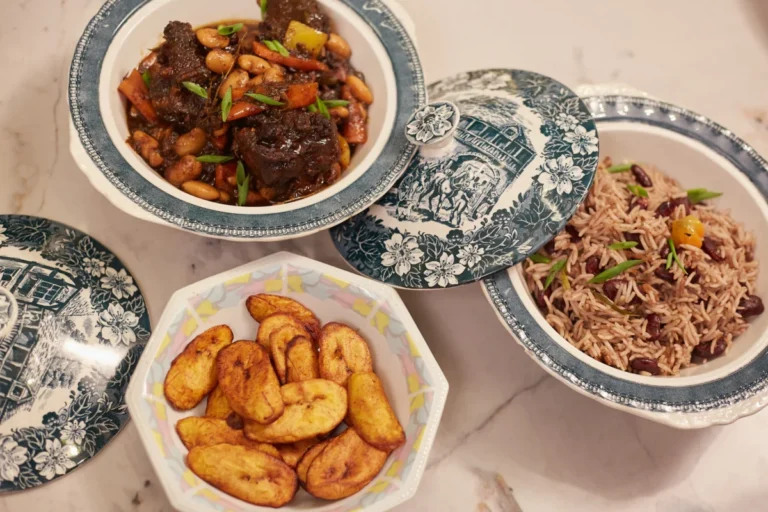
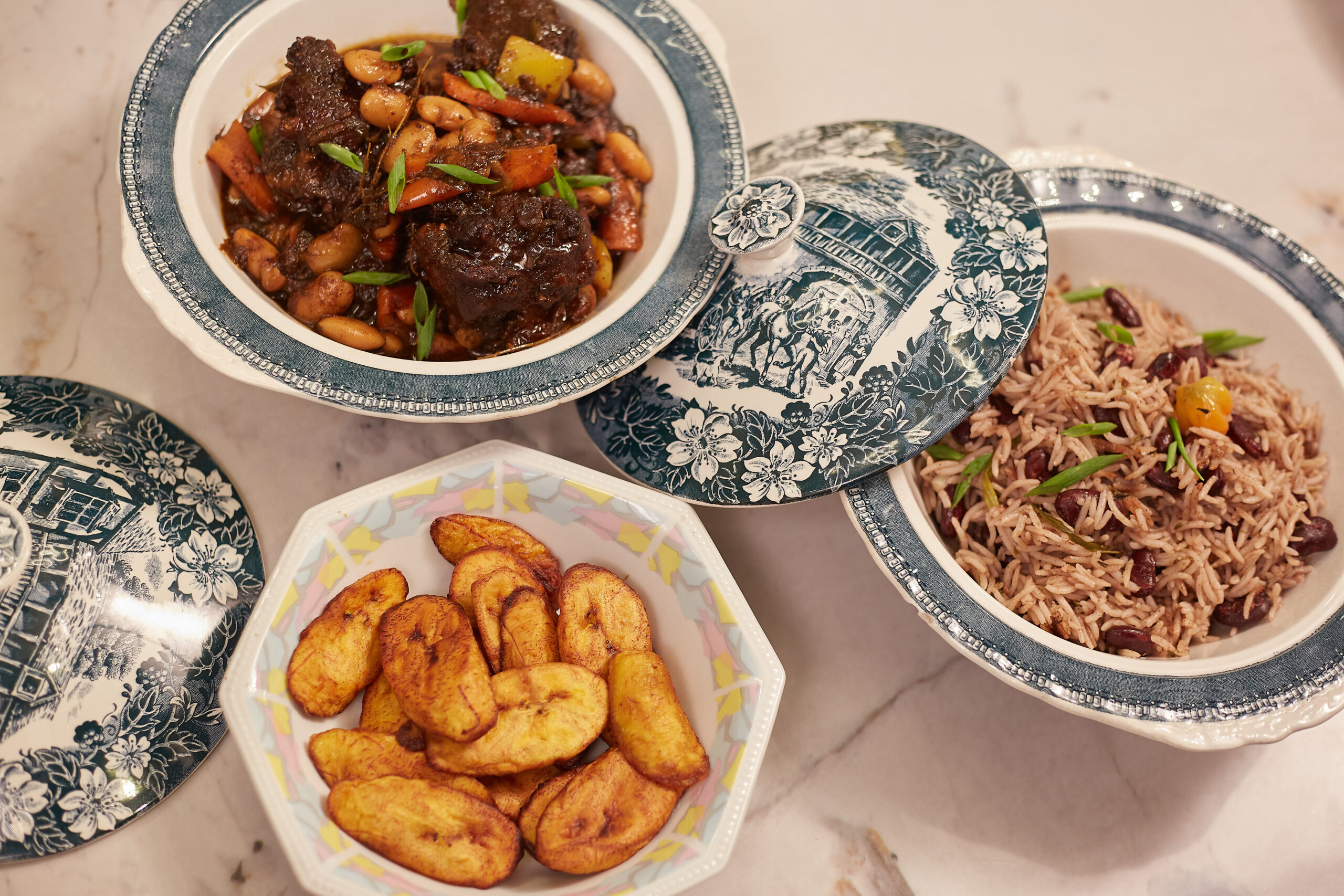
The inaugural episode of the season sets a high gastronomic and intellectual bar with the preparation of Rice and Peas with Oxtail, a quintessential Jamaican Sunday staple. In this rendition, rice is simmered in rich coconut milk alongside red kidney beans—affectionately and colloquially known as "peas"—and served alongside decadent, slow-cooked oxtail that falls off the bone.

Joining Chef Bada in the kitchen is Michael Famoroti, co-founder and head of research at Stears, a prominent African data and economic analysis firm. The juxtaposition of a data scientist and a chef yields a conversation that quickly moves beyond culinary techniques into the socioeconomic pressures unique to young, upwardly mobile Africans. The dialogue centers squarely on "black tax"—the informal yet pervasive financial obligation borne by successful professionals to support extended family members. Famoroti and Bada explore the delicate equilibrium required to navigate ambition, personal wealth accumulation, and familial duty. The conversation provides rare vulnerability from a leader in the tech and financial sector, contextualizing macroeconomic data with lived human experiences. The comprehensive recipe for this Jamaican classic has been made publicly available via the Asali Africa digital archive, allowing enthusiasts to replicate the complex flavor profile at home.
Episode 2: The Gulf and the Redefining of Success
In the second installment of the series, the culinary compass points eastward toward the Arabian Peninsula. Chef Bada and her guest tackle lamb kabsa, the national dish of Saudi Arabia, renowned for its intricate blend of spices, including dried lime and the warming notes of seven-spice seasoning. The dish requires patience and precision, mirroring the thematic focus of the episode.
Bella Adeleke, CEO of Asali Africa, steps into the guest role for Episode 2. The discussion shifts away from communal financial obligations and toward an internal reckoning: the redefinition of success in a hyper-capitalist, social media-driven era. Adeleke, whose professional footprint spans both the corporate creative agency world and the luxury fashion sector with her label Garbe, shares insights on the psychological toll of traditional corporate milestones. Together, Bada and Adeleke interrogate whether societal metrics of achievement—titles, square footage, and public validation—truly align with personal fulfillment. The aromatic lamb kabsa recipe accompanies the episode release on the Asali platform.
Upcoming Episodes and Anticipated Collaborations
As the season progresses, the itinerary promises to maintain its high standard of guest curation and culinary diversity. Episode 3 brings the focus back to the West African homeland with a celebratory plate of Nigerian fried rice, accompanied by fried turkey and the indispensable dodo (fried ripe plantains). This installment features media personalities Toyin Jolapamo and Nneoma Mere, who bring their distinct perspectives on culture, media, and contemporary identity to the kitchen counter.
Moving westward across the Atlantic in Episode 4, the show explores Louisiana Creole cuisine with a rich, smoky pot of jambalaya. This transatlantic flavor bridge is navigated alongside guests Goldie Iyamu and Vanessa Iloenyosi, offering a cross-cultural exploration of how African culinary traditions survived, mutated, and flourished in the American South.
The season finale brings the series to a reflective close with cultural critics and commentators Edwin Okolo and Temi Omolehinwa. While the final dish details remain under wraps until the broadcast date, the pairing guarantees a sharp, intellectually stimulating conclusion to a season designed to provoke thought as much as appetite.
Chef Soliat Bada: A Culinary Voice for a New Generation
At the heart of There’s Rice at Home is Chef Soliat Bada, whose professional trajectory uniquely positions her to anchor a show that blends technical culinary expertise with cultural commentary. Bada has spent years carving out a space as one of West Africa’s most visible contemporary culinary talents, moving fluidly between commercial kitchen environments, digital media production, and food journalism. Her approach to cooking is neither overly pretentious nor rigidly traditional; rather, she approaches food as a living archive that evolves with the people who prepare it.
In interviews discussing her philosophy, Bada has frequently emphasized that African cuisine is often misunderstood or flattened on the global stage. By contextualizing everyday ingredients within broader historical and sociological frameworks, she aims to elevate the culinary literacy of her audience. Her on-screen demeanor—warm, authoritative, and effortlessly engaging—creates an atmosphere of psychological safety for her guests, allowing them to lower their guards and speak with rare candor about topics they might otherwise avoid in formal public forums.
Broader Impact and Industry Implications

The launch of There’s Rice at Home arrives at a critical juncture for the African digital media and entertainment ecosystem. For decades, the dominant modes of culinary programming on television were either clinical instructional shows imported from Western networks or localized formats that prioritized slapstick entertainment over substantive content. The emergence of high-concept digital series from agencies like Asali Africa signals a maturation of the continent’s creator economy.
Media economists note that branded entertainment and proprietary intellectual property are becoming increasingly vital revenue drivers for African creative agencies. By building a recognizable lifestyle brand anchored in digital video, Asali Africa is not merely producing content; it is cultivating a loyal community of consumers who engage with the brand across multiple touchpoints—from YouTube viewership to website traffic, recipe execution, and potential merchandising opportunities.
Furthermore, the show taps into a powerful psychological current among the global African diaspora. Food remains the most resilient tether to home for those living abroad. By featuring international dishes alongside nostalgic domestic staples, There’s Rice at Home bridges geographical divides, offering a comforting yet intellectually stimulating viewing experience for individuals navigating the complexities of identity, migration, and belonging.
Distribution and Availability
Episodes 1 and 2 of There’s Rice at Home are currently streaming on YouTube, with subsequent installments slated for release on a bi-weekly schedule over the coming weeks. Viewers seeking to replicate the culinary creations featured in the series can access the complete, step-by-step written recipes by visiting the official Asali Africa website at asali.africa. As the series continues its five-episode run, it cements its place not just as a cooking show, but as a cultural touchstone that proves that whether in Lagos, Kingston, or Riyadh, the most meaningful conversations always happen when there is rice at home.