
In a harrowing display of violence that has sent shockwaves across Northern Nigeria, 12 members of a single family were incinerated in their home during a brutal bandit raid in Gidan Taba village, located in the Dosara Birnin Kaya Ward of Maradun Local Government Area, Zamfara State. The incident, which took place in the early hours of Saturday, November 7, 2026, marks another grim chapter in the state’s protracted struggle with armed criminal gangs, commonly referred to as bandits, who have terrorized rural communities for over a decade.
The Anatomy of the Attack
According to eyewitness accounts and local community leaders, the assault began under the cover of darkness as heavily armed men descended upon Gidan Taba. The attackers, operating with tactical precision, moved from house to house, looting properties and rounding up residents. Seeking safety, Mallam Muhammadu Sani, a resident of the community, gathered 12 members of his immediate and extended family into a single room, hoping that by sealing themselves off, they might escape the notice of the marauders.
However, the bandits, who were reportedly conducting a door-to-door search for valuables and captives, discovered the family’s hideout. Witnesses state that the gunmen demanded that the occupants open the door. When the family refused, fearing for their lives, the assailants opted for a lethal alternative. The attackers allegedly doused the building with fuel and set it ablaze. The trapped family members were unable to escape the inferno, resulting in the death of all 12 individuals.
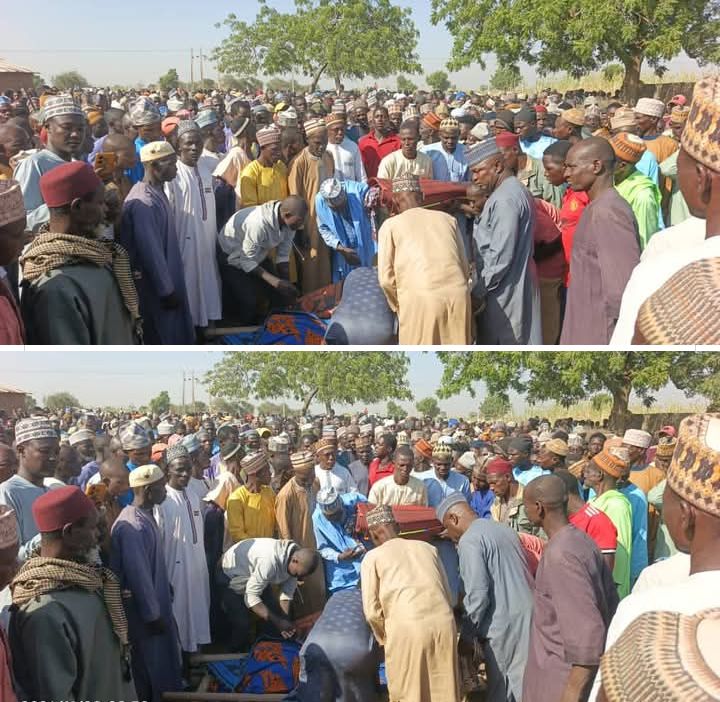
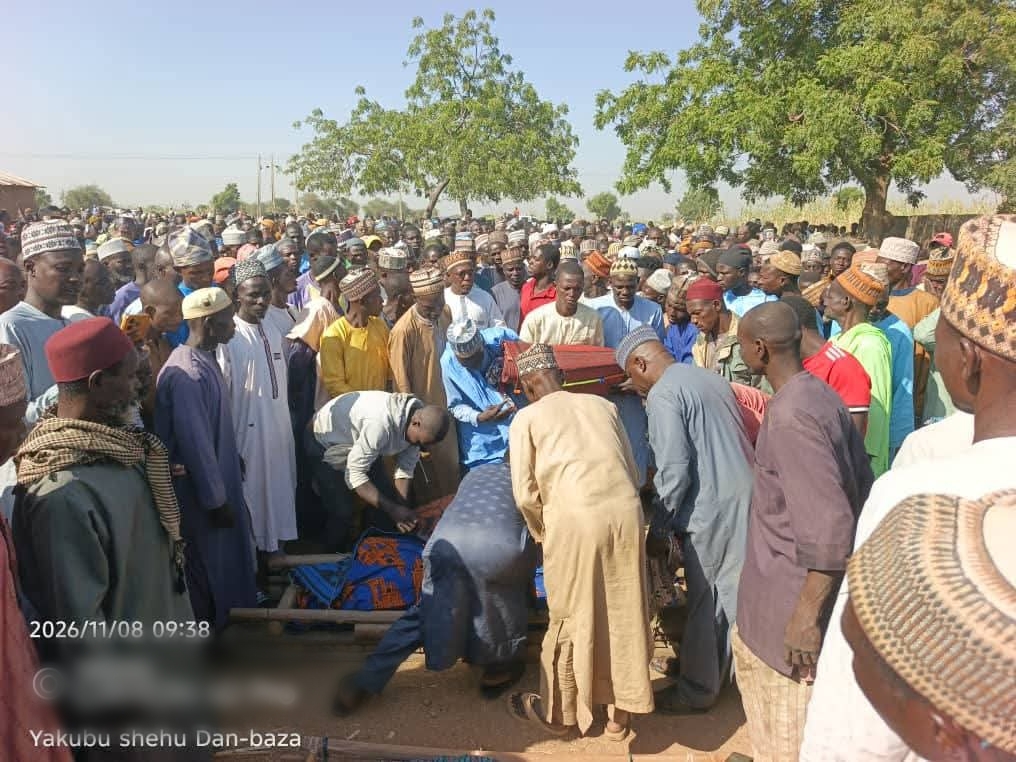
By the time the raid concluded, the bandits had also abducted an unspecified number of other villagers, further compounding the community’s grief. The survivors of the attack spent the early hours of Sunday morning recovering the charred remains of their loved ones. In accordance with Islamic rites, the 12 victims were laid to rest on Sunday morning, a somber ceremony that drew hundreds of mourners from across Maradun Local Government Area.
Historical Context of Insecurity in Zamfara
The tragedy in Gidan Taba is not an isolated event but rather a continuation of the systemic instability that has plagued Zamfara State since 2011. Initially sparked by disputes between sedentary farmers and nomadic herders over land and water resources, the conflict has mutated into a complex web of criminality. Today, the perpetrators are largely decentralized armed groups motivated by profit through kidnapping for ransom, cattle rustling, and illegal artisanal mining.
Zamfara has consistently ranked as one of the most dangerous states in Nigeria. The terrain, characterized by vast, ungoverned forests such as the Rugu and Kamuku forests, has provided a perfect sanctuary for these criminal syndicates. Despite multiple military operations, including "Operation Hadarin Daji," the state remains a hotbed for insurgency-like activities. The use of arson as a tool of terror, as seen in this latest incident, signals an alarming escalation in the brutality of these groups.
A Timeline of Escalating Violence
The timeline of insecurity in Zamfara reveals a pattern of shifting tactics:
- 2011–2015: The emergence of localized "Yan Bindiga" groups, primarily focused on livestock theft.
- 2016–2019: The transition to mass kidnappings and the targeting of rural markets, leading to the displacement of thousands of farmers.
- 2020–2023: The proliferation of high-powered weaponry, including AK-47s and GPMGs, often sourced from cross-border trafficking, which allowed gangs to overwhelm local defense efforts.
- 2024–2026: A period characterized by "scorched earth" policies, where villages are razed and entire families targeted if they refuse to pay protection levies or comply with the bandits’ demands.
Socio-Economic Implications
The economic impact of these attacks on Zamfara cannot be overstated. As a state primarily dependent on agriculture, the constant threat of violence has forced many farmers to abandon their ancestral lands. This has led to a significant decline in food production, contributing to the rising cost of staples across Nigeria. Furthermore, the psychological trauma inflicted on the populace is immeasurable. Schools have been shuttered in many rural wards, and the local healthcare infrastructure has been decimated as staff flee to the relative safety of urban centers like Gusau, the state capital.
The incident in Maradun further highlights the inadequacy of local security arrangements. While the government has previously experimented with community-led vigilante groups, often known as "Yan Sakai," these groups frequently lack the training and weaponry to compete with well-armed bandit camps, and they have at times been accused of exacerbating communal tensions.
Official Responses and Security Gaps
As of the time of reporting, the Zamfara State Police Command and the State Government have issued condolences to the families of the victims. However, the recurring nature of these massacres has led to intense criticism from civil society organizations and human rights advocates. Critics argue that the security strategy relies too heavily on reactive measures—deploying troops only after a massacre has occurred—rather than proactive intelligence gathering and the permanent securing of rural corridors.
A security analyst based in Abuja noted, "The situation in Maradun is indicative of a wider intelligence failure. When bandits are able to mobilize in such numbers and conduct operations lasting hours, it suggests they are operating with a degree of impunity that the current security architecture is failing to check. Without a fundamental change in strategy—one that addresses the socio-economic drivers of the conflict and secures the rural borderlands—these tragedies will continue."
The Call for Urgent Intervention
Following the burials on Sunday, community leaders in Maradun have called upon the Federal Government to increase the presence of the military in the area. There is an urgent demand for the establishment of permanent security outposts in vulnerable villages. Furthermore, there is a growing consensus that the government must address the issue of the "forest hideouts." For years, there have been calls to clear these forested areas and improve surveillance through the use of drone technology, yet implementation has remained inconsistent.
The victims of the Gidan Taba tragedy represent the human cost of a conflict that has lasted far too long. For the survivors, the recovery process will be arduous. Beyond the immediate need for relief materials and medical support, the community faces the challenge of reclaiming a sense of normalcy in an environment where the threat of violence remains omnipresent.
Analyzing the Path Forward
Addressing the crisis in Zamfara requires a multi-pronged approach that transcends simple military deployment. Experts suggest that the following steps are critical:
- Intelligence-Led Operations: Moving away from broad, sweeping military maneuvers toward targeted operations based on actionable intelligence to dismantle the leadership structures of the bandit groups.
- Addressing Proliferation of Arms: Strengthening border control measures to curb the influx of small arms and light weapons which sustain these criminal enterprises.
- Community Stabilization: Implementing robust programs for internally displaced persons (IDPs) and facilitating a safe return to agricultural activities through the provision of secure farming zones.
- Dialogue and Demobilization: While military pressure is necessary, there is a long-term need for a demobilization, disarmament, and reintegration (DDR) program for repentant bandits, provided such a process is handled with transparency and accountability.
As the state mourns the 12 victims of the Gidan Taba massacre, the event serves as a stark reminder of the fragile security situation in Northern Nigeria. The international community, alongside the Nigerian authorities, remains focused on the outcome of investigations into this specific attack, with many hoping that it will serve as a catalyst for a more robust and sustainable security policy in the region. Until such a policy is enacted, the residents of villages like Gidan Taba remain at the mercy of forces that continue to defy the rule of law.