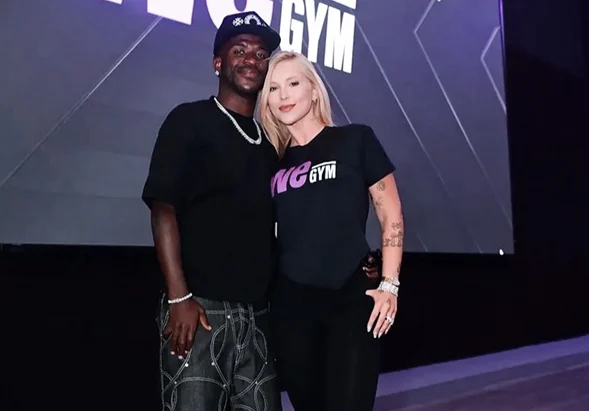
The football world is accustomed to Vinicius Jr making headlines for his electrifying performances on the pitch, his instrumental role in Real Madrid’s trophy triumphs, and his courageous stance against pervasive racism. However, the latest wave of attention surrounding the Brazilian winger is centered on a more personal and visually striking transformation: a reported chin harmonization procedure. This cosmetic enhancement, designed to refine the jawline and facial structure, has quickly become a dominant topic of conversation, sparking a mix of fan reactions, widespread meme culture, and a deeper, more introspective discussion about the pressures faced by modern athletes.
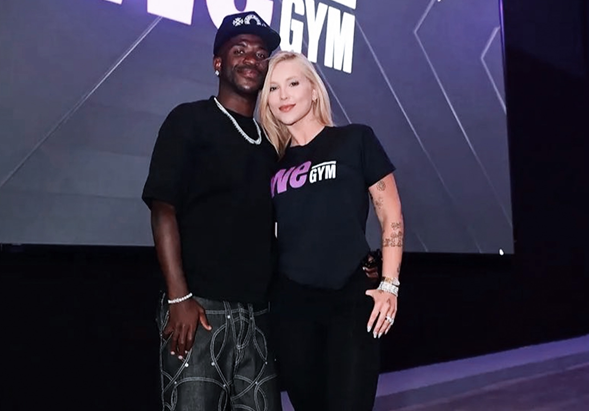
The Real Madrid star’s altered appearance became widely apparent following the circulation of new images, which rapidly flooded social media platforms. The immediate public reaction was one of surprise and, for many, a sense of disbelief. Fans, accustomed to Vinicius Jr’s familiar visage, found themselves struggling to recognize the player who has ascended to become one of Real Madrid’s most pivotal figures. While some supporters embraced the change, viewing it as a potential confidence boost or a positive personal choice, others expressed a palpable sense of bewilderment.
The Digital Deluge: Memes, Reactions, and the ‘New’ Vinicius
As is often the case with significant public figures and unexpected changes, the internet’s creative engine quickly went into overdrive. Football-focused social media timelines were inundated with memes and humorous commentary, playfully suggesting that the "new Vinicius" was an entirely different footballer. One particularly viral post humorously posited that this "new Vinicius" had not yet won a Champions League, implying that the transformation was so profound it was as if Real Madrid had signed a fresh talent. Other jests included suggestions that he might require an introduction to his own teammates, underscoring the dramatic visual shift that had occurred.
This digital phenomenon, while entertaining for many, also served to highlight the intense scrutiny that elite athletes, and particularly Vinicius Jr, face. Every aspect of their lives, from on-field actions to personal choices, is subject to constant observation and commentary.
Beyond the Laughter: Deeper Conversations Emerge
Beneath the surface of the memes and lighthearted banter lies a more profound and sensitive discussion that the transformation has inadvertently ignited. A segment of fans and observers has begun to question whether the cumulative effect of years of relentless racist abuse and persistent online criticism may have taken a significant personal toll on the Brazilian winger.
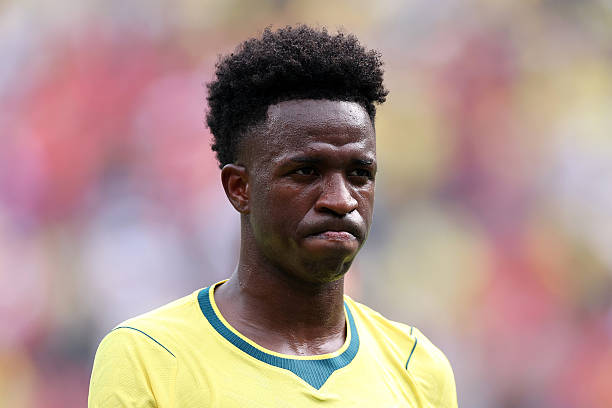
Vinicius Jr has been a prominent target of racist chanting during matches in Spain on multiple occasions. These incidents have not been isolated; they have led to arrests, stadium sanctions, and widespread condemnation from football governing bodies and human rights organizations. The emotional and psychological impact of such sustained hostility, amplified on a global stage, is a matter of serious concern for many.
Furthermore, the criticism directed at Vinicius Jr extends far beyond racial slurs. He has frequently faced an onslaught of commentary regarding his dancing goal celebrations, his on-field demeanor, his perceived personality traits, and even his physical appearance. Every subtle change in his hairstyle, every facial expression captured by cameras, and every post shared on social media has often been dissected and debated, positioning him as one of the most intensely scrutinized individuals in the world of professional football.
Speculation and Personal Autonomy: Navigating the Narrative
This history of intense public scrutiny and enduring abuse has naturally led some fans to speculate whether the reported cosmetic procedure was solely a personal choice or if it was, in some way, influenced by the prolonged periods of public denigration. The narrative that years of negativity might have prompted a desire for personal change is a powerful one, resonating with those who have witnessed his struggles.
However, it is crucial to acknowledge that this line of reasoning remains in the realm of speculation. Many others have countered this theory, emphasizing that cosmetic enhancements have become increasingly normalized and accessible in contemporary society. They argue that individuals, including athletes, have the autonomy to make decisions about their appearance without owing an explanation to anyone, regardless of the external pressures they might face. This perspective champions personal freedom and rejects any assumption that such a decision is a direct consequence of external negativity.
As of the latest reports, Vinicius Jr himself has not publicly addressed the procedure or offered any explanation for his motivations. Furthermore, there is currently no concrete evidence to directly link the cosmetic treatment to the abuse he has endured throughout his career. Therefore, any suggestion that his decision was a direct response to racism or online criticism remains purely conjectural.
The Evolving Landscape of Athlete Identity and Well-being
The Vinicius Jr situation, while unique in its specifics, touches upon broader themes relevant to the modern athlete. The constant barrage of social media, the 24/7 news cycle, and the intensified public interest in every facet of an athlete’s life create an environment where personal choices can be easily misinterpreted or politicized.
Historical Context of Player Transformations:
While Vinicius Jr’s reported procedure is a recent event, the phenomenon of athletes undergoing cosmetic enhancements is not entirely new. Over the years, various athletes across different sports have opted for procedures ranging from dental work to more significant facial and body modifications. These decisions are often private, but when they become public, they inevitably invite discussion about the pressures of maintaining a certain image in the public eye. For instance, in sports where visual presentation is integral, such as tennis or figure skating, athletes have historically been more prone to public scrutiny of their appearance. However, the intensity and ubiquity of social media have amplified this scrutiny across all disciplines.
The Psychological Impact of Online Abuse:
The psychological toll of online abuse on individuals, especially public figures, is a well-documented concern. Studies have consistently shown that prolonged exposure to negativity, harassment, and hate speech can lead to increased stress, anxiety, depression, and even post-traumatic stress symptoms. For athletes like Vinicius Jr, who are subjected to abuse not only online but also in person during high-stakes professional events, the cumulative impact can be profound. This underscores why some fans are inclined to connect his personal choices with the adversities he has faced.
Real Madrid’s Stance and Support Systems:
While Vinicius Jr has not commented, it is reasonable to infer that Real Madrid, as a major global football club, would have protocols in place to support its players’ mental and emotional well-being. Clubs typically offer psychological support services and have media relations teams to manage public perception. The club’s historical stance against racism has been strong, with public statements and actions taken against discriminatory behavior. However, the extent to which they would comment on or be privy to a player’s private medical or cosmetic decisions is generally limited by privacy considerations.
Broader Implications and Future Considerations
The discussion surrounding Vinicius Jr’s reported procedure highlights several key implications for the future of professional sports and athlete well-being:
1. The Normalization of Cosmetic Procedures and Athlete Autonomy:
As cosmetic procedures become more accessible and socially acceptable, it is likely that more athletes will opt for them. This raises questions about the extent to which these choices should be subject to public discourse. The argument for athlete autonomy is strong: individuals have the right to make decisions about their bodies and appearance, free from judgment or speculation, particularly when these decisions are not detrimental to their performance or public safety. The focus should remain on the player’s well-being and personal choice, rather than on external narratives.
2. The Lingering Impact of Online and In-Person Abuse:
The debate also serves as a stark reminder of the persistent problem of racism and abuse in football. Even as players like Vinicius Jr achieve immense success, they remain vulnerable to targeted harassment. This underscores the ongoing need for robust anti-discrimination measures, effective enforcement, and a cultural shift within the sport and society at large to eradicate such behavior. The emotional scars left by such experiences can manifest in various ways, and it is vital for support systems to be comprehensive and readily available.

3. The Evolving Nature of Public Scrutiny:
The digital age has fundamentally altered the relationship between athletes and their audiences. Every aspect of an athlete’s life is subject to instantaneous commentary and judgment. This constant surveillance can be immensely taxing. The Vinicius Jr situation prompts reflection on how to foster a more supportive and less adversarial environment for athletes, where their personal choices are respected, and their contributions to the sport are celebrated without undue personal scrutiny.
4. The Intersection of Personal Choice and Public Perception:
Ultimately, the Vinicius Jr case exemplifies the complex interplay between personal autonomy, public perception, and the pressures of elite athletic careers. While the motivations behind his reported cosmetic procedure remain private, the public’s reaction and subsequent discussions offer valuable insights into societal attitudes towards appearance, the impact of adversity, and the evolving role of athletes as public figures. The narrative, for now, remains open-ended, with the player’s continued on-field performance and public demeanor likely to shape future interpretations.
As Vinicius Jr continues his illustrious career, the football world will undoubtedly keep watching, not only for his dazzling displays of skill but also for how he navigates the multifaceted pressures and expectations that come with being a global sports icon in the 21st century. The conversation, sparked by a change in his appearance, has transcended the superficial, touching upon deeper issues of identity, resilience, and the human cost of fame.