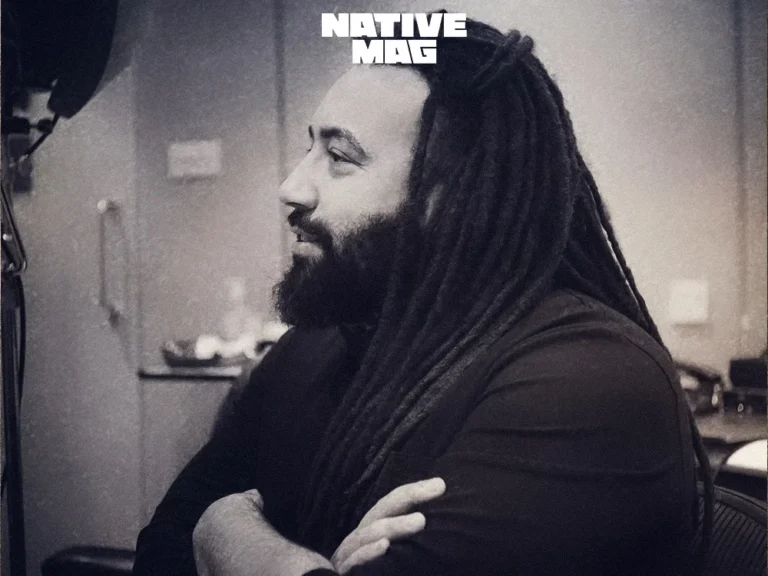
The Nigerian music industry has undergone a seismic shift over the last decade, transitioning from a localized powerhouse to a dominant force in global pop culture. Amidst this evolution, few figures have occupied as many critical junctions as Adey. Often recognized by the general public as the architect behind monumental records like YCee’s "Juice," Adey’s influence extends far beyond the mixing console. His trajectory—marked by a transition from a curious teenager experimenting with Yamaha keyboard loops to a global collaborator on Kanye West’s "Vultures 1"—serves as a case study in the intersection of technical proficiency, industry resilience, and the evolving nature of the African music producer.
The Genesis of a Sound Designer
Adey’s entry into music was not prompted by the allure of fame, but by a tactile discovery of technical potential. His formal training began with the piano at the age of four, a foundation that would eventually distinguish him from his peers. However, the pivotal moment arrived during his second year of junior secondary school. While attending a Christmas concert, a young Adey encountered a Yamaha keyboard equipped with a looping feature. The ability to layer sounds in real-time acted as a catalyst for his creative trajectory.
This early experimentation remained dormant until his A-levels, when advancements in digital audio workstations (DAWs) allowed him to bridge the gap between his classical training and electronic production. By the time he entered the professional sphere, Adey was already operating with a producer’s ear—prioritizing structure, arrangement, and harmonic complexity over the fleeting trends of the day.
The "Juice" Phenomenon and the Administrative Crisis
In the mid-2010s, the Nigerian music scene was defined by the fusion of Afro-pop and R&B. Adey’s production on the YCee hit "Juice" was a product of this synthesis. The track, which drew inspiration from the "Ghana bounce" rhythm section and contemporary American R&B, was initially met with skepticism by industry insiders. When the song was finally released, it became a cultural touchstone, remaining in heavy rotation for years.
However, the success of "Juice" unveiled a systemic fragility within the Nigerian music ecosystem: the lack of administrative infrastructure. Adey notes that for two years, the administrative management of the record was virtually non-existent. "For two years, I didn’t know I could claim streaming revenue or royalties," he admits. This experience highlights a common plight for many African creators during that period—the "hit-first, contract-later" culture that often left producers and songwriters disenfranchised. This period served as a hard lesson in the business of music, forcing Adey to pivot toward a more professionalized, self-sufficient approach to his career.
Bridging the Global Divide: The Kanye West Collaboration
Adey’s international ascent is a testament to the power of persistence and professional humility. His connection to Kanye West began not through aggressive networking, but through a calculated display of value. Facilitated by his sister, the creative director Mowalola, Adey was granted access to West’s creative circles in Florence, Italy.
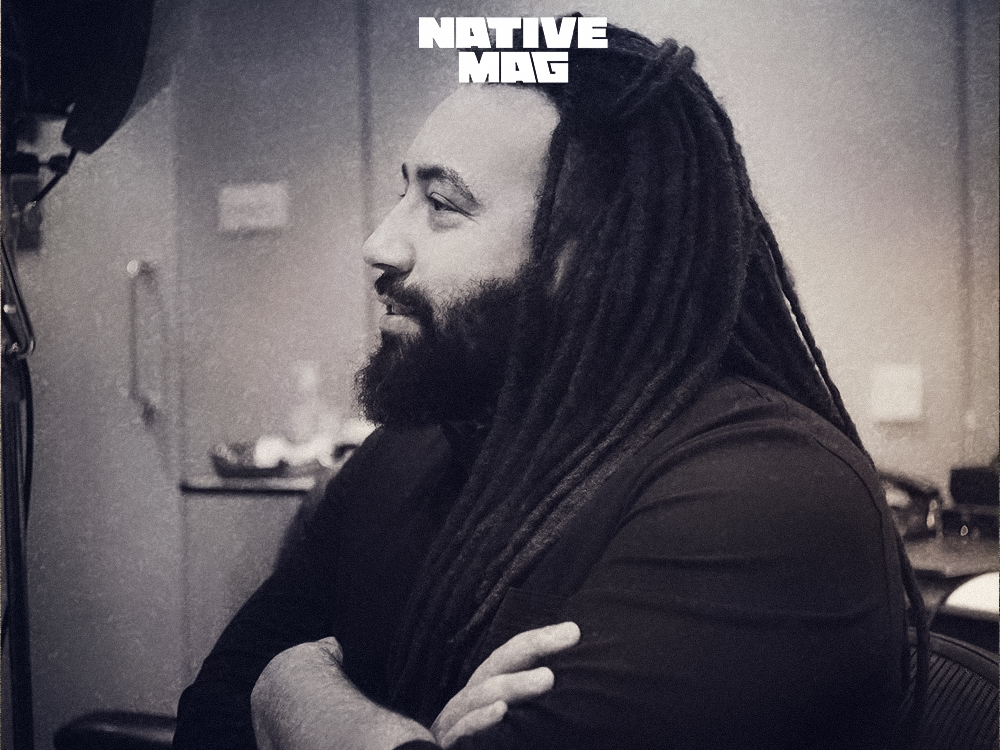
His approach was marked by a deliberate "waiting game." Rather than forcing his presence, Adey assumed a supportive role, acting as an engineer and an assistant. This period allowed him to observe the inner workings of one of the world’s most scrutinized creative minds. His eventual transition from an engineer to a producer for West—a transformation that occurred during a session in Mallorca—serves as a blueprint for young producers looking to enter global markets. When West finally acknowledged his work, it was an organic recognition of skill rather than a forced collaboration. The resulting tracks, including "Mission Control" and "Souls Outro," solidified Adey’s status as a versatile contributor capable of operating at the highest levels of global production.
The Duality of the Artist-Producer
While his production credits are public, Adey maintains a distinct, almost reclusive identity as a solo artist. His single "Cigarettes," which has garnered nearly a million streams on Spotify, represents the "shadowy figure" of his creative output. Unlike his production work, which is inherently collaborative and designed for the marketplace, his solo music is an exercise in self-satisfaction.
This duality is a conscious choice. By separating his commercial work from his personal creative endeavors, Adey avoids the pressures of promotion and the performative nature of the modern music industry. This "digital ghost" approach—releasing music that he does not intend to perform—challenges the current industry standard that mandates every artist must be an entertainer and a public-facing personality.
Industry Analysis: The Impending Reset
Looking toward the future of the Nigerian soundscape, Adey predicts a "reset" in the industry. His critique is rooted in the declining barrier to entry for music production. With the rise of software such as Splice and pre-made loop packs, the technical threshold required to create a "hit" has plummeted. While this democratization has allowed for a broader range of voices, it has also led to a dilution of craft.
"Knowledge is pressure, and that pressure produces craft," Adey explains. He argues that many modern creators are skipping the fundamental learning phases, leading to an industry where ego often outweighs actual skill. His frustration is evident in his dealings with local artists; he has adopted a strict policy of only collaborating with those who view the studio as a learning environment. If the exchange of knowledge is absent, the collaboration is, in his view, a failure.
Implications for Future Creators
The trajectory of Adey’s career offers several key implications for the next generation of African producers:
- Technical Literacy: Despite the accessibility of modern software, a deep understanding of music theory and instrumentation remains a significant competitive advantage.
- Administrative Vigilance: The "Juice" experience underscores that creative success is secondary to legal and administrative literacy. Producers must treat their catalogs as assets that require active management.
- The Value of Humility: Adey’s ability to "check his ego" in international sessions allowed him to gain access to spaces that many would have been barred from due to arrogance.
- Defined Creative Boundaries: By separating his commercial and personal identities, Adey has managed to preserve his creative integrity while remaining a sought-after professional.
As Adey continues to refine his process, his focus remains on the philosophy of continuous improvement. Whether he is studying the mechanics of a household appliance or deconstructing the production choices of a legendary producer, his commitment to learning remains the primary driver of his longevity. In an industry defined by the speed of consumption, Adey’s focus on the long-term, deliberate development of his craft positions him as a cornerstone of the modern musical landscape, bridging the gap between the raw energy of the Nigerian scene and the precision of the international stage.