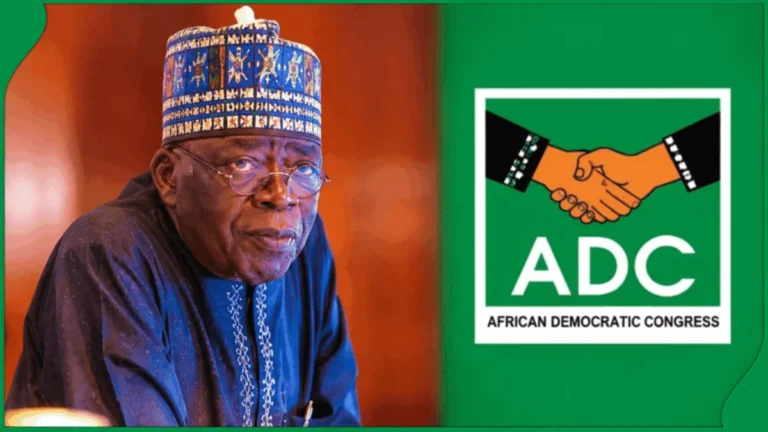
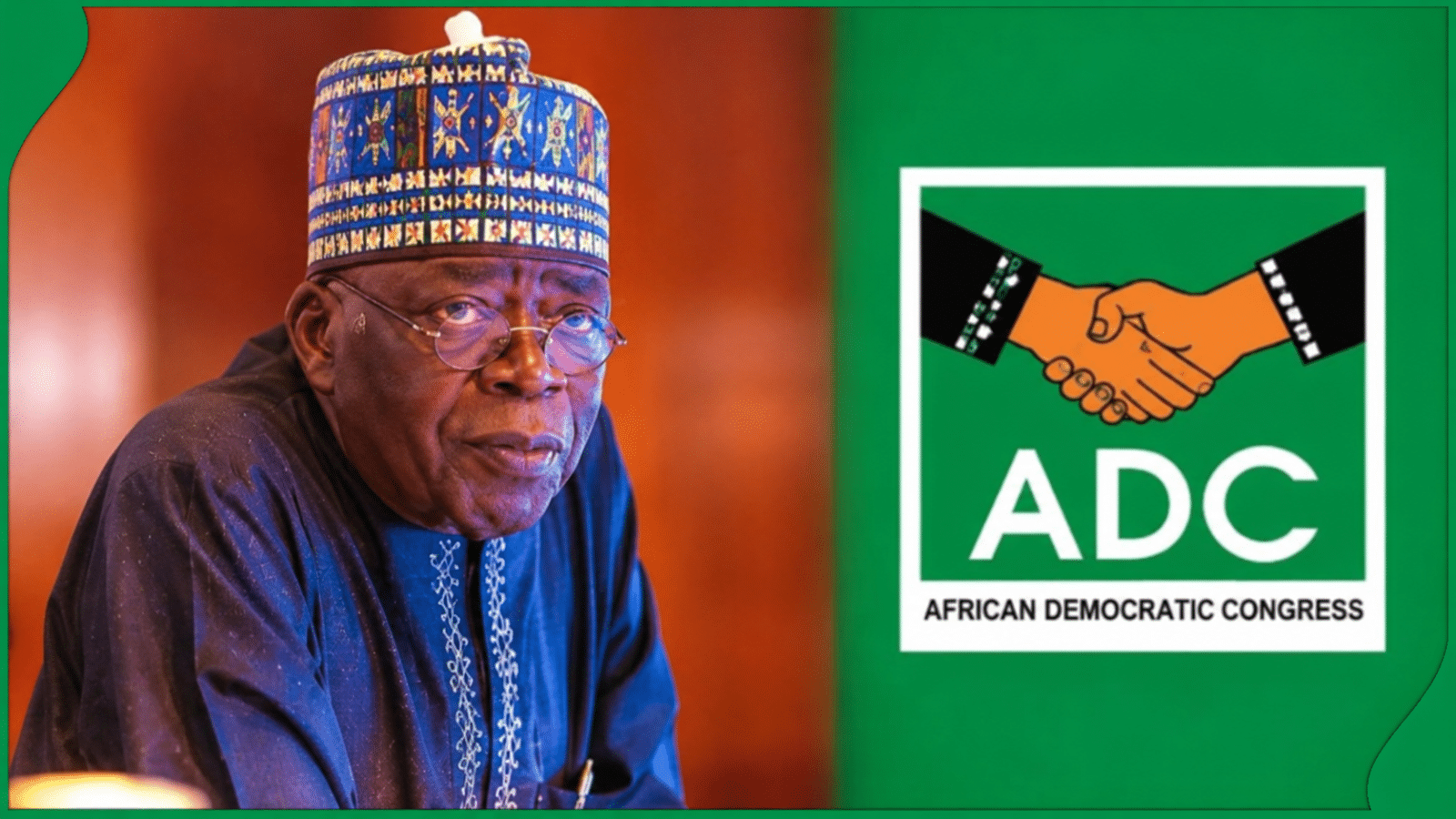
The African Democratic Congress (ADC) has formally condemned the 2027 election manifesto unveiled by President Bola Ahmed Tinubu and the ruling All Progressives Congress (APC), characterizing the document as a tactical re-issuance of unfulfilled campaign pledges from the 2023 election cycle. In a scathing critique issued by the party’s National Publicity Secretary, Mallam Bolaji Abdullahi, the opposition movement argued that the current administration is attempting to mask nearly four years of economic and social stagnation with recycled policy rhetoric that ignores the lived reality of the Nigerian populace.
The ADC’s intervention comes on the heels of President Tinubu’s official launch of his "From Reform to Prosperity" policy document, which outlines a strategic roadmap for a potential second term. While the administration frames the manifesto as a blueprint for continued growth and security, the opposition has moved to frame the discourse as a referendum on the government’s failure to meet its initial benchmarks.
A Chronology of Policy Expectations vs. Implementation
To understand the intensity of the current political friction, one must examine the trajectory of the Tinubu administration since its inception on May 29, 2023. At the onset of his presidency, Tinubu’s "Renewed Hope" agenda promised a transformative approach to governance, focusing heavily on fiscal restructuring, agricultural development, and massive job creation.
By late 2023, the government initiated a series of aggressive economic reforms, most notably the removal of the fuel subsidy and the unification of the foreign exchange windows. While the administration argued these were necessary "bitter pills" for long-term stability, the resulting inflation—which saw the consumer price index surge—eroded the purchasing power of the average household.
By mid-2025, the ADC and other opposition voices began tracking the implementation of key metrics. The 2023 manifesto had set ambitious targets for social infrastructure, including a health insurance expansion plan intended to cover 40 percent of the population within 24 months. As of November 2026, government data suggests that coverage remains well below 15 percent, with the administration now pushing the completion date for this target to 2031. Similarly, the promise to generate one million ICT-enabled jobs has seen only a fraction of that goal materialized, with official reports citing approximately 15,000 placements—a gap the ADC describes as a profound failure of execution.

Dissecting the Economic and Energy Crisis
The core of the ADC’s grievance lies in what it describes as the "normalization of failure." The party highlighted the electricity sector as a prime example of the disconnect between campaign promises and reality. In the 2023 electoral season, the APC campaigned on a platform that identified a 4,500-megawatt electricity generation capacity as a national emergency.
However, current data indicates that the national grid is struggling to maintain a consistent output of 4,022 megawatts. The ADC argues that if the administration viewed 4,500 megawatts as a failure in 2023, the acceptance of a lower output in 2026 suggests a regression in governance capability. This decline is compounded by the rising cost of living, with poverty rates reported at approximately 63 percent, according to various socioeconomic surveys tracking the impact of recent monetary policy adjustments.
The 100-Day Pledge Controversy
Perhaps the most contentious aspect of the new 2027 manifesto is the President’s inclusion of a "first 100-day" program for his potential second term. The ADC has questioned the logical consistency of this approach, noting that several of the policies proposed—such as specific administrative reforms and executive orders on fiscal discipline—are powers that the President currently possesses under the existing legal framework.
"The fundamental question Nigerians must ask is simple," Mallam Bolaji Abdullahi noted in his statement. "Why is a government campaigning on promises it should already have fulfilled? If the President has the executive authority to implement these reforms today, what prevents him from doing so? To promise these actions for 2027 is an admission that the government has either lacked the political will or the capacity to act in the interim."
Broader Political Implications and the 2027 Referendum
The 2027 election is shaping up to be a critical referendum on the performance of the APC, which has held the federal seat of power since 2015. With the ADC positioning itself as a challenger that prioritizes performance over rhetoric, the political landscape is becoming increasingly polarized.
The implications of this discourse are significant for several reasons:
- Electoral Accountability: The opposition is shifting the debate away from future promises and toward an empirical review of past performance. This forces the APC to defend its record rather than simply outlining new objectives.
- Economic Hardship: With the N70,000 minimum wage struggling to keep pace with hyper-inflation, the economic frustration of the electorate is at an all-time high. The ADC is leveraging this sentiment to demand a shift in leadership.
- Institutional Trust: The frequent shifting of goalposts—moving targets from 2023 to 2027 and now to 2031—risks further eroding public trust in government policy documents.
Analysis of the Political Landscape
Political analysts observe that while the APC’s manifesto offers a comprehensive look at long-term infrastructure and security goals, the ADC’s critique hits a resonant chord with a populace tired of austerity measures. The demand for an accounting of the 2023 pledges is not merely a political maneuver; it is a fundamental challenge to the standard campaign cycle in Nigeria, where manifestos are often treated as aspirational rather than contractual.
The ADC’s stance is that a manifesto should be a record of achievements, not a cycle of rebranded intentions. As the nation approaches the 2027 polls, the ability of the ruling party to reconcile its "Renewed Hope" narrative with the current economic climate will likely determine the outcome of the race.
Looking Ahead: The Call for Transparency
The ADC concluded its statement with a direct call to action, demanding that the President present a transparent audit of his tenure before the electorate. The party insists that the President must clarify exactly what was promised, what was delivered, and the specific reasons for any shortfalls.
This call for accountability is expected to be a recurring theme in the coming months. As other opposition parties join the fray, the debate over the 2027 manifesto will likely serve as the primary battleground for the next general election. For the Tinubu administration, the challenge is clear: it must convince a skeptical public that its second-term vision is a realistic progression rather than a continuation of what critics view as a cycle of unmet expectations.
In the final analysis, the 2027 election represents more than a contest between political parties; it serves as a litmus test for the democratic maturity of Nigeria, where the electorate is increasingly demanding evidence-based governance over the traditional, rhetoric-heavy campaign styles of the past. Whether the ADC’s critique shifts the needle of public opinion or whether the APC’s policy vision manages to regain traction remains to be seen in the unfolding political theater of the next several months.