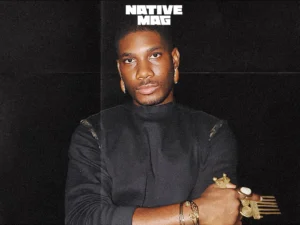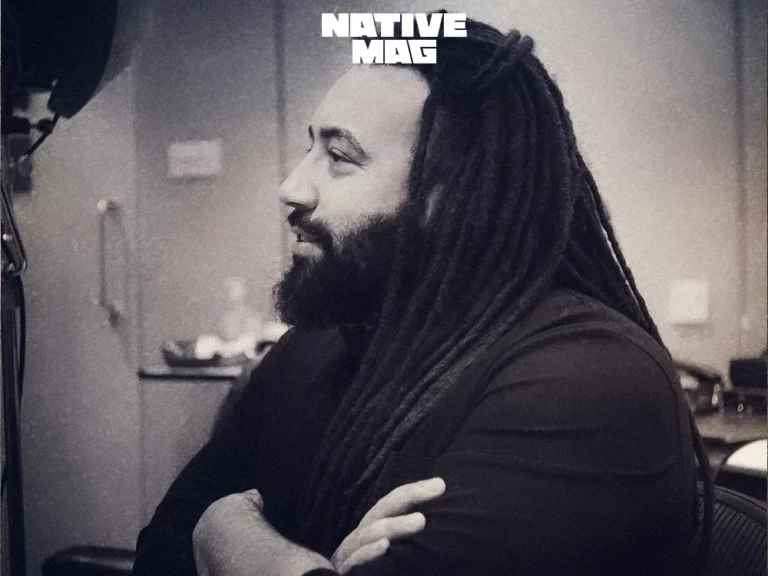
The career of the Nigerian producer and artist known as Adey serves as a masterclass in the evolution of modern music production, bridging the gap between the burgeoning Afro-pop scene and the highest echelons of international music production. Adey, a multifaceted creative, has cultivated a body of work that spans over a decade, marked by a transition from local industry acclaim to significant contributions on global stages, most notably through his work with Kanye West. His trajectory reflects the broader challenges and triumphs of the contemporary music landscape, where technical proficiency, administrative literacy, and artistic adaptability determine long-term sustainability.
The Foundations of a Creative Catalyst
Adey’s musical journey began not in the digital realm, but with the tactile precision of the piano at the age of four. This early exposure to formal instrumentation provided the theoretical framework that would later distinguish his work in the DAW (Digital Audio Workstation) era. However, the pivotal inflection point occurred during a secondary school Christmas concert. While experimenting with the looping functionality on a Yamaha keyboard, Adey discovered the capacity for multi-layered sound design—a revelation that shifted his perspective from a performer to an architect of sound.
By his A-levels, this curiosity had migrated to professional software, allowing him to formalize his production skills. This period of intense self-study coincided with a broader technological shift in the music industry, where the democratization of production software allowed independent creators to compete with established studio environments. Adey’s approach—characterized by a blend of R&B sensibilities, Afro-pop rhythms, and cinematic scoring—set the stage for his breakthrough in the Nigerian market.
The Anatomy of a Hit: The Juice Legacy
The 2017 hit single "Juice" by YCee, produced by Adey, remains a seminal case study in the complexities of the Nigerian music industry. The track, which married Ghanaian "bounce" rhythms with contemporary R&B, was initially met with resistance from industry gatekeepers who prioritized established, safer sonic palettes. Despite the internal friction during its creation, the track became a massive commercial success, fundamentally altering the trajectory of YCee’s career and establishing Adey as a formidable production talent.
However, the aftermath of "Juice" provides a stark cautionary tale regarding intellectual property and administrative infrastructure. Adey has noted that, at the time, the lack of robust legal and administrative guidance meant that he was unable to capitalize on the song’s rapid commercial ascent. The absence of proper royalty management and the opaque nature of early streaming deals resulted in significant financial leakage, a common hurdle for independent producers in emerging markets. This experience served as a catalyst for Adey’s professional development, prompting a more rigorous approach to his business affairs.
Global Integration: The Ye Collaboration
Adey’s integration into the creative orbit of Kanye West represents one of the most significant achievements for a Nigerian producer on the international stage. His entry into this ecosystem was not through traditional networking, but via a commitment to service and professional utility. Through his connection to designer Mowalola, Adey was introduced to the production team working on Kanye West’s Vultures era projects.
His role began in a logistical capacity, assisting with equipment and operational support, before his technical and creative contributions were recognized by West himself. This transition—from a "runner" to a featured producer—underscores the necessity of "soft skills" in the global music industry. Adey’s ability to contribute meaningfully to complex sessions in Florence and later in Mallorca led to production credits on tracks such as "Mission Control." His experience highlights a critical reality of high-level production: the ability to listen, adapt, and provide value within an existing creative hierarchy is often as vital as technical brilliance.
Professional Philosophy and the Shift in Production
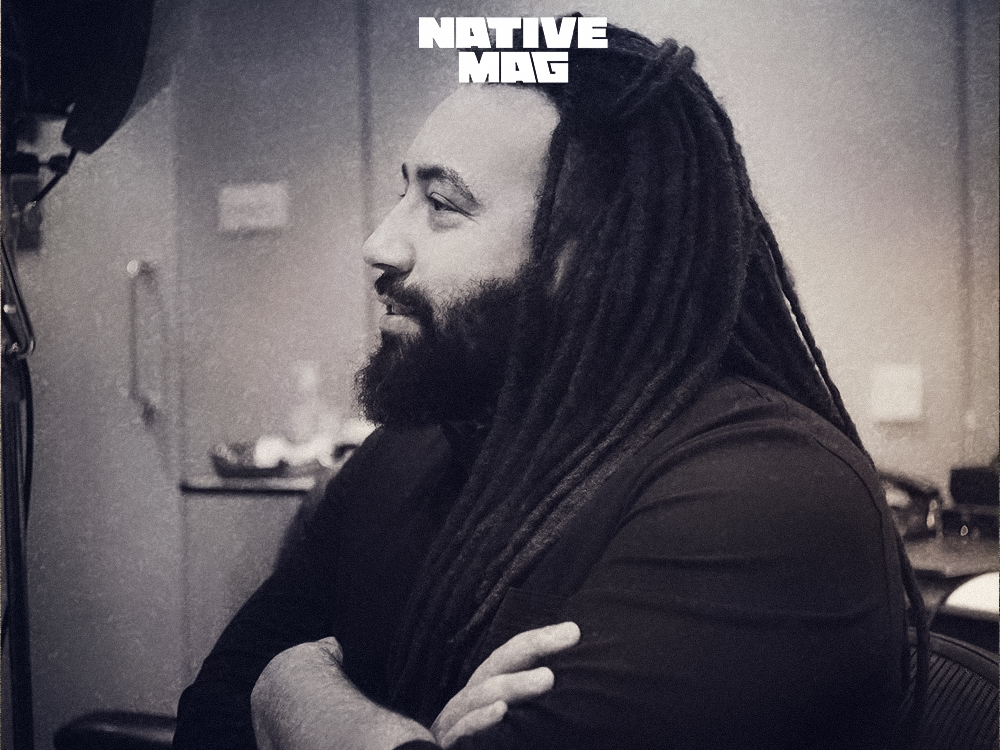
Adey’s creative process is defined by a rigorous commitment to continuous learning. He emphasizes a philosophy of daily improvement, viewing each day as an opportunity to acquire knowledge, whether or not it is directly applicable to his current projects. This intellectual curiosity manifests in his production style, which he describes as a collaborative, iterative process. Rather than working in isolation, he prefers to engage with the artist’s vocal range and creative intent, pushing boundaries while maintaining the core identity of the record.
Regarding the state of the Nigerian music industry, Adey identifies a significant "ego-based" barrier to innovation. He notes that a lack of willingness among some artists to engage in a collaborative exchange—where both the producer and the artist learn from one another—often leads to stagnation. He advocates for a "reset" in the industry, one that prioritizes authentic skill development, songwriting craftsmanship, and structural delivery over the current trend of content saturation.
The Digital Ghost: The Artist’s Duality
While his production work has garnered international recognition, Adey maintains a distinct, almost private existence as an artist. With tracks like "Cigarettes" approaching one million streams on Spotify, he has demonstrated significant commercial viability as a solo act. However, he treats this side of his career with a notable level of detachment. He describes his artist persona as a "digital ghost," a creative outlet he sustains for personal satisfaction rather than for the traditional demands of performance and touring.
This approach challenges the conventional industry requirement that producers must also be public-facing celebrities. By separating his identity as a producer-for-hire from his role as an independent songwriter, Adey retains creative autonomy. His choice to fund the promotion of his own music through independent, non-traditional channels—such as direct engagement with club DJs—reflects a desire to maintain control over his artistic output.
Implications for Future Producers
The trajectory of Adey’s career offers several takeaways for emerging creators. Firstly, the "high barrier to entry" that once defined professional music production has been replaced by a "low barrier to entry" that mandates a higher level of personal discipline. While tools like Splice and pre-made loops have made production accessible, Adey argues that they have also diluted the respect for the craft. The challenge for the next generation, he suggests, is to move beyond the ease of digital tools and engage in the deep, difficult work of musical theory and arrangement.
Furthermore, the administrative lessons derived from the "Juice" era highlight the critical importance of music business education. As the Nigerian market continues to scale globally, the capacity for creators to secure their intellectual property rights and manage royalty streams will define the long-term wealth and influence of the industry.
Conclusion
Adey represents a new breed of music professional: globally literate, technically versatile, and acutely aware of the business dynamics that govern the industry. Whether he is working within the intense, high-stakes environment of a Kanye West studio session or quietly releasing personal demos, his focus remains on the pursuit of sonic excellence. As the music landscape continues to shift, his career serves as a roadmap for how talent, combined with a disciplined, research-driven philosophy, can navigate the complexities of the global stage while maintaining a commitment to artistic integrity. The "reset" he anticipates for the Nigerian music scene may well be fueled by creators like him, who prioritize the longevity of the craft over the immediacy of the hit.