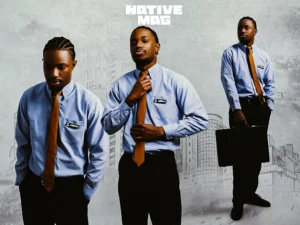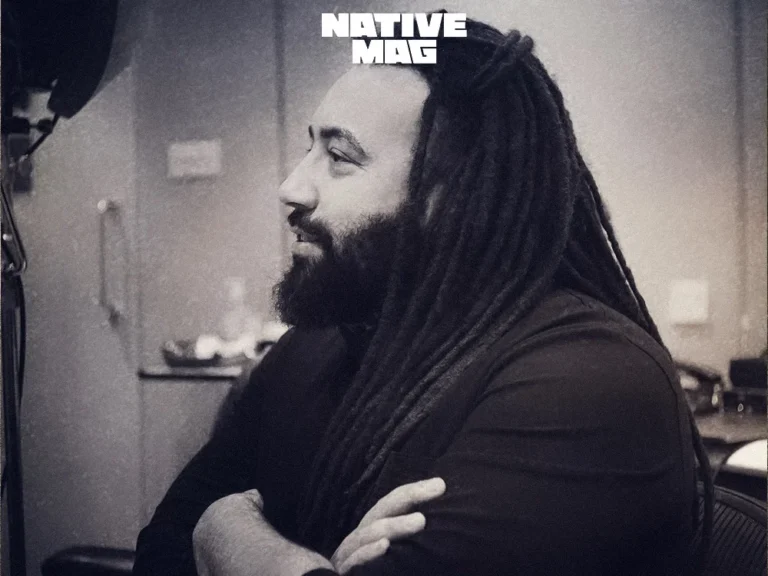
The landscape of modern music production is often defined by those who remain behind the scenes, yet few possess the dual-threat capability of Adey, a producer and songwriter whose career trajectory has bridged the gap between Nigeria’s vibrant Afrobeats scene and the global epicenter of hip-hop. With a professional footprint that includes engineering for Kanye West and crafting the sonic backbone of major hits, Adey represents a new breed of Nigerian creative: technically proficient, academically curious, and fiercely protective of his artistic autonomy.
A Foundation Built on Theory
Adey’s musical journey began not in a high-tech studio, but at a piano bench at the age of four. This early classical foundation provided him with a structural understanding of melody and harmony that would eventually distinguish his production style from his contemporaries. His formal transition into music production occurred during his secondary school years, sparked by a pivotal Christmas concert where he discovered the looping capabilities of a Yamaha keyboard. This encounter with digital layering served as his gateway into modern composition, though he would not fully immerse himself in professional Digital Audio Workstations (DAWs) until his A-level studies years later.
The Juice Phenomenon: A Case Study in Industry Realities
One of the most defining moments in Adey’s career remains the production of the 2017 hit record "Juice," performed by Nigerian artist YCee. The track, which masterfully blended Ghanaian bounce rhythms with contemporary R&B, became a cultural staple. Despite its commercial success, the record serves as a stark reminder of the administrative pitfalls facing independent producers in emerging markets.
Adey has openly addressed the financial and legal discrepancies that followed the track’s release. For two years, the lack of robust administrative infrastructure meant that streaming royalties and revenue streams were largely inaccessible or mismanaged. While the song achieved its intended cultural impact, the experience served as a catalyst for Adey’s transition into a more self-reliant, business-conscious creative. It underscores a broader industry issue where talented producers, often focused on the technical "vibe" of a track, are left vulnerable to exploitation due to a lack of legal literacy or proper representation.
Global Expansion: The Collaboration with Kanye West
Adey’s international breakthrough arrived through a combination of merit and strategic networking. His entry into the orbit of Kanye West (Ye) began through his sister, the acclaimed designer Mowalola, but his longevity in those circles was strictly a result of his own adaptability. Joining Ye’s production team in Florence, Italy, and later in Mallorca, Spain, required Adey to navigate a high-pressure environment where his role shifted from assistant and engineer to core producer.
His contributions to the Vultures project—specifically tracks such as "Mission Control"—demonstrate his ability to synthesize his signature sound with the distinct, often erratic requirements of a global superstar. By his own admission, the experience was an exercise in humility and observation. His ability to move from "runner" duties—managing equipment and logistics—to contributing melodies and production elements highlights a professional maturity rarely seen in producers at his level. This transition was marked by Ye’s direct recognition of his talent, transitioning him from a utility role to a primary creative contributor.
Artistic Autonomy and the Shadow Persona
While his production credits are public, Adey maintains a distinct, almost reclusive persona as a solo artist. His single "Cigarettes" has garnered nearly a million streams on Spotify, yet he remains detached from the traditional marketing cycles required to sustain a pop career. For Adey, music is a deeply personal endeavor, often created for his own consumption rather than for public performance.
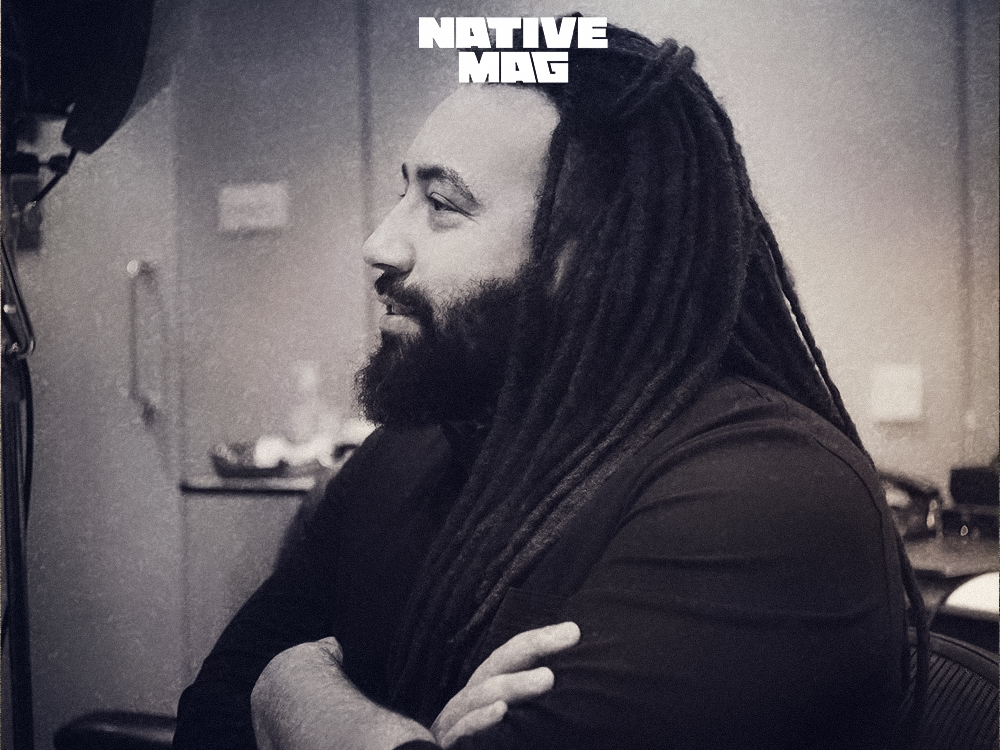
This "digital ghost" approach—where he releases music without the intent to tour or chase traditional fame—challenges the industry’s obsession with metrics and social media engagement. It is a philosophy rooted in the belief that the music should exist on its own merits, divorced from the performative expectations of the modern artist.
Market Analysis: The State of Nigerian Production
Looking toward the future, Adey holds a critical view of the current state of the Nigerian music industry. He identifies a concerning trend: the dilution of production standards due to the increased accessibility of music software. While he acknowledges that tools like Splice and pre-made loops have democratized music creation, he warns that this has lowered the barrier to entry to a point where "knowledge is no longer considered a requirement."
Adey anticipates a "reset" in the coming years. He argues that the current audience threshold for quality is low, allowing for repetitive or hollow compositions to dominate the charts. He advocates for a return to rigorous songwriting, technical mastery of instrumentation, and a more collaborative, less ego-driven studio environment. His refusal to work with artists who lack a mutual respect for the craft is not merely a personal preference but a professional stance against the commodification of music at the expense of quality.
Philosophical Underpinnings and Future Prospects
At the core of Adey’s methodology is a philosophy of perpetual learning. Whether he is studying the mechanics of solar panels or the intricacies of appliance repair, he maintains that the acquisition of knowledge is the primary metric of a successful day. This "nerdy" approach to life informs his production; he treats sound design with the same investigative rigor he applies to his personal research.
As he looks ahead, Adey remains selective. He is cautious about exploiting his existing relationships, particularly with high-profile artists like Ye, preferring to be "useful and ready" rather than intrusive. He intends to continue balancing his role as a sought-after producer with his shadowy, private existence as an artist.
Summary of Impact
The narrative of Adey is one of resilience in the face of structural industry challenges. By navigating the transition from a local producer in Nigeria to a global collaborator, he has set a blueprint for how independent creators can maintain their integrity. His trajectory—from a secondary school student looping melodies on a keyboard to a producer credited on internationally acclaimed albums—reflects a career defined by technical excellence and a refusal to compromise on artistic vision.
As the industry continues to grapple with the tension between technological convenience and the preservation of traditional craft, voices like Adey’s are essential. He serves as a reminder that regardless of the tools available, the most significant variable in music production remains the depth of the producer’s knowledge and their willingness to push beyond the status quo. The "reset" he envisions for the Nigerian soundscape may well be the necessary evolution for the industry to move from a focus on viral hits to one of enduring, high-quality artistry.