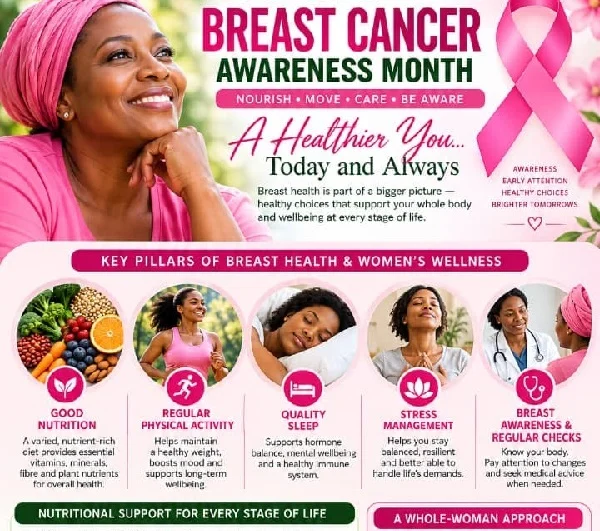
Breast Cancer Awareness Month, observed annually in October, has evolved from a campaign focused solely on disease detection to a global movement advocating for a holistic approach to long-term health. While early screening and evidence-based medical interventions remain the gold standard for treating breast cancer, medical professionals and oncology researchers are increasingly emphasizing the critical role of lifestyle, nutrition, and supportive care in the survivorship journey. Moving beyond the binary of awareness versus diagnosis, the current clinical consensus underscores that a "whole-woman" approach—integrating clinical oncology with metabolic and lifestyle optimization—is essential for improving long-term outcomes and quality of life for those living with or beyond the disease.
The Evolution of Breast Cancer Care: A Historical Context
The modern era of breast cancer management has seen significant shifts in perspective. Historically, the primary focus was on survival statistics and acute surgical or pharmaceutical interventions. However, the 2010s marked a turning point where longitudinal studies began identifying a strong correlation between lifestyle factors—such as physical activity levels, obesity management, and nutritional intake—and the risk of recurrence or comorbid health issues.
According to the World Health Organization (WHO), breast cancer is the most common cancer in women worldwide. As treatment modalities have become more effective, the number of long-term survivors has increased, shifting the burden of care toward managing chronic health status and preventing secondary illnesses. Modern oncology now views nutrition and physical activity not as alternative therapies to replace medical treatment, but as essential pillars of "supportive care" designed to bolster the body’s resilience during chemotherapy, radiotherapy, and endocrine therapy.
The Biological Necessity of Nutritional Support
The human immune system is a complex, energy-demanding network that requires a precise balance of macro and micronutrients to function effectively. During the physiological stress of a cancer diagnosis and subsequent treatment, the body’s metabolic demands often shift. Malnutrition or even sub-clinical nutrient deficiencies can impair the body’s ability to recover from the inflammatory response triggered by cancer treatments.
Clinical nutritionists emphasize that a varied diet serves as the foundation of immune health. Key nutrients identified for their role in physiological maintenance include:

- Protein Synthesis: Essential for muscle maintenance and tissue repair, proteins—derived from eggs, fish, poultry, legumes, and nuts—are critical for patients experiencing cachexia or weight loss due to treatment side effects.
- Antioxidant Defense: Vitamin C, found in citrus, peppers, and cruciferous vegetables, plays a vital role in neutralizing oxidative stress. Selenium, often found in grains and seafood, works in tandem to protect cells from environmental damage.
- Micronutrient Homeostasis: Zinc and the B-vitamin complex, including folate, are indispensable for cell division and energy metabolism. Deficiencies in these areas can lead to fatigue, a common complaint among cancer survivors.
- Vitamin D and Skeletal Health: Given that many breast cancer treatments (such as aromatase inhibitors) can impact bone density, adequate Vitamin D levels—sourced from sunlight, diet, or guided supplementation—are a focal point of bone health management.
The Role and Risks of Nutritional Supplementation
While whole foods provide the most bioavailable form of nutrients, there are instances where supplementation becomes a clinical necessity. However, the medical community maintains a strict boundary: supplements are intended to complement, not replace, primary oncological care.
A critical concern for oncologists is the potential for interaction between concentrated supplements and conventional treatments. For instance, high-dose antioxidant supplements can, in some cases, interfere with the mechanism of radiation therapy or certain chemotherapy agents, which rely on the induction of oxidative stress to destroy malignant cells. Therefore, the "responsible wellness position" dictates that any supplementation regimen must be cleared by a patient’s oncology team. Individualization is key; a patient’s needs will fluctuate based on their specific cancer type, treatment phase, and existing comorbidities.
Lifestyle as a Clinical Prescription
Physical activity has emerged as one of the most potent non-pharmacological interventions in oncology. Evidence suggests that breast cancer survivors who engage in regular physical activity experience improved overall survival rates and a reduced risk of recurrence. Exercise is not merely a tool for weight management; it serves as a therapeutic agent that improves cardiovascular health, sleep quality, and mood regulation.
Clinical guidelines now suggest that survivors should aim for a combination of aerobic exercise—such as walking, swimming, or cycling—and resistance training. The intensity and type of movement should be tailored to the individual’s current health status and physical capacity. Beyond movement, the broader "wellness prescription" includes:
- Metabolic Health: Maintaining a healthy body mass index (BMI) is associated with lower levels of systemic inflammation, which is a known risk factor in cancer progression.
- Harm Reduction: Avoiding tobacco and limiting alcohol intake are primary prevention strategies that remain vital during and after treatment.
- Stress and Sleep: Chronic stress management and consistent, restorative sleep are integral to immune system regulation. Social connection and psychological support services have also been shown to improve patient compliance and mental health outcomes.
The Whole-Woman Framework: Integrating Care
The modern oncological model is shifting toward a multidisciplinary approach. A "whole-woman" framework acknowledges that a patient’s health cannot be segmented. Instead, it requires a cohesive strategy where oncology teams, dietitians, and physical therapists collaborate.
For women in active treatment, the focus is often on managing treatment-related eating difficulties, such as nausea or loss of appetite. In these instances, a qualified dietitian becomes an essential part of the care team, ensuring the patient receives adequate caloric and protein intake to prevent muscle wasting. Post-treatment, the focus shifts to long-term maintenance, survivorship monitoring, and optimizing metabolic health to reduce the risk of secondary disease.

Implications for Public Health Policy
The data surrounding breast cancer survivorship suggests that healthcare systems must do more to integrate lifestyle education into standard oncology pathways. Currently, many patients receive medical treatment but lack formal guidance on nutrition and exercise, often relying on anecdotal or unverified information.
Public health implications are significant. By prioritizing integrated, evidence-based wellness programs, health providers can potentially reduce the long-term healthcare costs associated with treatment-related complications and secondary illnesses. Furthermore, by empowering patients with actionable, science-backed lifestyle strategies, the medical community fosters a sense of agency that is crucial for mental and emotional recovery.
Conclusion: A Future of Holistic Survivorship
As the scientific community continues to explore the intersection of nutrition, lifestyle, and oncology, the message for Breast Cancer Awareness Month is clear: survivorship is an active, ongoing process. The future of care lies in moving beyond simple awareness and into the territory of sophisticated, integrated support. By combining the precision of medical intervention with the foundational benefits of a healthy lifestyle, women can navigate the complexities of breast cancer with a more robust and comprehensive approach to their long-term health.
While specialized consultations—such as those offered by wellness professionals like Mrs. Chima Ejimofor, who focuses on nutritional education and health advocacy—can play a role in supporting the daily lives of individuals, they must always exist within the context of the medical care provided by the oncology team. The ultimate goal remains the same: ensuring that every woman has the resources, knowledge, and clinical support necessary to maintain health and vitality, both during and long after the completion of cancer treatment. Through a commitment to evidence-based lifestyle practices, the narrative of breast cancer shifts from one of mere survival to one of thriving wellness.