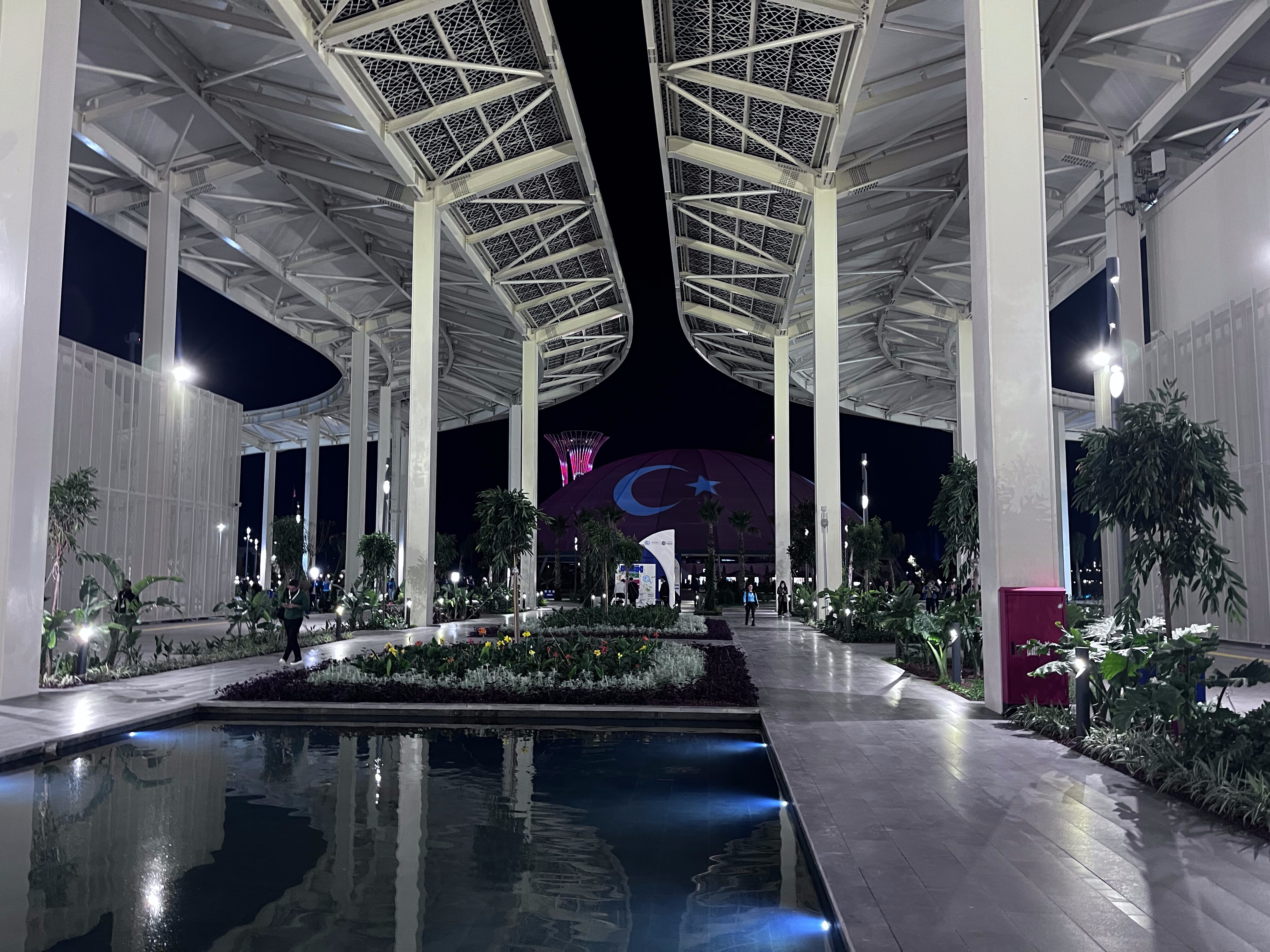
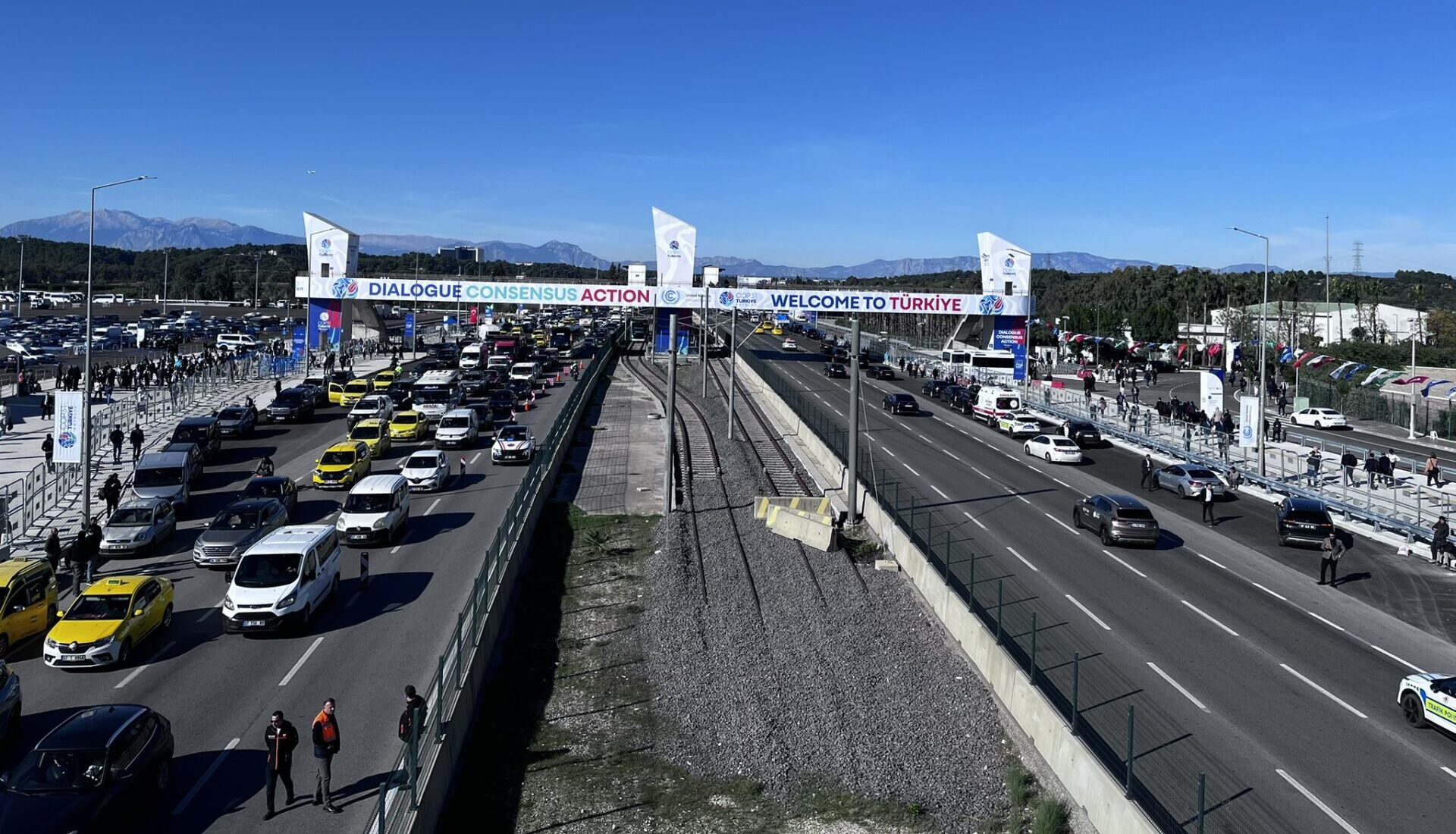
The 31st United Nations Climate Change Conference (COP31) officially commenced on Monday in the Turkish coastal city of Antalya, drawing approximately 100,000 delegates, over 90 heads of state, and hundreds of ministers from nearly 200 nations. Designed to forge actionable paths to secure the future of the planet, the summit opened under the heavy shadow of bleak scientific assessments. Arriving delegates encountered severe logistical bottlenecks at the Antalya Expo Centre—with some facing multi-hour entry delays—mirroring the institutional gridlock and political friction that have historically plagued international climate negotiations.

The conference takes place following a punishing 12-month cycle of record-setting heatwaves, catastrophic floods, relentless wildfires, and historic droughts across every populated continent. Moreover, COP31 marks the first major UN climate gathering since the UN Environment Programme (UNEP) formally concluded that the pragmatic opportunity to limit global warming to 1.5°C—the landmark threshold of the Paris Agreement—"has been lost." As the international community confronts this harsh reality, the pressure on negotiators to transition from high-level rhetoric to tangible, binding implementation has never been more urgent.
A World’s Fair of Climate Reality and Logistical Hurdles
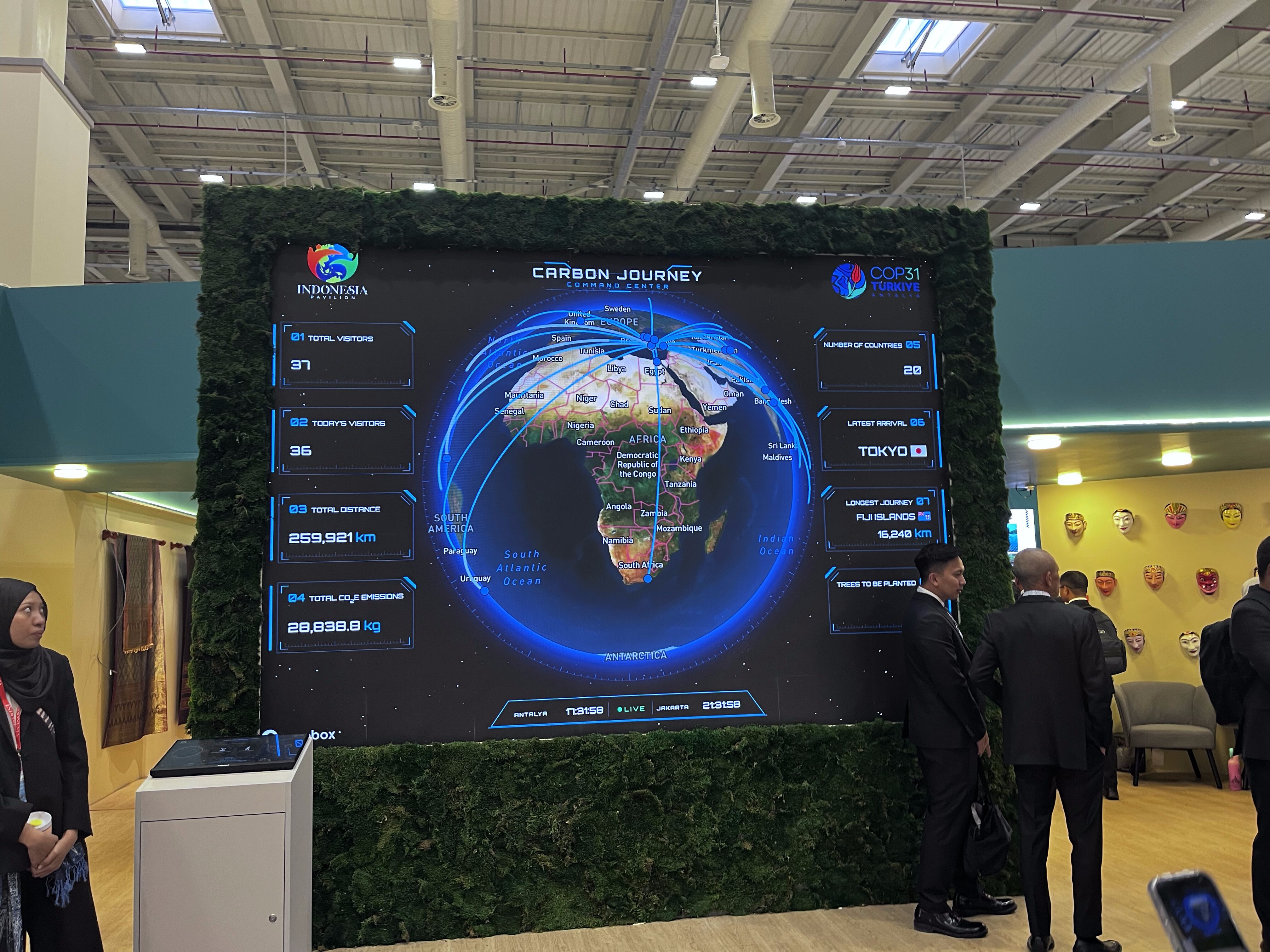
Inside the sprawling pavilions of the Antalya Expo Centre, nations have erected elaborate displays that double as stark reminders of ecological vulnerability. Tajikistan’s exhibition highlights retreating glaciers, serving as a poignant memorial to the devastating Himalayan glacier collapse in August that claimed over 1,300 lives in Nepal. Nearby, Brazil recreates the Amazon rainforest, Oman showcases desert ecosystems, and the United Kingdom’s pavilion honors Sir David Attenborough, who recently celebrated his 100th birthday after a lifetime dedicated to wildlife and ecosystem preservation.
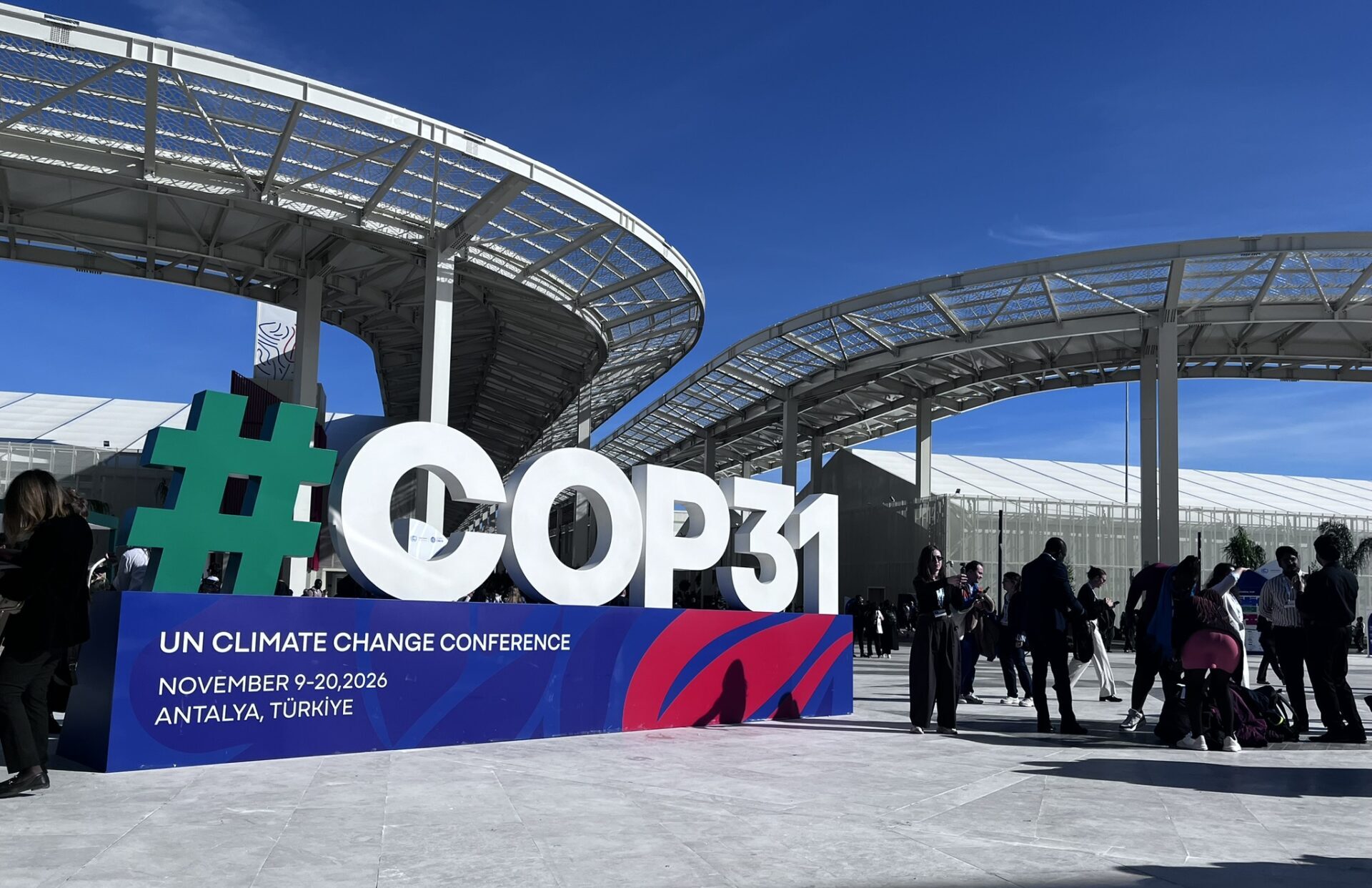
The city of Antalya itself has been thoroughly rebranded for the fortnight-long summit. Slogans adorn trams, buses, and billboards, ranging from bureaucratic jargon like "Dialogue. Consensus. Action." to more localized optimism such as "Next stop: a better future." Yet, the guiding sentiment uniting civil society, host officials, and developing nation delegates is captured best by a singular maxim plastered across the venue: "Where dialogue becomes action."
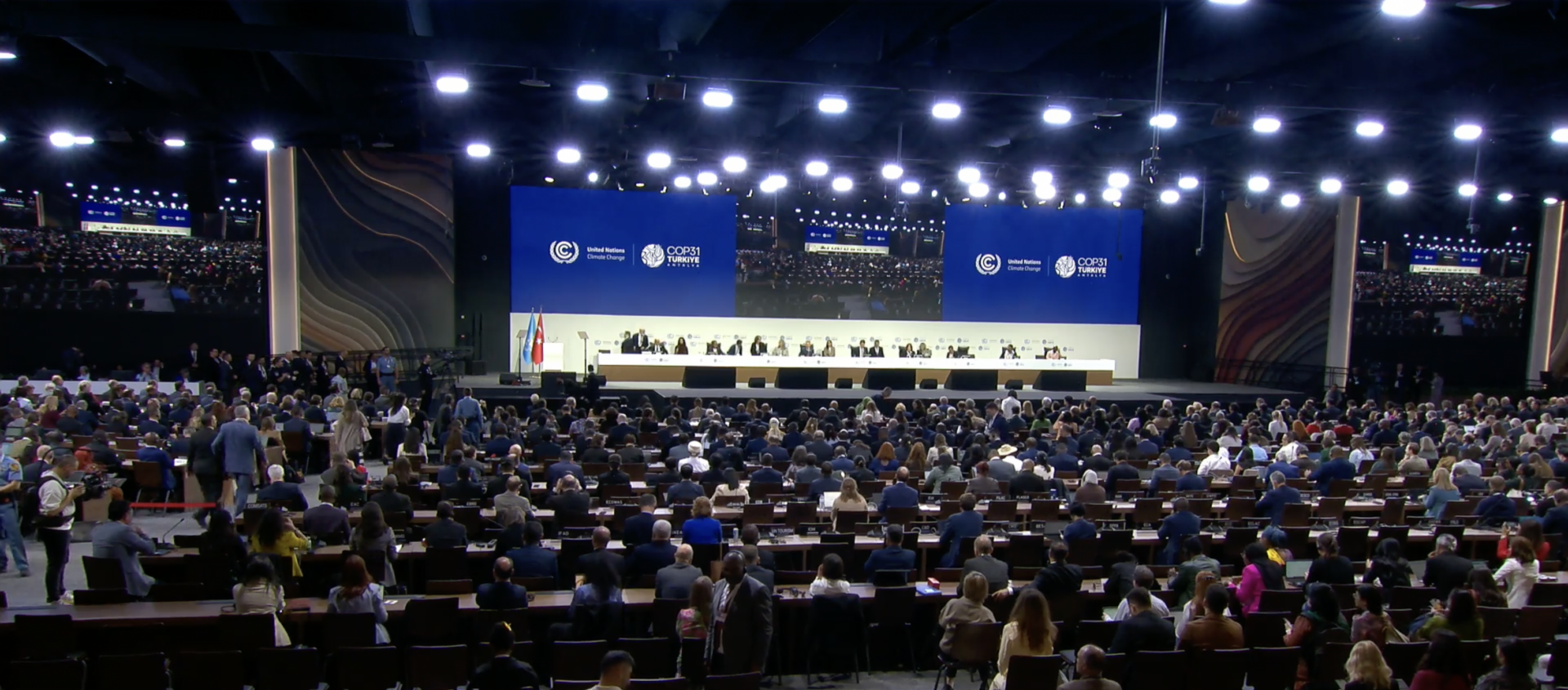
Achieving that transition, however, proved difficult even before the opening gavel. True to the chaotic tradition of COP summits, the opening plenary on Sunday night was delayed by an hour and a half due to procedural standstills. Developing countries fought late into the night to secure formal agenda items addressing climate finance. While negotiators ultimately carved out a two-year work framework to track how wealthy nations meet their Paris Agreement funding obligations, compromises were struck. Notably, a distinct request by the African Group for an explicit agenda item on tripling adaptation finance was sidelined to be addressed under broader discussions.

The Widening Chasm in Climate Adaptation Finance
The debate over adaptation finance—the funding required for vulnerable countries to build resilience against extreme weather, sea-level rise, and crop failures—remains a core point of contention. At COP30 in Belém, nations rhetorically committed to "at least triple" adaptation finance by 2035, yet failed to establish a standardized baseline year or an absolute financial target.
According to UNEP’s annual Adaptation Gap Report released ahead of the summit, current pledges cover a meager 20% to 29% of the estimated $420 billion annually (adjusted for inflation) that developing countries will require by 2035. Consequently, the 44 Least Developed Countries (LDCs) issued a scathing joint statement on the opening day, branding the global overshoot of the 1.5°C threshold "a grave betrayal of our countries who have contributed least to this crisis."
Ambassador Adão Soares Barbosa of Timor-Leste, chair of the LDCs, underscored that COP31 cannot afford to be another exercise in deferred responsibility. "It must deliver urgent emissions reductions, address temperature overshoot, secure direct access to finance, and provide tangible protection for those most at risk," Barbosa asserted.
A Global Health Crisis of Pandemic Proportions
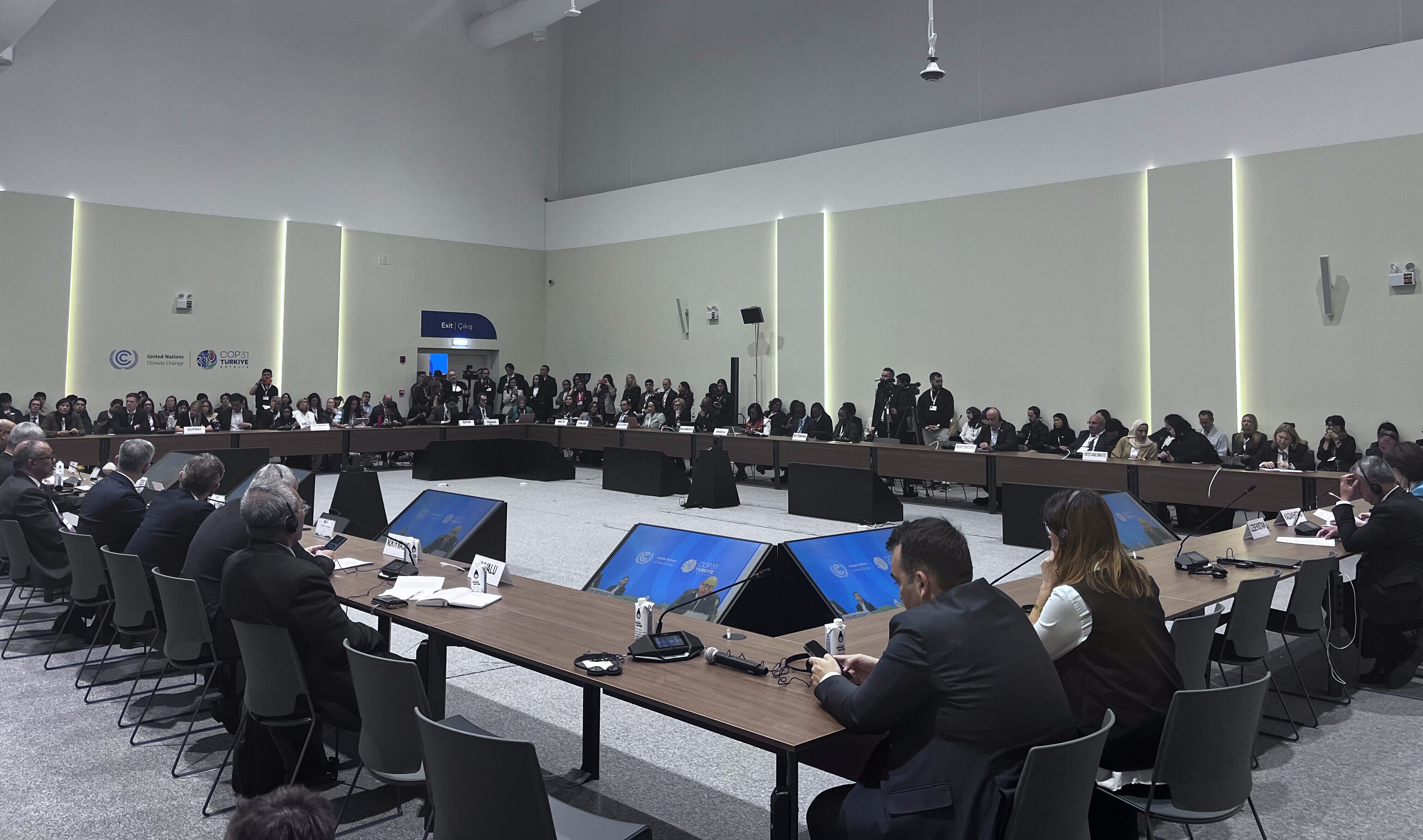
Reflecting the escalating intersection of environmental degradation and human well-being, Tûrkiye designated the opening day of COP31 as a dedicated Health Day. Global health leaders, World Health Organization (WHO) officials, and international health ministers converged in Antalya to warn that climate-driven health emergencies have reached catastrophic proportions.
"No health system can be made resilient to an endlessly warming world," declared UN Climate Chief Simon Stiell during a high-level ministerial address. Describing the climate crisis as "a global health crisis of pandemic proportions," Stiell outlined the insidious ways climate breakdown fractures healthcare delivery: "A ward grows hotter. The power flickers. A refrigerator holding medicines fails. Floodwater enters a well. A mother in labor finds the road to the clinic cut off."
Data released ahead of the summit by the Lancet Countdown reveals the staggering human cost of inaction. In 2023 alone, extreme heat was linked to a record 710,000 deaths globally, nearly three-quarters of which were directly attributable to human-induced climate change. Concurrently, air pollution from burning fossil fuels claimed another 2.78 million lives that same year. Authors of the Lancet report have formally urged the WHO to establish a new public health emergency category specifically for the climate crisis, emphasizing that heat-related fatalities are fundamentally climate-change deaths.
The Funding Paradox: War Budgets Versus Health Resilience
Despite the mounting body of evidence linking environmental collapse to public health catastrophes, the financial commitments from governments at COP31 remain glaringly deficient. For the third consecutive summit—following Brazil and Azerbaijan—no major new financial investments for health-system adaptation were announced by wealthy donor nations.
Highlighting the stark misallocation of global resources, Brazilian Health Minister Alexandre Padilha delivered a sharp critique during the ministerial panels. International public commitments for health adaptation plummeted from approximately $3.2 billion in 2022 to $2.2 billion in 2024, accounting for a mere 5% of all international public adaptation finance. Meanwhile, global development aid experienced an unprecedented 23% drop in 2025, even as worldwide military spending surged by 41% over the past decade to reach $2.9 trillion.
"Why is there always so much money for war and death, and so little for health, environment, and life?" Padilha asked the plenary.
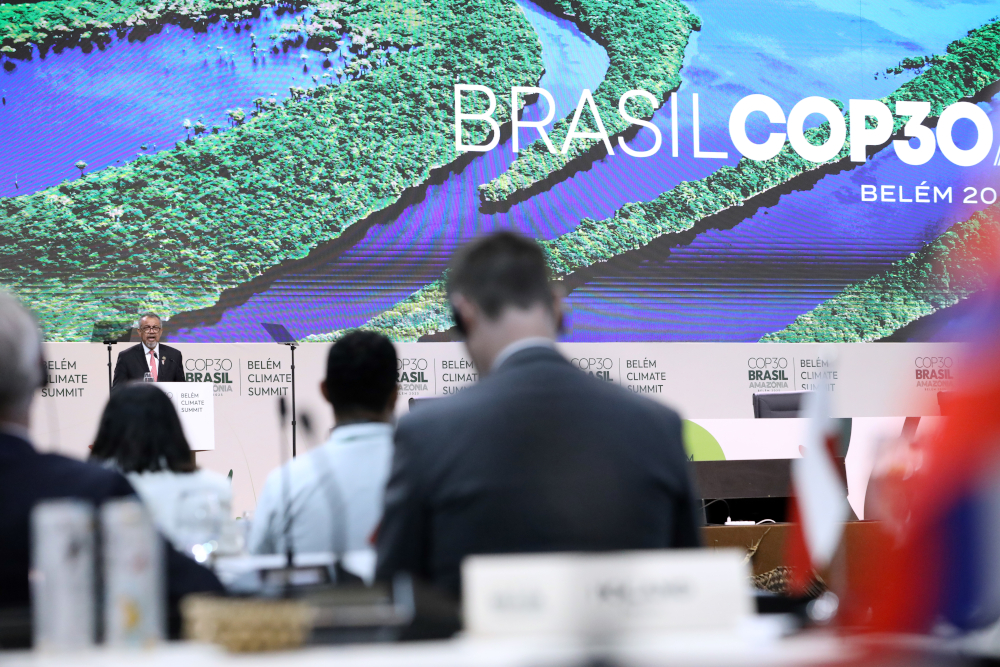
Outgoing WHO Director-General Dr. Tedros Adhanom Ghebreyesus echoed these frustrations, noting that while health has steadily climbed the COP agenda since Glasgow in 2021, political declarations have failed to translate into ground-level protection. Citing a WHO survey showing that over 90% of countries view insufficient funding as the primary barrier to their climate-health plans, Tedros criticized the formal negotiation structure for excluding health as an explicit line item. "Health is the human face of climate change," Tedros stated. "It belongs in the negotiated text. It should be an explicit eligibility area for climate finance."
New Initiatives and Frameworks: Maps Without Investment
In the absence of fresh multilateral capital, host nations and international organizations attempted to drive progress through structural coordination tools. Tûrkiye and the WHO jointly launched the Antalya Initiative for Resilient Health Systems (AIR), a voluntary platform designed to allow nations to share case studies, cost analyses, and best practices in protecting public health from climate shocks. However, as of Monday evening, no participating countries had formally signed onto the initiative, and details regarding staffing, funding, and implementation remain sparse.
Simultaneously, Brazil introduced a comprehensive financing framework for the Belém Health Action Plan. Endorsed by 40 countries, the non-binding roadmap maps out how nations can leverage existing financial mechanisms—ranging from multilateral development banks and climate funds to domestic budgets and philanthropic grants—to fund non-revenue-generating public health interventions like disease surveillance systems and worker training.
Alan Dangour, Wellcome’s director of climate and health, announced that the Climate and Health Funders Coalition had successfully awarded over $225 million of the $300 million pledged in Belém, while attracting an additional $150 million in new commitments. "We should approach climate negotiations as though people’s lives depend on them," Dangour urged, "because they do."
Meteorological Warnings and the El Niño Threat
Underscoring the physical urgency of the negotiations, the World Meteorological Organization (WMO) released its latest update confirming that the past 12 years are the warmest on record. Global surface temperatures from January to September averaged approximately 1.47°C above pre-industrial baselines.
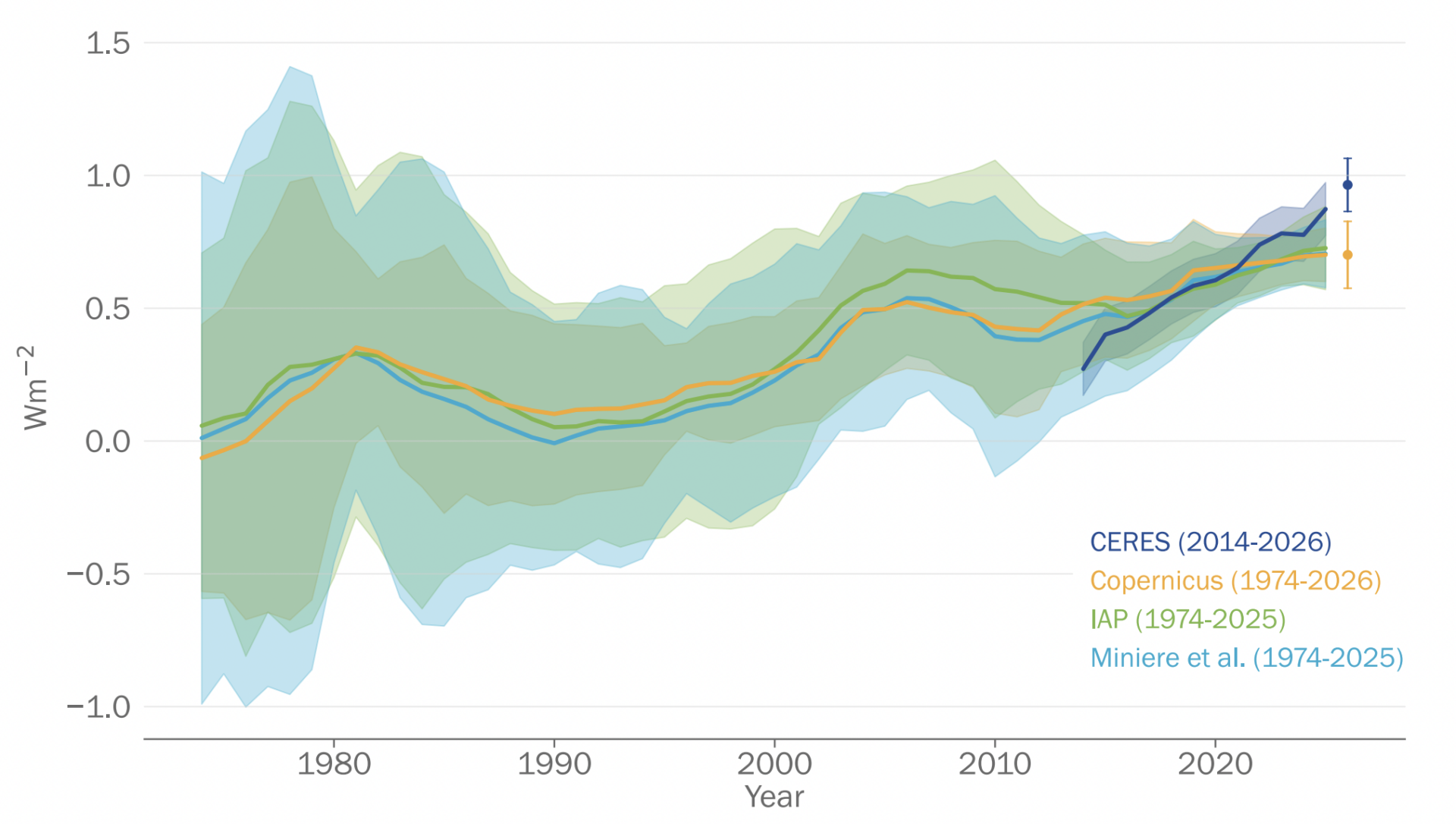
WMO Secretary-General Celeste Saulo warned that the unfolding El Niño weather pattern—forecast to peak as one of the strongest on record by December—will release massive amounts of heat from the world’s oceans, which are already at their warmest levels in recorded history. "El Niño and indeed the state of the global climate in 2026 gives new meaning to the phrase off the charts," Saulo said, advising governments to prepare for further record-shattering climate anomalies in 2027.
As the two weeks of intense diplomacy continue in Antalya, the fundamental test for COP31 remains clear. With science confirming that the 1.5°C threshold has slipped out of reach, and vulnerable populations facing escalating mortality rates from heatwaves, vector-borne diseases, and infrastructure failures, the international community faces an unforgiving timeline. As civil society groups and developing nations repeatedly emphasized on opening day, the era of non-binding declarations and diplomatic stalling must yield to immediate, financed implementation if global health and planetary survival are to be secured.