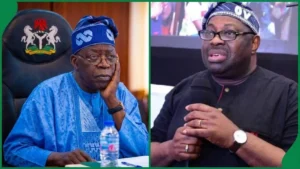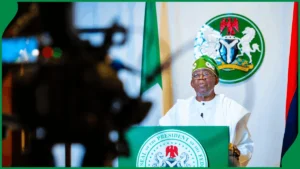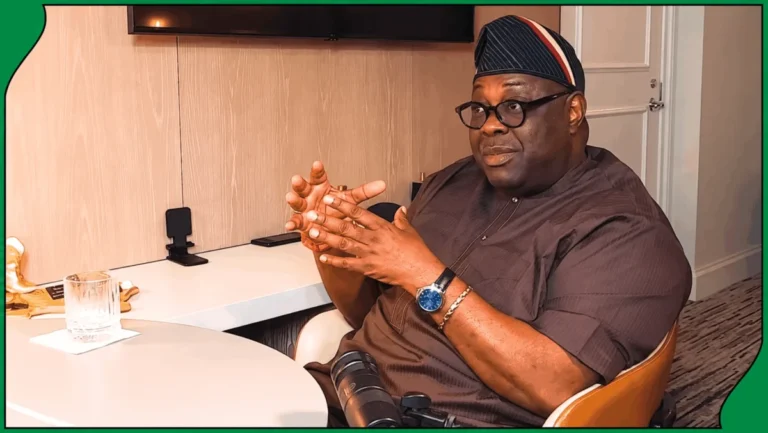
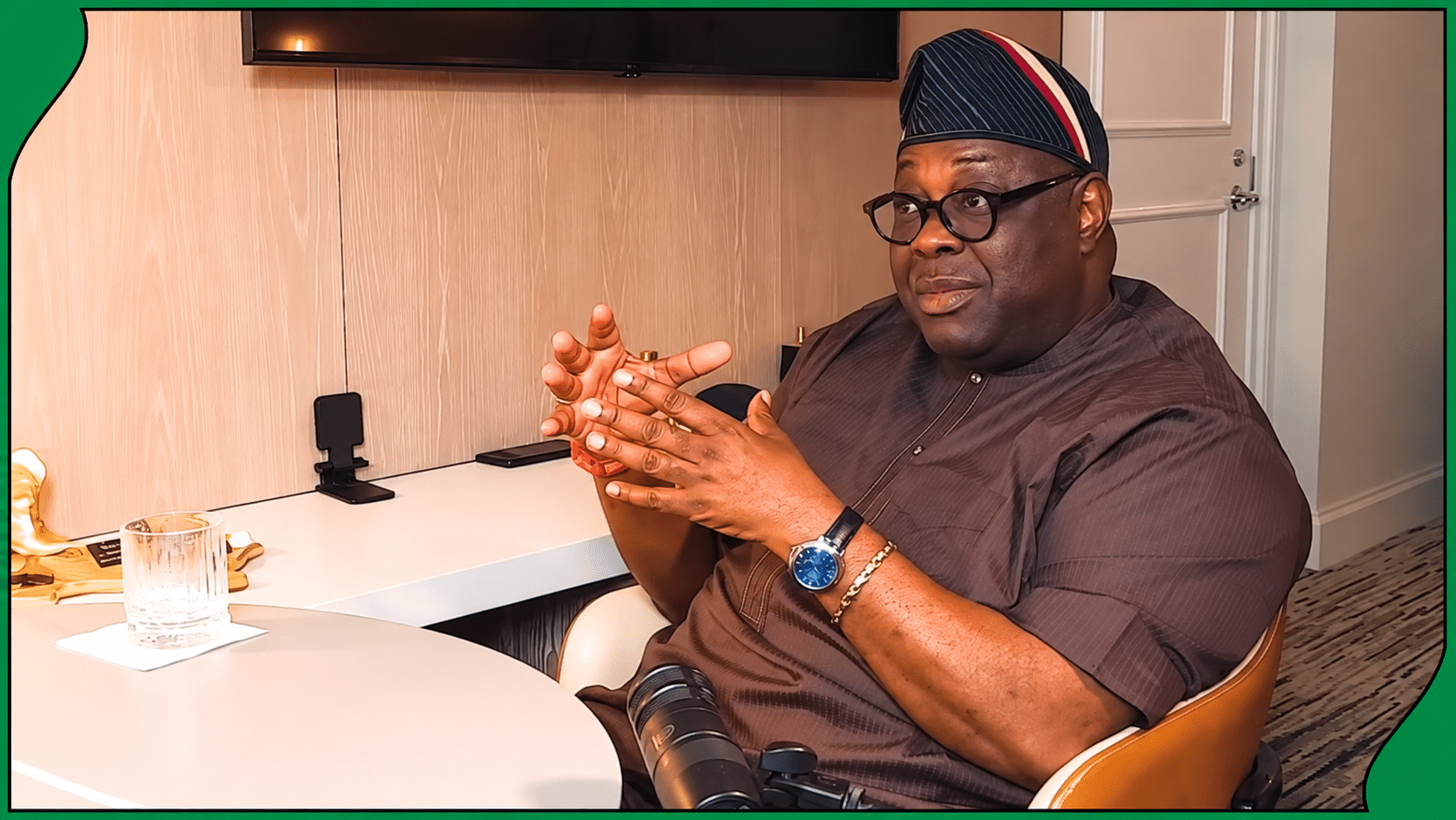
The Nigerian political landscape remains deeply polarized as the 2027 general election cycle approaches, with the latest broadside delivered by Dele Momodu, a prominent chieftain of the African Democratic Congress (ADC). Serving as the Deputy Director-General of Media and Communications for the party’s presidential campaign, Momodu has leveled a scathing critique against President Bola Ahmed Tinubu, alleging that the President has systematically compromised the autonomy of state governors across the federation. According to Momodu, the current administration’s influence over sub-national leadership has effectively reduced elected governors to "robots," stripping them of their capacity to advocate for the specific needs of their constituencies.
These remarks, made during a recent appearance on Channels Television’s Politics Today, have reignited long-standing debates regarding the health of Nigeria’s federalist structure. Momodu contends that the prevailing political climate, characterized by mass defections of opposition governors into the ruling All Progressives Congress (APC), is not a byproduct of genuine ideological alignment, but rather a survivalist response to intense executive pressure and the fear of institutional repercussions.
The Allegation of Remote-Controlled Governance
Momodu’s critique centers on the perception that the independence of the state executive branch is being undermined. He argued that the current trend—where governors seemingly abandon their party platforms to align with the central government—is symptomatic of a broader decay in democratic practice. "When you see all the governors running to one party, that is not democracy. That is remote control. Tinubu has turned them into robots," Momodu asserted during the broadcast.
The crux of his argument rests on the claim that governors are no longer representing the interests of their electorates but are instead operating under a directive-driven framework dictated by the Presidency. He suggested that the fear of the Economic and Financial Crimes Commission (EFCC) acts as a primary catalyst for this shift, forcing governors to prioritize political protection over the economic welfare of their citizens. By aligning with the APC, these leaders ostensibly seek a "safe harbor" from federal investigative scrutiny, effectively silencing their ability to criticize federal policies, even when those policies negatively impact their home states.
A Chronology of Political Realignment
The current political atmosphere is marked by a significant influx of members from the Peoples Democratic Party (PDP) and other opposition parties into the APC. This trend, which began shortly after the 2023 elections, has accelerated as the 2027 cycle draws nearer.
Historically, Nigerian politics has often seen "bandwagon" movements where opposition governors defect to the ruling party to secure federal support for infrastructure projects or to avoid political isolation. However, analysts note that the current scale of realignment is particularly striking. Since the inauguration of the Tinubu administration in May 2023, several high-profile political figures have switched allegiances. This trend has led to concerns about the erosion of the "two-party" or "multi-party" systems, with critics like Momodu arguing that a dominant, monolithic political structure risks stifling dissent and reducing the quality of public debate.
Economic Hardship and the "Pulse of the Nation"
Beyond the allegations of political puppetry, Momodu addressed the economic anxiety currently gripping Nigeria. He highlighted the rising cost of living, inflation, and the fuel subsidy removal fallout as primary drivers of public dissatisfaction. According to Momodu, this dissatisfaction is not limited to opposition strongholds; it is also highly prevalent within the President’s own ethnic base in the Southwest.
Momodu, who has been a vocal commentator on the administration’s economic policies, noted that he recently engaged with the reality of this sentiment through social media discourse. He pointed to a viral video featuring a citizen from the Southwest who openly expressed frustration with the current administration and explicitly campaigned against a second term for President Tinubu.
"The fiercest critics of Tinubu are Yoruba people," Momodu remarked, emphasizing that the President’s regional base is feeling the economic pinch as much as any other demographic. He argued that the President’s inner circle, or his "fanatical cronies," remain insulated from these realities. By remaining in an echo chamber of praise-singers, the administration risks losing touch with the "pulse of the nation," potentially alienating the very demographic that provided the foundation for his electoral victory.
Implications for the 2027 Electoral Landscape
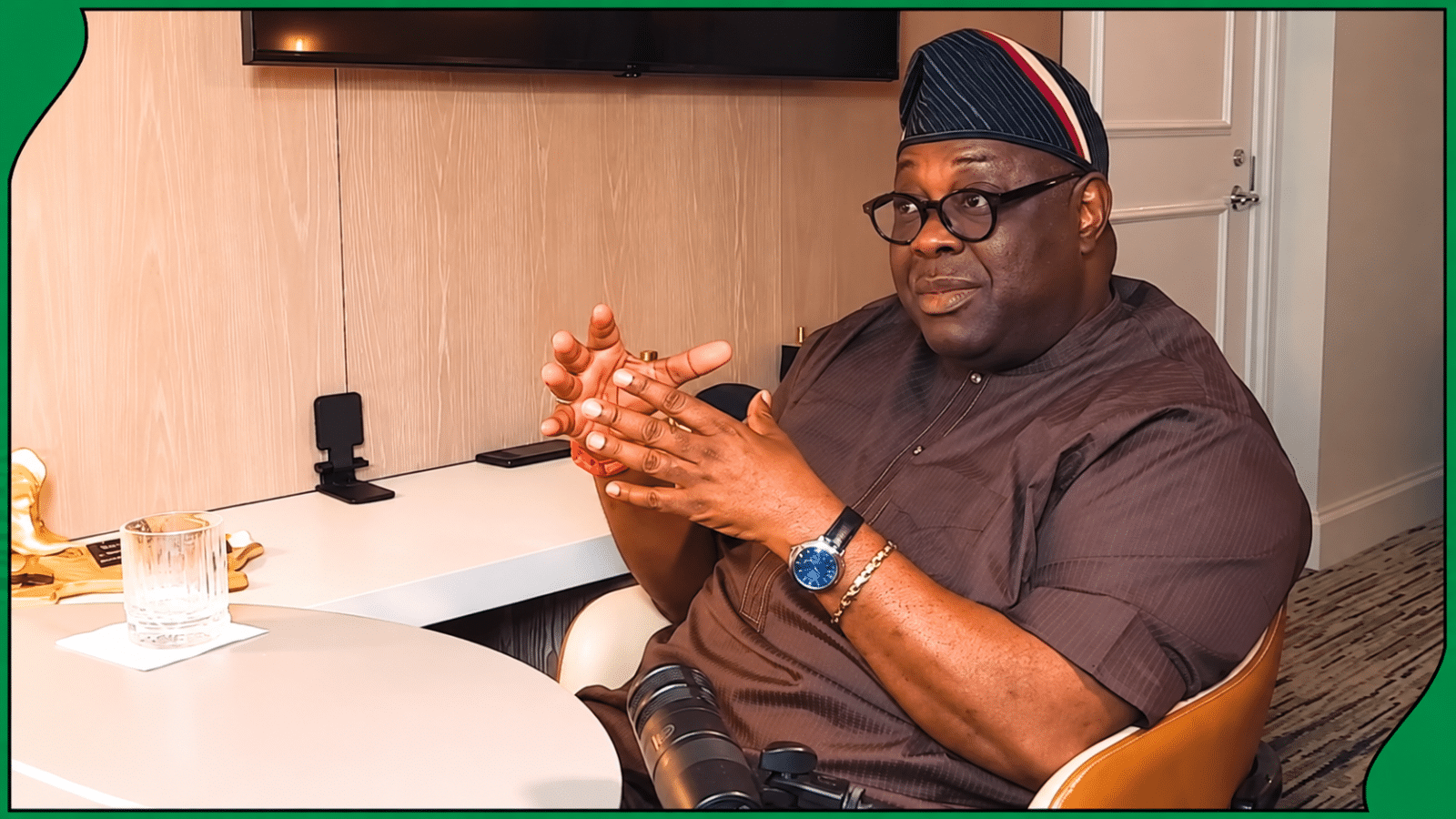
The rhetoric employed by Momodu signals a hardening of positions as the ADC and other opposition parties prepare for the next electoral cycle. The claim that governors are "robots" under the influence of the Presidency is likely to become a central campaign narrative for the opposition. If the public perceives that their state-level leaders are beholden to Abuja rather than the local electorate, the resulting frustration could manifest in protest votes or a lower turnout in regions that were previously considered strongholds of the ruling party.
Furthermore, this narrative serves to delegitimize the APC’s claim of national unity. By framing the party’s growth as a result of coercion and fear, opposition figures are attempting to peel away the support of voters who may be concerned about the loss of checks and balances within the government.
Official Responses and the Broader Context
While the Presidency has not issued a direct, formal rebuttal to Momodu’s specific comments, government spokespersons have consistently maintained that the APC’s growth is a result of the party’s national appeal and the President’s commitment to "Renewed Hope" policies. The APC leadership has frequently touted the influx of defectors as evidence of widespread confidence in the President’s reform agenda, which includes the unification of the foreign exchange market and the removal of costly fuel subsidies—measures the administration argues are necessary for long-term economic stability.
However, independent observers and economists suggest that the transition period has been painful. With inflation rates hovering at historic highs and the purchasing power of the average Nigerian severely eroded, the political implications of these economic reforms are becoming increasingly visible. The challenge for the administration is to bridge the gap between its long-term policy goals and the immediate, daily struggles of the citizenry.
The Role of Independent Voices in Democracy
The debate initiated by Momodu highlights the critical role of the media and political opposition in a functioning democracy. As the country approaches the next general election, the discourse around the independence of sub-national governments will likely intensify.
For the Nigerian federation, the balance of power between the center and the states is a foundational issue. When the lines between federal and state autonomy blur, the constitutional provisions that allow for a "federating unit" to operate independently are put to the test. If state governors continue to prioritize alignment with the Presidency over the demands of their constituents, the democratic process may see a significant shift in voter behavior, as citizens look for alternative platforms that promise greater accountability and a more direct connection to their local needs.
As the 2026 calendar year draws to a close and the lead-up to the 2027 elections begins in earnest, the dialogue between critics like Dele Momodu and the ruling establishment will be a defining feature of the Nigerian political discourse. Whether these allegations of "remote-controlled" governance will translate into a tangible shift in power remains a question that only the electorate will answer when they return to the polls. For now, the narrative serves as a stark reminder of the fragile nature of political alignments and the enduring importance of independent, critical oversight in the governance of a complex nation like Nigeria.