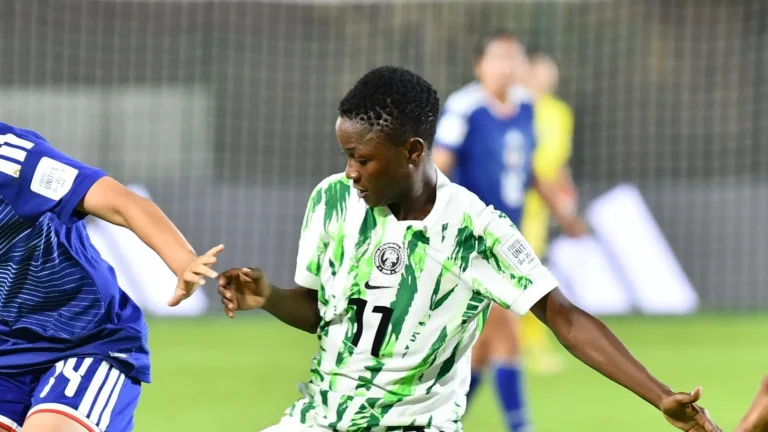
The crowning of the Nigerian U-17 women’s national team, the Flamingos, as FIFA U-17 Women’s World Cup champions marks a watershed moment in the history of African football. Under the stewardship of head coach Akeem Busari, appointed only this past April, the team achieved what no other African side had ever accomplished: securing the ultimate global prize in the youth category. The journey from a disheartening opening-match defeat to hoisting the trophy in Rabat, Morocco, is a testament to tactical evolution, the implementation of rigid discipline, and a profound link to the legacy of Nigerian coaching legends.
A Rapid Ascent to Continental and Global Dominance
Coach Akeem Busari’s tenure began with a mandate to professionalize a squad that had previously struggled with consistency on the international stage. His arrival in April 2026 preceded a whirlwind period of preparation that focused on both the technical aspects of the game and the psychological fortitude of the players. Before setting their sights on the global stage, the Flamingos exerted dominance within the regional framework, winning all five of their matches at the WAFU B tournament. This streak provided the momentum necessary to enter the World Cup with a clear objective.
The transition from regional success to global triumph was not without friction. The tournament opener against Poland served as an early reality check. A defeat in the first group match is often a death knell for young squads, particularly when the players are still navigating the complexities of academic and athletic life. However, rather than overhauling the squad or panicking, Busari opted for a methodology rooted in forensic analysis and behavioral conditioning.
The Tactical Mandate: A Foundation of Defiance
The defining characteristic of the championship-winning run was a simple yet transformative tactical rule: the prohibition of the opposition scoring first. Busari, in a candid interview with Punch, explained that his staff conducted an exhaustive audit of previous Nigerian campaigns, including the premature second-round exit at the previous edition of the World Cup. The conclusion was clear: the team lacked the resilience to chase games against high-caliber defensive units.
"From there, we adopted a mindset that, against every team we played, nobody should score before us," Busari stated. "And if they did, how would we respond? If you look at all the games, it was only Poland that scored before us, and that was the only game we lost."
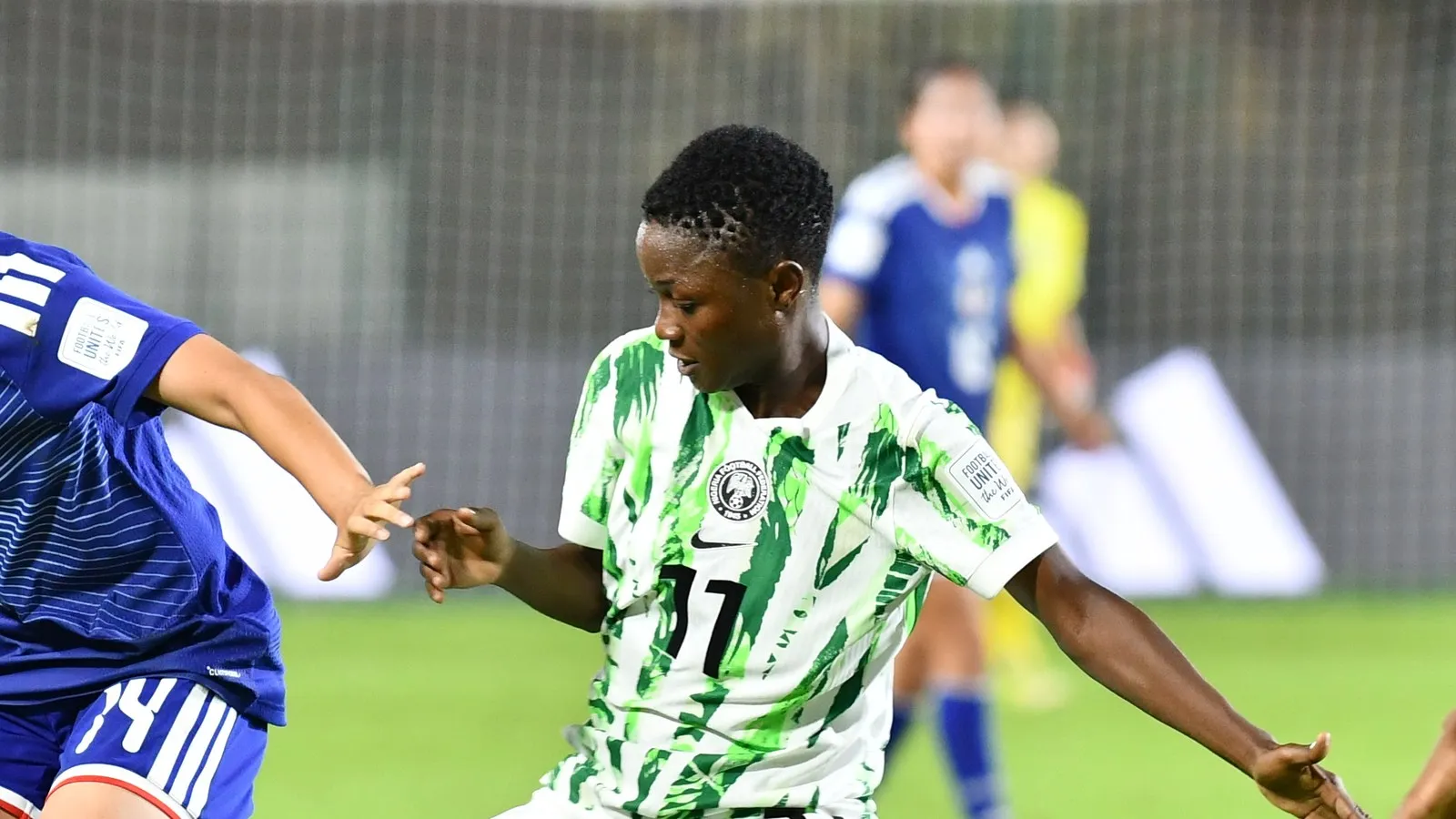
This instruction served as the bedrock of their defensive organization. By prioritizing the prevention of an opening goal, the Flamingos forced their opponents to take risks, effectively controlling the tempo of matches. Once the team integrated this philosophy, the analytical adjustments—carried out in individual sessions, pairings, and unit-based drills—created a cohesive defensive wall that remained unbreached for the remainder of the tournament. The statistical outcome was undeniable: once the team stopped conceding the opener, they stopped losing.
The Mentorship of Yemi Tella
The tactical sophistication displayed by the Flamingos is not an isolated development but rather a branch of a larger tree of Nigerian football wisdom. Busari has been quick to credit the late Yemi Tella, the visionary coach who led the Golden Eaglets to victory in the 2007 FIFA U-17 World Cup, as his primary influence.
The relationship between the two men began in 1997, long before the modern era of formalized coaching certifications in Nigeria. Busari served as a technical assistant during Tella’s camp preparations for the 2007 tournament, where he learned the nuances of managing young, high-pressure athletes. According to Busari, the lessons absorbed during those formative years provided the blueprint for his current success. The discipline that characterized the 2007 golden generation—characterized by punctuality, strict routine, and team-first dynamics—was mirrored by the 2026 Flamingos.
"If we scheduled any activity for 4 pm, everybody would be out and ready 10 minutes before then," Busari noted. This culture of professional accountability was crucial in maintaining morale throughout the grueling tournament schedule.
Professional Background and Critics
Before his appointment to the Flamingos, Busari’s credentials were subjected to scrutiny by sections of the public and the media. His career path was unconventional, spanning roles in the domestic league that included a stint with Enyimba during their CAF Confederation Cup campaigns and a successful Federation Cup run with the Bayelsa Queens. His tenure as technical director at the NWFL side Pacesetter Queens was perhaps the most misunderstood aspect of his resume.
Critics argued that his domestic experience would not translate to the international stage. However, it was precisely his deep familiarity with the local infrastructure and the raw talent within the Nigerian Women’s Football League (NWFL) that allowed him to identify players capable of executing his specific, discipline-heavy brand of football. By the time the final whistle blew in Rabat, the skepticism had been silenced by a trophy that firmly validates the quality of home-grown coaching talent.
Implications for Nigerian Football
The success of the Flamingos carries significant weight for the future of the sport in Nigeria. Firstly, it strengthens the argument for the development and retention of domestic coaches who possess a cultural understanding of the players they lead. Busari’s nomination for the CAF Women’s Coach of the Year award is a recognition of this shift in the regional power dynamic.
Secondly, the victory creates a pipeline for the future. The challenge for the Nigeria Football Federation (NFF) will be to ensure this cohort of players is successfully integrated into the U-20 (Falconets) setup and, eventually, the senior team (Super Falcons). Historically, the loss of talent between the U-17 level and the senior professional ranks has been a persistent issue. The technical consistency established by Busari provides a framework that can be replicated to ensure that these players remain in the national team ecosystem.
Furthermore, this title serves as a psychological boost for African football on the global stage. By defeating powerhouse nations like Japan, the Flamingos have demonstrated that the tactical gap between African youth teams and their European and Asian counterparts is closing. The focus has moved beyond relying solely on individual physicality and athleticism to a more nuanced, analytical, and disciplined approach to the game.
Looking Ahead: The Legacy of the 2026 Class
As the celebrations in Nigeria subside, the focus must shift to sustainability. The "Poland lesson"—that an early defeat does not define a tournament—is a philosophy that can be applied to the administrative side of the game. For the Flamingos, the path forward involves rigorous scouting and the continuation of the high-performance culture installed by Busari.
The team has added a prestigious entry to Nigeria’s trophy cabinet, reinforcing the nation’s status as a continental leader. Whether this victory becomes a foundational moment for a new era of dominance remains to be seen, but the metrics are encouraging. With a coach who values both historical continuity and modern analytical rigors, the Flamingos have set a new standard for youth development in Nigeria.
The story of the 2026 Flamingos is not merely one of a tournament win; it is a case study in how a collective can overcome adversity through the synthesis of mentorship, tactical discipline, and an unwavering commitment to a singular, simple rule. As Busari continues his work, the wider footballing community will be watching to see if this model of localized, high-standard coaching can be scaled to elevate the senior levels of the Nigerian game to similar heights. The "Tella influence" lives on, transformed into a new, world-beating iteration of the Flamingos.