
Former Lagos State Governor, Akinwunmi Ambode, has made a significant political overture toward the Igbo community residing in Lagos, calling on them to embrace the state as their permanent home and align their political interests with the ruling All Progressives Congress (APC). Speaking during a high-profile East Senatorial District rally at the Epe Recreational Ground on November 12, 2026, the former governor framed the upcoming 2027 general elections as a critical juncture for national unity and regional economic stability.
The event, which drew a large crowd of party faithful, served as a platform for Ambode to consolidate support for President Bola Ahmed Tinubu’s administration and the gubernatorial aspirations of Dr. Kadri Obafemi Hamzat. By addressing the Igbo community directly, Ambode sought to mend potential fissures and encourage a collaborative approach to the state’s governance.
The Call for Integration and Loyalty
Ambode’s message was rooted in the concept of "home as where you prosper." Addressing the diverse demographic of Lagos, he noted, "To my Igbo brothers, wherever you live and get your prosperity, that is where you should call home. We are together." This rhetoric is viewed by political analysts as a strategic move to soften the political tensions that have historically polarized Lagos during election cycles.
In the context of Nigerian politics, Lagos is often perceived as a melting pot of ethnic groups, with the Igbo population holding significant influence in sectors like trade, commerce, and small-to-medium enterprises. Ambode’s call suggests a desire for the APC to move beyond regional divisions and solidify a pan-Lagosian voting bloc that transcends ethnic lines.
Political Consistency and the Critique of Opposition
A central theme of Ambode’s address was the concept of political stability. He launched a sharp critique against opposition parties, specifically naming the African Democratic Congress (ADC) and the Nigeria Democratic Congress (NDC). He characterized these parties as lacking the foundational experience required to manage the complexities of a nation as large as Nigeria.
"APC is our party. We are a collective of the progressives. We have been consistent and delivering for the party. Over the years, we have remained with the progressives and we do not move from one party to another like other people," Ambode stated. This emphasis on "consistency" serves as a narrative anchor for the APC, contrasting their established party structure against the frequent migrations of politicians between platforms—a phenomenon colloquially known in Nigeria as "cross-carpeting."
Historical Context: The Tinubu Legacy
Ambode’s speech was heavily anchored in the political and economic legacy of President Bola Tinubu. By tracing the current economic prosperity of Lagos back to the foundations laid during Tinubu’s tenure as governor (1999–2007), Ambode aimed to remind voters of the benefits of long-term strategic governance.
The former governor argued that the institutional frameworks established by Tinubu—such as the creation of an environment conducive to financial institutions and international corporate headquarters—remain the bedrock of Lagos State’s current status as Africa’s fifth-largest economy if it were a sovereign nation. "Whether you like him or not, he is a visionary leader. If not for Tinubu, who laid the foundation for the Lagos of today, all the financial firms that have their headquarters in Lagos would have been struggling to survive," Ambode asserted.
Supporting Data: Lagos State’s Economic Significance
To understand the gravity of Ambode’s remarks, one must look at the economic data defining Lagos. As of 2026, Lagos State continues to contribute approximately 25% to Nigeria’s Gross Domestic Product (GDP) and accounts for over 60% of the nation’s non-oil manufacturing activities. The state’s Internally Generated Revenue (IGR) remains the highest in the federation, consistently exceeding the combined revenue of several other states.
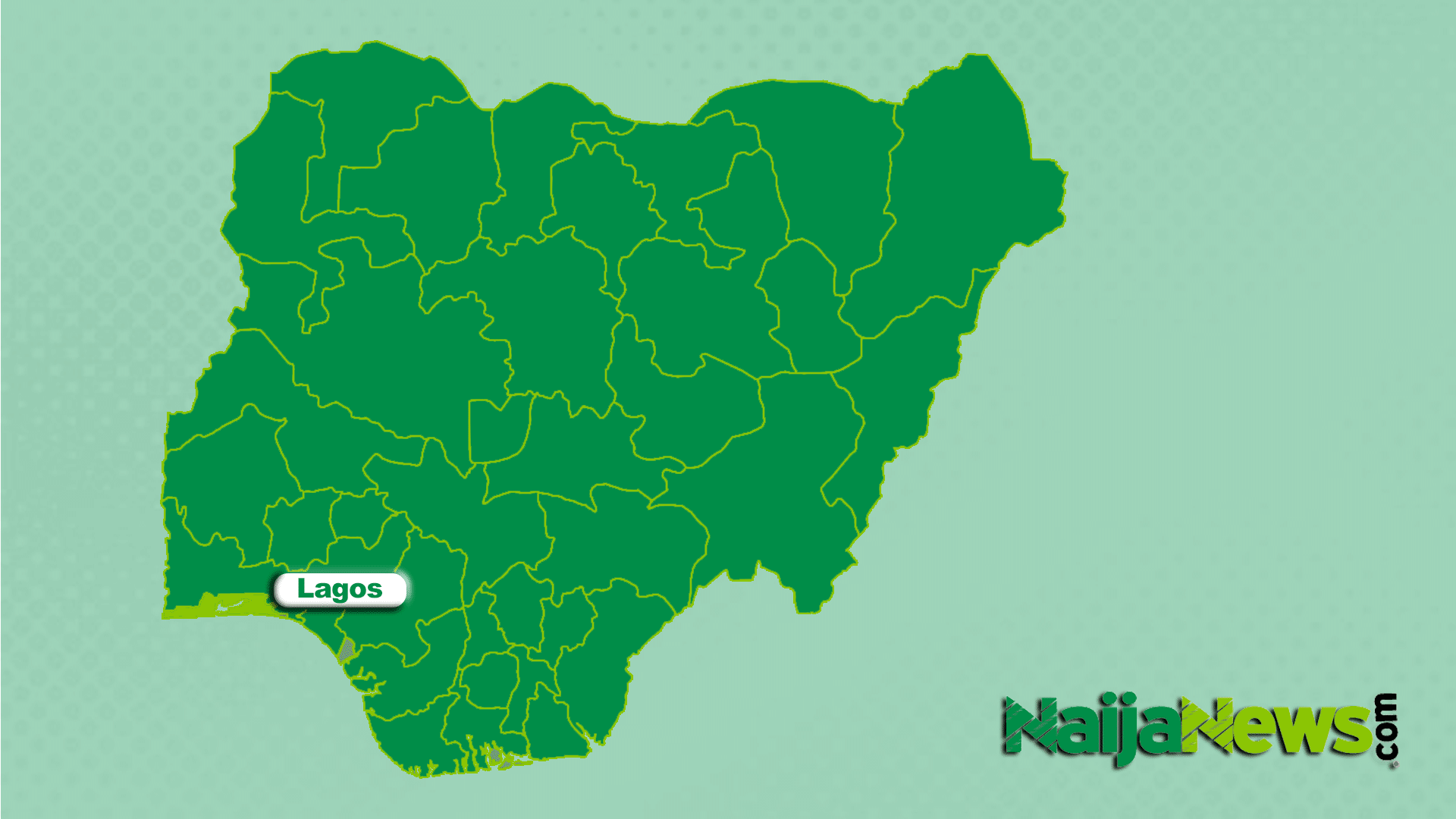
The influx of foreign direct investment (FDI) into Lagos has been largely credited to the infrastructure development and policy continuity maintained by successive APC administrations since 1999. Ambode’s argument is that the stability of this economic trajectory is intrinsically linked to the continuity of the party’s leadership.
Implications for the 2027 Election Cycle
The 2027 general election is shaping up to be a referendum on the APC’s long-term economic policies. With the opposition attempting to leverage public frustration over cost-of-living challenges, Ambode’s rally serves as a counter-narrative. By reaching out to the Igbo community, the APC is signaling a shift toward inclusive governance strategies intended to neutralize the influence of opposition strongholds.
However, political experts note that such appeals require more than rhetoric to translate into votes. The success of this outreach will likely depend on the APC’s ability to address specific grievances, such as infrastructure development in predominantly non-indigenous residential areas and the mitigation of business-related bureaucratic hurdles.
Chronology of Recent Political Maneuvers
- October 2026: APC leadership begins aggressive mobilization for the 2027 cycle, focusing on urban centers.
- Early November 2026: Reports emerge of sporadic clashes between party supporters in various senatorial districts, leading to calls for peace from high-ranking party officials.
- November 12, 2026: The Epe rally serves as the formal kickoff for the East Senatorial District campaign, where Ambode delivers his address.
- Post-Rally Period: Political observers monitor the reactions of regional socio-political groups, including Ohanaeze Ndigbo, to determine if the message has gained traction among the diaspora community.
Fact-Based Analysis of the Political Landscape
The APC’s strategy, as articulated by Ambode, focuses on "progressive continuity." By defining the party as a "collective of progressives," the leadership seeks to distinguish its ideological stance from the "opportunistic" nature of opposition movements. This strategy aims to appeal to the average voter’s desire for predictability and sustained growth.
However, the challenge for the APC lies in the shifting demographics of Lagos. A younger, more tech-savvy, and politically active electorate is increasingly demanding accountability and reform. While Ambode’s appeal to the Igbo community is a shrewd ethnic-political play, the party must also contend with a broader national discourse regarding fiscal policy, inflation, and the cost of energy—all of which are major pillars of the current electoral debate.
Official Responses and Public Sentiment
While no formal rebuttal has been issued by the national leadership of the ADC or the NDC as of this writing, local party representatives have previously dismissed the APC’s claims of superiority. Critics argue that the "progressive" label is a misnomer, citing the current economic pressures as evidence that the party’s policies have reached their limit.
On the ground, public sentiment remains divided. Some business owners within the Igbo community have expressed interest in the stability promised by the APC, provided that it translates into more favorable tax policies and less harassment by state agents. Others remain skeptical, waiting to see if these overtures will be backed by concrete policy shifts or if they are merely campaign-season rhetoric.
Conclusion: A Strategic Pivot
Akinwunmi Ambode’s intervention at the Epe rally is a clear indication that the APC is not taking any voting demographic for granted as the 2027 election approaches. By positioning himself as a bridge-builder, Ambode is attempting to solidify the APC’s hold on Lagos while simultaneously framing the party as the only viable vehicle for national progress. Whether this strategy will effectively unify the diverse electorate of Lagos remains to be seen, but it undoubtedly sets the stage for a highly competitive and ideologically charged election season.
As the campaign progresses, the focus will likely remain on whether these appeals to loyalty and regional identity can overcome the pressing economic realities faced by the populace, making the 2027 contest one of the most consequential in Nigeria’s democratic history.