ANTALYA — France has launched an assertive diplomatic push at the COP31 climate summit to enshrine near-zero methane targets for the oil and gas sector directly into the conference’s overarching final agreement. The initiative comes amid a growing consensus among international climate delegates that voluntary pledges—while politically unifying when first introduced—are proving insufficient to curb the relentless surge of atmospheric greenhouse gases.
During the Leaders-Level Non-CO2 Greenhouse Gases Summit, French Ecological Transition Minister Monique Barbut told global delegates that the time for non-binding declarations of intent has expired. She urged every participating nation to back a formal note directed to the Turkish and Australian COP31 presidencies, demanding that measurable methane targets be codified into the text of the global climate deal.
The proposal aims to compel the fossil fuel industry to achieve near-zero methane emissions intensity by 2030 at the latest, while simultaneously bringing an immediate halt to routine gas flaring and venting. According to Barbut, France is fully prepared to circulate a concrete draft text to achieve this regulatory leap, shifting the paradigm from voluntary coalitions of the willing to binding global accountability.

Background Context: The Evolution of Methane Diplomacy
Methane has emerged as a frontline priority in international climate negotiations over the past half-decade, though it was largely sidelined at the turn of the millennium. The turning point arrived at COP26 in Glasgow in 2021, where leaders launched the Global Methane Pledge, committing participants to slash global methane emissions by at least 30% below 2020 levels by the end of the decade.
Despite boasting the endorsement of 159 countries and the European Union, implementation has lagged severely behind ambition. Current national climate plans—known as Nationally Determined Contributions (NDCs)—put the world on track to achieve only an 11% reduction in methane by 2030, falling woefully short of the 30% target. Furthermore, recent scientific assessments from the United Nations Environment Programme (UNEP) indicate that global methane emissions must fall by at least 25% by 2035 and 40% by 2040 to prevent catastrophic temperature tipping points.
Methane is a potent super pollutant. Over a 20-year timescale, a single tonne of methane traps approximately 80 times more heat than a tonne of carbon dioxide. However, unlike carbon dioxide, which can persist in the atmosphere for centuries, methane breaks down relatively quickly, typically within 12 years. This short atmospheric lifespan has led UN officials and climate scientists to dub methane cuts the "emergency brake" on near-term global warming, offering an immediate mechanism to shave the peak of rising global temperatures.
The Growing Crisis: Rising Emissions and Industry Backsliding
Scientific monitoring paints a concerning picture of current trends. According to World Meteorological Organization (WMO) data, atmospheric methane concentrations reached a historic record of 1,948 parts per billion in 2025—more than two and a half times pre-industrial levels.
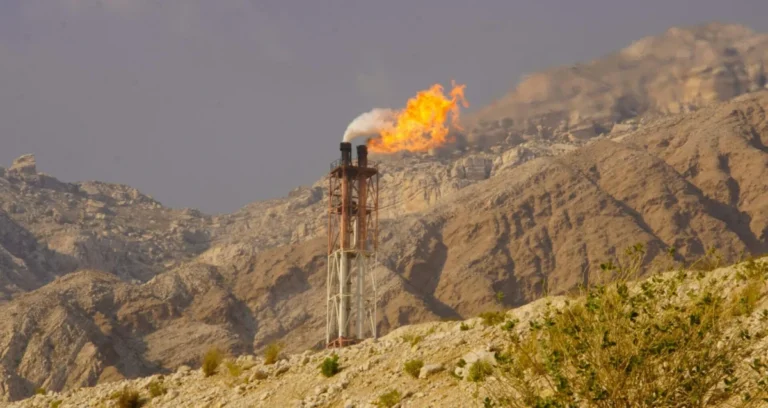
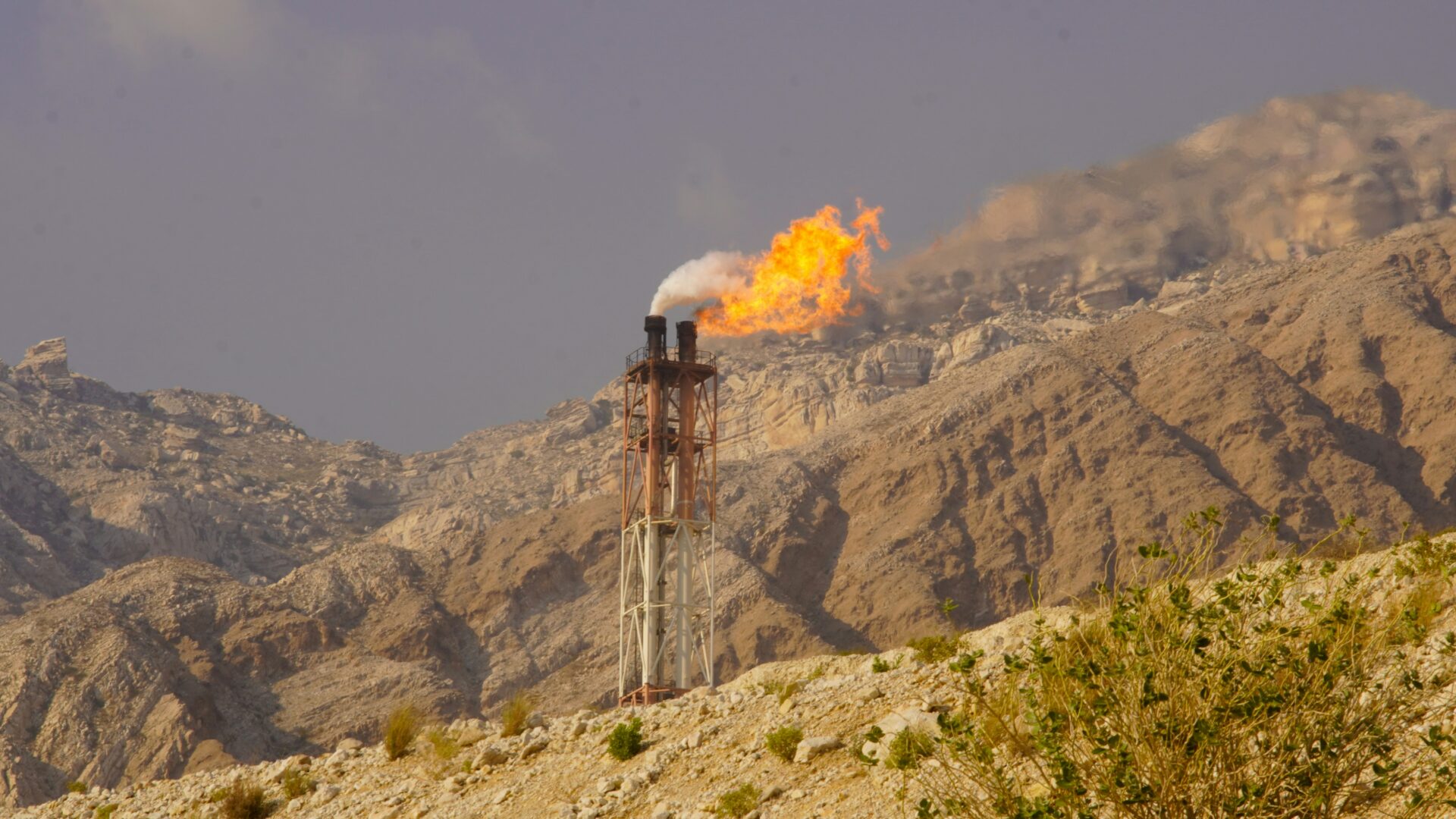
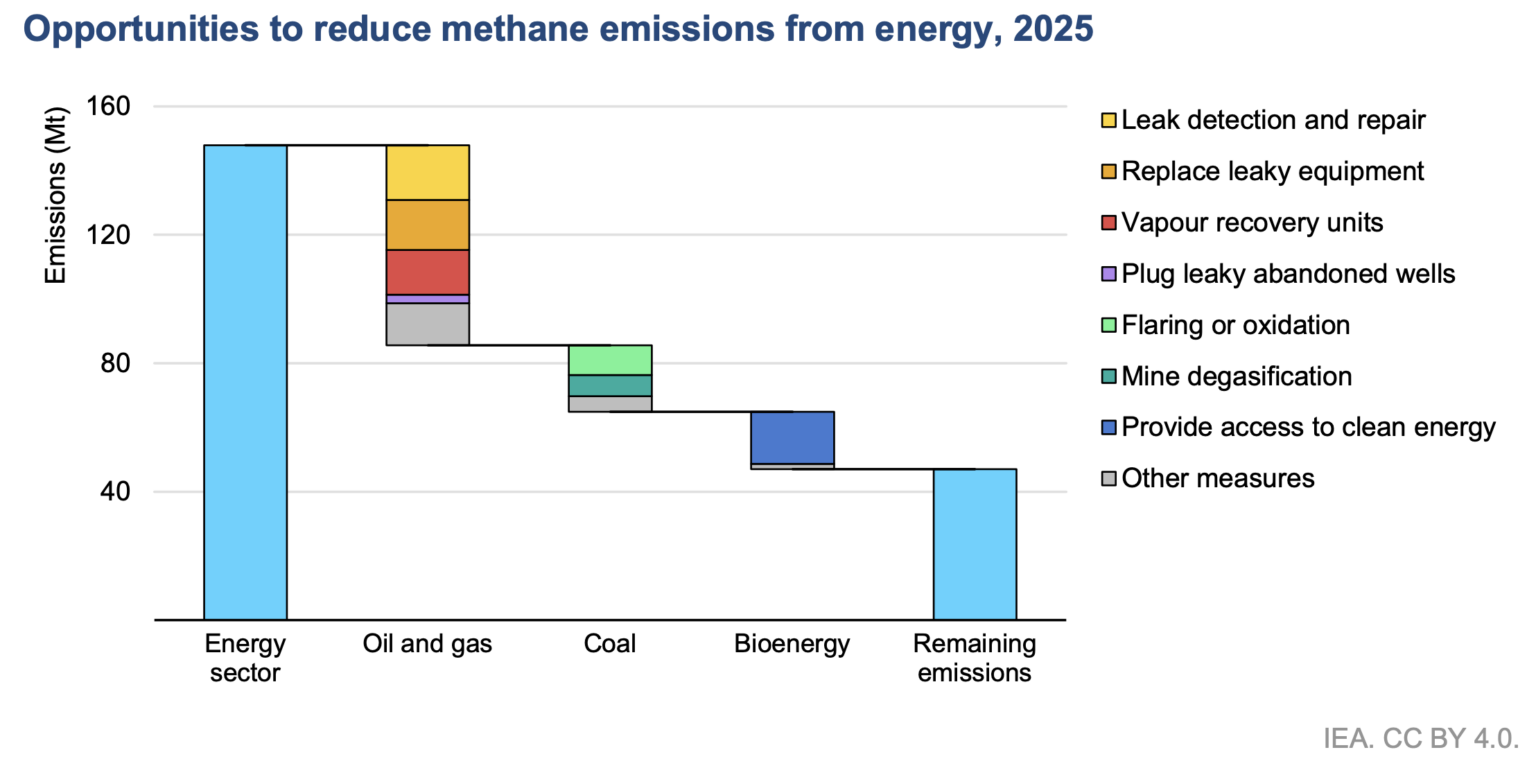
Concurrently, the International Energy Agency (IEA) reported that energy sector methane emissions showed no signs of abatement throughout 2025. The World Bank revealed that oil producers flared 167 billion cubic metres of natural gas in 2025, marking the third consecutive annual increase and reaching the highest levels recorded since 2019. This wasted gas represents approximately $54 billion in lost economic value incinerated directly into the atmosphere.
United Nations Secretary-General António Guterres delivered a sharp critique of the fossil fuel industry during a leaders’ roundtable in Antalya. He emphasized that the industry possesses the financial capital, technological means, and moral responsibility to lead the transition, yet its emissions continue to climb while regulatory frameworks are systematically rolled back or delayed in key jurisdictions.
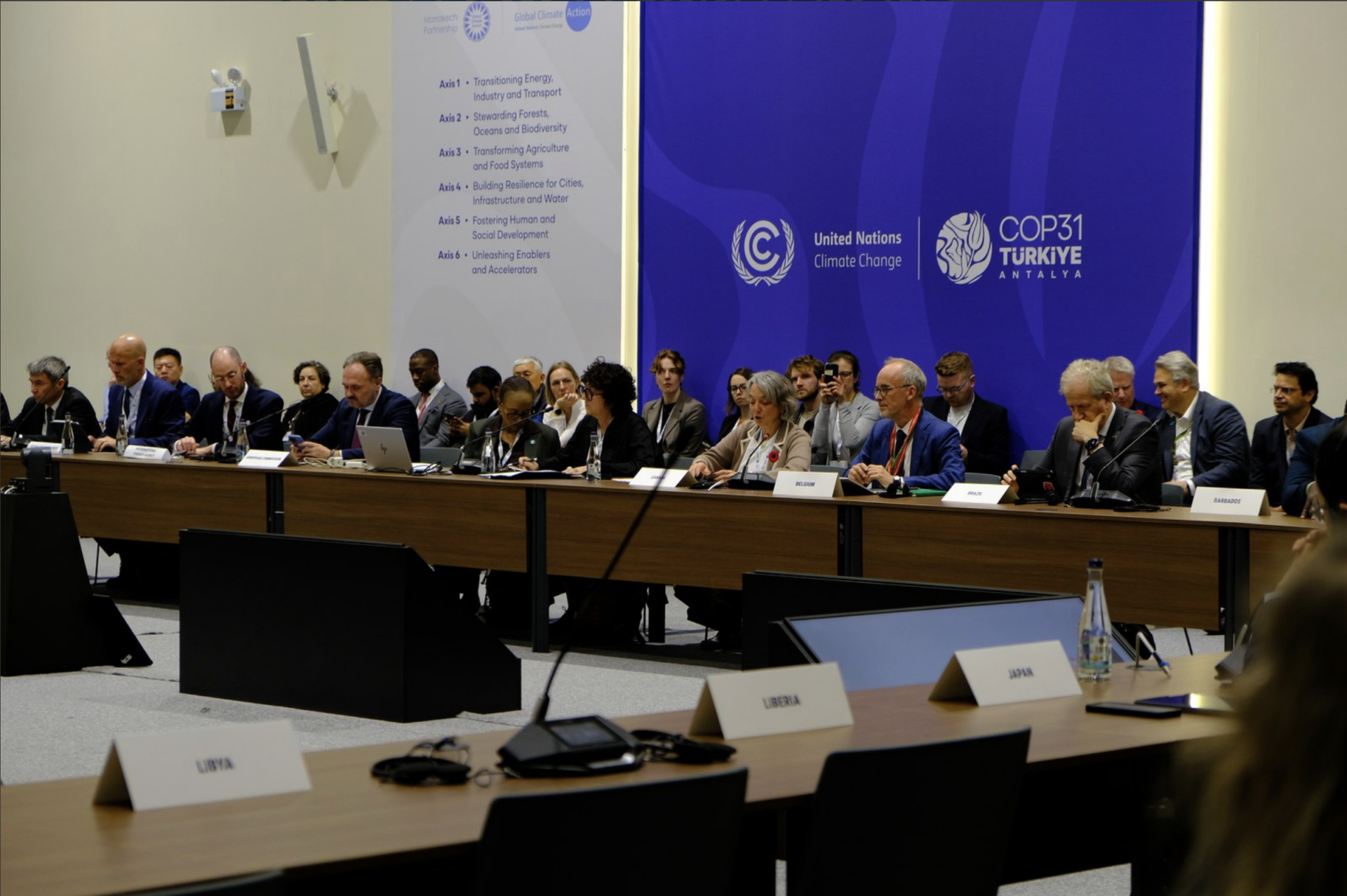
"We can see the pollution, we know who’s responsible, and we know how to stop it," Guterres stated. "Voluntary action is no longer enough."
Official Responses and Divergent Paths
While France and Germany voiced support for recognizing methane within the negotiated COP31 text, the ultimate form of that recognition remains highly contested. Australian Climate Change and Energy Minister Chris Bowen, who chairs the negotiations, notably omitted explicit references to methane’s place in the final decision during his address to the summit.
Jonathan Banks, chief of programs and advocacy at the Clean Air Task Force, expressed skepticism regarding the binding nature of the upcoming text. He noted that the most probable outcome of the negotiations will be a broad, non-binding statement acknowledging methane’s importance, rather than granular, enforceable mandates spanning the oil, gas, agriculture, and waste sectors.
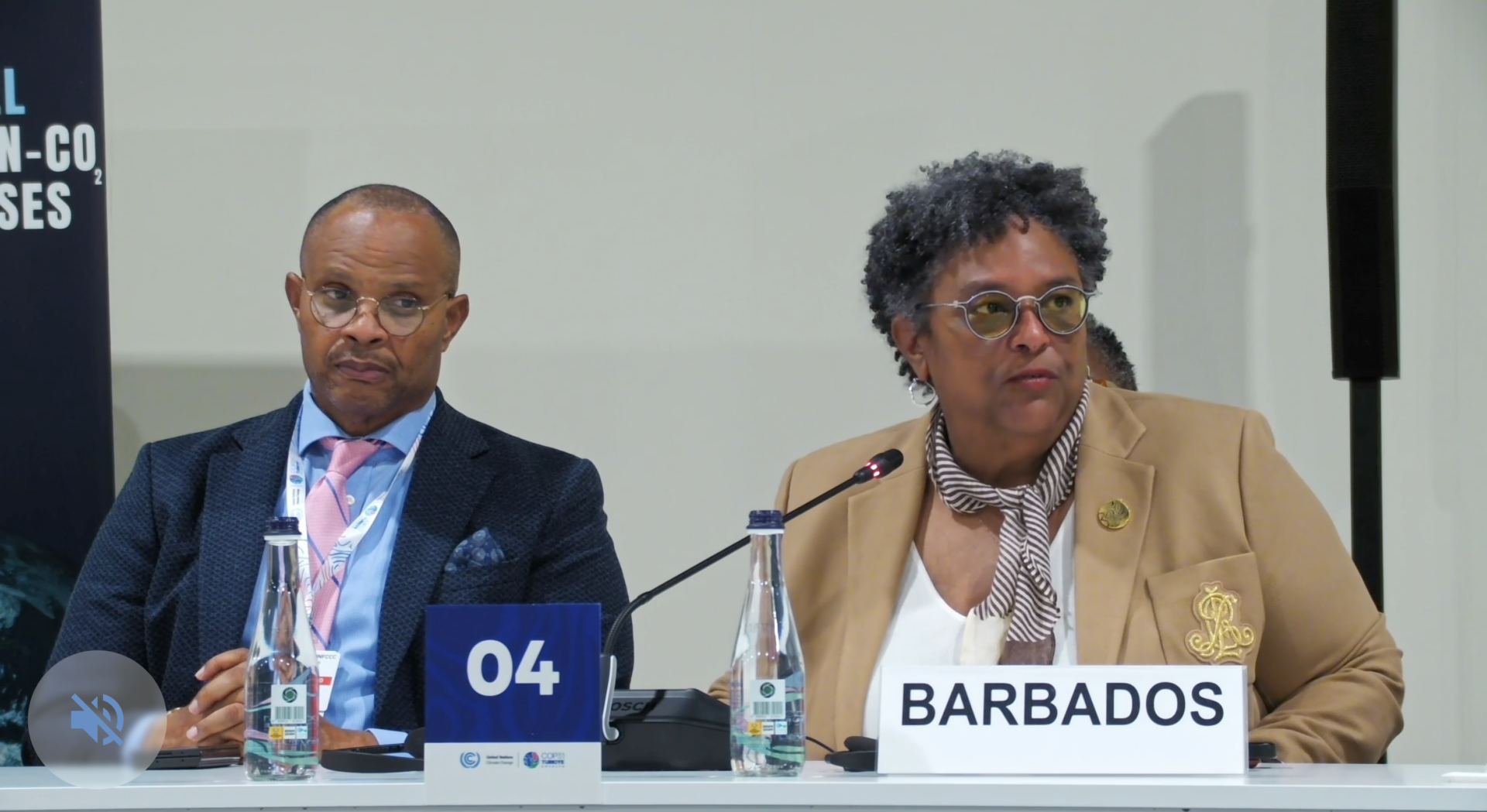
Parallel to the main negotiations, a fresh Global Methane Pledge declaration was released, calling on governments to translate lofty rhetoric into actionable policies, regulations, and investment plans. However, the declaration secured only seven initial endorsers: Belgium, Canada, Germany, Indonesia, the Federated States of Micronesia, Norway, and the United Kingdom.
Meanwhile, regulatory divergence among major economies threatens global compliance. While the United States Environmental Protection Agency (EPA) proposed rolling back certain leak-reporting programs and relaxing limits on routine flaring, European regulatory frameworks continue to exert outward pressure. The European Union’s stringent methane rules on imported natural gas compel major exporters—such as Kazakhstan, Nigeria, Egypt, and Ghana—to clean up their extraction processes to maintain access to lucrative European markets. Kazakhstan, for instance, has successfully slashed its gas flaring by 87% since 2012 under the pressure of international supply chain standards.
Financial Commitments and the Philanthropic Push
To bridge the yawning chasm between climate targets and capital allocation, philanthropic donors stepped forward in Antalya with a pledged $480 million. This funding package targets methane abatement across energy, agriculture, and waste management, alongside parallel investments in black carbon reduction, clean cooking infrastructure, transport, and advanced cooling. This infusion builds upon more than $530 million distributed since the inception of the Global Methane Pledge in 2021.
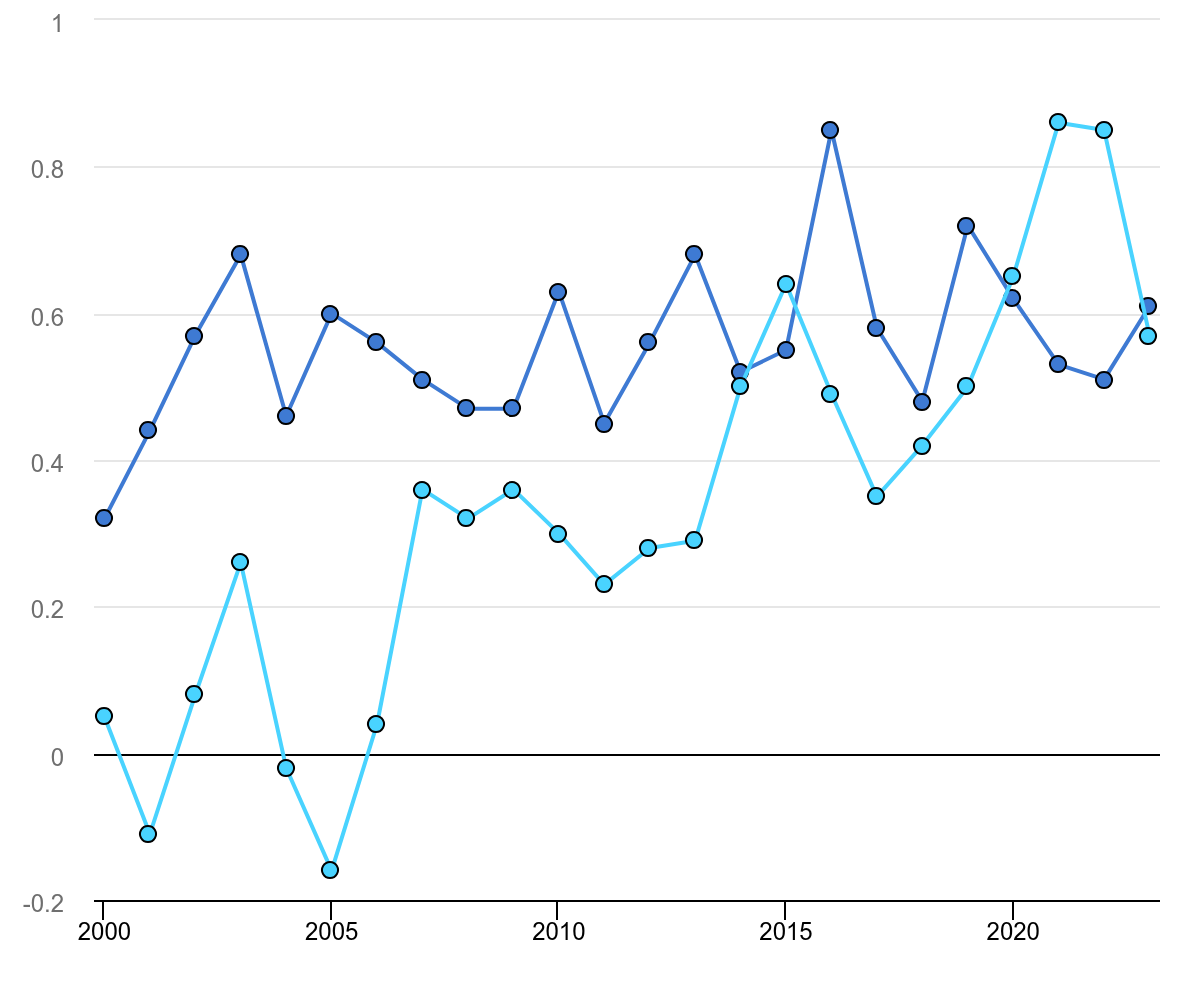
Despite this generosity, overall financial tracking reveals a stark deficit. According to data from the Climate Policy Initiative (CPI) and the Climate and Clean Air Coalition (CCAC), tracked finance for methane abatement dropped to $5.2 billion in 2023, down from $7.7 billion in 2021. This current expenditure accounts for roughly 4% of the estimated $122 billion required annually to meet the Global Methane Pledge targets.
Experts point out that while oil and gas companies can easily finance leak detection and repair through the sale of captured gas, less profitable sectors require substantial public and philanthropic intervention. Waste management, particularly in developing regions, represents a critical battleground.
Nardos Bekele-Thomas, chief executive of the African Union Development Agency (AUDA-NEPAD), highlighted the severe waste management crisis in sub-Saharan Africa, where less than a third of municipal waste is collected and over 70% is dumped in open sites. Organic matter rotting in these open landfills generates massive quantities of unmonitored methane, while open burning poisons urban air quality. African environment ministers have committed to cutting open waste burning by 60% by 2030 and eradicating it entirely by 2040, though implementation mechanisms remain underfunded.
Public Health Implications: A Matter of Survival
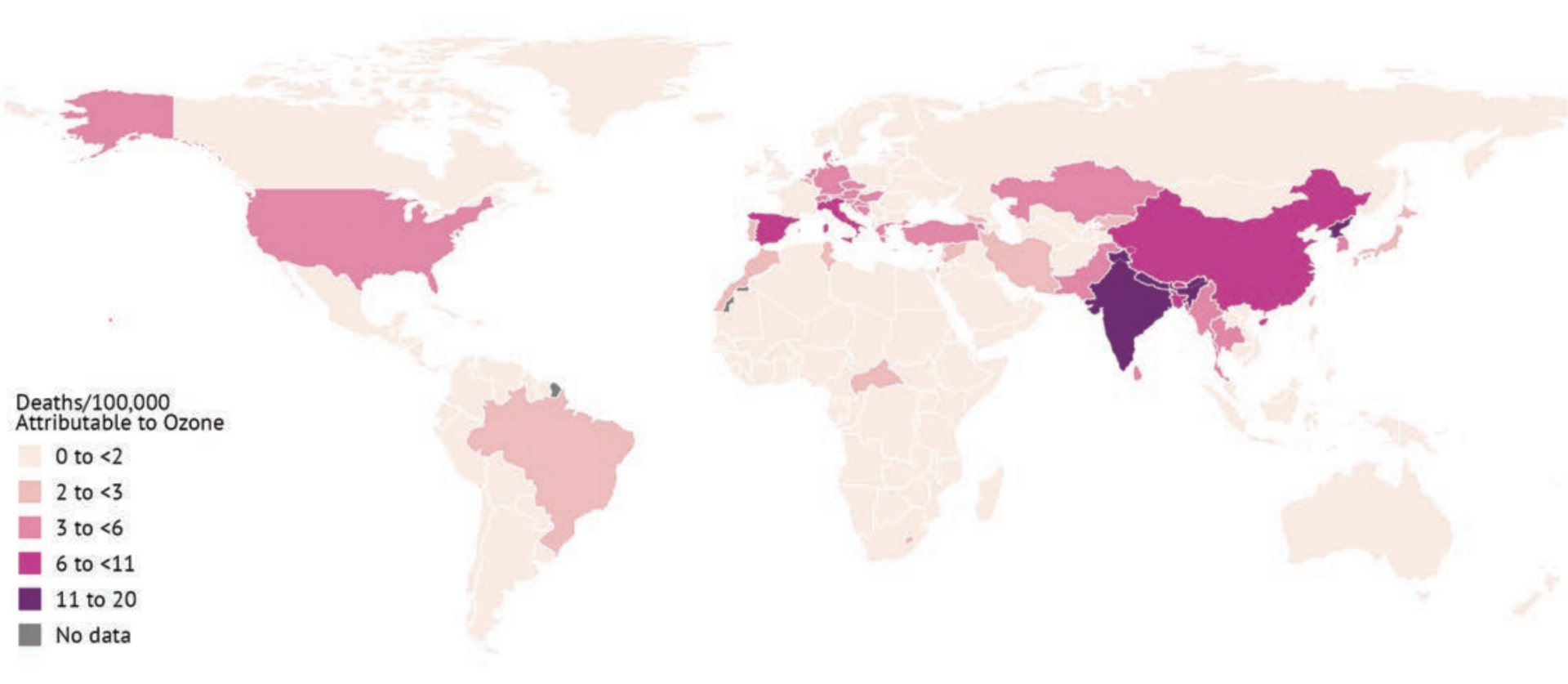
Beyond its direct greenhouse gas warming potential, methane acts as a critical precursor to ground-level ozone, a dangerous air pollutant linked to severe cardiovascular and respiratory diseases, chronic bronchitis, and acute asthma attacks. The State of Global Air report linked ground-level ozone to approximately 489,000 premature deaths worldwide in 2021, with nearly half of those fatalities occurring in India alone.
UNEP and CCAC research demonstrates that fully deploying existing technical interventions to reduce methane by 32% below 2020 levels by 2030 would prevent more than 180,000 premature deaths and avert nearly 19 million tonnes of annual crop losses globally. Furthermore, expanded funding for clean cooking technologies addresses a silent crisis: approximately 2 billion people currently rely on open fires or rudimentary stoves, a practice responsible for an estimated 815,000 premature deaths annually.
Jess Beagley, policy lead at the Global Climate and Health Alliance, framed the crisis as an existential emergency. "Cutting methane and other short-lived climate pollutants is a matter of survival," Beagley noted. "Failing to invest would waste near-term chances to bring warming back below 1.5 degrees Celsius and to clean up the air even within a political term. It’s time governments prioritized the interests of the people they serve over the profits of industry lobbyists."
Outlook and the Barrier of Implementation
As COP31 negotiations proceed in Antalya, the central debate has shifted away from the scientific consensus surrounding methane and toward the mechanics of enforcement. Leaders like Barbados Prime Minister Mia Mottley continue to champion the eventual creation of a legally binding international treaty on methane, acknowledging that while current negotiation structures cannot accommodate such a treaty immediately, a clear roadmap must be established.
Ultimately, international policy analysts emphasize that the success of COP31 will not be measured by the eloquence of its declarations, but by the rigor of its enforcement mechanisms. As Jonathan Banks succinctly observed, "I could write you the best policy in the world, but if it hasn’t been implemented, it doesn’t mean anything."