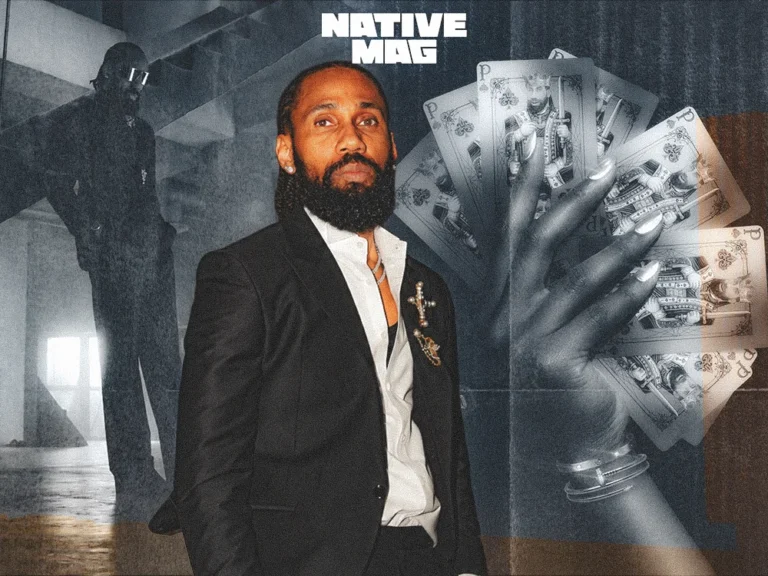
Two years following the commercial and critical success of his acclaimed project Full Time Job, the veteran Nigerian rapper and producer Phyno has released his latest studio album, Let That Sink In (LTSI). This 15-track offering marks a significant chapter in a career that has spanned over a decade, cementing his status as a titan of the indigenous rap genre. The album arrives at a pivotal moment for the Nigerian music industry, which is currently undergoing a global expansion, and it showcases Phyno’s ability to bridge the gap between traditional Igbo-language lyricism and contemporary Afro-fusion sounds.
A Masterclass in Collaborative Curation
The album’s composition is a testament to Phyno’s versatility and his standing within the Nigerian music ecosystem. By assembling a diverse lineup of collaborators—including Wande Coal, Seyi Vibez, Oxlade, Lojay, Fireboy DML, Chike, and Jeriq—Phyno demonstrates a strategic approach to genre fluidity. This collection of artists represents different generations and stylistic approaches to modern Nigerian music.
The project opens with the tracks "Ndu Ka Aku" featuring Seyi Vibez and "Ndewo" featuring Wande Coal, both of which serve as high-energy introductions that ground the listener in Phyno’s signature sonic landscape. From there, the album pivots into a more melodic and romantic territory with tracks like "Beautiful," "Next Of Kin," "Magret" (featuring Oxlade), and "Bom Bom" (featuring Lojay). These selections underscore Phyno’s capability to navigate the commercial demands of the streaming era without sacrificing the linguistic integrity that defined his breakout success.
Thematic Depth and Social Commentary
While the album offers plenty of material for the dance floor, it is anchored by deeper, more reflective themes that elevate the listening experience. The most notable shift in tone occurs on the track "20 Years To Come," a somber piece of social commentary that diverges from the lighthearted nature of the preceding tracks.
In this song, Phyno interrogates the future of the Nigerian nation, explicitly addressing the prevailing issues of poor governance, economic instability, and persistent insecurity. The track serves as a stark reminder of the rapper’s role as a voice for the marginalized, reflecting on how systemic failures continue to impact successive generations of citizens. By positioning this track in the middle of the album, Phyno forces the audience to confront the reality of the Nigerian condition, contrasting the celebratory nature of the industry with the hardships faced by the ordinary populace.
This thematic pivot is balanced by the latter portion of the album, which shifts toward introspection and gratitude. Songs like "Chukwu Okike," "I Believe" (featuring Fireboy DML), "Healing," "Ije Enu" (featuring Jeriq), and the closing track "Ask Of Me Now" emphasize themes of faith, personal resilience, and spiritual grounding. This trajectory from celebration to societal critique, and finally to spiritual healing, creates a cohesive narrative arc that makes Let That Sink In one of Phyno’s most conceptually ambitious works to date.
Historical Context: From No Guts No Glory to Global Recognition
To understand the weight of Let That Sink In, one must look back at the trajectory of Chibuzor Nelson Azubuike, known professionally as Phyno. Emerging from the underground rap scene in Enugu, Phyno transitioned to the national stage with the release of his debut studio album, No Guts No Glory, in 2014.
At the time, the mainstream Nigerian music industry was heavily dominated by Lagos-based artists singing primarily in English or Yoruba. Phyno’s decision to center his artistry on the Igbo language was, at the time, a bold risk that challenged existing industry norms. The success of the lead single, "Ghost Mode" featuring Olamide, acted as a catalyst for this shift, proving that regional linguistic nuances could achieve massive commercial appeal. The song went on to win Best Collaboration at both the Headies and the Nigeria Entertainment Awards, effectively legitimizing indigenous rap as a dominant force in the Nigerian music hierarchy.
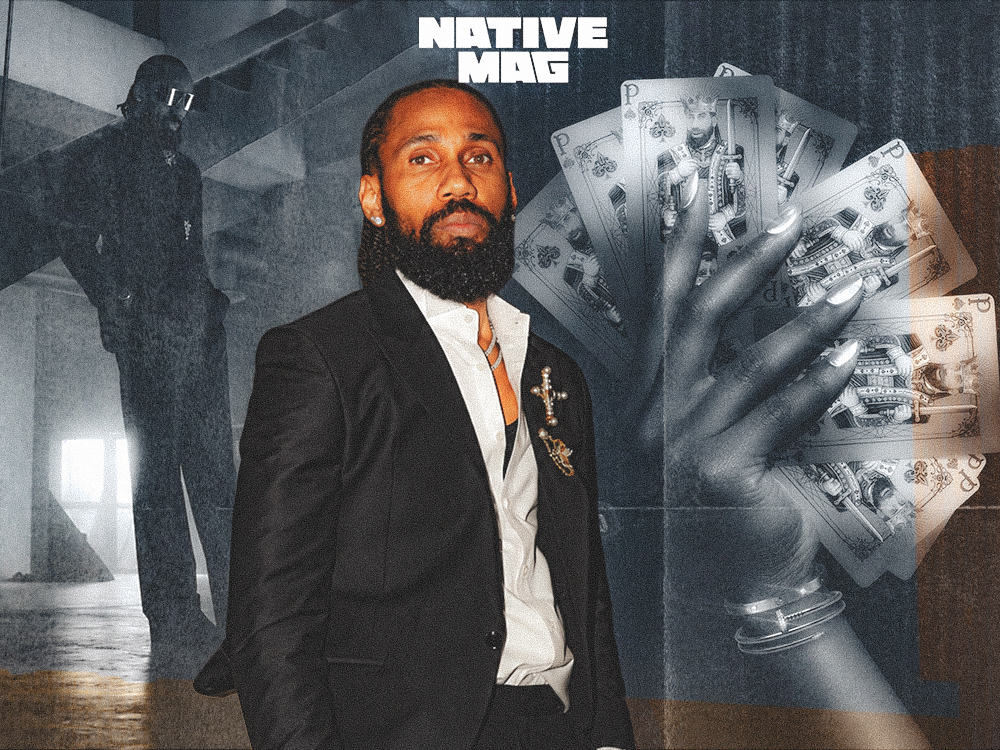
Following this, Phyno maintained a consistent output of high-charting projects, including The Playmaker (2016), Deal With It (2019), and Something To Live For (2021). Each release has been characterized by a subtle evolution in sound, moving from the hardcore hip-hop roots of his early career toward a more refined blend of rap, highlife, and contemporary Afrobeats. Full Time Job (2024) further solidified his technical prowess, setting the stage for the nuanced, multi-faceted approach found in Let That Sink In.
Analyzing the Impact of the New Release
The release of Let That Sink In comes at a time when the "Afrobeats" umbrella term is being scrutinized for its lack of nuance in describing the diverse musical output coming out of West Africa. Phyno’s work remains a critical counterpoint to the idea of a monolithic sound. By blending traditional Igbo idioms with modern production techniques, he continues to provide a blueprint for how artists can remain authentic to their roots while competing on the global stage.
From a market analysis perspective, the album is expected to perform strongly across major streaming platforms. The inclusion of high-profile features such as Fireboy DML and Seyi Vibez is a calculated move that bridges his established fan base with the younger, digital-native demographic. Furthermore, the focus on themes of resilience and faith is likely to resonate with a Nigerian audience currently navigating a complex socio-economic climate.
Industry experts have noted that Phyno’s ability to remain relevant for over a decade is a rarity in the fast-paced Nigerian music industry. While many of his peers have faded into obscurity or transitioned into purely commercial pop roles, Phyno has managed to maintain his creative edge. His consistent ability to pivot between "street" credibility and "conscious" lyricism is what keeps him at the forefront of the genre.
Looking Toward the Future
As the Nigerian music industry continues to gain global market share—evidenced by the increasing number of collaborations between domestic stars and international acts—Phyno’s work serves as a reminder of the foundational elements that made the genre a global success. He represents a generation of artists who prioritized the preservation of culture alongside the modernization of sound.
The reception of Let That Sink In will likely be measured not just by streaming numbers, but by the extent to which it sparks conversation regarding the current state of the nation. As Phyno poses the question of what the next two decades will hold for Nigeria, the album becomes more than just a collection of songs; it becomes a cultural artifact that captures the hopes and anxieties of the present moment.
For fans and critics alike, the album provides a comprehensive look at an artist who is no longer just chasing hits, but is actively shaping the discourse of his craft. As he continues to tour and promote the project, the focus will likely remain on his live performances, which have historically been noted for their high energy and deep connection to the audience.
In conclusion, Let That Sink In is a defining project for Phyno. It balances the commercial expectations of a modern superstar with the lyrical depth of an artist who understands the gravity of his platform. By weaving together the disparate threads of romance, social activism, and faith, Phyno has produced a body of work that is both a tribute to his past and a bold statement about his future. As the album enters the public discourse, it stands as a testament to the endurance of indigenous rap and the continued evolution of the Nigerian music industry.