The historic announcement by former Twitter co-founder and CEO Jack Dorsey on April 12, 2021, signaled a monumental shift for Big Tech in Africa. Declaring that Twitter was officially establishing its first African presence in Accra, Ghana, Dorsey praised the West Asian and African nation as a champion for democracy, free speech, and the open internet. Celebrated widely across the continent and endorsed by Ghanaian President Nana Akufo-Addo, the move was hailed as a breakthrough for local tech talent, offering a gateway into global digital conversations. However, just over a year later, the grand vision of an African hub collapsed overnight following Elon Musk’s $44 billion acquisition of the social media giant, laying bare systemic vulnerabilities in how multinational corporations engage with emerging markets.
A Vision of Inclusion: The Genesis of Twitter Ghana
When Twitter officially set its sights on Ghana in April 2021, the decision was framed as a strategic necessity to better understand and serve vibrant local communities driving daily public discourse across Africa. Unlike previous corporate expansions that favored regional outposts in Europe or South Africa, Twitter chose Accra to build a dedicated, locally sourced team. Recruitment began swiftly, operating remotely before transitioning into a physical workspace.
For African tech professionals, this development was transformative. Local hires contributed authentic regional insights to critical areas such as product development, content moderation, and safety policy. The initiative fostered a powerful sense of inclusion, bridging the gap between Silicon Valley and African markets. Rivalries between nations, historically centered on cultural debates like Jollof rice, briefly pivoted toward friendly competition over which African country could attract the next major tech headquarters. For a brief moment, Twitter’s expansion into Ghana served as a blueprint for how global technology firms could authentically invest in underrepresented talent pools.
Leadership Shuffles and Corporate Turmoil
The stability of Twitter’s ambitious African venture faced its first internal test just seven months after the initial announcement. On November 29, 2021, Jack Dorsey stunned the tech industry by resigning as CEO, handing the reins to Parag Agrawal, then-Chief Technology Officer. Dorsey’s departure followed mounting pressure from board members concerned about his divided attention as head of both Twitter and Square (now Block).
While Agrawal initially maintained a calm and collaborative leadership style—even engaging directly with African tech leaders via Twitter Spaces—he quickly implemented aggressive corporate restructuring. In May 2022, Agrawal dismissed two high-profile executives: consumer product leader Kayvon Beykpour and general manager of revenue Bruce Falck, while simultaneously freezing company hiring. These difficult maneuvers were intended to curb mounting financial pressures and refocus the platform’s strategic goals. However, these internal adjustments were soon completely overshadowed by an impending external earthquake.
The $44 Billion Takeover Saga
On April 14, 2022, regulatory filings revealed that Tesla CEO Elon Musk had offered to acquire Twitter outright for $44 billion. Musk had previously accumulated a substantial passive stake in the company and flirted with joining its board before abruptly reversing course. What followed was a tumultuous, months-long corporate drama characterized by public spats, allegations regarding the platform’s true volume of automated bot accounts, and legal battles in Delaware.
Internal tensions skyrocketed as Musk publicly scrutinized Twitter’s leadership and valuation. Court proceedings later revealed combative direct message exchanges between Musk and Agrawal. In one notable text, Agrawal warned Musk that his public criticisms were actively damaging internal morale and hindering employee productivity, to which Musk dismissively replied, "What did you get done this week?"
As Twitter sued Musk to enforce the merger agreement, and Musk countersued, employee anxiety reached a fever pitch. Although the legal dispute was ultimately averted when Musk agreed to honor the original $44 billion purchase price in late October 2022, the psychological and operational toll on the workforce was profound.
The Mass Layoffs and the End of Twitter Africa
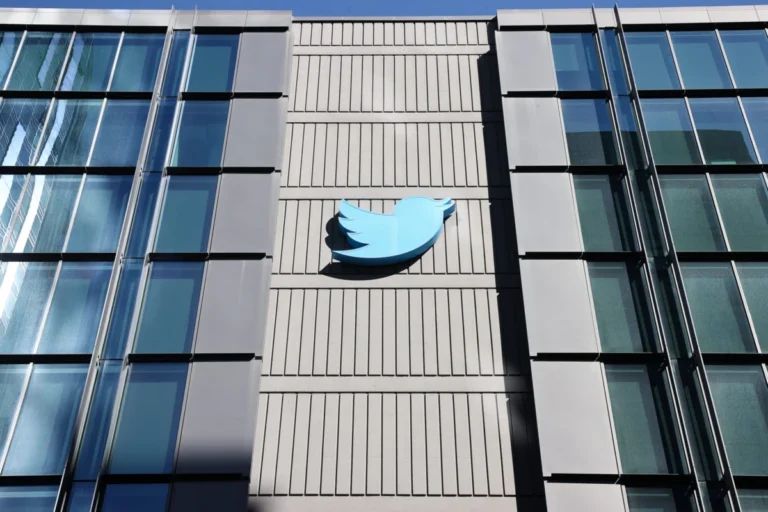
Elon Musk officially assumed control of Twitter on October 27, 2022, famously walking into the San Francisco headquarters carrying a kitchen sink. Immediate and sweeping changes followed. Addressing the company’s precarious financial position—alleging daily losses exceeding $4 million—Musk ordered a massive reduction in the global workforce, slashing approximately 50% of Twitter’s 7,500 employees.
Just days prior to the layoffs, on November 1, 2022, Twitter’s newly established Africa team had celebrated a major milestone: the official opening of their physical headquarters in Accra, Ghana, bringing together remote workers for the first time. That celebratory atmosphere proved tragically short-lived. By November 4, 2022, employees across the globe, including the entire African contingent, found themselves locked out of their corporate email and Slack accounts.
Unlike their counterparts in Western markets, who received detailed severance communications offering three months of pay—exceeding statutory requirements—Twitter’s African staff faced an administrative vacuum. According to reports by CNN and statements from former executives, the African team received generic, automated termination emails originating from a People Services director in Dublin, Ireland. The notices stated simply that employment was terminated due to organizational restructuring, effective December 4, 2022, without any customized outplacement support or clearly outlined severance packages matching the corporate narrative promoted on social media.
Global Backlash and Implications for Big Tech
The abrupt dismantling of the Accra office sparked immediate outrage across the international tech community. High-profile former executives, including former Global Head of Social & Editorial Alphonzo Terrell and former Global VP of Partners & Marketing Lara Cohen, publicly challenged Jack Dorsey and company leadership on social media, demanding accountability for the perceived abandonment of African staff and the broken promises of regional investment. Critics characterized the initial expansion as little more than a public relations gimmick designed to court emerging markets without genuine, long-term institutional commitment.
The broader implications of Musk’s aggressive restructuring extend far beyond workforce reductions. Advertisers have raised persistent concerns regarding content moderation, brand safety, and verification protocols, leading to significant drops in advertising revenue. Meanwhile, rapid policy reversals, executive departures, and the loss of localized safety teams have weakened the platform’s capacity to manage regional crises effectively.
Ultimately, the rise and fall of Twitter’s Africa headquarters serves as a cautionary tale for the technology sector. While initial corporate expansions into emerging markets like Ghana generate immense goodwill and highlight exceptional local talent, abrupt leadership transitions and cost-cutting measures can easily destroy hard-won trust. For Africa’s burgeoning tech ecosystem, the episode underscores ongoing disparities in corporate treatment, leaving industry observers to question whether multinational tech giants view the continent as a sustainable strategic priority or merely a temporary landscape for public relations theater.