The race to lead the World Health Organization (WHO) intensified dramatically this week as four of the seven contenders vying to succeed Dr. Tedros Adhanom Ghebreyesus faced intense, public cross-examination from member states in Geneva. The high-stakes hearings exposed profound fault lines between wealthy donor nations demanding strict fiscal austerity and administrative consolidation, and developing countries pressing for expanded technical support, workforce retention, and localized biomanufacturing capabilities.

Wednesday’s proceedings marked the historic opening public forum of an election cycle unfolding against a backdrop of escalating geopolitical conflicts, persistent funding shortfalls, climate-driven health emergencies, and complex institutional reprioritizations. As delegations tested four distinct leadership philosophies, the sessions offered a rare, unfiltered window into the intricate and often fraught mechanics of multilateral health diplomacy. With the successful election scheduled to culminate in May, the next Director-General will inherit an organization strained by competing global demands and deep financial vulnerabilities.
The Mechanics of the WHO Candidate Forum
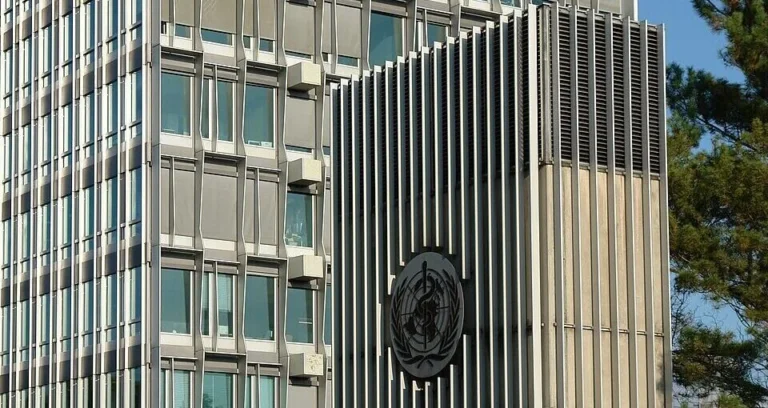
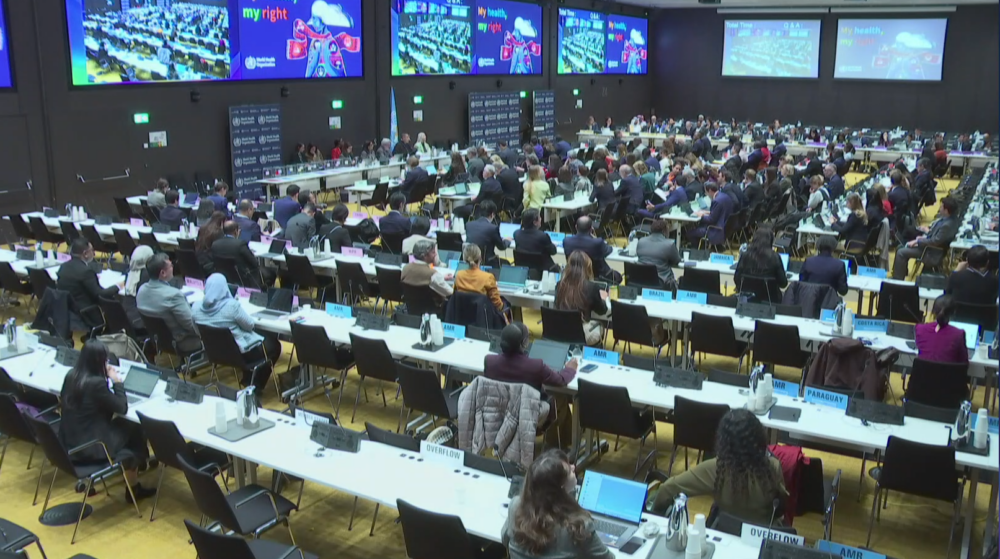
The public candidate forums, first introduced during sweeping WHO governance reforms to enhance transparency, provide a vital counterbalance to the behind-the-scenes horse-trading, bilateral alliances, and financial pledges that traditionally characterize UN leadership contests. Held inside the headquarters in Geneva, the live-streamed hearings subject the candidates to intense international scrutiny while testing member-state pressure points.
The proceedings followed strict procedural guidelines established by the World Health Assembly to ensure fairness and efficiency. Electronic presentations were strictly barred, opening statements were capped at a rigorous 10-minute limit, and a dual traffic-light system enforced strict speaking constraints across the floor. Delegations submitted their questions by dropping color-coded tokens into six regional ballot boxes circulating throughout the room.
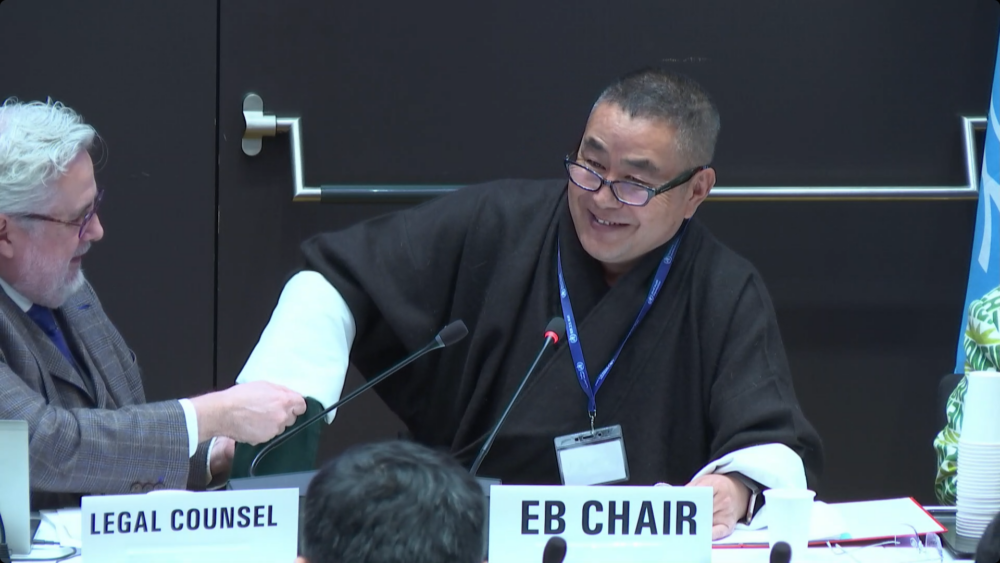
The Executive Board chair, alongside the WHO Legal Counsel, drew lots to guarantee that each WHO geographic region had an opportunity to pose an opening query. Secretariat staff then pooled the remaining tokens into a single container for random selection. Selected nations were restricted to a single 60-second question, while contenders were given precisely three minutes to reply within each 50-minute interrogation block.
Across Wednesday’s four sessions, the four participating candidates answered a total of 63 questions. The distribution of these inquiries revealed a stark geographic and ideological divide among the WHO’s 194 member states.
Geographic Divides and Competing Priorities
Donor governments concentrated at least 14 separate questions on normative standards, fiscal discipline, administrative consolidation, and the termination of redundant or underperforming programs. These nations emphasized the need for a leaner, more agile agency focused squarely on core competencies rather than overextended operational footprints.
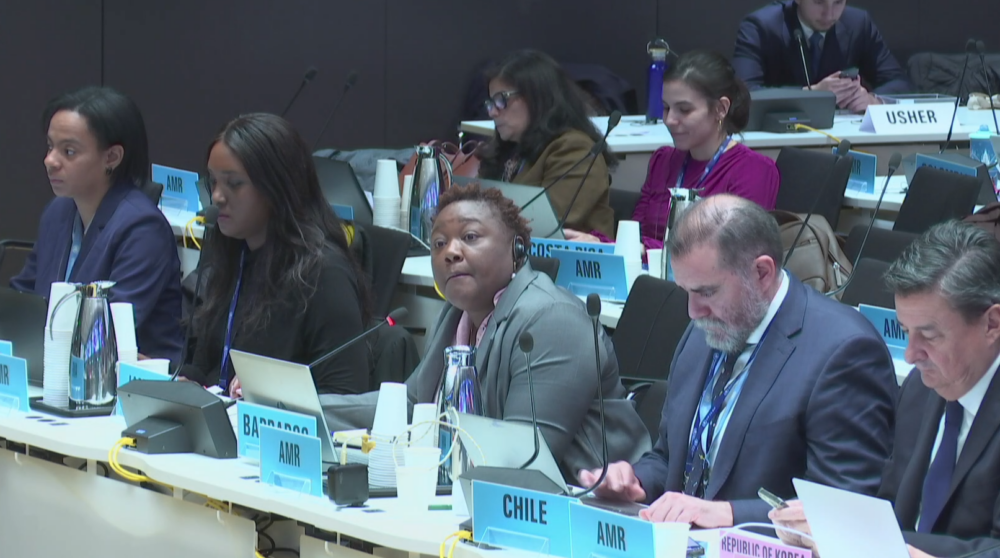
Conversely, 19 questions from African, Latin American, and Asian delegations pressed candidates on workforce retention, technology transfer, and sovereign biomanufacturing. Low-income delegations, particularly from sub-Saharan Africa, treated the hearings as a critical test of operational survival. Their interventions targeted basic healthcare delivery failures, demanding that candidates articulate how the WHO will sustain primary care, reduce reliance on foreign-manufactured pharmaceuticals, and shield conflict-affected populations from recurring funding cliffs.
Small Island Developing States (SIDS) leveraged their time to press contenders on resource allocation formulas that frequently disqualify middle-income islands from receiving concessional technical assistance, despite facing crushing climate threats and severe medical brain drain. Meanwhile, Latin American middle-income economies warned that the WHO routinely overlooks their escalating non-communicable disease burdens and high out-of-pocket health costs, demanding tailored partnerships rather than a one-size-fits-all model designed exclusively for the world’s poorest nations.
Four Distinct Visions for the Future of Global Health
The initial cohort of candidates featured a diverse roster of global health veterans, each pitching a distinct approach to institutional reform.
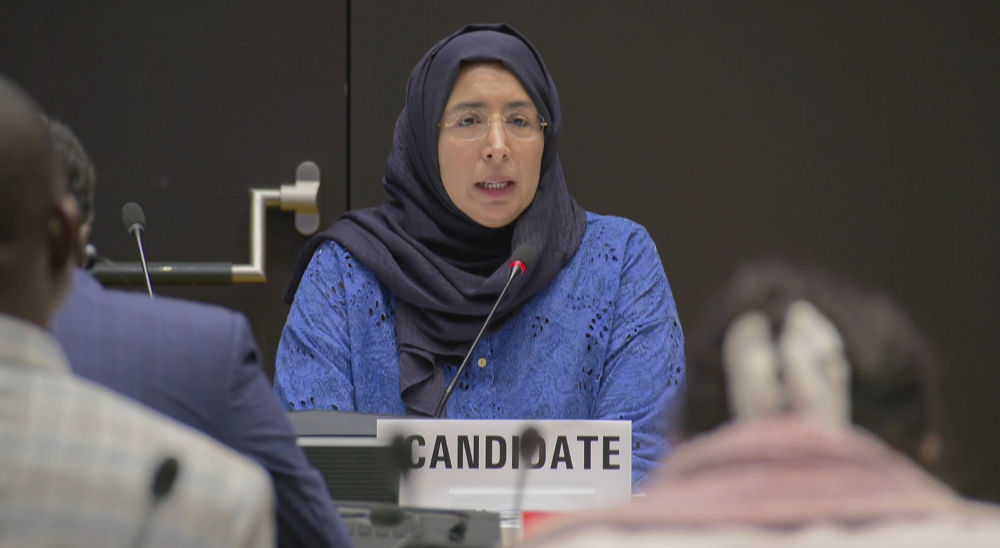
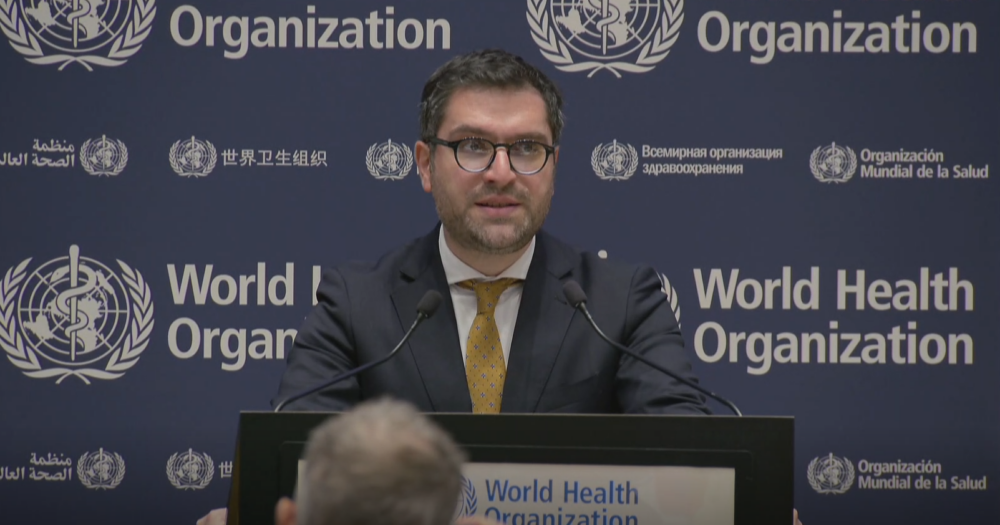
Dr. Hanan Mohamed Al Kuwari, former health minister of Qatar, positioned herself as an operational modernizer ready to instill strict strategic discipline in Geneva. Drawing on her track record of transforming Qatar’s domestic health infrastructure, Al Kuwari argued that the WHO’s effectiveness is diluted when its resources are spread too thin. She urged the agency to refocus on core normative standards and delegate operational field delivery to external partners. Furthermore, she drew a sharp line between technical execution and fundraising, suggesting that project leads should be insulated from financial pressures by a dedicated team of experts.
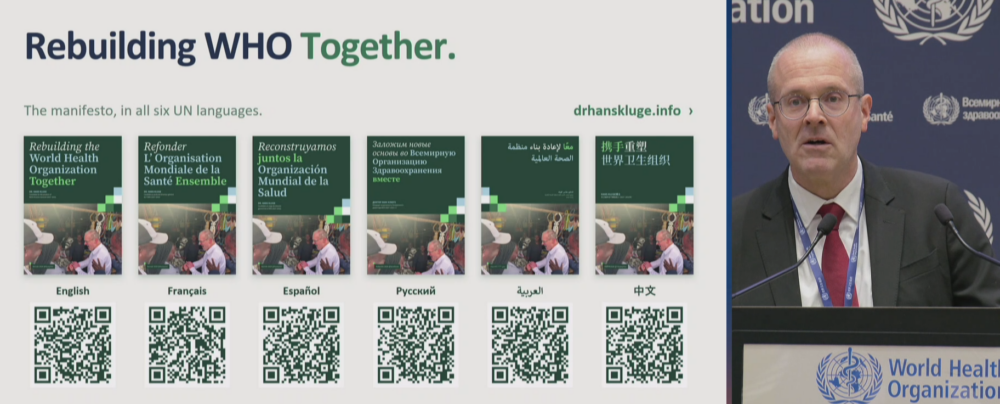
Dr. Hans Henri P. Kluge, Belgium’s nominee and current WHO Regional Director for Europe, delivered an assertive defense of pragmatic multilateralism. Rejecting conventional UN austerity formulas, Kluge asserted that promising "more with less" lacks credibility. Instead of cutting frontline personnel, he highlighted his region’s digital transformation initiatives, reporting that in-house artificial intelligence tools saved $1.3 million in staff time, avoided $340,000 in software licensing fees, and recovered 15,500 working hours in a single year. Kluge also adopted a confrontational stance toward multinational pharmaceutical corporations, pledging to summon pharmaceutical executives to Geneva individually to ensure corporate interests do not dictate access to life-saving therapies.
Dr. Gevorg Tamamyan, an Armenian pediatric oncologist running as an outsider nominee backed by Botswana, upended diplomatic decorum by taking direct aim at Geneva’s institutional inertia. Contrasting high-level multilateral diplomacy with the grim realities of bedside patient care, Tamamyan pledged to step down after a single five-year term if an independent evaluation showed he achieved less than 80% of his strategic targets. To combat unexecutable mandates, he proposed requiring every future World Health Assembly resolution to carry a binding delivery plan and a designated funding source before adoption.
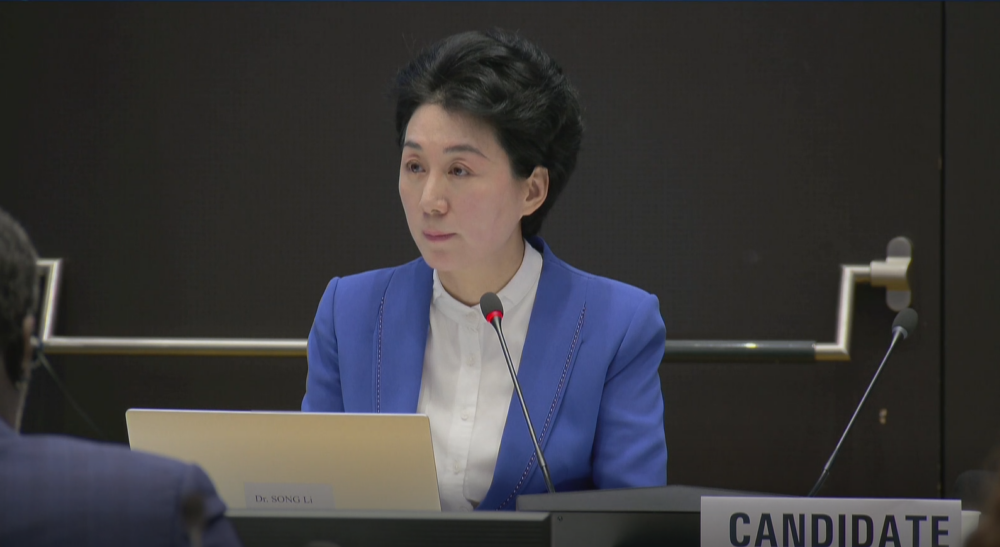
Dr. Song Li, China’s nominee with decades of experience in maternal and child health, presented a vision anchored in multilateral stability, South-South cooperation, and institutional continuity. Resisting donor pressure to name specific programs slated for termination, Song proposed overhauling the WHO’s expert advisory groups to mandate broader representation for scientists from Africa, small island states, and the wider Global South. She championed voluntary licensing through the Medicines Patent Pool to foster local production before the onset of future health emergencies.
Cross-Examination by Nominating States
In a unique twist of the forum’s mechanics, delegations fielding their own candidates utilized the lottery system to cross-examine rival contenders. Five of the seven nominating governments were drawn from the ballot boxes, transforming diplomatic floor time into strategic vetting exercises.
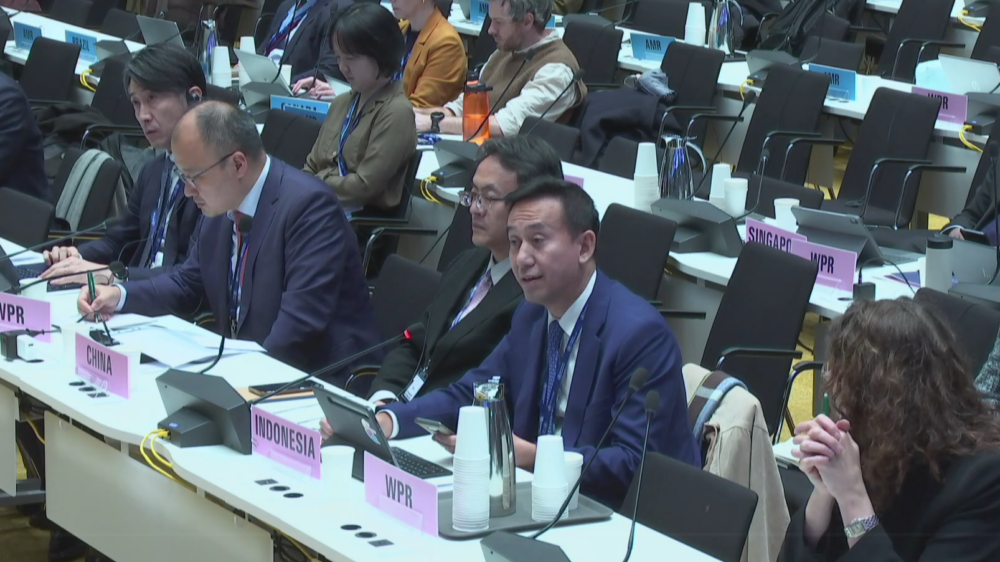
Indonesia emerged as the most persistent challenger, successfully drawing tokens in three separate sessions. Jakarta interrogated Al Kuwari on scaling primary healthcare, pressed Kluge on shielding national priorities from earmarked donor funding, and challenged Tamamyan to identify which unfunded mandates he would abandon. Meanwhile, Belgium questioned China’s Song Li on administrative simplification, while a barrage of inquiries from Spain, China, and Saudi Arabia targeted Tamamyan regarding his institutional preparedness and plans for navigating complex UN structural transitions, such as the future integration of UNAIDS.
Chronology of the 2027 Election Cycle and Immediate Outlook
The election process follows a strict timeline designed to vet and narrow the field before the final vote:
-
November: Public candidate forums in Geneva, featuring two days
of live-streamed hearings where contenders face rigorous member-state questioning.
- January: The 34-member WHO Executive Board will convene to interview a shortlist of five candidates and formally nominate up to three finalists.
- May: The World Health Assembly will meet in Geneva to cast the final secret-ballot vote, electing the next Director-General to lead the agency for a five-year term starting in July.
As the hearings resume to feature the remaining three candidates—Saudi Arabia’s Dr. Hanan Balkhy, Spain’s Dr. María Neira, and Indonesia’s Budi Gunadi Sadikin—the fundamental tension of the election remains unresolved. Major donor capitals demand ruthless programmatic contraction and fiscal restraint, while the Global South insists upon expanded technical intervention, equitable access, and sovereign health security. Regardless of which candidate ultimately secures the mantle in May, the next Director-General will face the formidable challenge of reconciling these mutually exclusive demands while guiding the world’s premier health organization through an increasingly volatile global landscape.