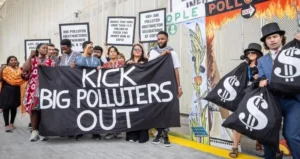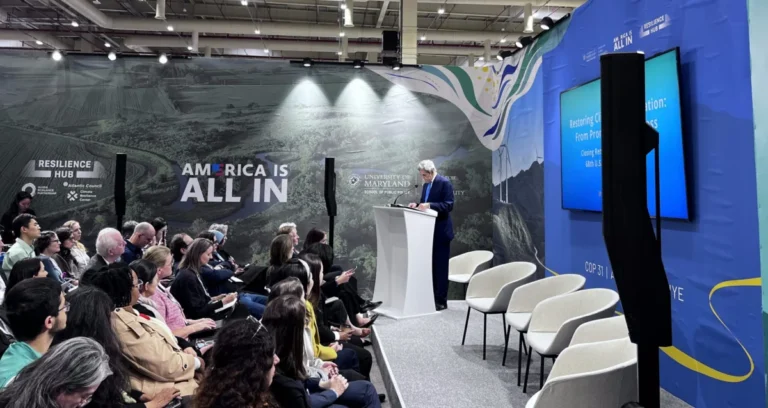
ANTALYA — In a complex convergence of geopolitical conflict, shifting energy markets, and electoral realignments, global carbon dioxide emissions from fossil fuels are projected to decline by 0.4% this year, settling at 38.2 billion tonnes. Presented on Tuesday at the 31st United Nations Climate Change Conference (COP31) in Antalya, Turkey, the annual Global Carbon Budget report—compiled by a consortium of more than 140 international scientists—marks the first recorded reduction in fossil emissions since the extraordinary economic disruptions of the COVID-19 pandemic.
However, leading researchers and climate policy experts have cautioned that the downward tick is driven largely by volatile supply chain disruptions and soaring oil prices stemming from the US conflict with Iran, rather than a systematic, sustainable transition away from hydrocarbons. As delegates convene in Mediterranean Turkey under the shadow of a missing United States federal delegation, the summit has laid bare the deep fractures, ironies, and urgent economic imperatives defining the current era of global climate governance.
A Geopolitical Shock, Not a Sustainable Pivot
The primary driver behind this year’s 1.9% drop in oil-related emissions is rooted in conflict rather than conscious climate policy. The ongoing military engagement waged by the United States against Iran has triggered severe disruptions across critical maritime transit corridors, most notably the closure of the Strait of Hormuz. This disruption has driven global oil prices upward, forcing industries and consumers to economize fuel consumption.

This environment mirrors the energy security shocks witnessed following Russia’s 2022 invasion of Ukraine. According to data published last week by the International Energy Agency (IEA), energy security has decisively overtaken environmental altruism as the principal catalyst for renewable energy adoption across a widening constellation of countries.
“The price of petrol and supply chain disruptions are clearly a cause of the decrease in global fossil CO2 emissions in 2026,” explained Corinne Le Quéré of the University of East Anglia, who led a companion study published in Nature Climate Change.
Nevertheless, scientists warn against celebrating a premature victory. Pierre Friedlingstein of the University of Exeter, who spearheaded the Global Carbon Budget analysis, emphasized that total global greenhouse gas emissions—including those from land-use changes, peat fires, and widespread forest degradation in Southeast Asia—actually rose from 42.8 billion to 43.3 billion tonnes.
“A decline in fossil CO2 emissions is encouraging,” Friedlingstein said. “But a reduction driven partly by geopolitical shocks is not a sustainable climate solution.”
Furthermore, scientists calculate that the remaining global carbon budget to prevent planetary warming from exceeding the critical 1.5°C threshold stands at approximately 150 billion tonnes of CO2—a volume that will be exhausted in less than four years at current emission rates. Holding the 1.5°C line would require bringing net emissions to absolute zero within a decade, a target researchers concede is now mathematically improbable.
The United States at a Crossroads: Absence and Anticipation
The political landscape of the United States loomed large over the proceedings in Antalya, despite Washington’s notable physical absence from the negotiations. Following the Trump administration’s formal withdrawal from the Paris Agreement in January—and upcoming plans to become the first nation to formally exit the UN Framework Convention on Climate Change (UNFCCC) in February—the federal government has sent no official delegation to COP for the second consecutive year.
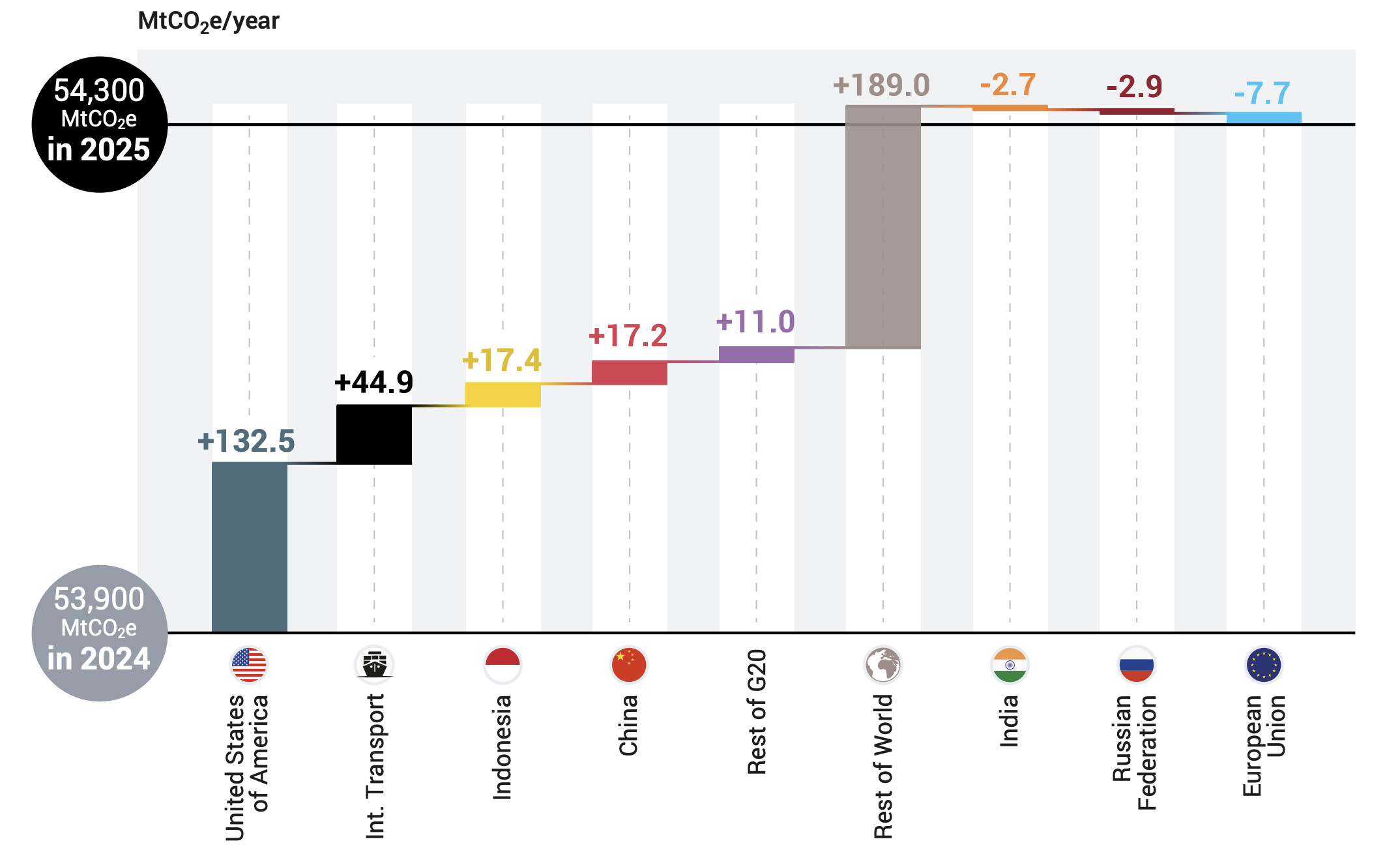
The policy reversals under the current White House have been severe. In 2025, the first year of the administration’s return to power, the United States registered the largest emissions increase of any nation globally. Driven by soaring electricity demand from artificial intelligence data center expansions and emergency administrative orders delaying the retirement of coal-fired power plants, the U.S. added 133 million tonnes of CO2 equivalent to the atmosphere.
Yet, a dramatic counter-narrative unfolded on the international stage following the sweeping results of the United States midterm elections. Democrats secured control of both chambers of Congress and achieved historic legislative victories in long-standing Republican strongholds across Texas, Kansas, Iowa, and Ohio.
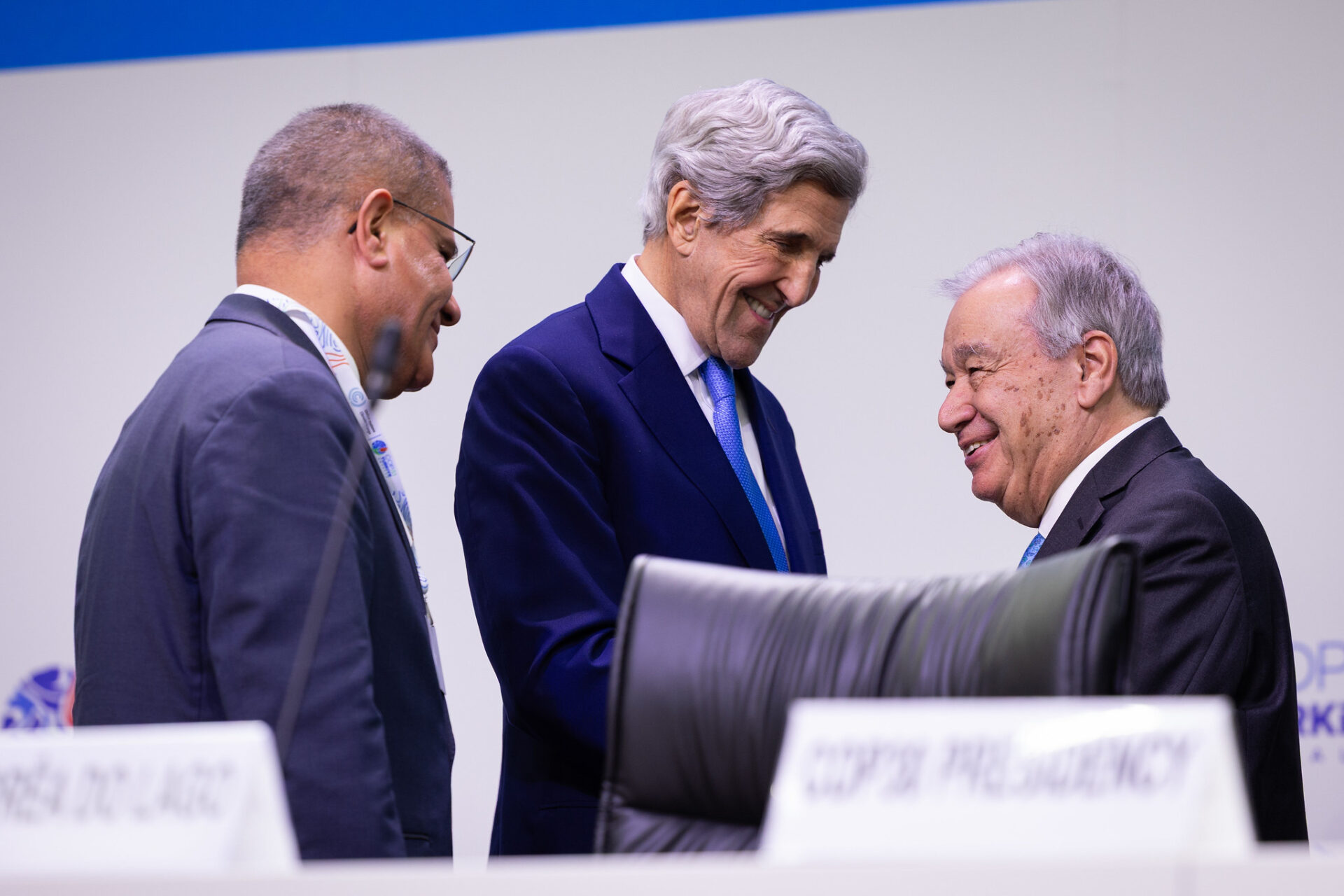
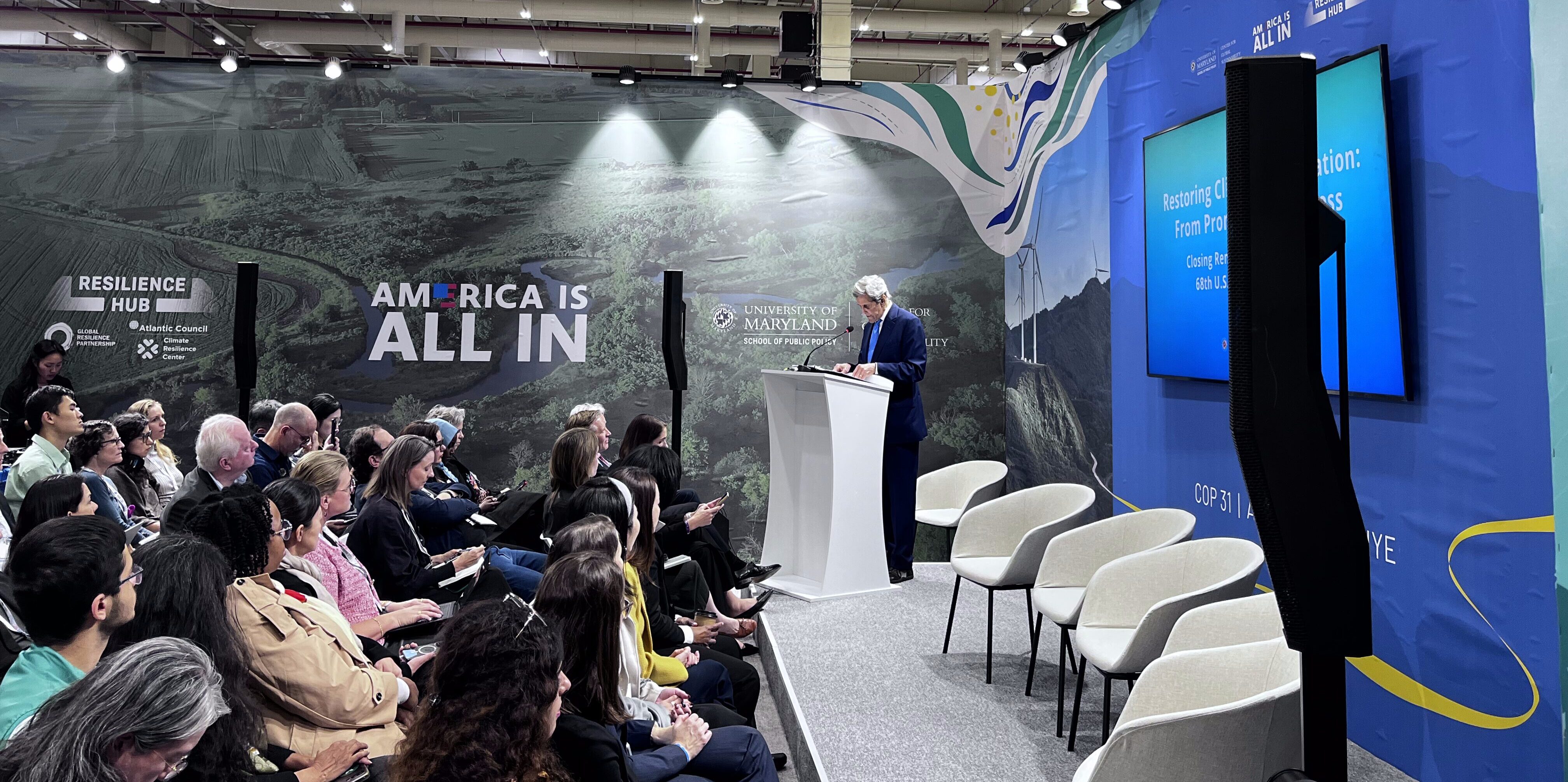
Addressing delegates in Antalya on Tuesday, former U.S. Secretary of State John Kerry pointed to these domestic electoral outcomes as proof that the American public remains fundamentally committed to climate action.
“After two years of pulling back from international cooperation, after attacking clean energy and weakening our climate protections, especially the Environmental Protection Agency, after mocking renewables and showing scorn for science,” Kerry remarked, “the U.S. election offers powerful proof that, given a choice between denial and delay on the one side and innovation and common sense on the other, Americans are committed to taking back their future, and we will build and rebuild our partnerships as we do that.”
Kerry further underscored the economic and security imperatives of the green transition, stating, “No country can block the sun from shining. No one can block any wind from blowing. Clean energy is not just a climate strategy; it is a national security strategy, an economic strategy, and a way to give countries much greater control over their own futures.” Anyone characterizing climate change as a hoax, he added, “should not be serving in public office.”
The Frontline Toll on Least Developed Countries
While industrialized economies debate the pace of decarbonization, the human cost of delayed climate action is concentrating heavily within the world’s 44 Least Developed Countries (LDCs). These nations have contributed the least to historical cumulative emissions yet bear the brunt of extreme weather events, prolonged droughts, and rising sea levels.
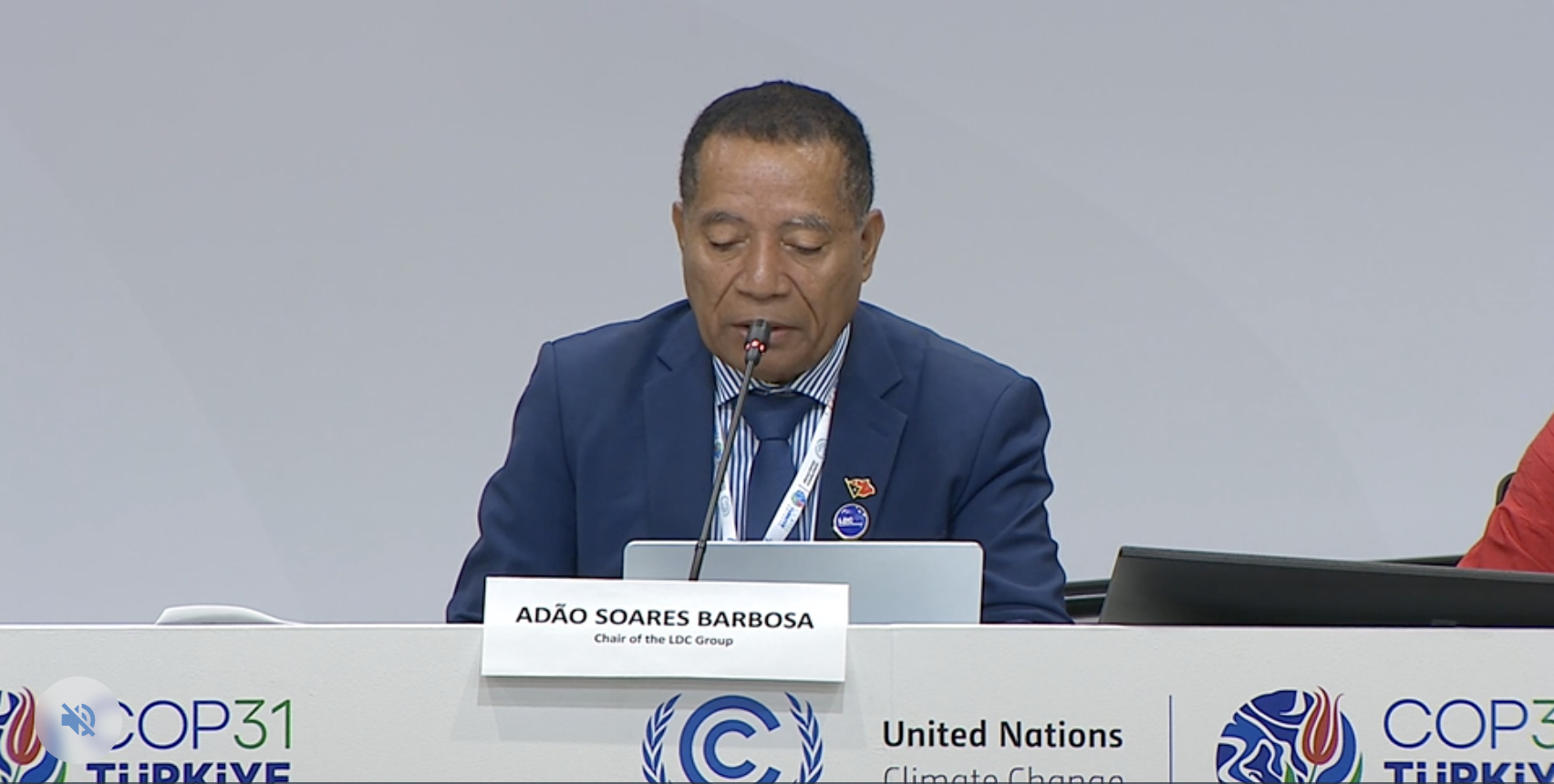
“For the LDCs, 1.5 is not just a number,” said Ambassador Adão Soares Barbosa of Timor-Leste, chair of the LDC Group, during a press briefing on Tuesday. “Every fraction increase imposes a greater threat to our people’s homes, livelihoods, food and water security, and ability to recover from disasters.”
Barbosa expressed conditional support for Turkey’s flagship 35% electrification target by 2035, emphasizing that developing nations cannot execute such transitions without substantial financial grants, technology transfers, and institutional capacity-building from wealthy nations. A recent analysis by CARE revealed that debt repayments on climate loans extended to developing countries nearly tripled between 2020 and 2024. If current lending models persist, repayments risk overtaking new climate development financing by 2036.
Compounding this fiscal pressure, United Nations data indicates that approximately 3 billion people globally currently live under governments that spend more financial resources servicing national debt interest than on public health and education combined.
“It’s not loans,” Barbosa asserted. “If we have loans… we will lose something. We don’t want to have a second round of suffering.”
Structural Omissions and Host Country Contradictions
The institutional architecture of COP31 has also faced intense scrutiny. Three years after nearly 200 nations historically agreed in Dubai to transition away from fossil fuels, the topic has been intentionally excluded from the formal agenda in Antalya.
Following the acrimonious collapse of negotiations over a binding fossil fuel phase-out roadmap at COP30 in Belém, Brazil, co-hosts Turkey and Australia structured the Antalya summit around voluntary sector-specific targets concerning electrification, waste management, and building efficiency.
In an effort to keep the issue alive, Brazil’s former COP30 presidency introduced a non-binding voluntary transition toolkit on Tuesday. The document encourages nations to evaluate their individual fossil fuel dependencies, eliminate subsidies, and curb methane venting and flaring, though it sets no binding deadlines or mandatory reduction quotas.
Contradictions were further highlighted by the actions of the host nation itself. On the opening day of the summit, Turkish President Recep Tayyip Erdoğan announced the discovery of two new oil fields in the southeastern Gabar region, estimated to hold 135 million barrels. Independent analyses by organizations like Global Witness project that Turkey’s state oil company, TPAO, will nearly triple its gas production by 2035.

“The message from Türkiye could not be more contradictory,” said Jeni Miller, executive director of the Global Climate and Health Alliance. “How can a country host the world’s most important climate conference… and on the same day announce plans to expand production of the fossil fuels driving that crisis?”
Furthermore, critics have pointed out that Turkey’s headline electrification target—scaling electricity’s share of final energy consumption from 23% to 35% over the next decade—lacks explicit mandates requiring that the added electrical generation capacity be derived from zero-carbon sources. With coal providing roughly 34% of Turkey’s domestic electricity generation last year, environmental analysts caution that electrification alone will fail to curb atmospheric warming unless paired with aggressive clean energy deployment.
Implications and Outlook
As COP31 enters its second week, the overarching sentiment among delegates and policy analysts is one of cautious pragmatism. European Union climate chief Wopke Hoekstra acknowledged that expectations for the summit remain subdued, describing the low bar as “just a reflection of reality.”
Despite the short-term dip in fossil fuel emissions driven by geopolitical instability, scientists and diplomats agree that long-term stabilization of the global climate system hinges on accelerated, intentional investments in renewable infrastructure, grid modernization, and electric vehicle adoption.
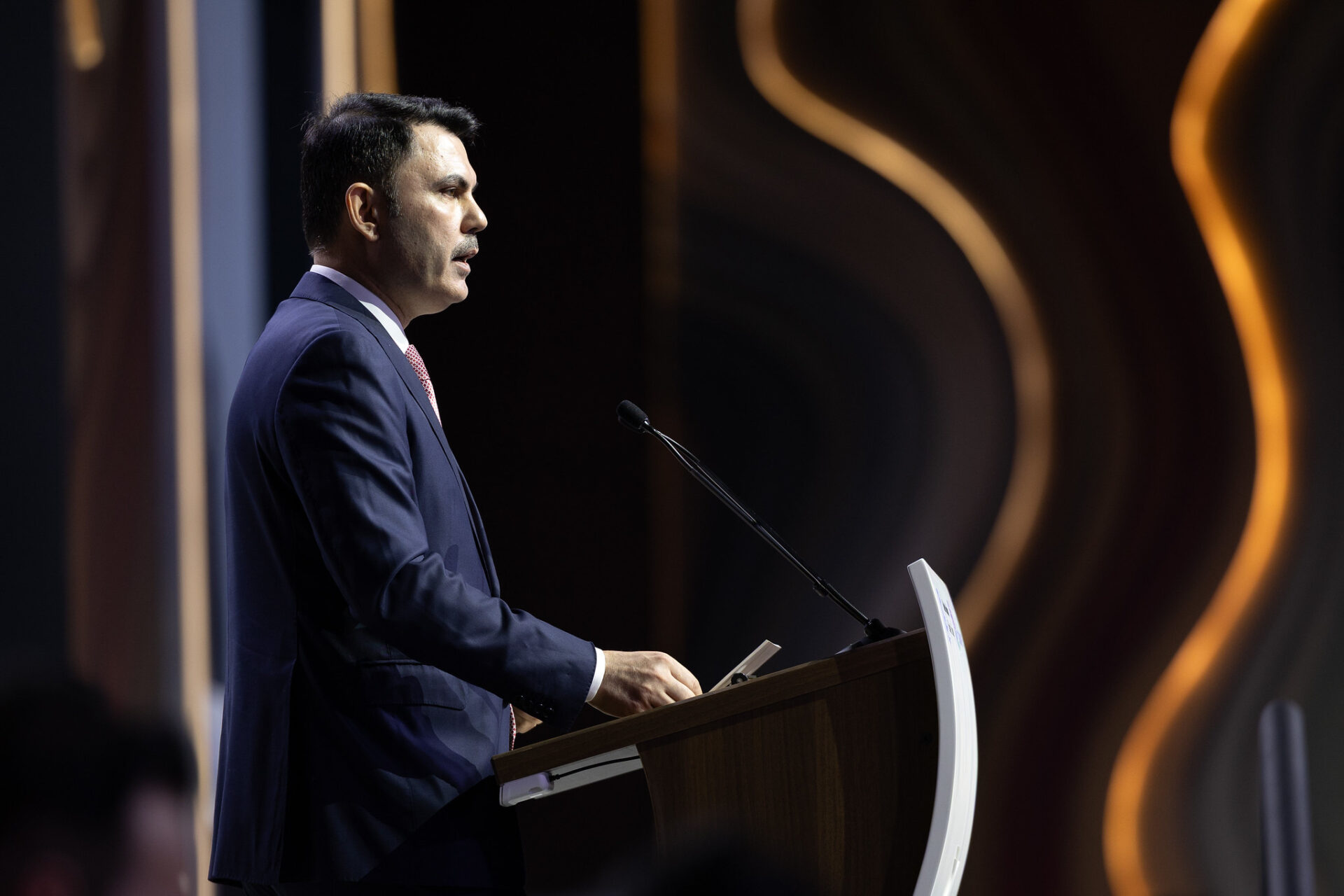
Concluding his remarks in Antalya, John Kerry emphasized the necessity of accountability for corporate leadership. “We have to make sure that we really do a roadmap,” he said, “and we’ll find all kinds of ways to pressure and pull those CEOs to the table who are slow to move their companies.”