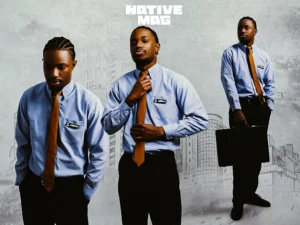
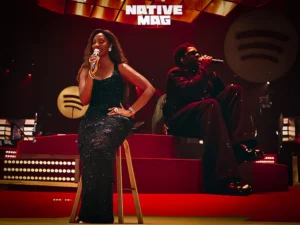
The release of the debut album Stylish by Nigerian artist Kaestyle represents a significant milestone in the evolution of contemporary African pop music. Following a meteoric rise to mainstream prominence in 2024, the singer-songwriter has delivered a 15-track project that functions as a sonic autobiography, bridging the gap between nostalgic R&B sensibilities and the vibrant, high-energy landscape of modern Afropop. The album, which spans a 38-minute runtime, serves as a definitive statement on the versatility that has defined the artist’s trajectory since he first captured the public’s attention.
The Trajectory to Mainstream Success
Kaestyle’s entry into the mainstream consciousness was not accidental but the result of a calculated ascent that began in earnest in 2024. The turning point for the artist was the release of the breakout single "My Dealer," featuring Omah Lay. The track resonated deeply within the urban music scene, blending emotive lyricism with a street-centric rhythm that appealed to a broad demographic across Nigeria. The subsequent remix, which featured the seasoned vocal dexterity of Kizz Daniel, further solidified the song’s status as a commercial juggernaut, pushing Kaestyle’s name to the forefront of industry conversations regarding the next generation of Nigerian musical heavyweights.
This momentum was sustained by the release of the Another Style EP. The project served as a precursor to his current stylistic experimentation, showcasing an ability to collaborate with international artists, most notably the American singer-songwriter 6LACK on the track "Egberi." By integrating diverse vocal textures and production styles, Kaestyle established a reputation for "genre-hopping," a fluidity that has become the foundational pillar of his debut album, Stylish.
Conceptual Framework: Port Harcourt as a Creative Catalyst
The conceptual inspiration for Stylish is rooted in the cultural topography of Port Harcourt. The artist has frequently cited the city as an environment of stark dichotomies, where extreme wealth and systemic poverty exist side-by-side. This duality—encompassing violence, ambition, survival, and profound human connection—informs the thematic content of the album.
In the artist’s view, "stylish" is not merely an aesthetic choice but a survival mechanism—a way of navigating the complexities of his hometown. This ethos is reflected in the album’s structural division. The project is bifurcated into two distinct sonic hemispheres: Side A, which prioritizes the introspective and melodic contours of R&B, and Side B, which leans into the rhythmic demands of Afropop. This divide allows the artist to explore his identity as both a vocalist capable of nuanced storytelling and a performer capable of commanding the high-energy environments typical of Nigerian nightlife.
Technical Breakdown and Tracklist Analysis
The production of Stylish reflects a meticulous approach to arrangement. Side A consists of eight tracks that emphasize vocal control and atmospheric production. The opener, "Bucket List," produced by David Hart, sets the tone with a soundscape that evokes the R&B production trends of the early 2000s. Tracks like "See Finish" further lean into this aesthetic, demonstrating Kaestyle’s ability to manipulate tempo and tone to convey emotional vulnerability.
The project also demonstrates a keen awareness of Nigerian musical heritage. On the track "Cairo," Kaestyle incorporates an interpolation of Original Stereoman’s classic record "E Dey Pain Me Gaga." By repurposing these familiar melodic motifs, he bridges the gap between the veteran generation of Nigerian performers and the new school, providing a sense of continuity that resonates with domestic listeners. Collaborations on this side of the album, including appearances by the Port Harcourt duo Ajebo Hustlers on "One Life" and labelmate M3lon on "To Me," provide the necessary rhythmic variance to maintain listener engagement.

The transition to Side B is marked by the interlude "Bere," which utilizes the distinctive, ethereal vocal style of Wizard Chan to act as a pivot point. Following this, the album shifts into a high-octane Afropop mode. "Eluwa" serves as a standout, utilizing elements of Igbo-gospel music to create an uplifting, communal atmosphere. The inclusion of industry veterans such as Eldee and Duncan Mighty on the tracks "Baba" and "Saki Ofori" is particularly noteworthy. These features provide a generational bridge, with the senior artists lending their decades of experience to bolster the project’s legitimacy and depth.
Data and Industry Context
The current climate of the Nigerian music industry is characterized by a rapid turnover of hits and a high demand for genre experimentation. Statistics from major streaming platforms indicate that artists who successfully blend regional sounds—such as Port Harcourt’s unique blend of highlife and urban pop—with global influences like R&B see higher rates of listener retention.
Kaestyle’s decision to commit to a 15-track, 38-minute runtime reflects a trend among modern artists to favor concise, replayable albums over bloated, multi-hour projects. By keeping the runtime efficient, the artist ensures that each track remains distinct, preventing the "filler" fatigue that often plagues longer releases. Furthermore, the strategic use of inter-generational collaborations acts as a marketing tool, expanding the artist’s reach to the fanbases of established stars like Duncan Mighty and Eldee, while simultaneously positioning Kaestyle as a student of the craft.
Broader Implications for the Afrobeats Landscape
The release of Stylish suggests a maturation in the Nigerian independent music circuit. Where many artists focus on producing single-driven content to satisfy the algorithms of short-form video platforms, Kaestyle has opted for a cohesive, album-centric approach. This move is significant, as it signals a shift toward prioritizing long-form artistry and personal brand building.
The implications of this album for Kaestyle’s career are twofold. First, it cements his standing as a vocalist with technical range, distancing him from the "one-hit wonder" label that often follows a viral debut. Second, it establishes a blueprint for future releases, proving that an artist can maintain a consistent sonic identity while rotating through various genre influences.
Industry analysts suggest that the success of Stylish will likely depend on the artist’s ability to translate these studio recordings into live performance experiences. Given the emphasis on "style" as a cultural expression, the stage production and visual identity surrounding the album’s promotional tour will be as critical as the music itself. If the album continues to gain traction, it will likely pave the way for a more diverse range of artists from the South-South region of Nigeria to gain national and international visibility.
Conclusion
Stylish is more than a collection of songs; it is a synthesis of a city’s influence and an artist’s ambition. By channeling the chaotic beauty of Port Harcourt into a structured, two-part musical journey, Kaestyle has managed to create a project that feels both personal and expansive. As the African music industry continues to demand more from its rising stars, the ability to balance commercial viability with stylistic range will remain the ultimate metric of success. With this debut, Kaestyle has demonstrated that he possesses the creative discipline to meet that demand, setting a high bar for his peers and establishing himself as a formidable force in the contemporary musical landscape.