The landscape of the Nigerian national team’s attacking hierarchy has undergone an unexpected transformation this week following the confirmation that Galatasaray talisman Victor Osimhen has undergone arthroscopic surgery on his left knee. With the star striker sidelined, the Super Eagles coaching staff, led by Eric Chelle, now faces a critical selection dilemma for the upcoming Group L Africa Cup of Nations qualifiers. As the race for the No. 9 shirt intensifies, the prolific form of Kelechi Iheanacho in the Turkish leagues has propelled him back into the spotlight, presenting a seasoned alternative at a pivotal moment in the qualification campaign.
The Medical Situation: Osimhen’s Road to Recovery
The sequence of events leading to Osimhen’s temporary absence began during a high-stakes UEFA Champions League encounter against German side VfB Stuttgart. During the match, the striker experienced significant discomfort in his left knee, prompting immediate medical intervention. Following the game, diagnostic imaging, including an MRI, revealed the presence of a loose fragment within the joint, necessitating surgical removal to prevent further structural damage.
Galatasaray confirmed that the procedure was performed this past Saturday at the Maslak Acıbadem Hospital under the supervision of the club’s chief medical officer, Dr. Yener İnce. While the surgery was described as successful, the recovery protocol is stringent. According to reports from TRT Spor and corroborated by Hürriyet, the estimated recovery window is approximately three weeks. This timeline effectively rules the 25-year-old out of the upcoming international window, with the club eyeing a potential return for the marquee European clash against Aston Villa on November 24.
Osimhen’s impact at Galatasaray this season has been nothing short of transformative. In 11 appearances, he has notched 10 goals and provided three assists, cementing his status as one of the most lethal finishers in European football. His absence is a significant blow not only to the Istanbul giants but also to the Super Eagles, who rely on his physical presence and clinical finishing to anchor their offensive transitions.
The Rise of Kelechi Iheanacho
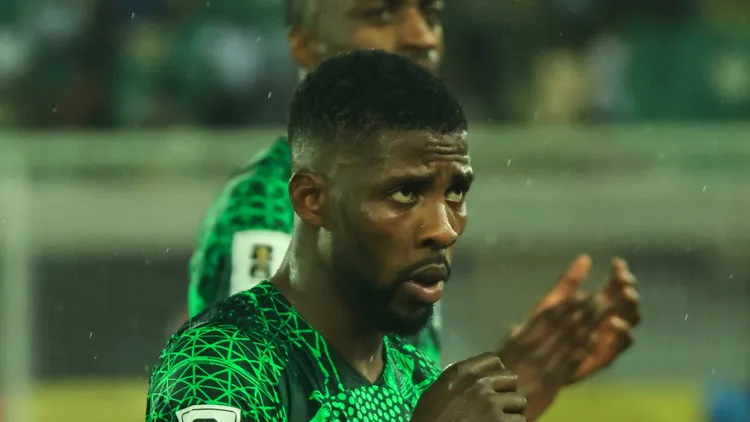
As the vacancy at the head of the Super Eagles’ attack looms, the performance metrics of Kelechi Iheanacho have become impossible to ignore. Operating in the Turkish second tier, the former Leicester City forward has enjoyed a remarkable resurgence in form. Throughout the month of October, Iheanacho displayed a level of consistency that had eluded him in recent years, tallying five goals in a single month—a streak highlighted by a clinical brace against Muğlaspor.
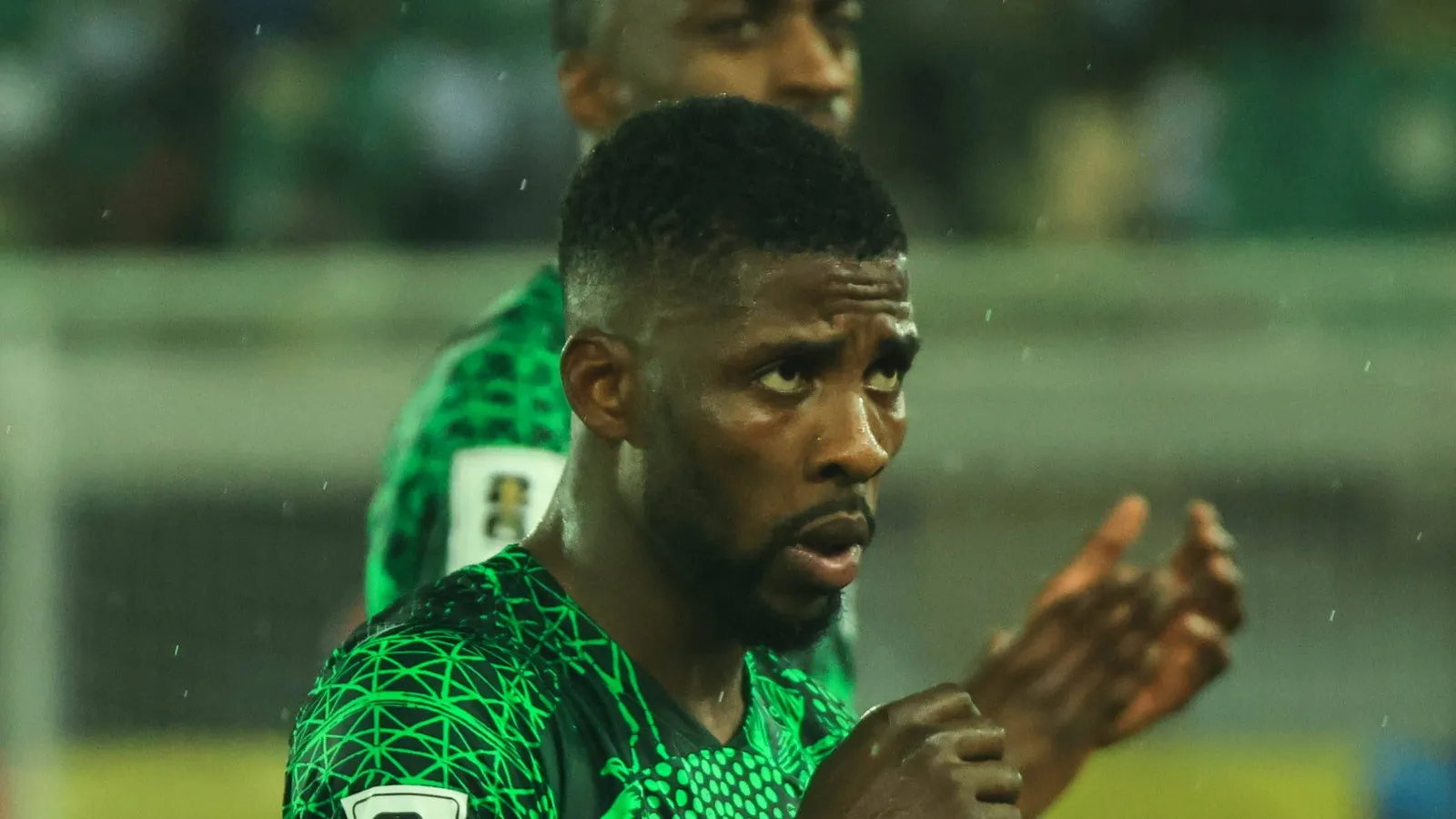
Prior to his recent minor dip in production, Iheanacho had achieved a remarkable feat: scoring in 12 consecutive league matches. While that streak was eventually snapped on October 31 against Bandırmaspor, the statistical weight of his October performance serves as a powerful argument for his inclusion in the national squad. Unlike some of his younger, less-tested rivals, Iheanacho offers a wealth of experience. He is a player who understands the pressure of the international stage, having been a mainstay for the Super Eagles for nearly a decade. His ability to link play, combined with his recent goal-scoring rhythm, provides Eric Chelle with a tactical profile that differs significantly from the pure speed or target-man roles favored by others.
The Competitive Landscape: Candidates and Criteria
The selection process for the No. 9 position has become increasingly complex. A report published by Afrik-Foot on November 5 highlighted the depth of the striker pool available to the coaching staff. Beyond the obvious selection of Osimhen, the list of contenders includes Gift Orban, Tolu Arokodare, Terem Moffi, and the emerging talent George Ilenikhena.
Each candidate brings a distinct set of attributes to the table:
- Gift Orban: Known for his explosive pace and instinctive finishing, Orban represents the high-upside future of the Nigerian attack.
- Tolu Arokodare: A traditional target man with immense physical stature, Arokodare provides a focal point for aerial dominance, which is essential against teams that sit deep.
- Terem Moffi: A proven commodity in Ligue 1, Moffi offers a balance of work rate and finishing ability, making him a versatile option for high-pressing systems.
- George Ilenikhena: The youngest of the group, Ilenikhena represents the long-term project, showing flashes of elite potential that suggest he could be a breakout star in the coming seasons.
Despite the pedigree of these younger players, the current situation demands immediate results. Nigeria sits in a precarious position in Group L. With only three points from two matches, the Super Eagles currently trail group leaders Guinea-Bissau, who hold six points. The math is unforgiving; every goal differential could prove decisive under the current tie-break rules, especially with the high-pressure qualifiers against Tanzania on the horizon.
Implications for the AFCON Qualification Strategy
The upcoming fixtures are not merely routine games; they are definitive tests of the team’s resilience. The early arrival of the Tanzanian national team in Uyo signals that the opposition is preparing for an intense, physical encounter. The pressure on Eric Chelle to finalize a squad that can deliver immediate offensive output is immense.
Analysts suggest that Chelle is likely to favor a blend of youth and experience. While the temptation to fast-track the younger generation is strong, the absence of a talisman like Osimhen often leads managers to lean on players with established international caps. Iheanacho’s experience in navigating the emotional and physical demands of an AFCON qualifying campaign makes him a compelling candidate for the starting XI. He is no longer the raw talent who burst onto the scene in the youth categories; he is a seasoned professional who understands how to operate in tight spaces and manage the clock—a skill set that is invaluable in the final stages of qualifying.
The Tactical Shift
Should Chelle choose to call upon Iheanacho, it would necessitate a slight recalibration of the team’s tactical setup. Osimhen is a player who thrives on long balls and direct, vertical transitions. Iheanacho, conversely, is more effective when given the freedom to drop into the "half-spaces," allowing midfielders to overlap. This shift could potentially unlock more creative avenues for the Super Eagles’ wide attackers, who have occasionally been isolated when the striker is preoccupied with physical battles against center-backs.
Moreover, the psychological aspect of the squad cannot be overlooked. The news of Osimhen’s injury has undoubtedly sent ripples through the team’s camp. Having a veteran leader like Iheanacho, who is currently in a "hot" scoring phase, provides a level of stability and confidence that can permeate through the entire dressing room.
Conclusion: A Pivotal Selection
The coming days will be defined by the finalization of the squad list. As the Super Eagles prepare for their showdown in Uyo, the coaching staff must reconcile the immediate need for goals with the long-term objective of building a cohesive, future-proof unit.
The injury to Victor Osimhen, while regrettable, serves as a litmus test for the depth and adaptability of the Nigerian national team. Whether the coaching staff opts for the proven, revitalized pedigree of Kelechi Iheanacho or leans into the raw potential of the next generation, the upcoming matches will reveal much about the tactical identity and resilience of the current squad. As the Tanzanian challenge approaches, all eyes remain on the training ground in Uyo, where the battle for the No. 9 shirt will be won or lost in the final hours before the kickoff. The math of Group L is clear, the stakes are high, and the opportunity for a striker to cement his place in the history of this qualification cycle is wide open.