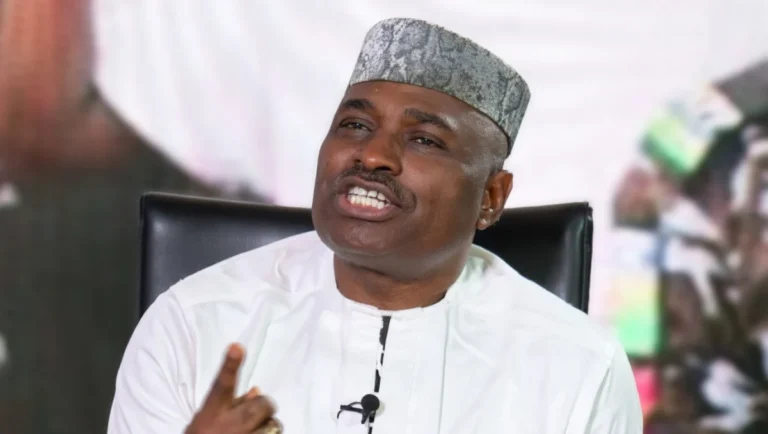
Today, November 6, marks the 58th birthday of Kenneth Okonkwo, a figure whose name is synonymous with the inception and evolution of the Nigerian film industry, popularly known as Nollywood. Born on November 6, 1966, Okonkwo has spent decades at the forefront of African storytelling, transitioning from a breakout screen star to a recognizable public figure in the nation’s political and social spheres. As colleagues, fans, and industry stakeholders commemorate this milestone, the occasion serves as a poignant reminder of the trajectory of an actor whose career arc closely mirrors the rapid ascent of Nigerian cinema on the global stage.
A Chronology of a Storied Career
The trajectory of Kenneth Okonkwo’s career is inseparable from the history of home-video production in Nigeria. His professional journey began in the early 1990s, a period characterized by experimental storytelling and the search for a uniquely Nigerian cinematic identity.
- 1992: The Breakthrough. Okonkwo achieved national prominence with his lead role as Andy Okeke in the seminal film Living in Bondage. Produced by Kenneth Nnebue, this film is widely credited by historians and cultural critics as the catalyst that transformed the Nigerian film industry into a commercially viable sector. His portrayal of a man who descends into occult practices for wealth resonated with local audiences, effectively setting a template for the "Nollywood thriller" genre.
- 1993–2005: The Consolidation Era. Following the massive success of Living in Bondage, Okonkwo became one of the most sought-after actors in the industry. During this period, he appeared in a string of successful productions that cemented his reputation as a versatile actor capable of navigating complex roles. These years saw the establishment of the "star system" in Nollywood, with Okonkwo positioned as one of the inaugural A-list icons.
- 2006–2015: Diversification and Continued Relevance. As the industry transitioned from the VHS/VCD era to more sophisticated digital production, Okonkwo adapted his craft. He maintained a steady presence in cinema, featuring in contemporary dramas that explored societal issues, family dynamics, and cultural identity.
- 2016–Present: Political Engagement and Public Service. In the last decade, Okonkwo expanded his professional scope into the Nigerian political arena. By leveraging his public platform to engage in governance discussions and legal advocacy, he joined a cohort of Nigerian entertainers who have sought to influence national policy directly.
The Socio-Economic Impact of the Living in Bondage Legacy
To understand the significance of Kenneth Okonkwo’s career, one must contextualize the impact of Living in Bondage on the Nigerian economy. In the early 1990s, the film proved that there was a massive, untapped market for localized content. Data from the early 2000s suggests that the home-video boom, initiated by the success of actors like Okonkwo, contributed significantly to the informal sector of the Nigerian economy, providing employment for thousands of producers, distributors, marketers, and technical staff.
Okonkwo’s contribution was not merely artistic; it was foundational to the business model of Nollywood. By embodying the character of Andy Okeke with such conviction, he helped establish a direct emotional connection between the screen and the Nigerian public. This "star power" became the engine that drove the early industry, allowing producers to secure the necessary capital to scale operations. According to industry analysts, the success of performers from that era created a blueprint for the modern creative economy in Africa, which currently accounts for a significant portion of Nigeria’s service-sector GDP.
Reflections from Industry Peers and Observers
On the occasion of his 58th birthday, social media platforms and industry forums have been inundated with tributes from colleagues. The consensus among his peers is that Okonkwo remains a "gentleman of the industry"—a term often used to describe his professional conduct over the last thirty years.
Several veteran directors who worked with Okonkwo during the formative years of the industry have noted his discipline and work ethic. "Kenneth brought a level of seriousness to the craft that was necessary at a time when we were still learning how to be professionals," remarked one industry veteran. Such testimonials underscore his role not just as a performer, but as a stabilizing force within the frequently volatile production environment of the 1990s and 2000s.
Professional Evolution: From Screen to Statecraft
A defining feature of Okonkwo’s later career has been his vocal involvement in Nigeria’s political discourse. Having studied law, he has often utilized his professional background to offer legal and political commentary on national issues. This shift is significant, as it represents a growing trend of Nigerian celebrities moving beyond entertainment to engage with the political apparatus.
While some critics argue that the entry of entertainers into politics can complicate public perception, supporters of Okonkwo contend that his platform allows for the amplification of issues that might otherwise be ignored. By navigating the dual worlds of entertainment and politics, he has managed to maintain a public profile that remains relevant to different generations—those who grew up watching his films in the 90s and those who follow his political advocacy today.
Analyzing the Legacy: The "Early Star" Paradigm
As an actor who rose to fame before the advent of the digital streaming age, Okonkwo represents a bridge between the analog past and the digital future of Nigerian cinema. The industry has evolved from the low-budget, high-volume production models of the 90s to the high-quality, international collaborations seen on platforms like Netflix and Amazon Prime today.
Okonkwo’s ability to remain a "household name" throughout these transitions is a testament to his adaptability. His career analysis reveals three key pillars of longevity:
- Audience Recognition: The "Andy Okeke" brand is a piece of Nigerian cultural heritage, ensuring he remains a focal point in any retrospective of the industry.
- Professional Adaptability: He has successfully navigated the shift from home video to cinema and, more recently, to the era of digital content creation.
- Public Branding: By maintaining a presence in both the creative and political sectors, he has expanded his reach beyond the traditional constraints of an acting career.
Broader Implications for Nollywood
The celebration of Kenneth Okonkwo’s 58th birthday serves as an opportunity to assess the maturation of the Nigerian film industry. Today, Nollywood is recognized as the second-largest film industry in the world by volume of production. This status was not achieved overnight; it was built on the backs of pioneers who worked under challenging conditions.
Okonkwo’s journey is a microcosm of this growth. The early films he participated in were characterized by limited budgets and technical constraints, yet they succeeded because of the strength of the narratives and the performances. As the industry now moves toward higher budgets and global distribution, the veterans of the early era are increasingly viewed as the foundational architects of this success.
Looking Forward: A Milestone for Reflection
At 58, Kenneth Okonkwo stands at a juncture where his past achievements are being documented by film historians, while his current activities continue to shape his public narrative. The birthday celebrations are not merely about the passage of time; they are about the recognition of a life spent in the public eye, contributing to the development of a national culture.
The impact of his career on the Nigerian entertainment landscape is quantifiable in terms of industry growth and cultural representation. As Nigerian cinema continues to expand its influence across the globe, the contributions of early pioneers like Okonkwo provide the essential context for understanding how the industry arrived at its current heights.
In conclusion, the 58th birthday of Kenneth Okonkwo is more than a personal milestone. It is a moment of institutional reflection for the Nigerian film industry. Whether through the indelible mark he left on the screen in the early 90s or his ongoing involvement in the national discourse, Okonkwo remains a significant figure in the Nigerian story. As fans and colleagues celebrate today, the focus remains on his role as a bridge-builder, a performer of enduring talent, and a key contributor to the identity of modern Nigerian entertainment. His career remains a vital case study in how individual talent, combined with the right historical moment, can help build an industry that touches millions of lives across the globe.