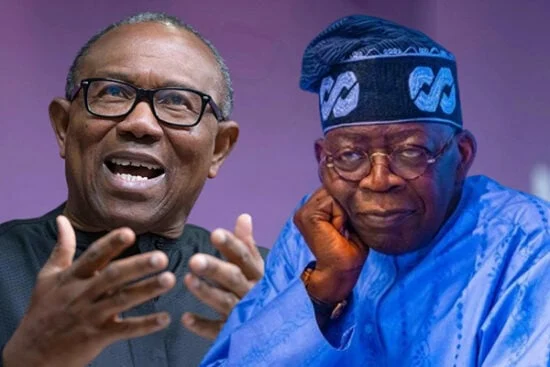
The 81st session of the United Nations General Assembly (UNGA) in New York has become a focal point of domestic political discourse in Nigeria, following pointed criticisms from the presidential candidate of the Nigeria Democratic Congress (NDC), Peter Obi. In a public critique posted to his social media channels on September 24, 2026, the former Anambra State governor questioned the persistent absence of President Bola Ahmed Tinubu from the world’s most significant diplomatic gathering, drawing a stark contrast between Nigeria’s current level of representation and the active participation of other West African heads of state, specifically Ghana’s President John Dramani Mahama.
The Context of the 81st UNGA
The United Nations General Assembly serves as the primary deliberative, policymaking, and representative organ of the United Nations. For many nations, particularly those in the Global South, it is the premier platform to advocate for debt relief, climate justice, and equitable representation in international financial institutions. The 81st session has been characterized by intense debates regarding the reform of the UN Security Council and the urgent need for a more inclusive global governance architecture.
President John Dramani Mahama’s address during the session was highlighted by observers as a pivotal moment for regional diplomacy. His speech addressed the multifaceted challenges of the African continent, ranging from post-pandemic economic recovery to the strategic importance of strengthening democratic institutions in West Africa. Peter Obi, in his commentary, lauded the Ghanaian leader’s performance, asserting that the address exemplified the fusion of competence, capacity, compassion, and character in statecraft. For Obi, the visibility of a head of state at the UNGA is not merely a ceremonial duty but a vital exercise in national branding and diplomatic leverage.
Chronology of Presidential Absences
The concern raised by Obi centers on a recurring pattern. If the President fails to attend this year’s summit, it will mark the third consecutive year that the leader of Africa’s most populous nation has been absent from the UNGA podium.
- 2024: The Nigerian delegation was led by senior government officials, as the President focused on domestic administrative reforms.
- 2025: The administration cited the necessity of overseeing critical economic restructuring and security briefings as primary reasons for the President’s decision to remain in Abuja.
- 2026: Vice President Kashim Shettima was mandated to lead the Nigerian delegation, continuing the trend of delegation-led participation rather than head-of-state attendance.
This sequence of events has prompted political analysts to question the long-term impact on Nigeria’s "soft power." In international relations, the presence of a President at the UNGA facilitates high-level bilateral meetings that are often difficult to secure through surrogates. These meetings frequently serve as the precursor to Foreign Direct Investment (FDI) inflows, security cooperation agreements, and trade pacts.
Economic and Demographic Considerations
Nigeria’s demographic profile—a population exceeding 200 million—places it in a unique position of influence. As the largest economy in West Africa, the country is often looked upon to provide regional leadership. When comparing Nigeria to smaller economies like Ghana, critics argue that the disparity in leadership visibility creates a vacuum.
Economic data from the World Bank and the IMF suggests that Nigeria is currently navigating a period of significant fiscal adjustment, characterized by inflation, currency volatility, and efforts to diversify the revenue base. Proponents of active presidential diplomacy argue that a personal presence at the UNGA allows the President to address these economic realities directly to the international investor community, potentially stabilizing market perceptions.
Official Government Position and Delegation Strategy
In response to the growing public scrutiny, the Federal Government of Nigeria has maintained that the absence of the President does not signify a reduction in Nigeria’s diplomatic commitment. A statement from the Presidential Media Office clarified that Vice President Kashim Shettima was granted full executive authorization to represent the President.
The Vice President’s itinerary included a robust schedule of bilateral engagements with heads of international organizations, including the World Bank, the IMF, and several heads of state from G20 nations. Government officials argue that the modern practice of diplomacy is increasingly decentralized, and the Vice President’s participation in high-level committees on sustainable development and security cooperation demonstrates that Nigeria remains deeply engaged with the international community. According to official briefings, the delegation focused heavily on the "Renewed Hope" agenda, seeking partnerships to bolster Nigeria’s agricultural sector and energy infrastructure.
Analysis: Implications for Nigeria’s Foreign Policy
The debate triggered by Peter Obi touches on the broader question of the "Personalization of Diplomacy." Historically, Nigerian presidents—from the military era to the current democratic dispensation—have largely viewed the UNGA as an essential fixture on their annual calendars.
From an analytical standpoint, the implications of a President’s absence are twofold:
- Symbolic Representation: The UNGA is a stage for "soft power." When a leader is absent, the message sent to the global community can be interpreted as either a focus on urgent domestic crisis management or, conversely, a lack of interest in multilateralism.
- Strategic Bilateralism: While the Vice President holds the authority to negotiate, heads of state often reserve the ability to make high-level, binding commitments that subordinates may not be empowered to finalize. The inability to conduct these "sideline" summits can occasionally stall progress on long-term infrastructure or security treaties.
Dr. Ibrahim Musa, an international relations scholar, notes that "the role of the President in the international arena is to signal national intent. While the Vice President is a capable representative, the weight of a Head of State’s presence is a different currency in the diplomatic market. For a country facing the current economic headwinds that Nigeria is facing, the optics of the Presidency matter almost as much as the substance of the policies being discussed."
Public Reaction and the Path Forward
Peter Obi’s remarks have resonated with a segment of the public that feels Nigeria’s voice in international affairs has been diminished. His call for Nigerians to continue praying for the President’s success reflects a tempered approach, acknowledging the difficulty of the task of governance while simultaneously demanding accountability.
Conversely, supporters of the administration argue that the President’s focus should remain squarely on domestic issues. They contend that the high cost of international travel and the need for the President to personally supervise local reforms justify his absence from New York.
As the 81st UNGA concludes, the dialogue between the administration and its critics underscores a fundamental tension in Nigeria’s political life: the balance between being a "domestic-first" administration and maintaining the global stature expected of a continental hegemon. The government’s decision to continue utilizing high-level delegations for international summits, rather than personal attendance by the President, appears to be a calculated, albeit controversial, shift in foreign policy strategy.
The upcoming months will likely reveal whether this policy of decentralized diplomatic representation will yield the desired economic benefits or if it will continue to be a rallying point for those who believe that Nigeria’s leadership must be physically present on the world’s most prominent stage to secure the country’s future interests. For now, the question remains: is the absence of the President a strategic choice for domestic consolidation, or a missed opportunity for global engagement? The answer, as suggested by the ongoing debate, depends heavily on one’s perspective of what constitutes effective leadership in an interconnected, globalized world.