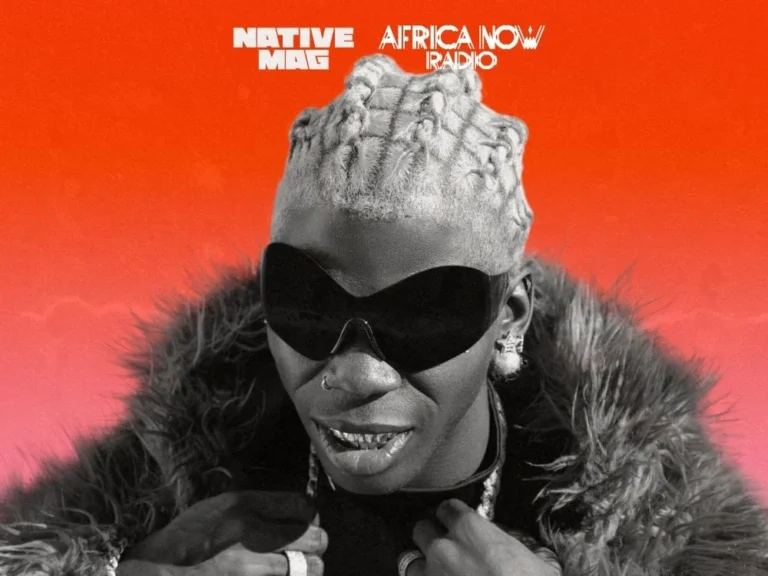
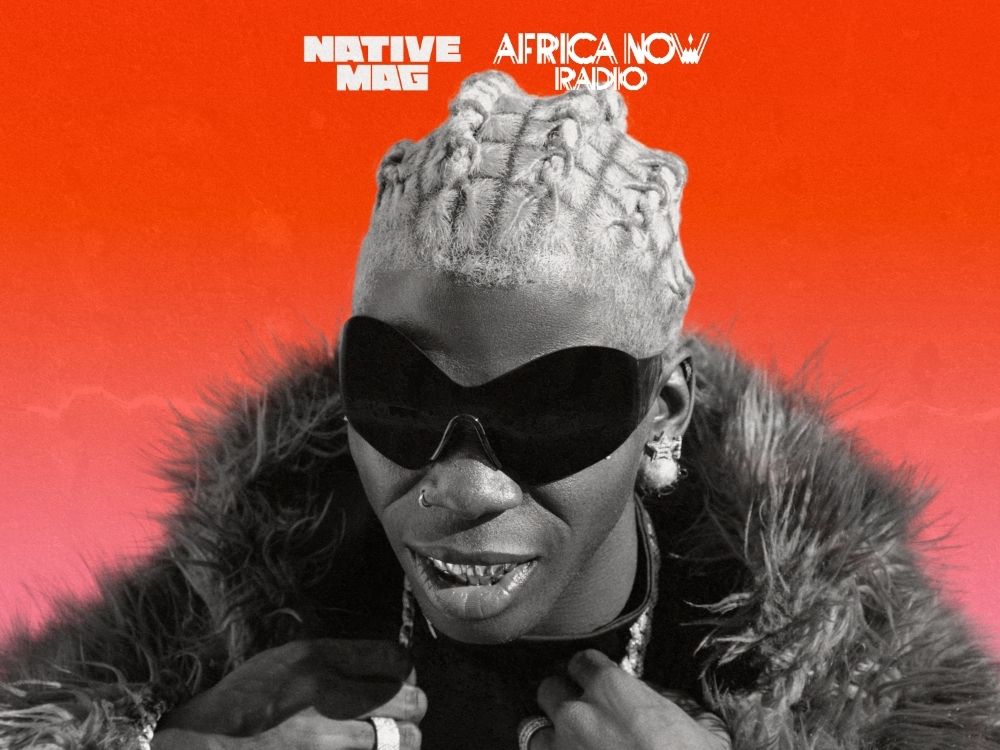
The trajectory of Nigerian Afropop artist Seyi Vibez has been one of the most compelling narratives in contemporary African music. Since his emergence in 2021 with the breakout project NSNV, the singer—born Balogun Afolabi Oluwaloseyi—has transcended his origins as a grassroots street-hop act to become a dominant force in the global music industry. His latest studio album, SWAGUU, released in September 2026, serves as a definitive statement on his evolution, blending his signature street-inflected delivery with experimental textures from R&B, Trap, and House music.
This latest project is not merely a collection of tracks; it is a calculated pivot toward a global identity. By moving beyond the thematic constraints of his early work, which largely focused on the institutional challenges and survivalist nature of Lagos life, Seyi Vibez is now articulating the complexities of manhood, emotional vulnerability, and international artistic ambition.
The Chronology of Evolution: From NSNV to SWAGUU
The maturation of Seyi Vibez’s sound can be mapped through a series of progressive releases. In 2021, NSNV established him as the voice of the Nigerian "street," a term that encompasses the grit, hustle, and cultural specificity of Lagos neighborhoods like Ikorodu. His music during this period was characterized by rhythmic, percussive delivery and lyrics that emphasized predestination and social struggle.
By 2025, with the release of the critically received project FUJI MOTO, the artist began a transition toward more diverse sonic landscapes. This era marked a departure from pure street-hop, incorporating the complex syncopation of Fuji music with global genre influences. The shift was deliberate, reflecting a desire to align his local authenticity with a broader, international production standard. The release of SWAGUU in 2026 represents the culmination of this five-year trajectory, signaling his arrival as a polished, versatile artist who maintains his cultural roots while reaching for global platforms.
Defining SWAGUU: A Cultural and Personal Rebrand
In a recent interview regarding the album’s title, Seyi Vibez explained that the name is both a linguistic nod to his Nigerian heritage and a symbol of his artistic maturation. "I feel like my swag, my energy, and my ideas changed," he stated. "I feel like my name is Swaggu now. It is a local way of pronouncing ‘swag’ in Nigeria. I am really from Lagos. My dad is from Lagos. It is just about my style and being the new guy on the block."
This branding reflects a broader trend among Nigerian artists who are increasingly reclaiming local colloquialisms and infusing them with global appeal. By naming the album SWAGUU, the artist is anchoring his international expansion in the specificities of his Lagos upbringing, ensuring that his growth does not come at the expense of his identity.
Structural Analysis: The Sonic Palette of the Album
SWAGUU is characterized by a departure from the high-density street anthems of his past, favoring a more nuanced approach to storytelling. On tracks such as "DIAMONDS" and "MELANIN," the artist explores themes of love and longing—emotions that were previously relegated to the background in favor of socio-economic commentary.
The production choice to incorporate elements of Trap and House is a strategic move to tap into the global listener’s ear while retaining the rhythmic intensity that defines Afropop. His sole international feature on the project, Quavo, serves as a bridge between the American hip-hop landscape and the vibrant Nigerian scene. The collaborative track, also titled "SWAGUU," acts as a nexus for this fusion. According to the artist, the track was essential to complete the album’s narrative, demonstrating that a "ghetto child" from Ikorodu can operate comfortably within the global music ecosystem.
Contextualizing the "Lagos Noise" and Creative Influences
One of the most notable aspects of the album is the track "GTA," which utilizes the sound of sirens to mirror the environment of Lagos. When asked about the inspiration, the artist drew a direct parallel between the virtual world of the video game Grand Theft Auto and the sensory overload of his home city.
"In Lagos, it’s like everywhere is noisy," he explained. "The security might pass, the police might pass, and the siren is on. In the Grand Theft Auto game, when the protagonist commits a crime, there’s a lot of sirens. It’s like it’s syncing with the Lagos noise, and that’s a double reflection." This ability to synthesize environmental chaos into cohesive, artistic output has become a hallmark of his songwriting.
Furthermore, his reflection on the track "OBLE" underscores his influence as a cultural trendsetter. By reclaiming the word "Oble," which he introduced in 2023, he demonstrates the power of his platform to shape vernacular. Initially thought by many to be a traditional Yoruba term, the word has become a staple of Nigerian festive culture. His decision to include it on the album is a bid to clarify its origins while celebrating its adoption by the masses.
The Broader Impact on the Afropop Industry
The release of SWAGUU occurs at a pivotal moment for the African music industry, which has seen a significant surge in global market share. According to recent data from industry analysts, the export value of Afrobeats and Afropop has grown exponentially over the last three years, with Nigerian artists leading the charge in streaming and international collaborations.
Seyi Vibez’s transition from a regional star to a global contender mirrors the industry’s wider maturation. His pivot toward exploring personal vulnerability and emotional depth—as seen in "BACK 2 U"—is an important development. Historically, the "street-hop" genre in Nigeria was often expected to be stoic or focused exclusively on the external environment. By narrating his own emotional development, Seyi Vibez is expanding the thematic boundaries of the genre, allowing for a more nuanced depiction of the "African man."
Industry Outlook and Future Projections
The strategic collaboration with Quavo, combined with the genre-bending production of SWAGUU, suggests that Seyi Vibez is positioning himself to capture audiences in both North American and European markets. His focus on "evolution" serves as a direct message to emerging artists in Nigeria: that success is not static and that global ambition requires a constant process of self-reinvention.
Industry observers note that the success of this album will likely depend on his ability to sustain this hybrid sound across international tours and subsequent releases. If the current reception of SWAGUU is any indicator, the artist has successfully cultivated a loyal fanbase that is willing to follow him into these new, more experimental territories.
As the music industry continues to flatten geographical barriers, artists like Seyi Vibez are proving that the most authentic way to go global is to remain deeply connected to the local environment, even as that environment is translated through the language of international pop. By framing his journey as the progression from "boy" to "man," and from "local act" to "global star," Seyi Vibez has set a new benchmark for his peers, effectively rewriting the blueprint for modern Nigerian stardom. The project stands as a testament to the resilience of the Lagos creative spirit and its capacity to dominate the global stage without compromising its unique, unmistakable edge.